

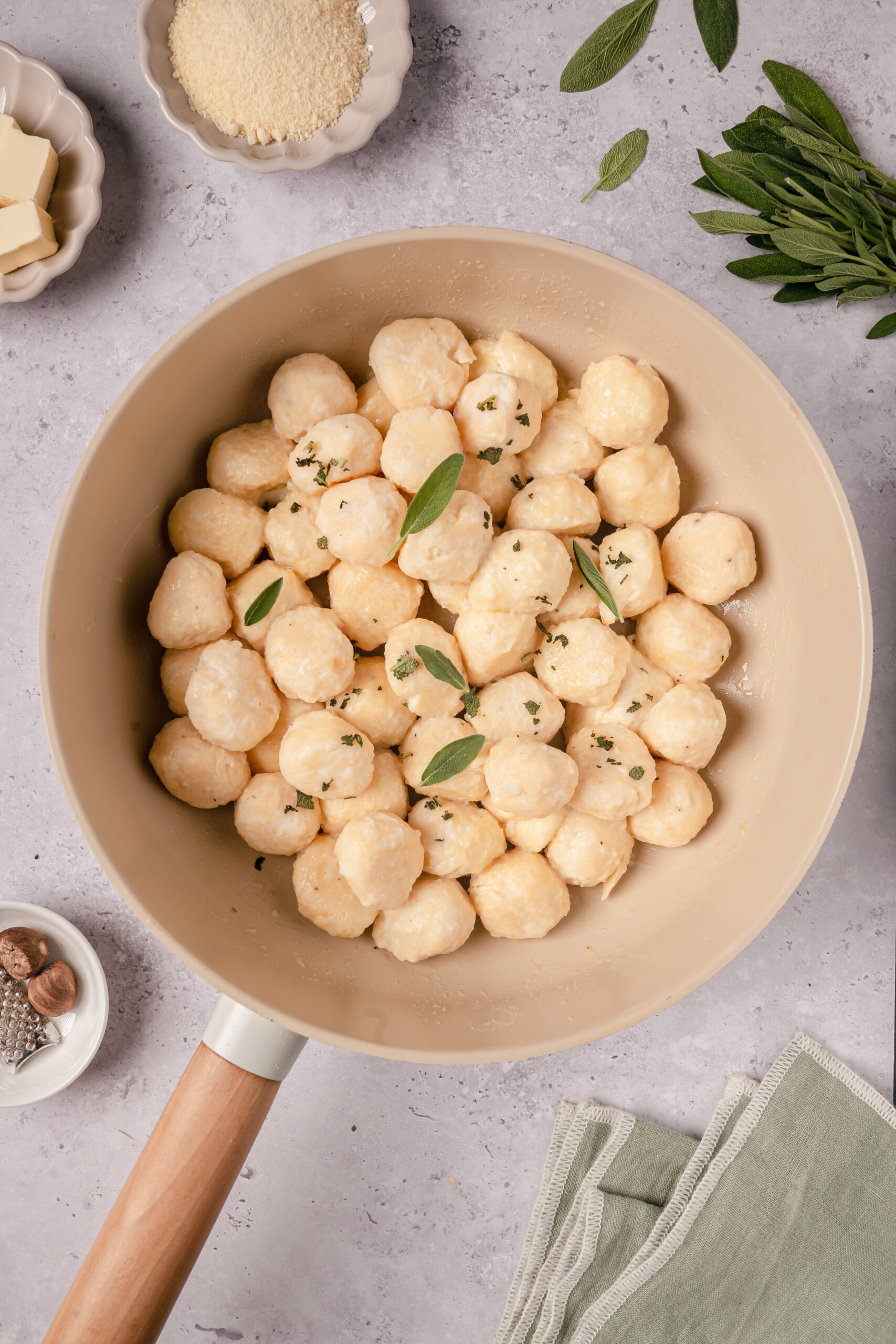
Soft, chewy, cheesy, and delicious, Gnudi are surprisingly simple to make.
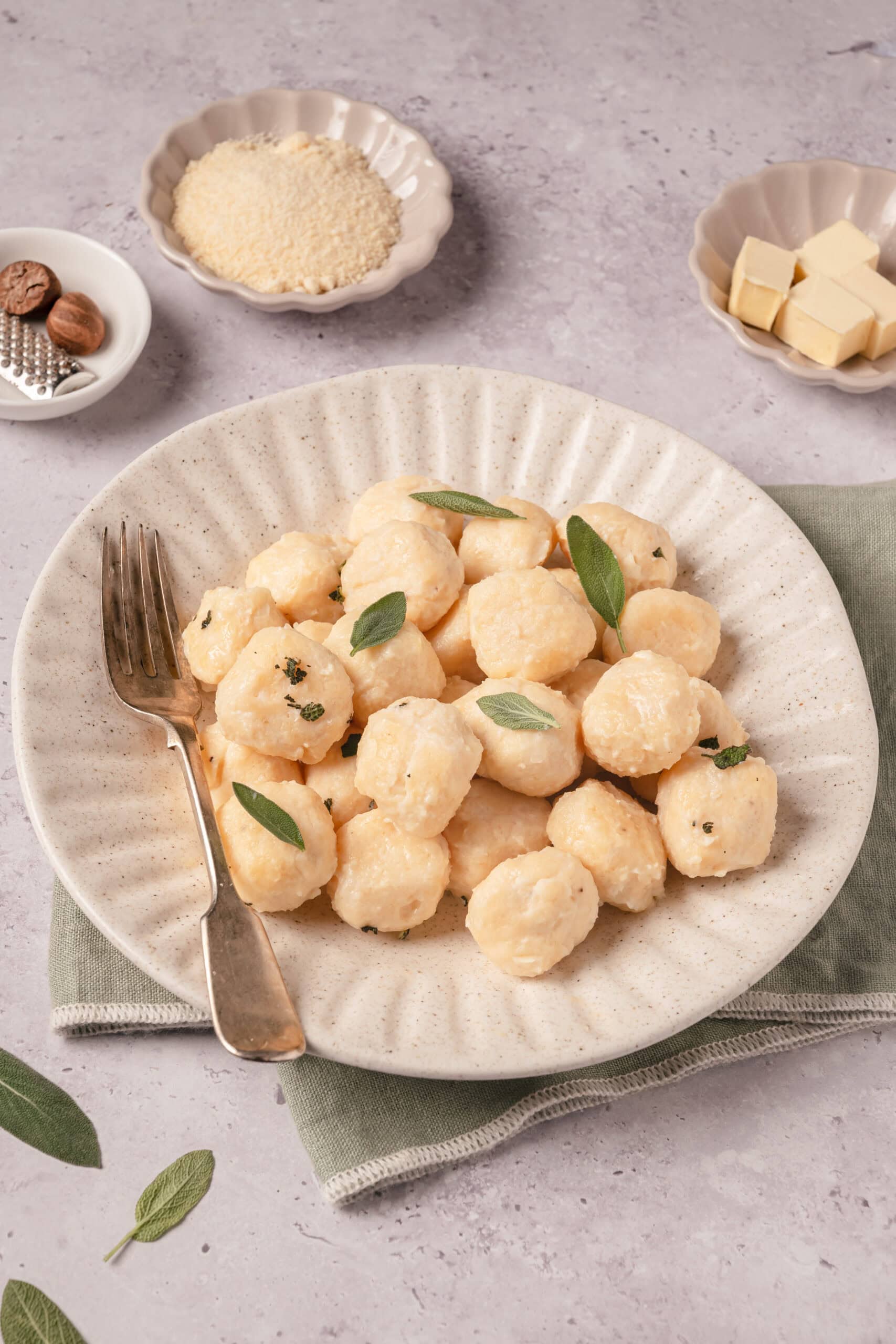
Do you ever confuse gnocchi with gnudi? After all, both are Italian dumplings that start with “gn” and end in “i” so mistaking one for the other is easy. That is, until you taste them both, and their differences become deliciously apparent. Gnocchi are firm and made with potatoes, while gnudi are soft and creamy because their main ingredient is ricotta cheese.
Here comes some additional confusion surrounding gnudi: they are also sometimes called malfatti. Lots of folks say that gnudi and malfatti are the same thing with two different names, and that makes sense. Both are yummy, soft dumplings made primarily from ricotta (and often spinach). If you’re in the Siena region of Italy, they will be malfatti, a word that translates to “badly made,” which just refers to their rustic, irregular shape. If you’re in Tuscany, you’ll be calling them gnudi, which translates to “naked” because, basically, gnudi are the filling of ravioli: without their outer pasta, they are nude! But no matter what you call them, these delicate pasta pillows are delicious.
The two cheeses in our gnudi—ricotta and Parmesan—give the dumplings a rich, salty, savory flavor, and the taste is enhanced by black pepper and a touch of nutmeg. Making gnudi is not only fun, it’s very simple. Once you’ve drained the excess liquid from the ricotta, it’s just a matter of mixing in the other ingredients to form the dough, rolling that dough into ropes, cutting the ropes into bite-size pieces, chilling them, and then boiling the gnudi in salted water for just a few minutes.
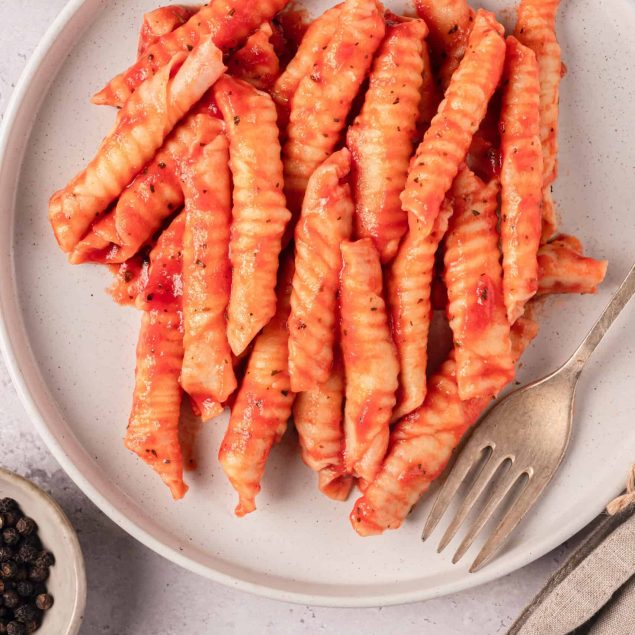
When they’re done, let’s clothe these naked gnudi, or at least coat them in some sauce. You’ll love gnudi tossed in this Tomato Sauce, but they are also perfect in Homemade Basil Pesto, an Authentic Bolognese Sauce, or this rich Carbonara Sauce.
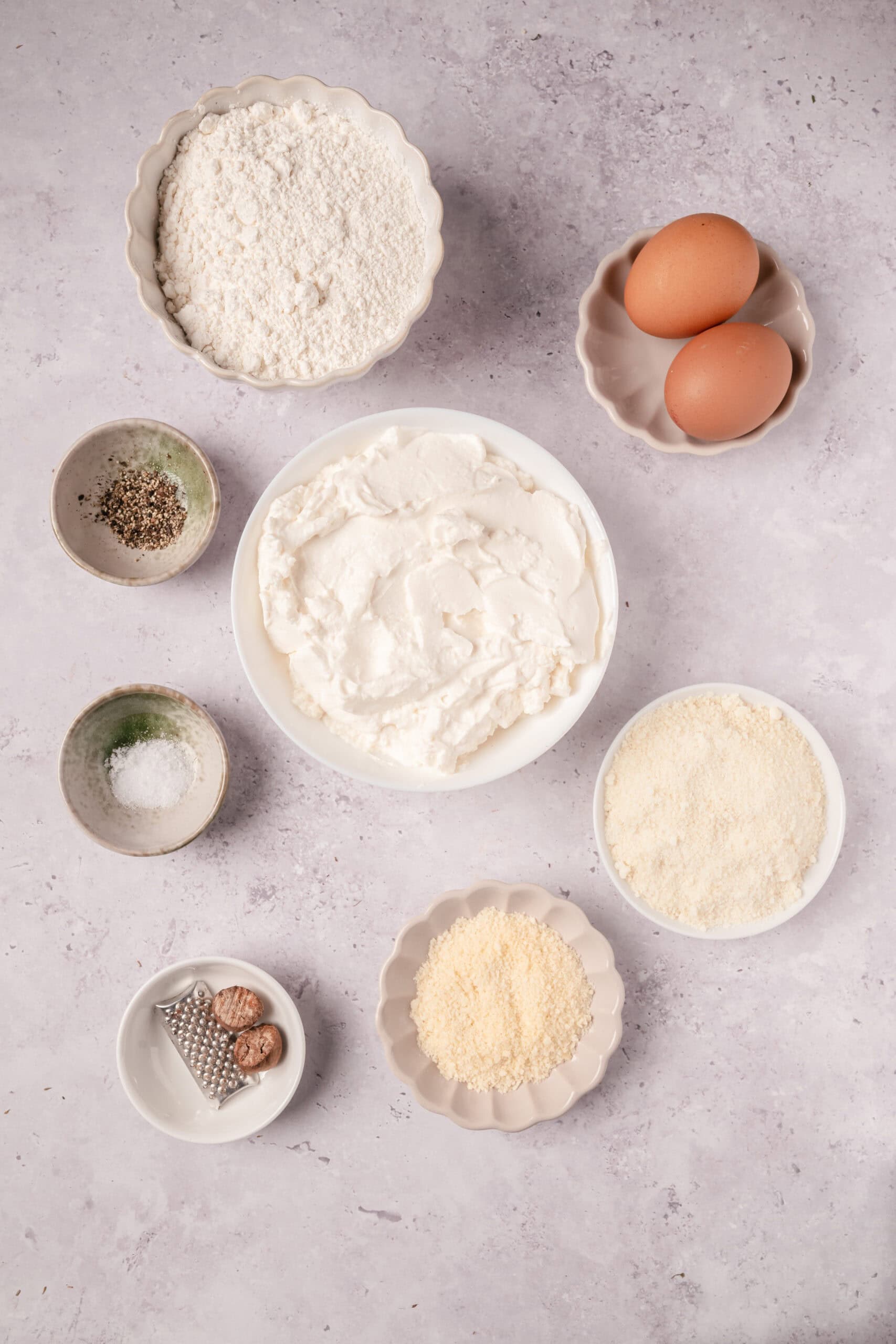
What’s The Difference Between Semolina And All-Purpose Flour?
Let’s start with something we all know: there are many different kinds of flour. We have bread flour, cake flour, whole-wheat flour, almond flour… you get the picture. Basically, flour is just something that has been finely ground—usually a grain—and in the case of all-purpose (AP) flour, that’s a mix of hard red winter wheat and soft white wheat (with most of the bran and wheat germ removed). In our gnudi recipe, we are using AP flour in the dough mixture, but we call for semolina to dust the baking sheet on which the gnudi will sit before going into the boiling water.
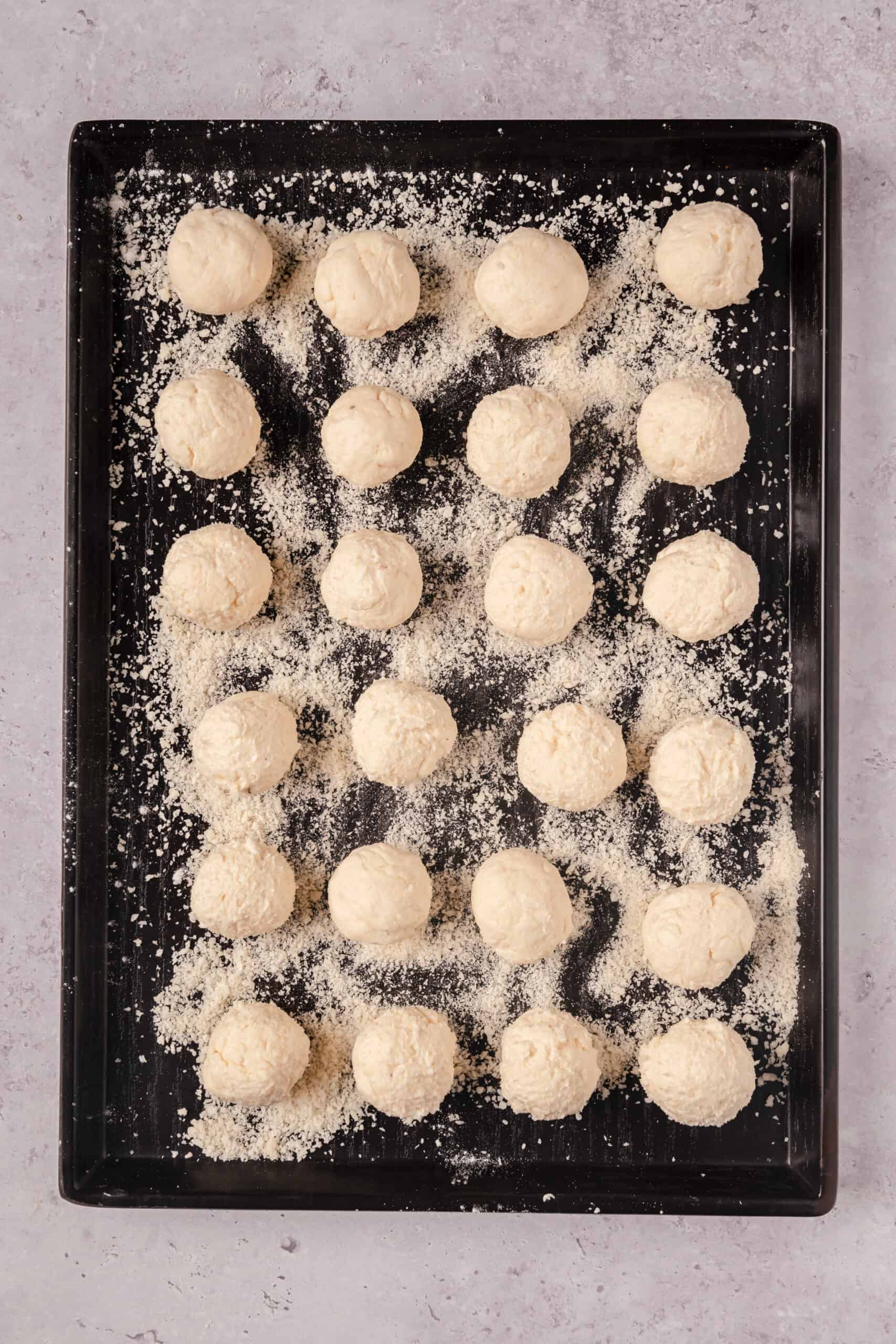
So, what is semolina? Semolina is a type of flour made from coarsely milled durum wheat (versus the fine grind we find in AP). Semolina has a distinct golden color and is often used to make pasta because its high protein and gluten content contribute to the dough’s elasticity. This is particularly important for certain shapes of pasta, like rigatoni or fusilli, because the non-sticky nature of semolina dough helps in forming the shapes and keeping them intact while cooking. In our recipe, the coarser semolina keeps the wet gnudi from sticking to the baking sheet. During the chilling process, the ricotta fuses with the semolina to form a skin, which helps the dumplings keep their shape in the boiling water.
FAQs & Tips
How Do I Store Leftovers?
Cooked and cooled gnudi can be stored in an airtight container in the fridge for 3-5 days. If you want to freeze gnudi, freeze them first on the dusted baking sheet and then transfer the frozen gnudi to a freezer-safe container or bag. They will keep for up to 3 months.
Why Did My Gnudi Fall Apart?
Not adding enough flour to your dough so it becomes soft and is not sticky is one reason gnudi can fall apart while cooking. Another is that you didn’t chill them for long enough for the ricotta and semolina to fuse and form the skin. Next time, test one gnudi first in the boiling water to ensure the proper consistency.
Serving Suggestions
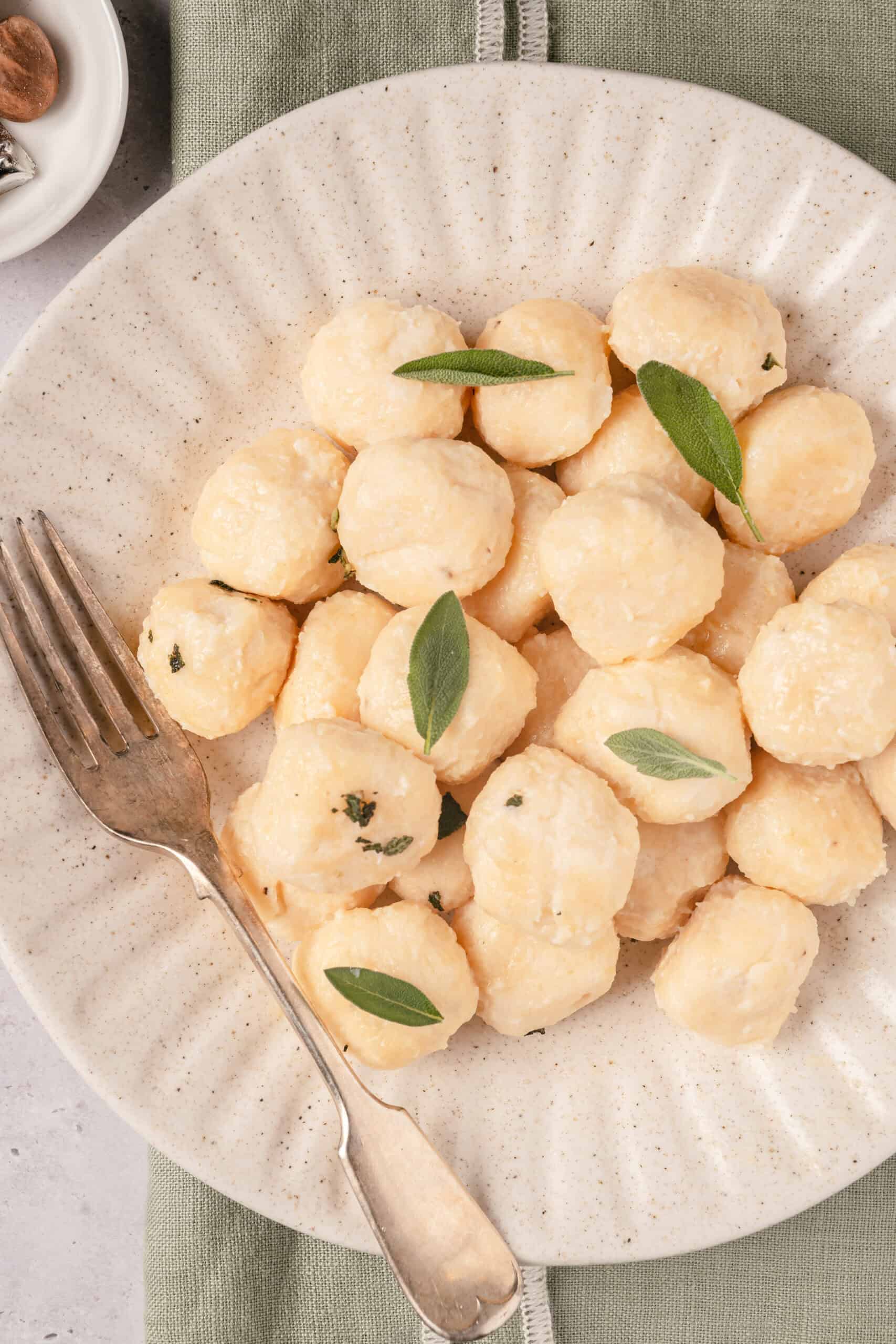
Gnudi are like a blank canvas, totally open to interpretation and your culinary creativity. Try tossing them into some of your favorite vegetables cooked in olive oil, like Swiss Chard or Sautéed Broccoli (then mix in some Marinated Mozzarella or Homemade Boursin for more cheesy goodness). Turn either one of these dishes into an entrée by serving it with some Homemade Meatballs or Delicious Sautéed Shrimp on top.
Even though they are Italian, gnudi are international ambassadors when it comes to cuisine. You can transform your gnudi into a Latin American dish by tossing them in Chimichurri and serving them with Chicharrón De Pollo. Or take them to France by stirring them into Beef Bourguignon. Craving German Meatballs? Serve them on top of gnudi and let those cheesy pillows soak up all of the rich, delicious sauce. And if you’re just looking for a homestyle, comfort dinner, make some Chicken Stock and add Shredded Chicken, carrots, thinly sliced bok choy, and gnudi. You won’t believe how wonderfully all of these flavors meld in a bowl of hot, nourishing soup.
Gnudi

Ingredients
- 2 cups whole milk ricotta cheese
- 2 large eggs
- 3/4 cup freshly grated Parmesan cheese
- 1/2 teaspoon kosher salt
- 1 pinch ground nutmeg
- 1/4 teaspoon freshly ground black pepper
- 1 cup all-purpose flour plus more as needed
- 2 tablespoons semolina flour for dusting
Instructions
- Place the ricotta in a sieve lined with a paper towel. Press another paper towel on top and let sit to drain excess liquid for 1 hour.
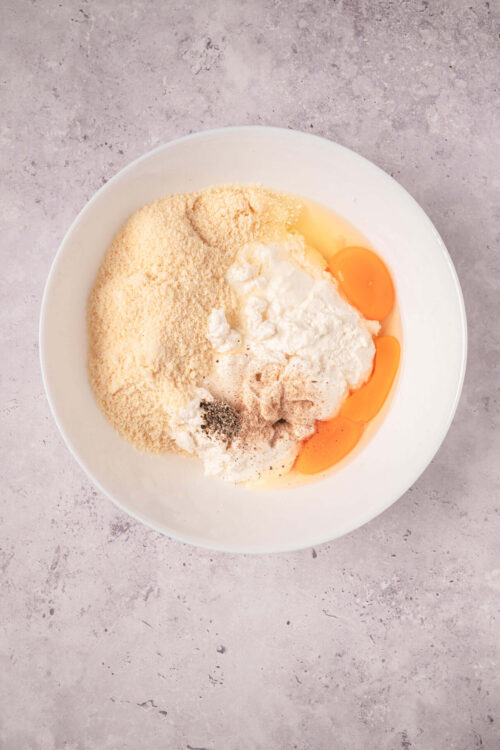
- In a large bowl, mix the drained ricotta, eggs, Parmesan, salt, nutmeg, and pepper until well combined.
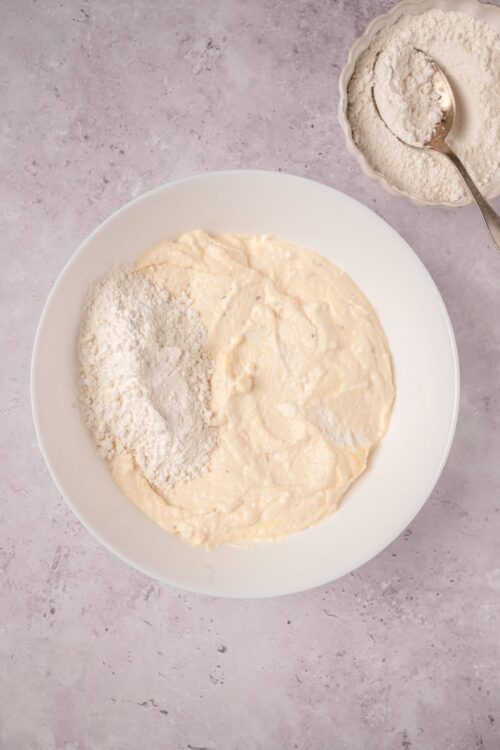
- Gradually add all-purpose flour to the ricotta mixture, stirring until a soft dough forms. If the dough is sticky, add 1 more tablespoon of flour at a time until it is easier to work with. Dust a baking sheet with semolina flour.
- Form the dough into a few ropes and then cut into bite-sized pieces. Form small, walnut-sized balls and place on the prepared baking sheet.
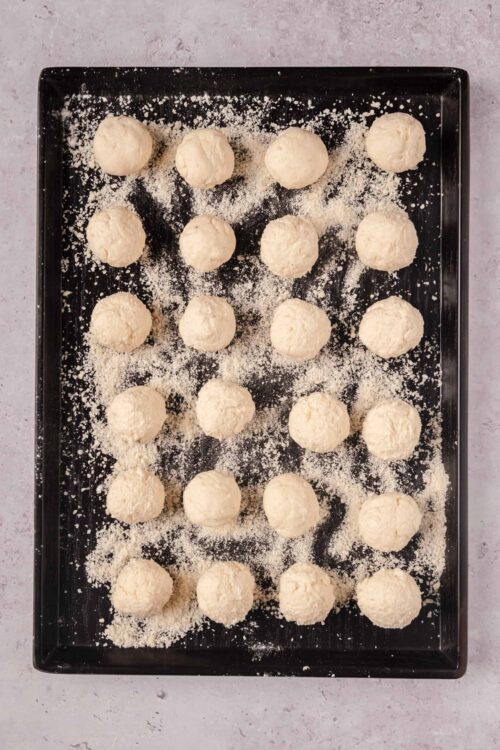
- Chill the formed gnudi for 30 minutes to help them hold their shape better.
- Bring a large pot of salted water to a boil. Gently add the gnudi and cook until they float to the top, about 3-5 minutes. Cook for 1 additional minute after they rise to the surface. Remove with a slotted spoon.


Leave a Comment