

Carbonara Sauce‘s origins may be up for debate, but there’s no debate on its taste: Delicious!
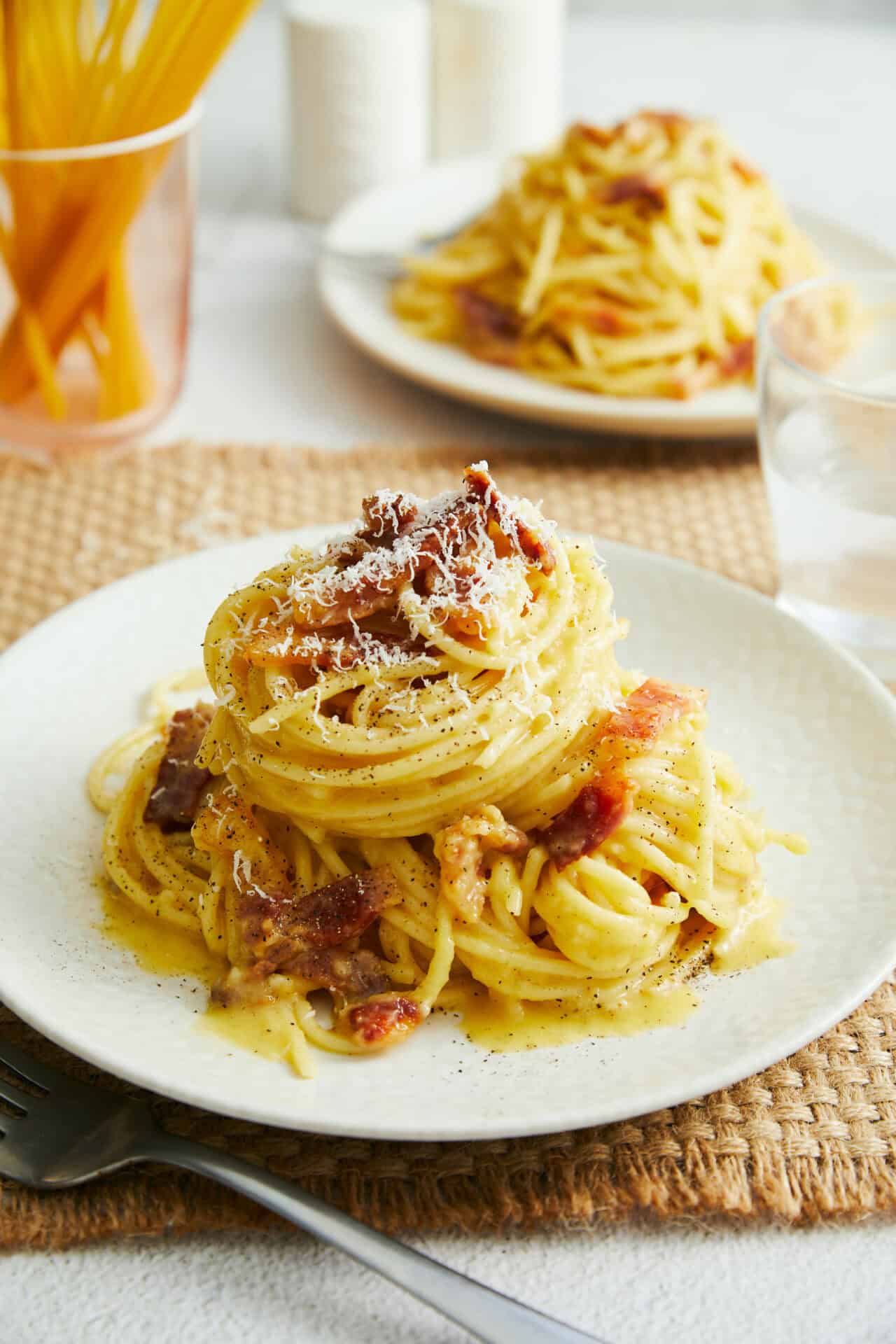
There’s no true consensus on the origin story for creamy, delicious carbonara sauce. Some purists say it’s merely a descendant of the old Roman recipe known as cacio e uova (“cheese and eggs”). Others point to the word “carbonara” and claim that this is a reference to the central Italian laborers known as carbonari who made wood into charcoal. Finally, the most recent story is from World War II and suggests that a Roman cook used rations and ingredients familiar to resident American soldiers to create a “Pasta alla Carbonara.” There may even be other theories out there!
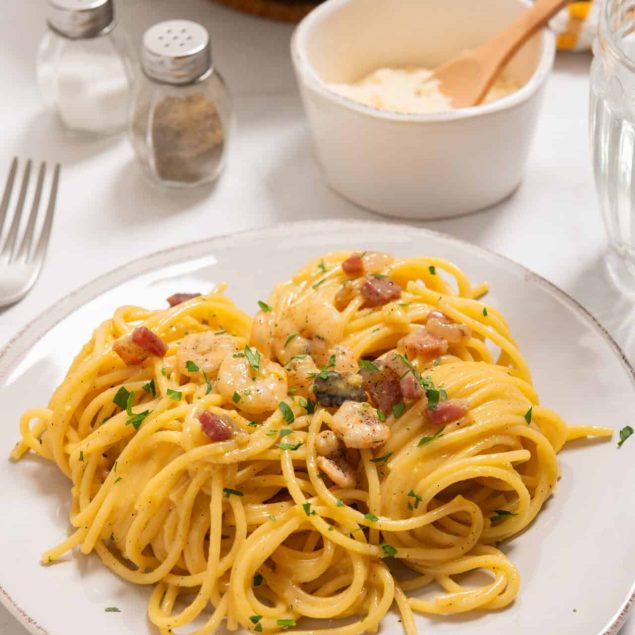
Whichever origin story you go with, what is known for sure about carbonara sauce is that it’s delicious. Less a sauce than a coating for spaghetti cooked to al dente perfection, the ingredients are simple but produce a rich taste. What may surprise you is that there is no cream in it! Some restaurants may use cream, but that just makes the texture heavy and cloying. For this sauce, all you need is room-temperature eggs, pasta water, and Parmesan cheese—no cream required.
You will love getting this recipe into your wheelhouse. Carbonara sauce is simple and relatively quick. It’s simple in the same way your favorite pearl earrings are simple: they look good with your hair up in a messy ponytail or when you dress up and wear your hair in an updo. Totally versatile. Carbonara sauce can be a weeknight favorite or an elegant supper’s star attraction.
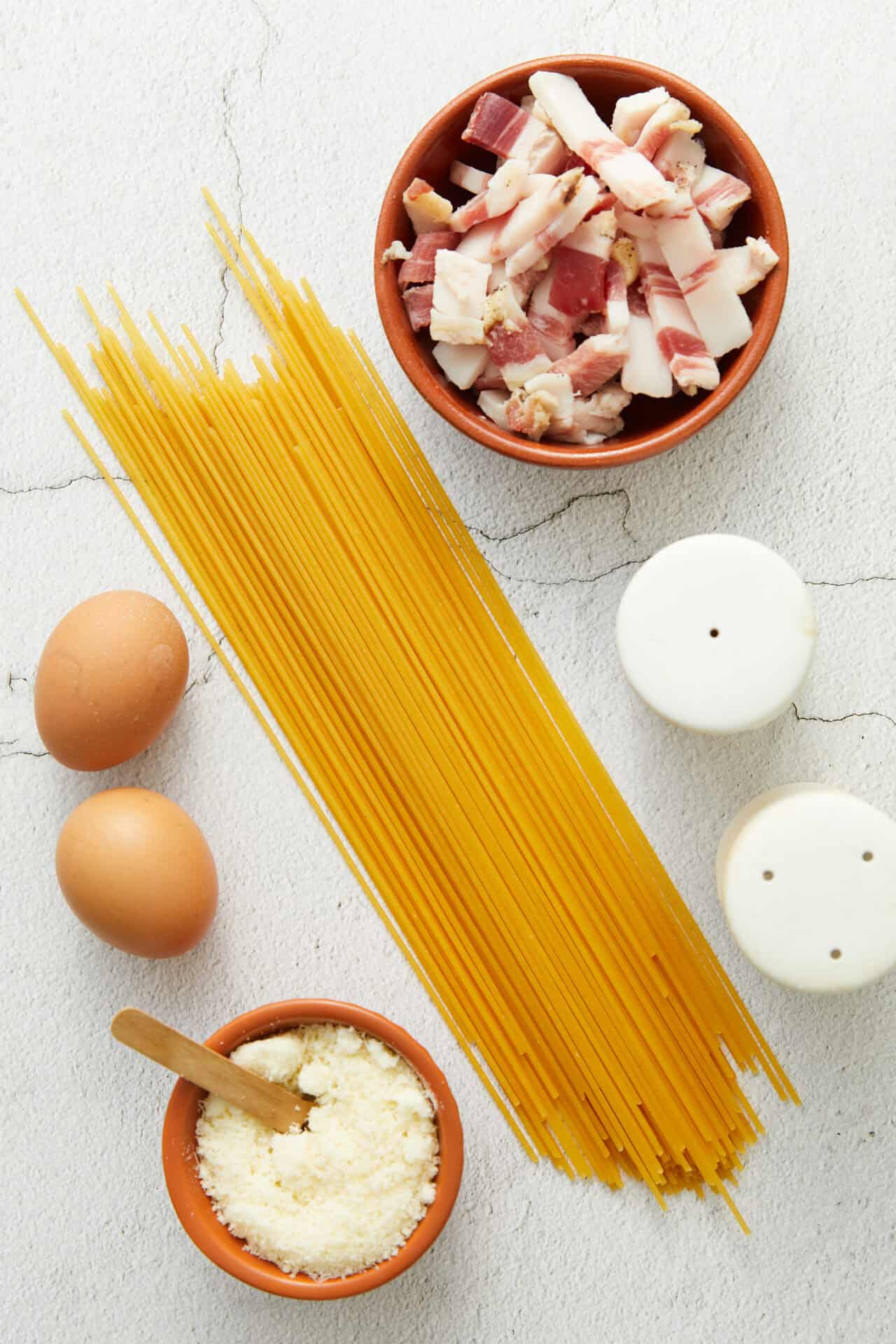
What is Pancetta?
Pancetta is made from pork belly and is salt-cured (not smoked). Italian dishes often use it in its cubed form in soups, sauces, and stews to add depth of flavor and a little salty kick. Alternatively, pancetta is served in slices on antipasti platters or in sandwiches. You can buy it whole in a specialty deli and dice it up yourself, but most grocery stores have it pre-diced in packages near the chilled upscale salamis and cheeses. The flavor is rich, salty, and sometimes a little bit peppery.
How to Make Ahead and Store
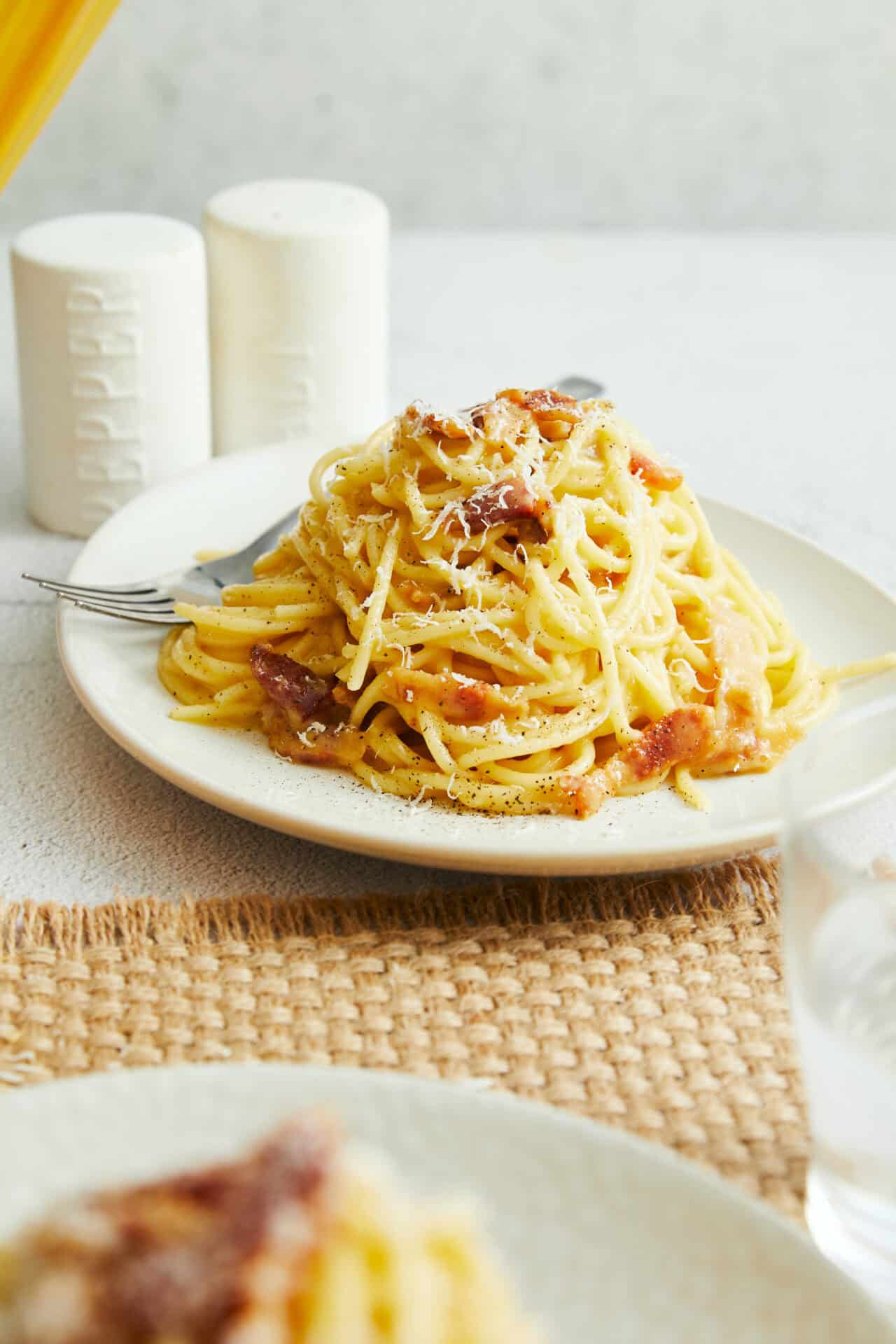
Carbonara sauce is definitely best when eaten fresh since its texture can be altered when reheating. However, if you don’t mind a slight texture change, it can be made ahead and stored on its own (separately from the cooked pasta) in the fridge for up to 3 days. Freezing is not recommended. When you are ready to serve it, simply add 1 tablespoon of water to it, reheat it very gently on the stovetop, and toss it with cooked pasta. An added tip when serving warmed-up carbonara sauce is to preheat your plates or bowls—the ambient heat from the dish will keep the sauce smooth and silky.
Serving Suggestions
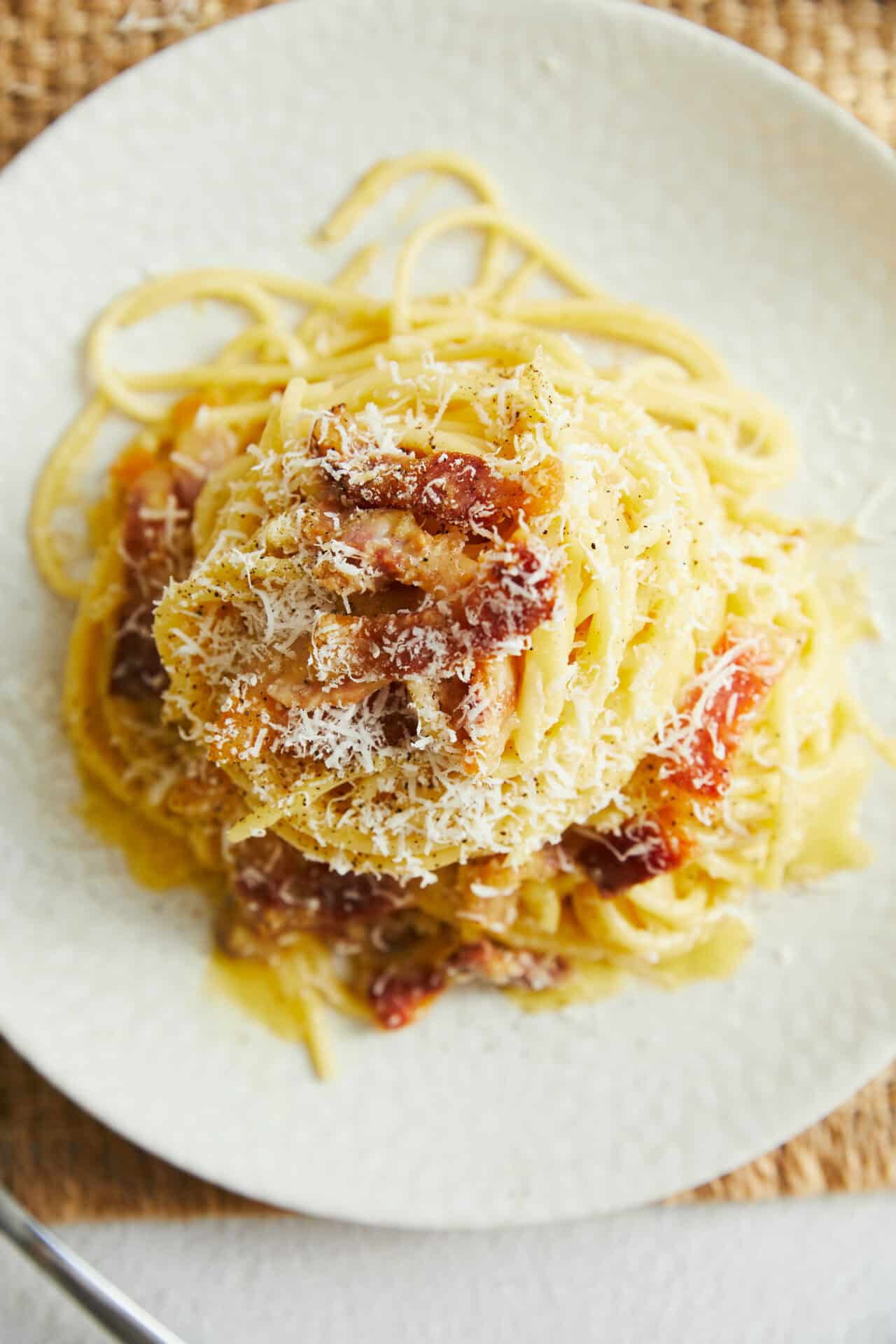
Carbonara sauce is best with spaghetti, but you can also try it with fettuccine or penne if that’s what you have on hand. As far as what to serve alongside it, try Easy Oven-Roasted Garlic mixed with softened butter. Spread onto a slice of crusty bread and set under the broiler for just a few seconds; this combo makes for an amazing garlic bread. To contrast pasta and garlic bread, serve a fresh salad like Wedge Salad for added crunch and flavor.
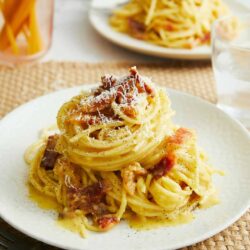
Carbonara Sauce

Ingredients
- 8 ounces your choice of pasta I recommend spaghetti
- 4 ounces pancetta diced
- 2 large eggs
- 1 cup Parmesan cheese freshly grated
- 1/4 teaspoon black pepper freshly ground
- Salt to taste
Instructions
- Bring a large pot of salted water to a boil. Add your pasta and cook according to package instructions until al dente. Reserve 1/2 cup of pasta water before draining.
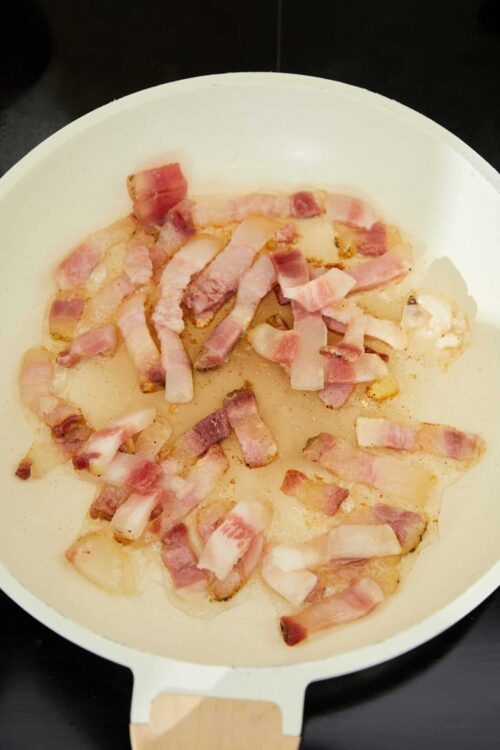
- While the pasta cooks, heat a large skillet over medium heat. Add the diced pancetta and cook until crisp, about 5 to 7 minutes.
- In a mixing bowl, whisk together eggs, Parmesan cheese, and black pepper until well combined.

- Add the drained pasta to the skillet with the pancetta. Reduce heat to low and pour the egg and cheese mixture over the pasta. Toss quickly to coat the pasta without letting the eggs scramble.
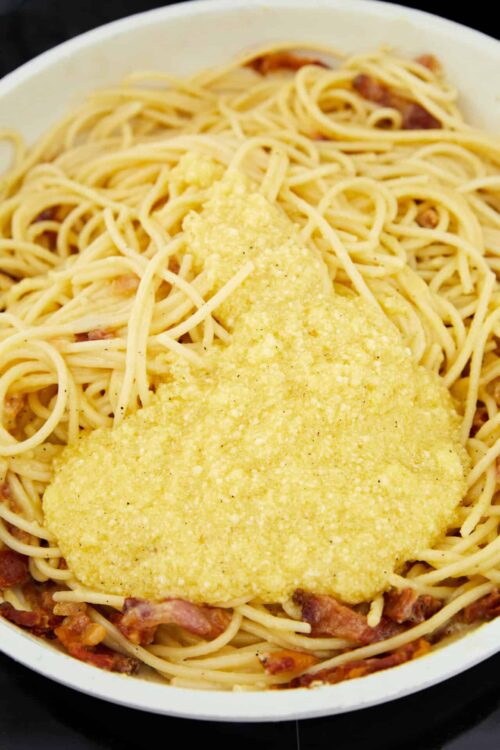
- Gradually add reserved pasta water to reach desired sauce consistency. The heat from the pasta will gently cook the eggs, creating a creamy sauce.
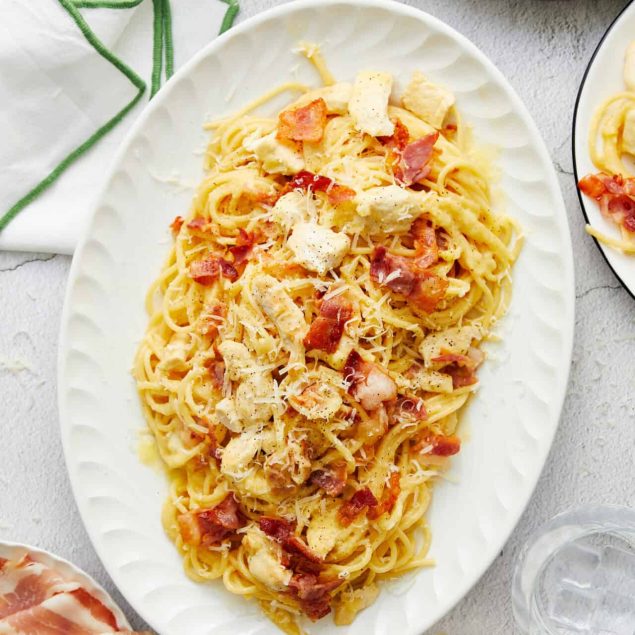
- Season with salt to taste and serve immediately with additional grated Parmesan on top.

Leave a Comment