

Often served for special occasions, savory German Meatballs in their rich, creamy sauce also make a perfect weeknight meal.
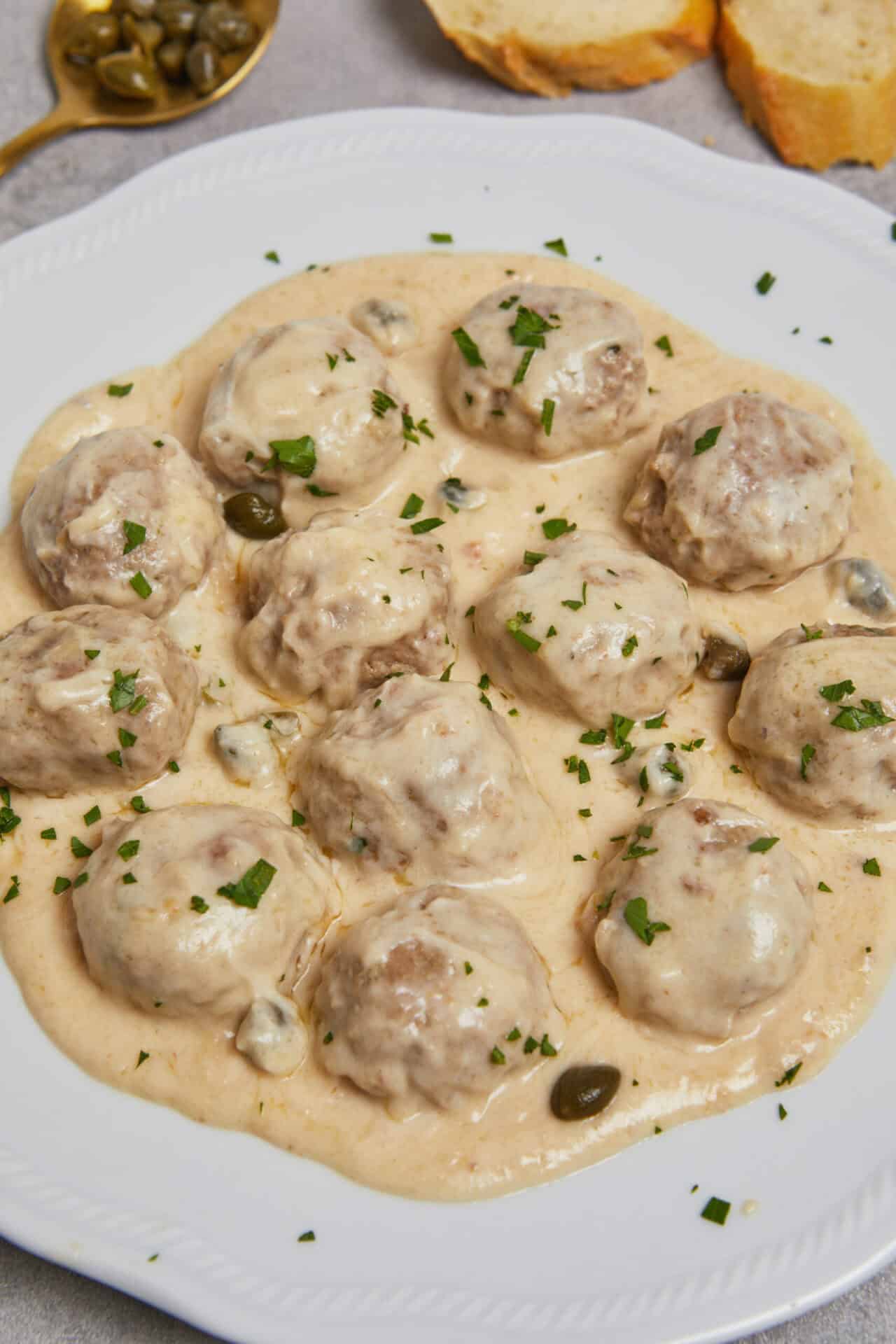
When October comes around, you know what that means: Oktoberfest! Time to celebrate all things German—the culture, the beer, and the supremely delicious food! So, as the Germans say when they raise their steins, prost! (“cheers”) and let’s go make some German meatballs!
Known to Germans as Königsberger Klopse, German meatballs are an iconic dish that originated in the city of Königsberg, which is now actually a city in Russia called Kaliningrad. Still, the dish remains traditionally German and is served throughout the country. While most cultures have some version of a meatball, what makes these German ones so unique is the way the meat is seasoned and the luscious sauce studded with marvelously briny capers.
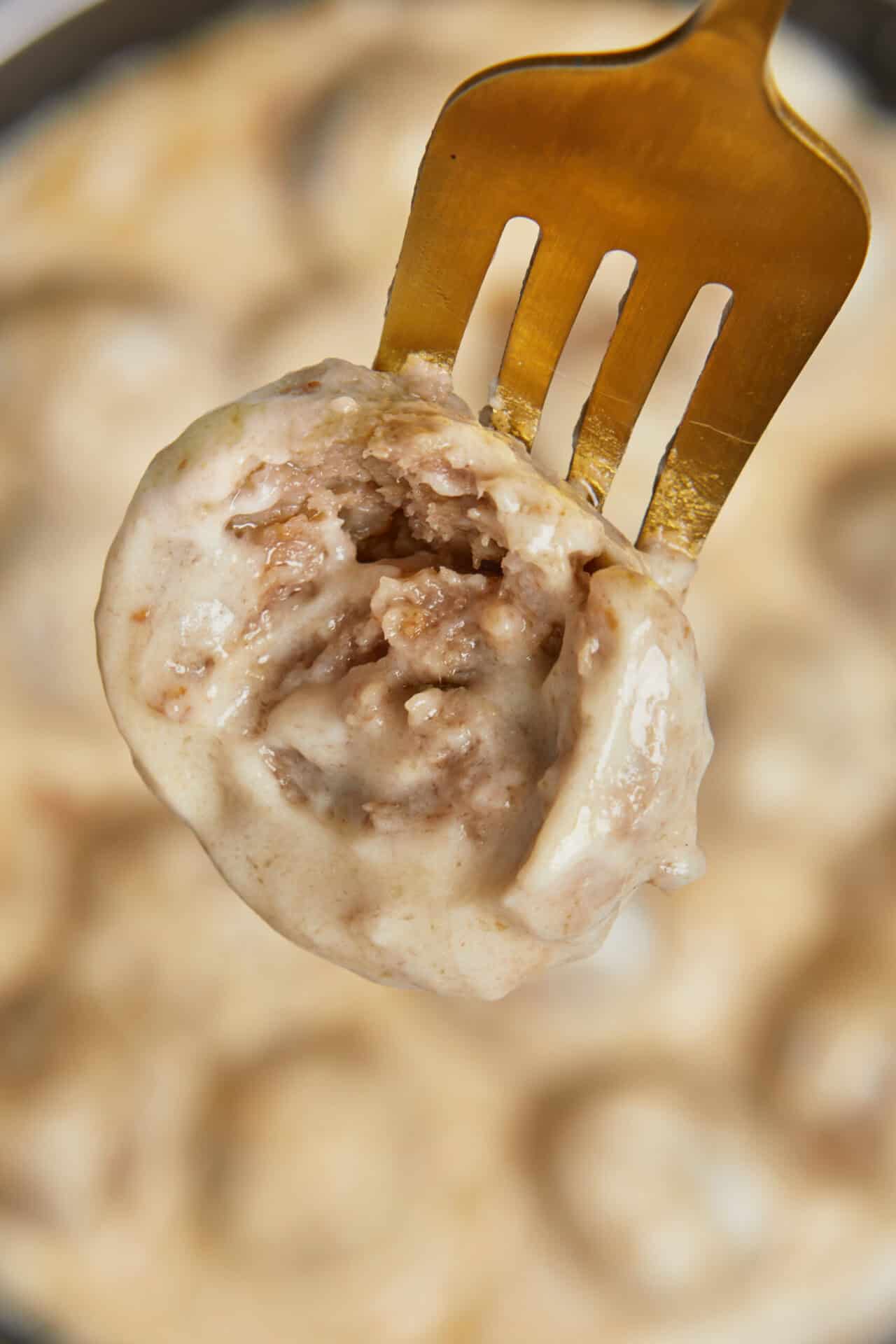
You will wow family and friends if you make German meatballs for a special occasion, but trust me: you’ll want them more often. They’re simple to make: all of the meatball ingredients are combined in a single bowl and then, once your meatballs are formed and browned in butter, you’ll remove them so that you can make the incredible sauce in the same pan. Return the meatballs so they can simmer in that delectable sauce and just before serving, add sour cream. The meatballs are melt-in-your-mouth tender and deeply flavored, and the sauce is super savory, with a bit of salty tang.
You’ll want to serve German meatballs with something that can absorb that sauce. Baked Rice is a perfect side, as is a crisp House Salad to balance the richness of the dish.
Consider Adding Anchovies…
Not everyone loves anchovies. The negative feelings about these small, oily fish can be so strong that some folks won’t even consider preparing or eating a dish that contains them. Like German meatballs. Yes, it’s true: anchovies are a traditional ingredient in the meatball mixture. But because we know how polarizing these little fish can be, our recipe omits them and uses Worcestershire Sauce instead (which, by the way, does contain some anchovy).
But let me make a case for adding four anchovies or one tablespoon of anchovy paste to your German meatball mix. Contrary to a very fair assumption, when anchovies are added to a dish that will be cooked, there is no fishy flavor (proof? Worcestershire Sauce does not taste like fish!). In fact, if you add the anchovies, you won’t even know they were ever there because they dissolve during cooking but leave behind a deep, salty, umami goodness that gives German meatballs their unique complexity. Plus, anchovies are a fine source of heart-healthy omega-3 fatty acids. But if none of this convinces you to join Team Anchovy for this dish, not to worry: our recipe for German meatballs is very delicious without them.
FAQs & Tips
How to Make Ahead and Store
Cooked and cooled German meatballs can be stored in an airtight container in the refrigerator for up to 3 days or in the freezer for up to 3 months (thaw overnight in the fridge before reheating).
Are German Meatballs Similar To Swedish Meatballs?
There are some similarities, for sure. Both are usually made from a mix of ground beef and pork, but the distinctive flavor of Swedish meatballs comes from allspice and nutmeg. Both recipes call for browning the meatballs in butter and then simmering them in a thick, very flavorful sauce: Swedish meatball sauce is made with cream or milk, whereas German meatball sauce is made by adding beef stock to a roux (and sour cream just before serving) and it is additionally flavored with capers.
What If My Sour Cream Curdles In The Sauce?
Here’s a tip to prevent curdling: add a little of the warm sauce to the cold sour cream before adding all the sour cream into the warm sauce; this is called tempering. But if you get the curdles, never fear! Start by removing the meatballs and then on very low heat, try whisking your sauce to see if the curdles disappear and the sauce emulsifies. If that doesn’t work, warm a little cream or full-fat milk and then whisk it bit by bit into the sauce until everything is smooth.
Serving Suggestions
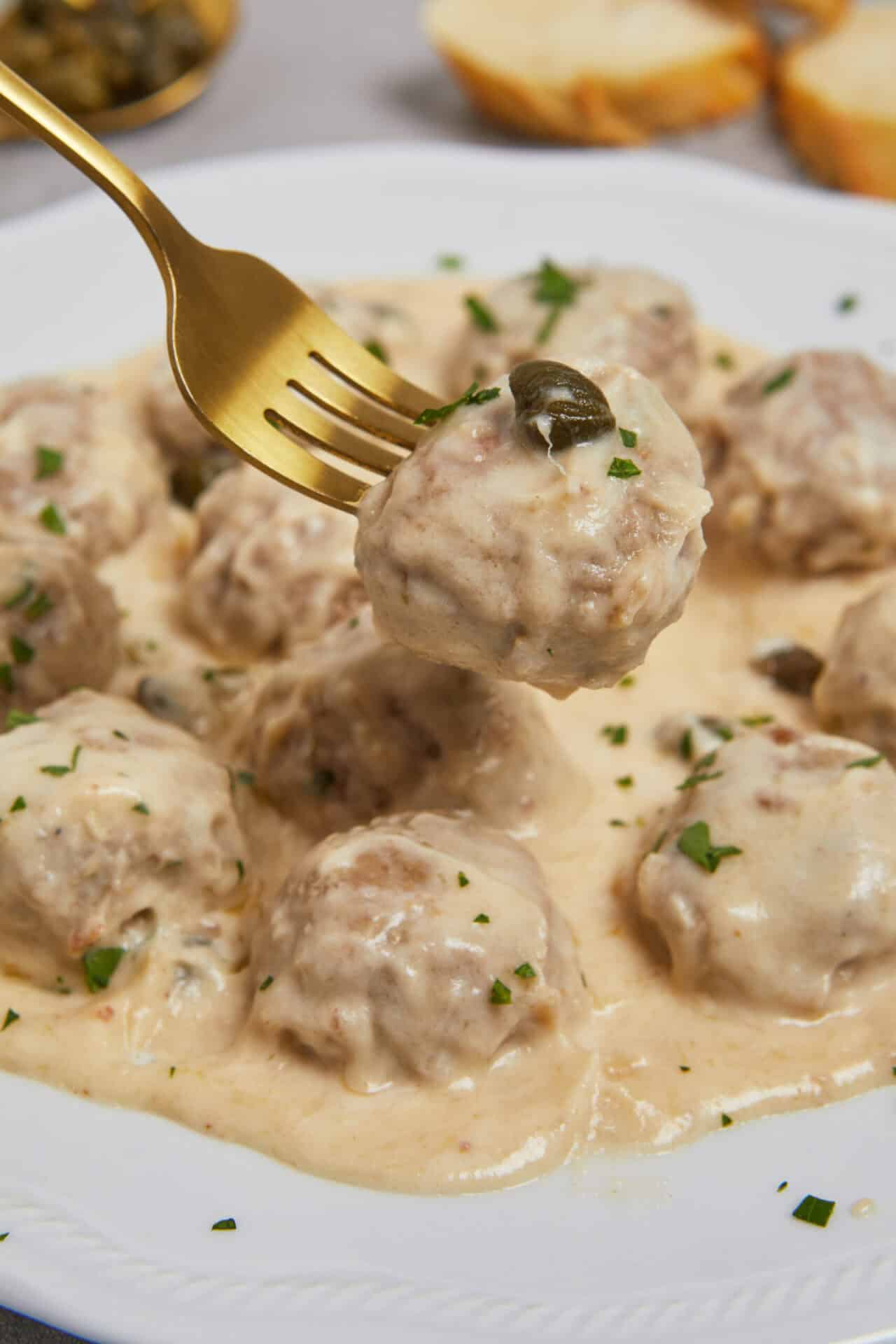
For a weeknight meal, German meatballs are lovely with nearly anything you would serve any kind of meatballs with: noodles (they are delicious over this Creamy Lemon Pasta) or roasted veggies (like these Brussels Sprouts). But my all-time favorite way to serve them is on a German-inspired buffet!
Start out with this spectacular German Mulled White Wine (which will make your house smell amazing!) and then proceed to the food! German meatballs, Mashed Potatoes or Potato Pancakes (or both!), Air-Fryer Brats, Roasted Cabbage, and these Mini Onion and Bacon Tarts. And for dessert? Apple-Almond Bavarian Cheesecake drizzled with Caramel Sauce. Happy Oktoberfest!
German Meatballs

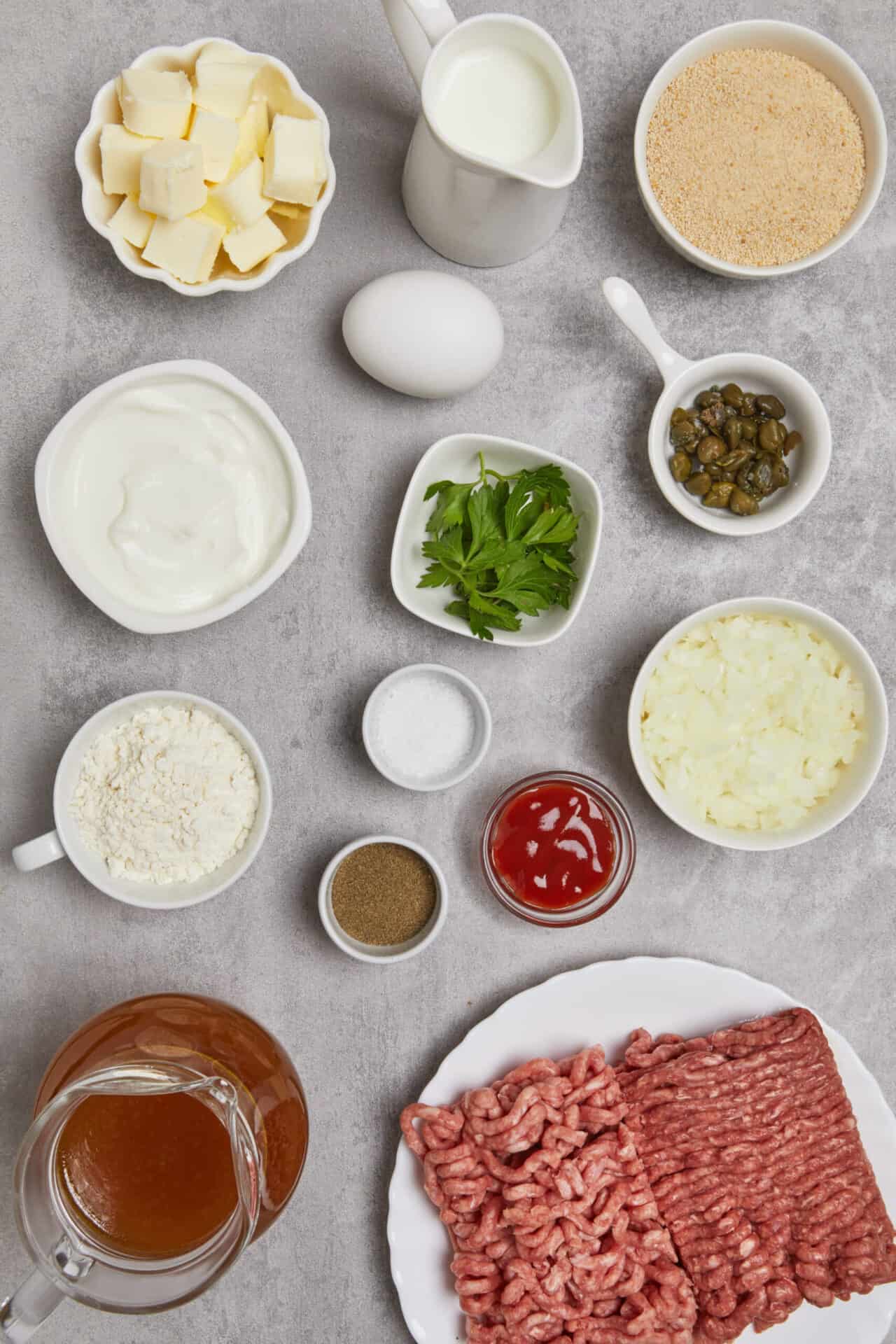
Ingredients
- 1 pound ground beef
- 1/2 pound ground pork
- 3/4 cup unseasoned dry breadcrumbs
- 1 teaspoon salt
- 1/4 teaspoon black pepper
- 2 tablespoons fresh parsley chopped (plus more for garnish)
- 1 1/2 teaspoons Worcestershire sauce
- 1 small onion finely chopped
- 1 large egg
- 1/3 cup milk
- 4 tablespoons unsalted butter
- 3 tablespoons flour
- 4 1/4 cups beef broth
- 1 1/2 tablespoons capers drained
- 3 tablespoons sour cream
Instructions
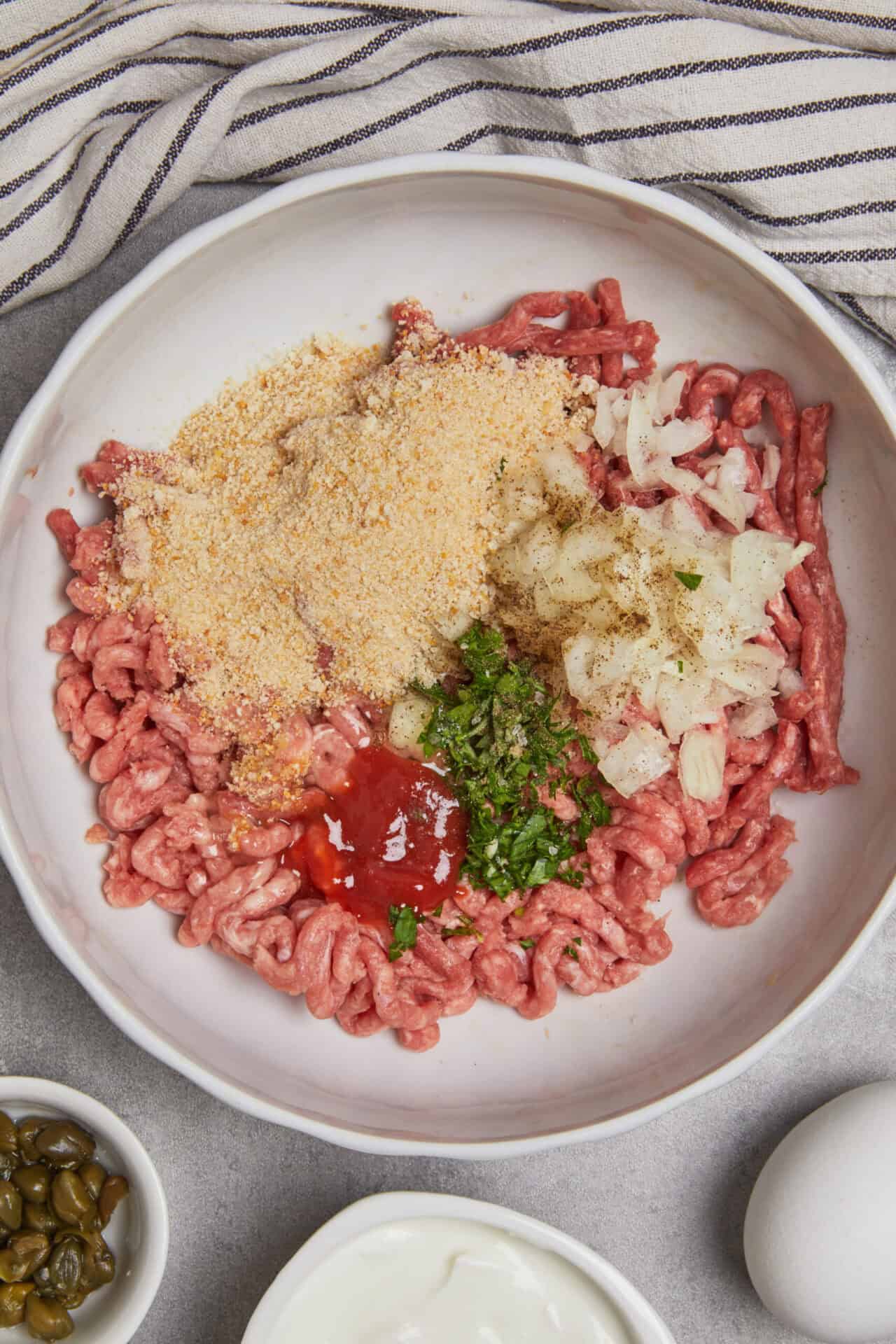
- In a large bowl, combine ground beef, ground pork, breadcrumbs, salt, pepper, chopped parsley, Worcestershire, and onion. Mix well. Beat the egg with the milk and add to the meat mixture, combining thoroughly.
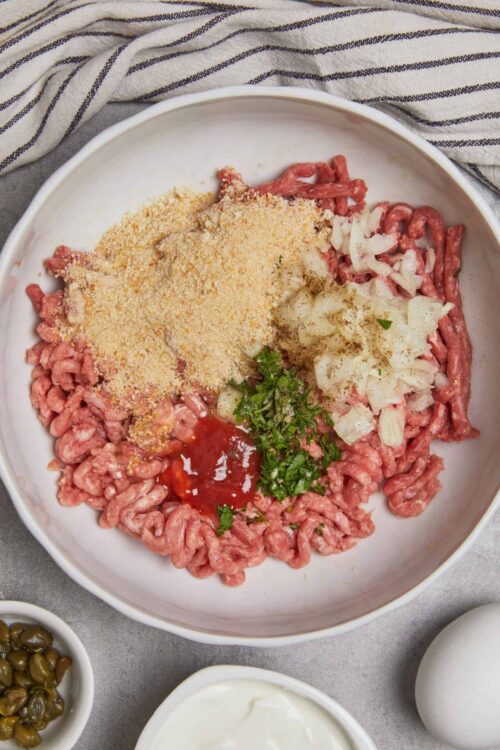
- Using your hands, form the meatball mixture into small balls, about 1-inch wide.
- In a large skillet, melt the butter over medium heat and brown the meatballs on all sides.
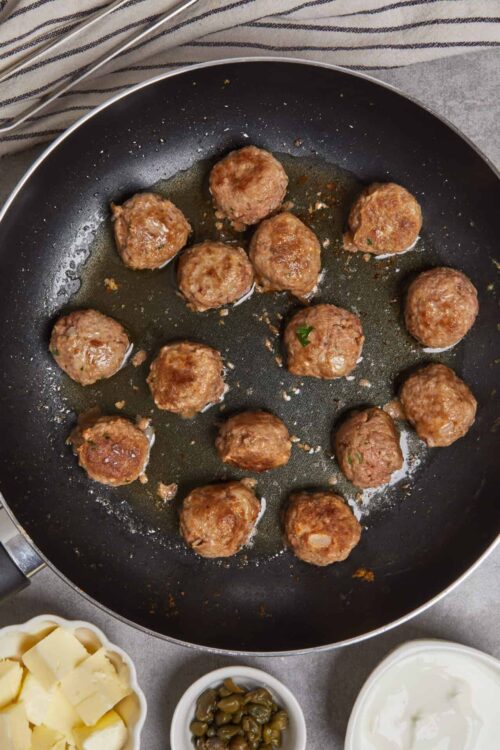
- Remove the meatballs from the skillet. In the same skillet, add flour to the remaining butter and stir to make a roux. Gradually add beef broth, stirring continuously until the sauce thickens.
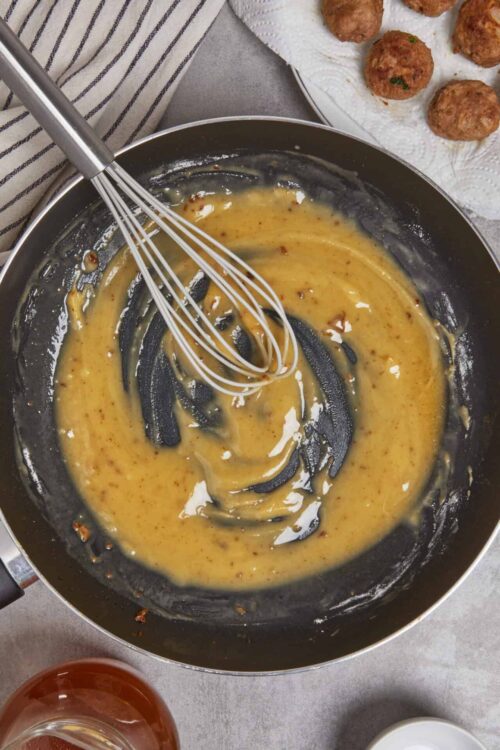
- Return the meatballs to the skillet, add capers, and simmer for 25 minutes. Add more broth while cooking if the sauce becomes thick.
- Just before serving, stir in the sour cream. Avoid boiling after adding sour cream to prevent curdling. Sprinkle with fresh chopped parsley for garnish.

Leave a Comment