

Sharpen your line cook skills with this quick and easy recipe for delivering a perfectly cooked, tender, and beautiful breakfast staple!

The way people like their eggs cooked is as personal as how they take their coffee. I tend toward a simple scramble at home, but that’s only because it’s the easiest technique. But scrambled eggs aren’t exactly conducive to layering into a sandwich or topping avocado toast. For that kind of versatility, you really need to tap into other methods for cooking eggs.
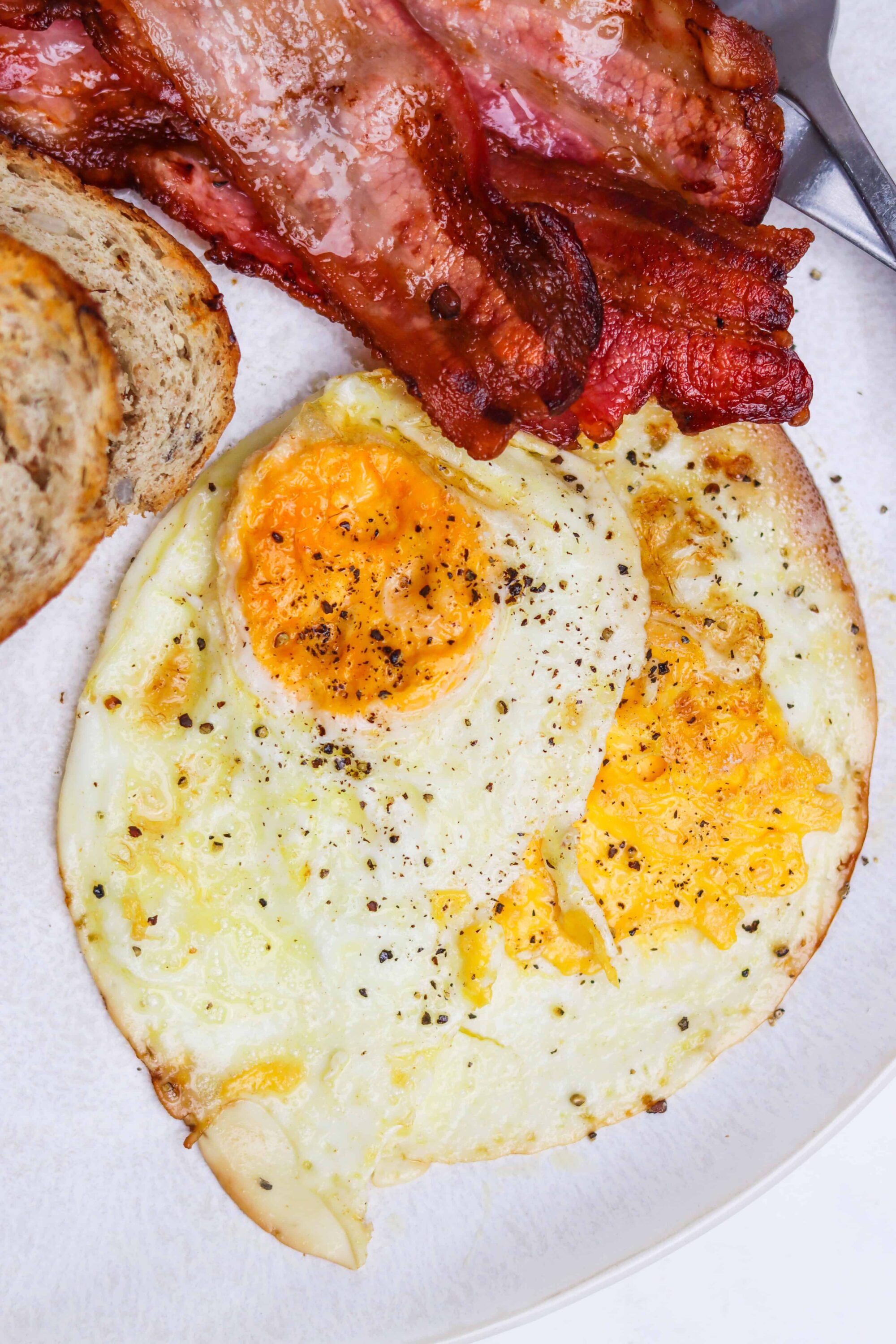
Through more trial and error than I’d like to admit, I expanded my skill set to include delicious over-hard eggs. This recipe will sharpen your line cook chops with the proper technique for serving up unscrambled but perfectly cooked yolks with tender, slightly crispy whites every time!
Whether you’re looking for a quick morning protein bump, an easy lunch, or a savory addition to breakfast for dinner, over-hard eggs are the way to go. This recipe keeps the seasoning classic with just a dash of salt and pepper. But you can personalize your plate by finishing your eggs with a drizzle of flavored oil, a sprinkle of fresh herbs or chili flakes, or a dusting of your favorite spice blend.
Tips for perfect over-hard eggs
Achieving perfect over-hard eggs starts with controlling the heat and ends with mastering the flip.
Consistent medium-low heat makes a big difference, producing tender edges and evenly cooked yolks. High heat will toughen the whites and risk scorching the butter, so keep the flame moderate and watch for the buttery foam before adding eggs.
Wait until the whites set and become opaque before flipping. If the pan is well-greased and the heat is steady, the eggs should lift cleanly. Use a thin, flexible spatula for reliable maneuvering. Slide the edge gently under the eggs to loosen without tearing the whites. Move with a quick yet gentle wrist, aiming for a single, decisive motion rather than multiple small attempts. If you encounter resistance, pause and let the eggs cook for another 30 seconds before trying again. Fully set whites shouldn’t stick and break.
After flipping, puncture each yolk with the spatula and press them gently for a fully cooked center.
How do I store leftovers?
Refrigerate over-hard eggs within 2 hours of cooking them. They’ll keep in an airtight container in the fridge for up to 3-4 days. Reheat gently on the stovetop over low heat or in the microwave at short intervals until warmed through to a safe internal temp of 165°F—but avoid overheating, which will toughen the whites and yolks. Cooked eggs do not freeze well, as the whites will develop an unappetizing, rubbery texture from the freeze-thaw process.
Serving suggestions
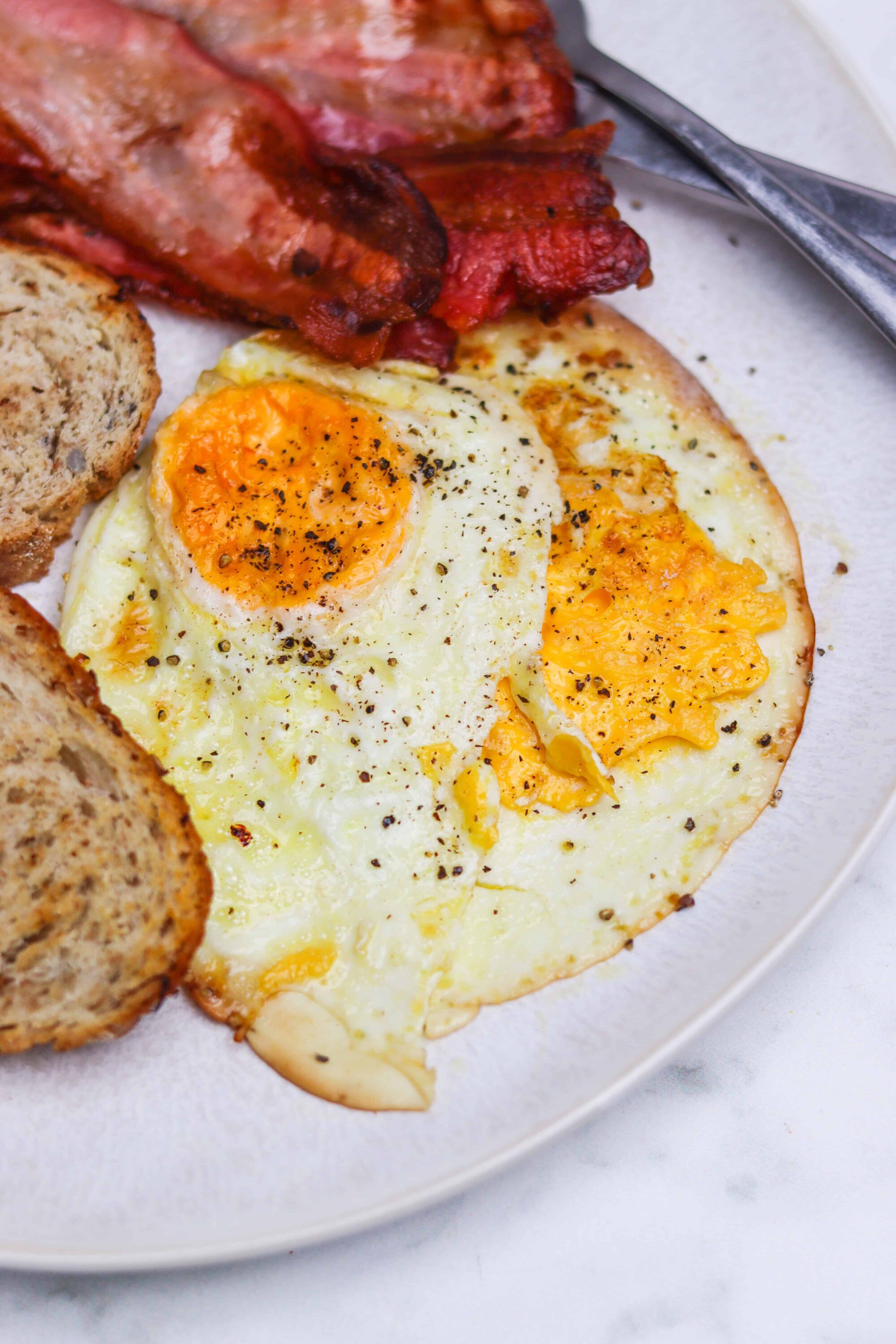
Serve over-hard eggs with all the usual breakfast and brunch staples. Recreate the full diner experience with Bacon In Cast-Iron Skillet or Sausage Patties and Skillet Breakfast Potatoes. Or go into brunch mode by pairing them with Almond Breakfast Rolls, a Tater Tot Casserole, Indulgent Fluffy Blueberry Pancakes, and the amazing culinary achievement that is the Maple-Bacon Donut.

Delicious Over-Hard Eggs

Ingredients
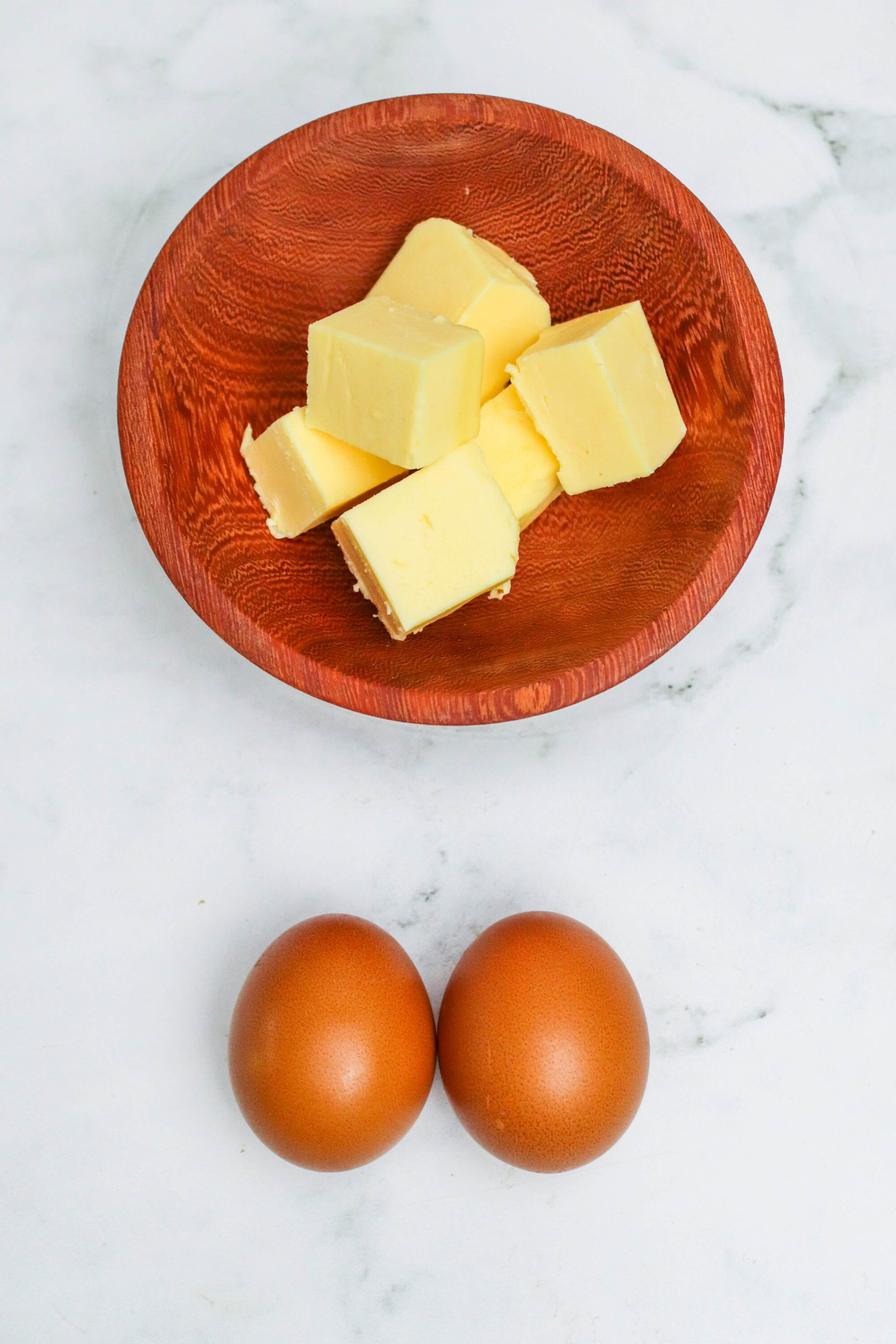
- 1 tablespoon butter
- 2 fresh eggs
- Salt and pepper to taste
Instructions
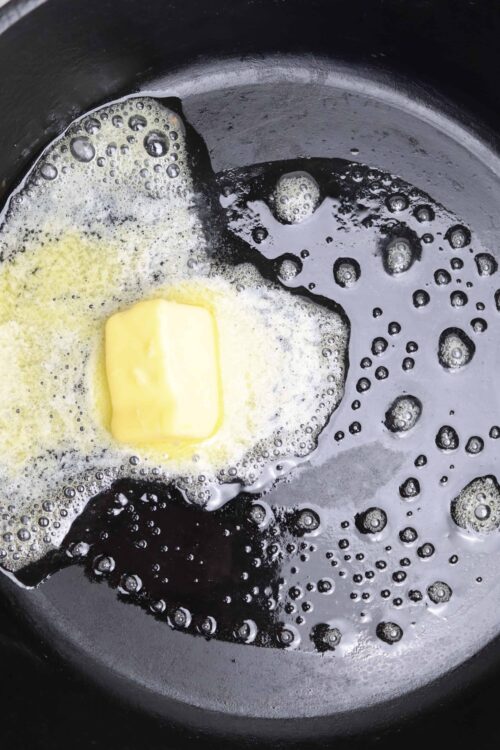
- Heat the butter in a nonstick pan or a cast-iron skillet over medium-low heat until it melts and foams.
- Crack the eggs into the pan. Sprinkle with a pinch of salt and pepper.
- Let the eggs cook undisturbed for 2–3 minutes, until the whites have set and look fully opaque.
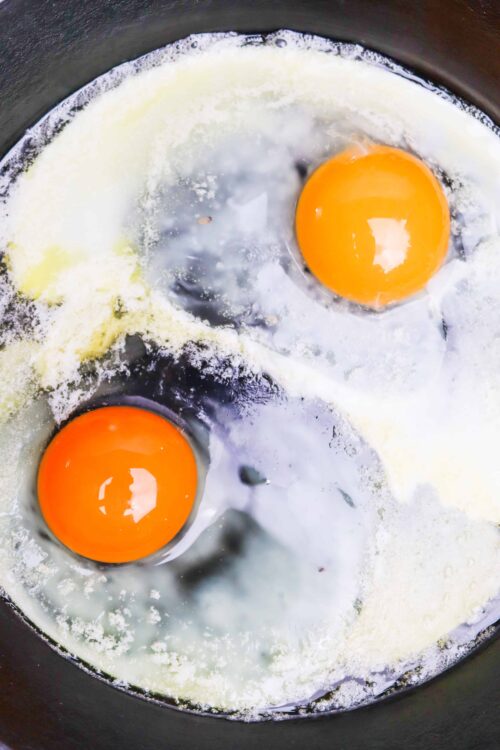
- Carefully flip each egg with a thin spatula. As soon as you flip, gently break each yolk with the spatula’s edge, pressing it down so it spreads beneath the white.
- Cook for another 2–3 minutes, until both the yolks and whites are firm and the edges are a little crisp.
- Remove the eggs from the pan and serve immediately.


Leave a Comment