

Cast iron is the key to the most crispy bacon ever!
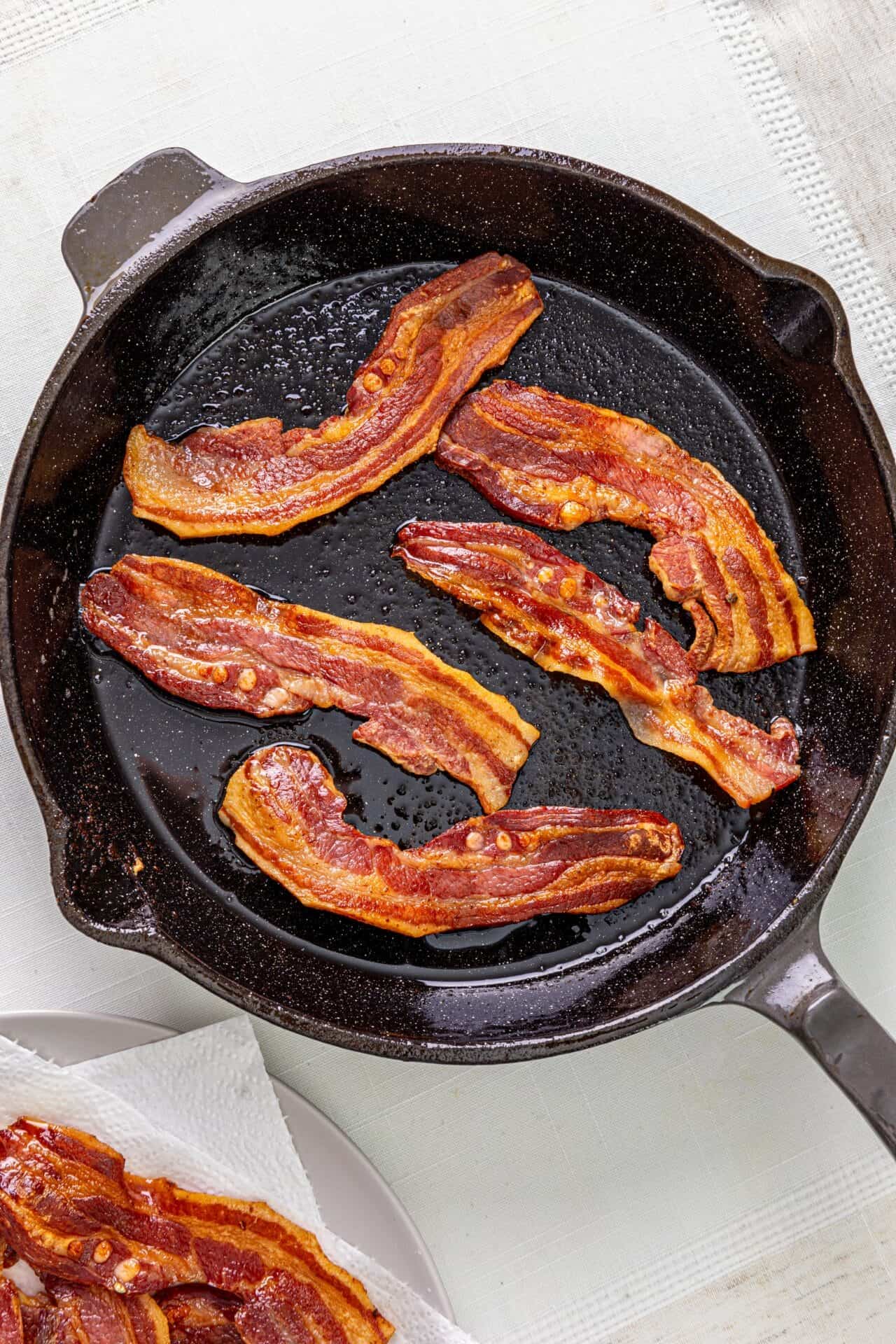
I love my cast-iron pan. I’ve had the same one for many years, and, like an old friend, it never lets me down. It’s perfect for searing meat before transferring to the oven to complete the cooking. I also rely on it for frying potatoes, making the best grilled cheese, and so much more. Recently I’ve discovered that my favorite way to cook bacon is in my cast-iron skillet: it’s easy, quick, and because of the pan’s ability to retain heat, the bacon comes out perfectly crisp and delicious.
Cast-iron cooking has been around for ages. The Chinese were perhaps the first people to use it, a couple of thousand years ago, before it spread to other parts of the world. But then in the 1960s and 70s, Teflon and other nonstick pans appeared on the culinary scene, and cast-iron cooking fell out of favor. In the last several years, however, cast iron has reemerged as a preferred way to cook, partly because of celebrity chefs touting traditional cooking methods that call for these old-school, extremely durable skillets. The material has a high heat capacity and sustains a consistent temperature, which makes it ideal for even cooking. Plus, cast-iron pans are virtually indestructible, and when you take proper care of them (see notes below for the best way to do this), they will not only pretty much last forever, but they also improve with each use.
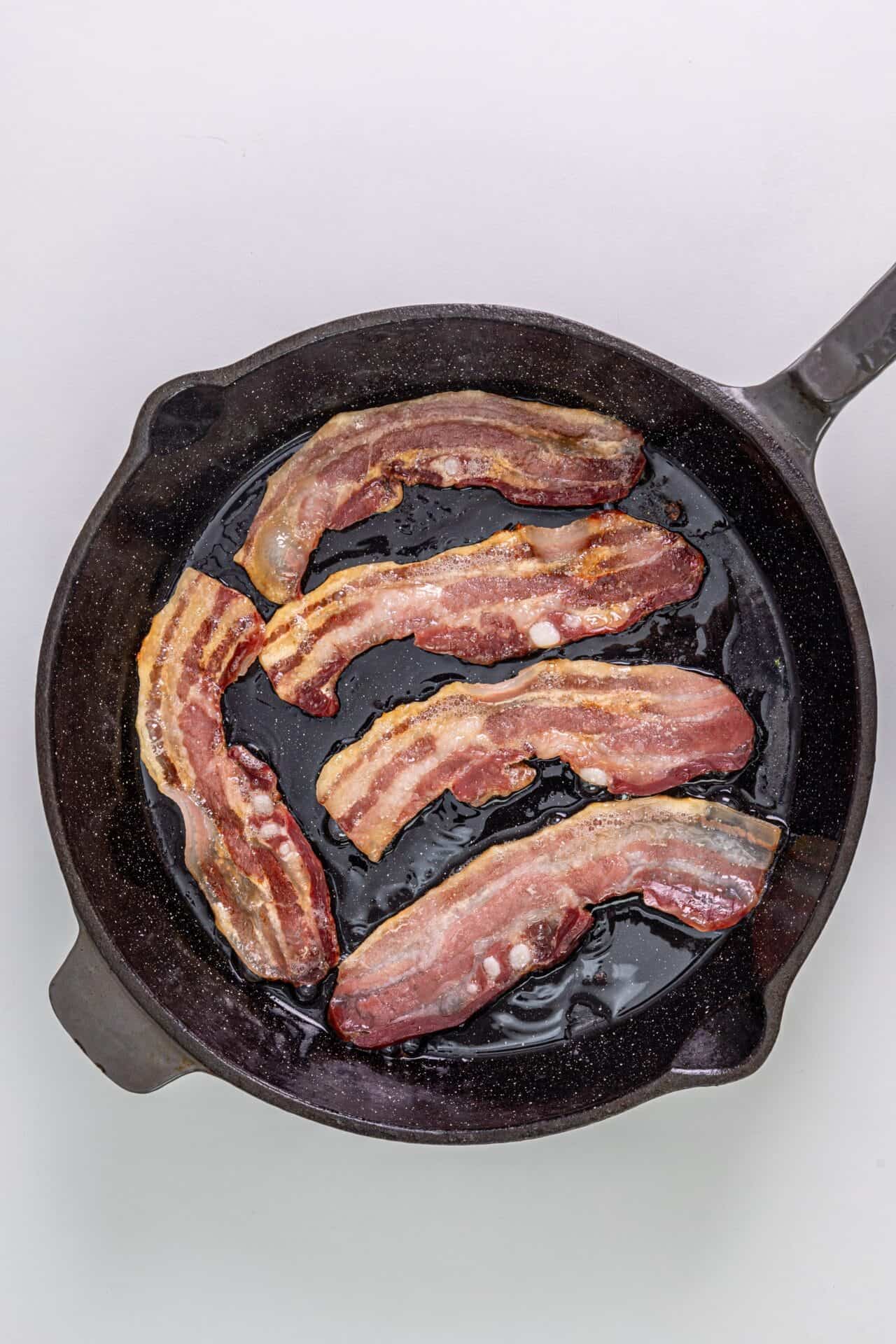
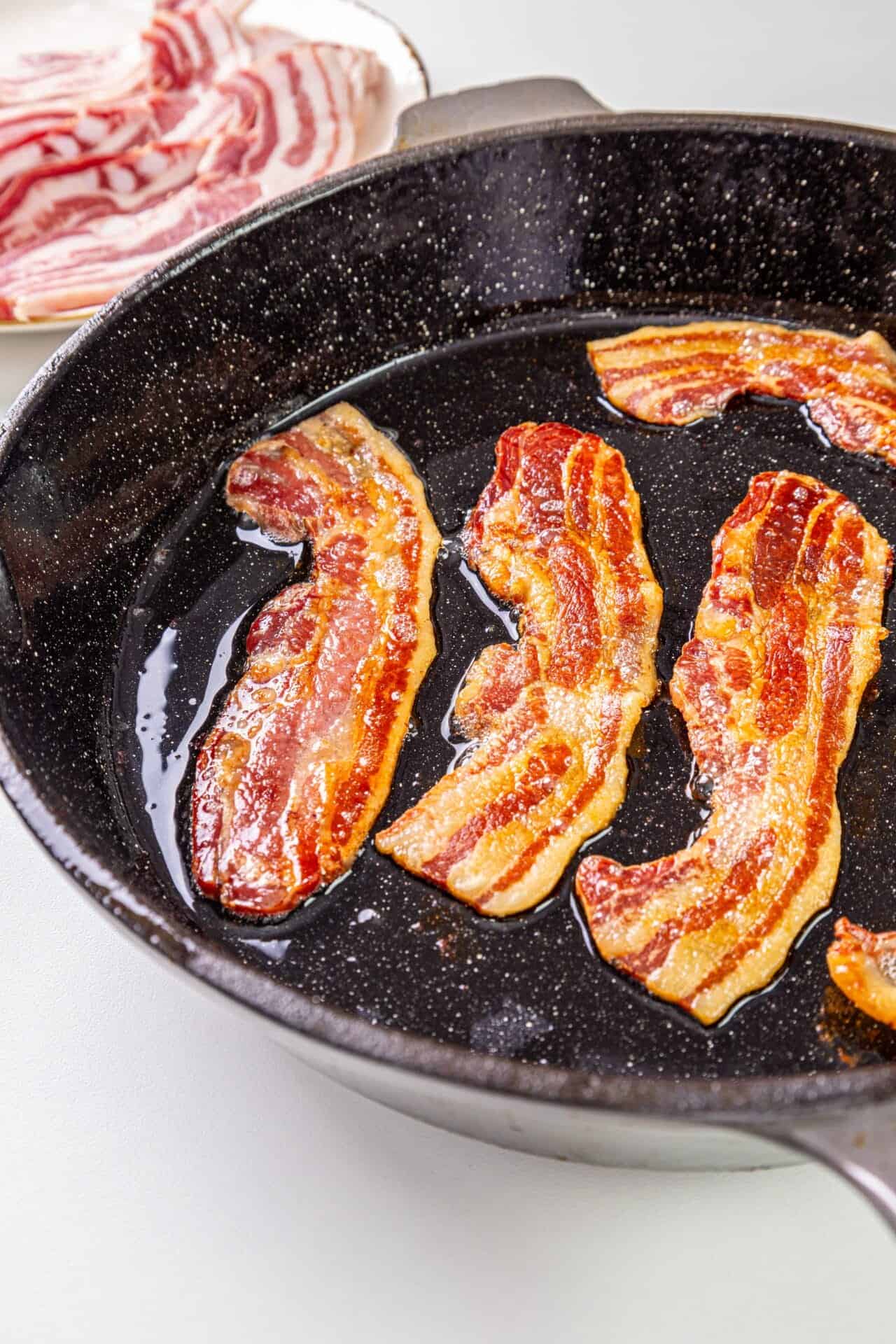
The key to cooking bacon in a cast-iron skillet is to start with a cold pan. Lay your bacon down, and as the pan heats, the fat will begin to render out. Sometimes bacon can curl up as it cooks, but you can flatten it with a spatula or purchase a cast-iron press to keep the bacon flat. Medium-low heat is best: the pan and the bacon heat up at the same time, allowing you to achieve the level of delectable crispiness you desire.
For a quick, delicious breakfast sandwich, split and toast English Muffins and cook up some Sunny-Side Eggs while your bacon is frying in your cast-iron pan. Put everything together with your favorite sliced cheese and enjoy!
Seasoning Your Cast-Iron Pan
Seasoning is the term that refers to the way oil is baked into your cast-iron pan, preserving its integrity; the oil seals the cast iron’s porous surface and keeps foods from sticking, as well as prevents the pan from rusting. Proper care of your cast-iron pan will include seasoning it after each use.
First, wash the pan. There’s a lot of debate about whether you should use soap when cleaning cast iron, so I’ll offer this: if you can clean it with just water, great; if not, a bit of mild soap and gentle scrubbing is fine. Once your pan is clean, place it on the stovetop on low heat until all the moisture disappears and the pan is completely dry. Next, the seasoning: Very carefully (because your pan will be hot), put a small amount of cooking oil into the pan, and with a paper towel, rub the oil all over the inside and outside of your pan, including the handle. Keep rubbing and buffing until the pan no longer looks greasy. At this point, many people put the pan in a 350-degree-Fahrenheit oven for 45 minutes to an hour to further seal in the oil layer. This process is very effective, but if you are cooking with oil in your cast-iron pan on a regular basis and then rubbing the oil into the clean skillet after each use, you will be seasoning your cast-iron pan just fine.
Ingredients
- 1 pound thick-cut bacon
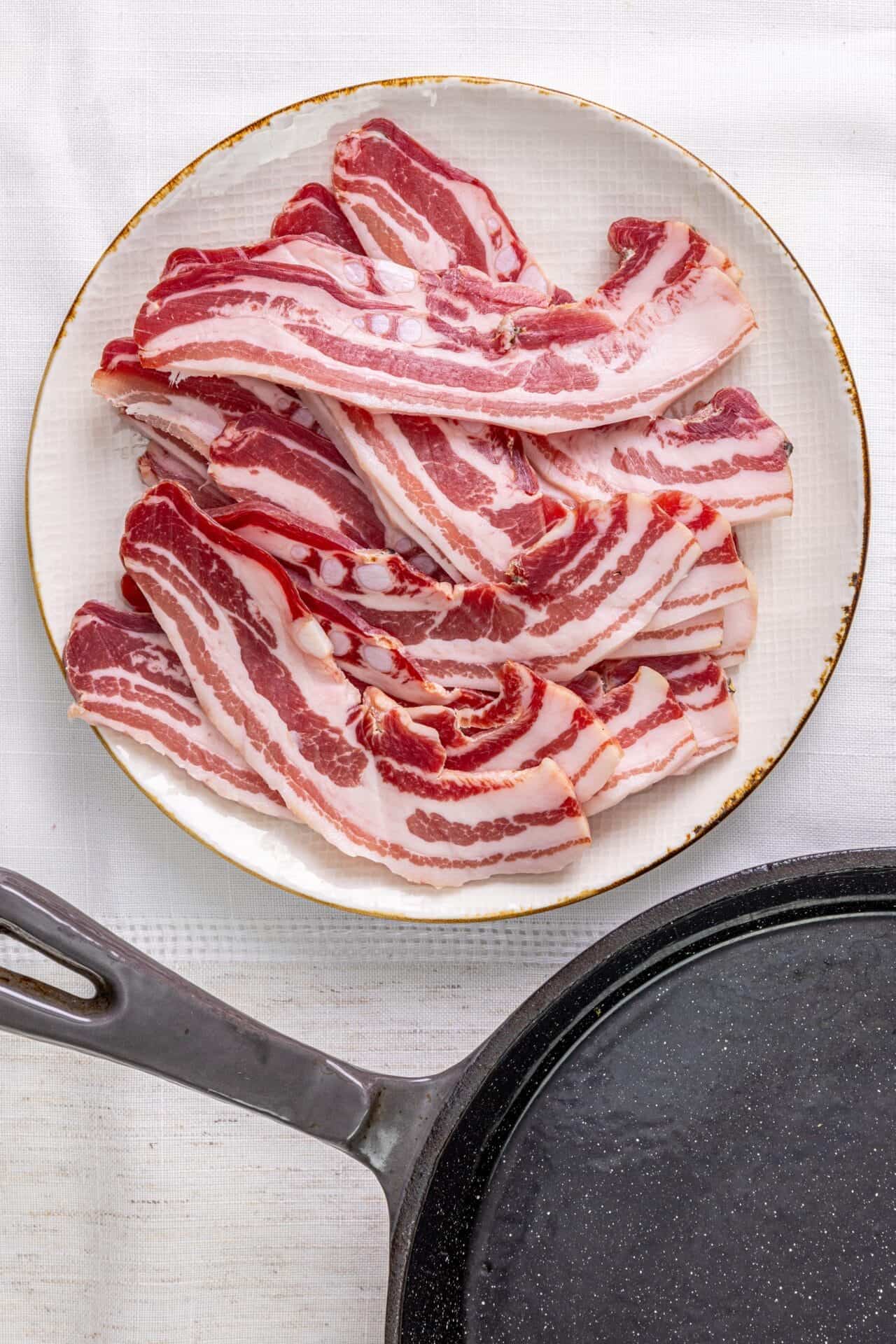
How To Make Bacon In Cast Iron
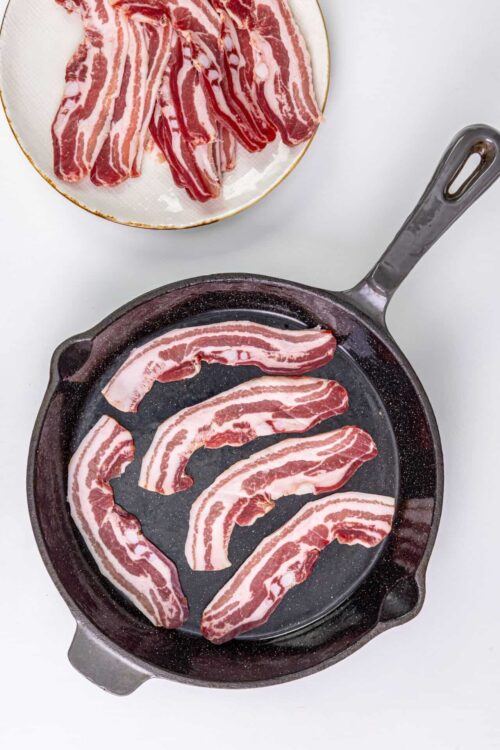
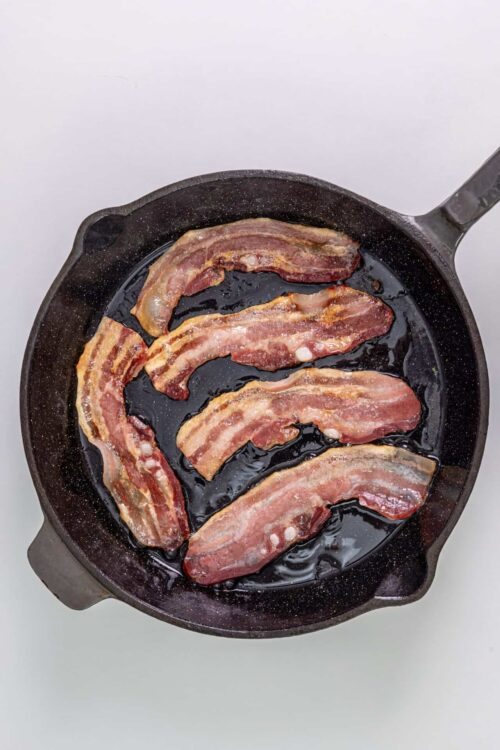
Step 1: Place the bacon strips in a cold cast iron skillet, arranging them in a single layer without overlapping.
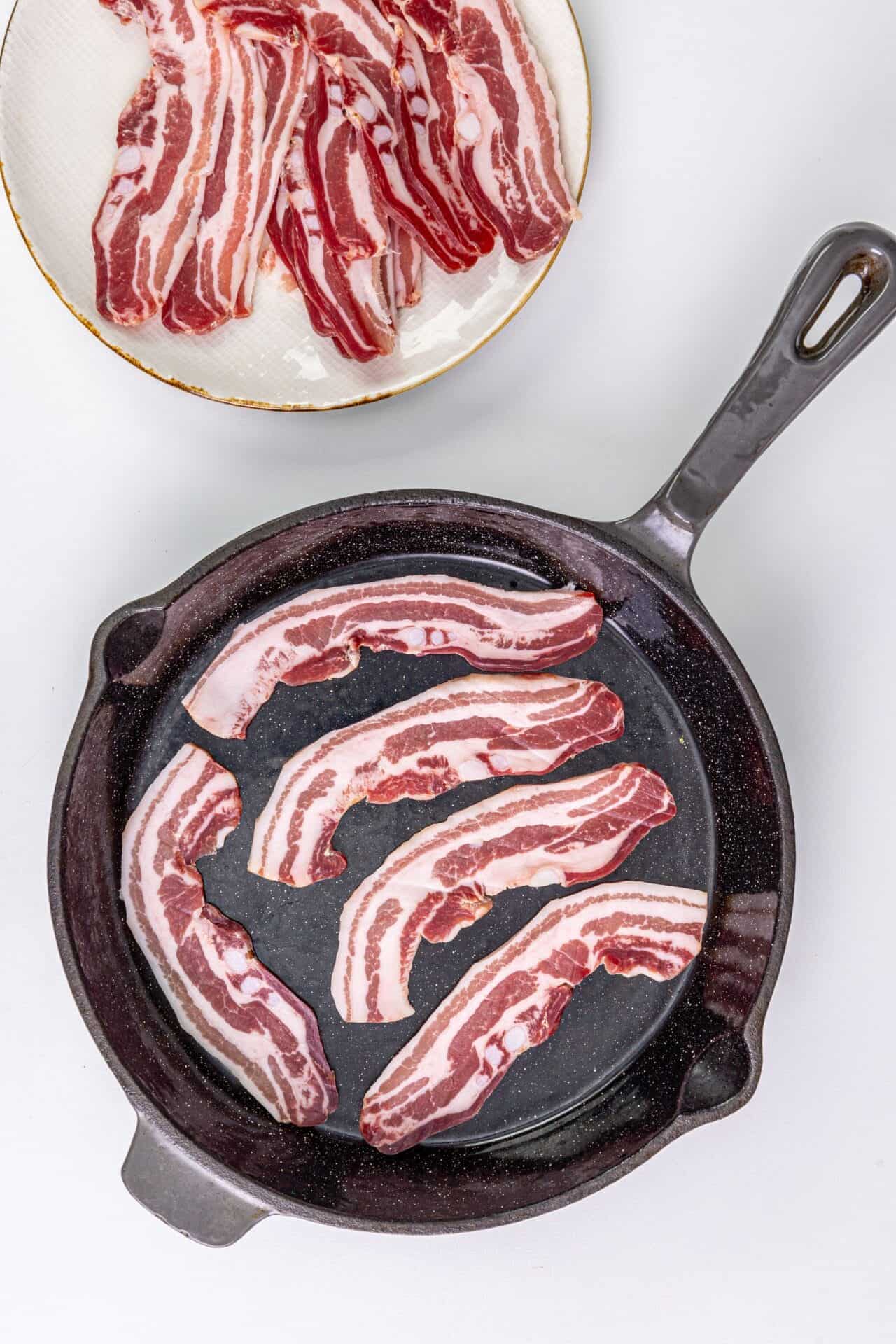
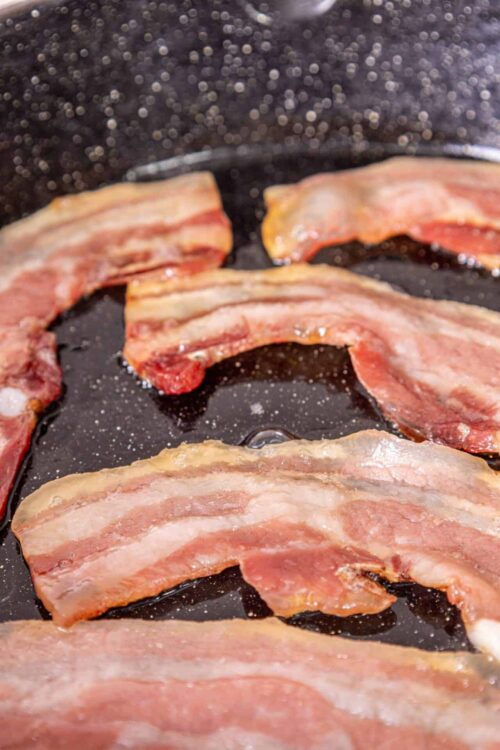
Step 2: Set the skillet on the stove over medium-low heat, allowing the bacon to slowly heat up and render its fat.
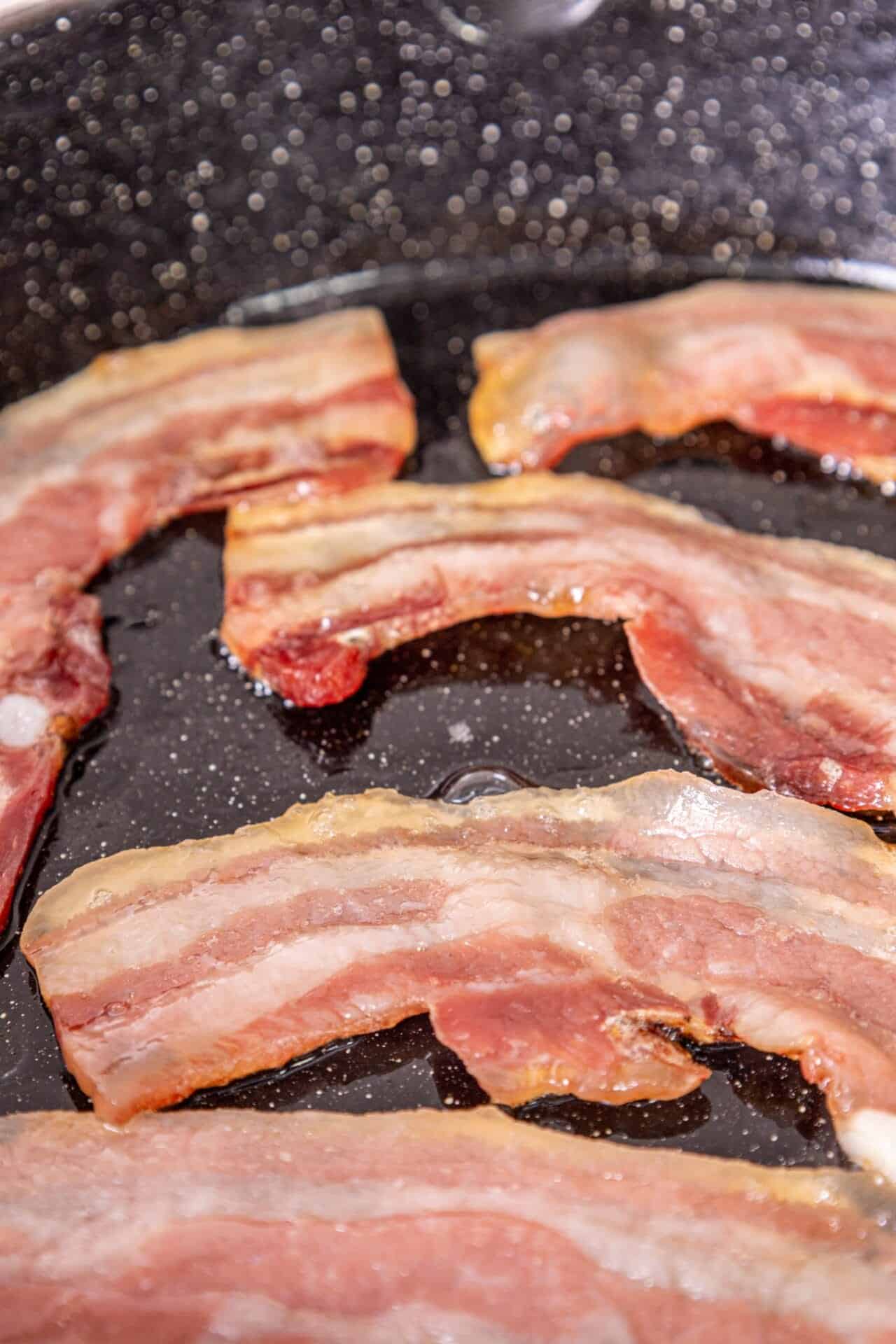
Step 3: Cook the bacon for about 10-12 minutes, then use tongs to flip the strips over. Cook for another 3-5 minutes, or until the bacon reaches your preferred level of crispiness.
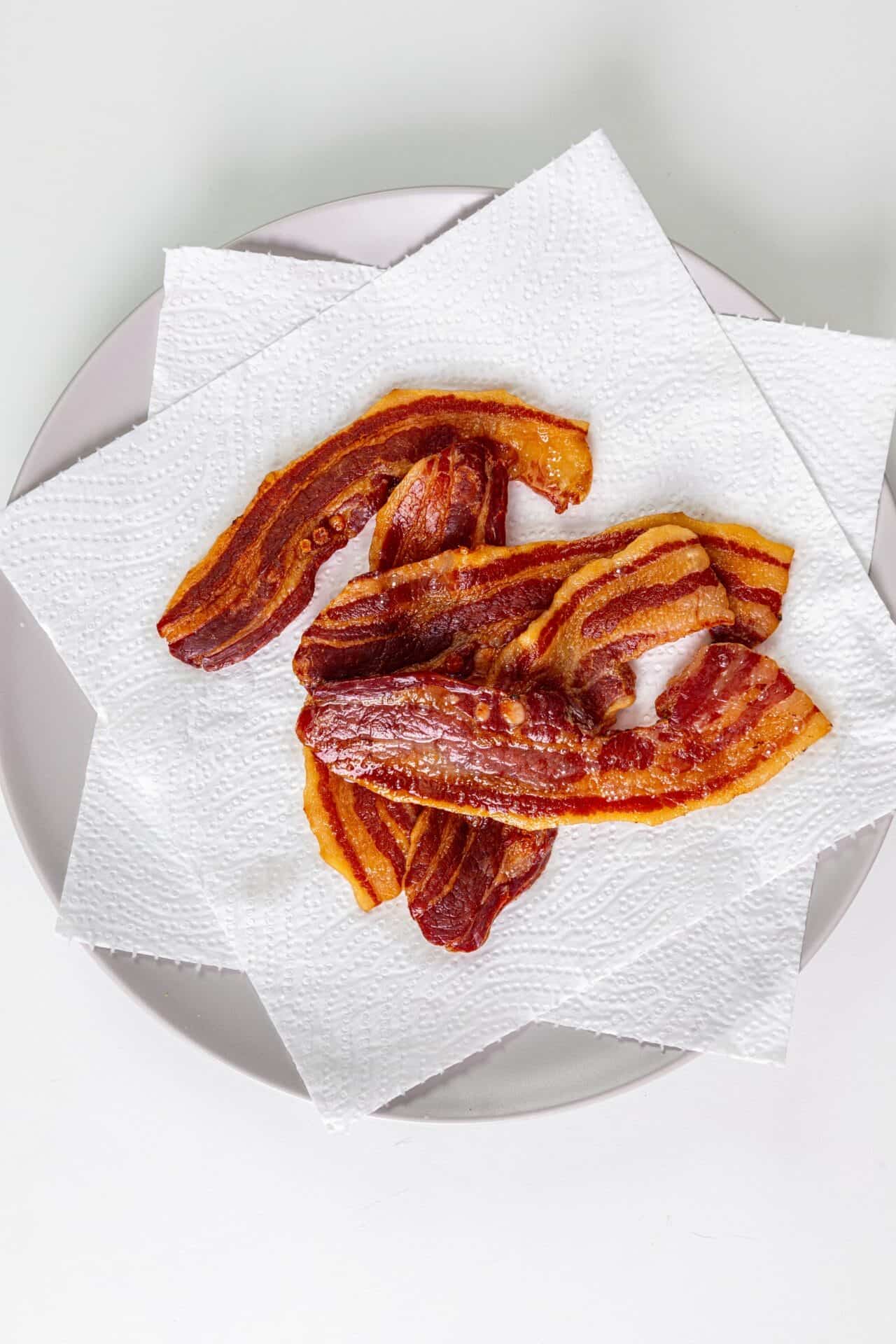
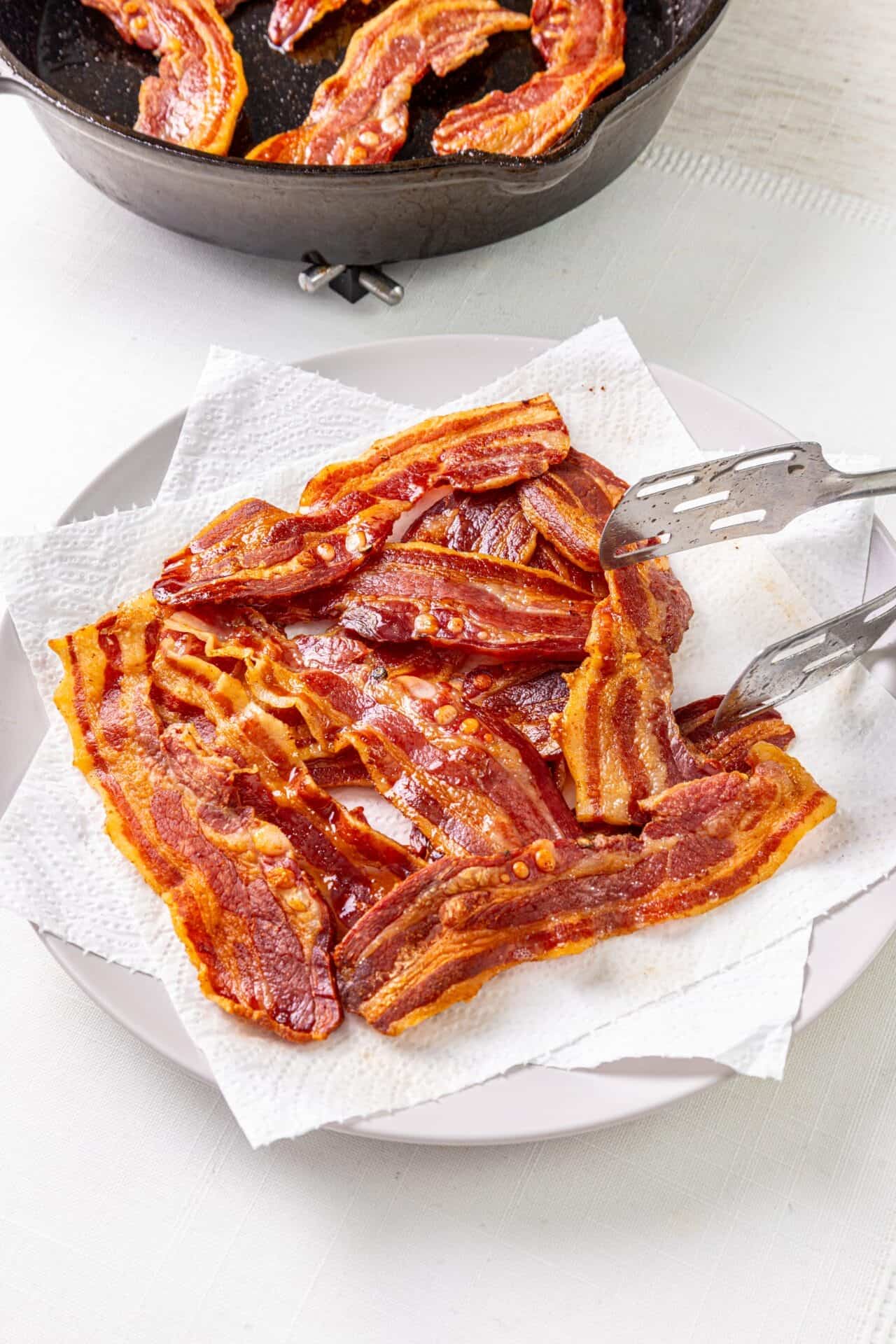
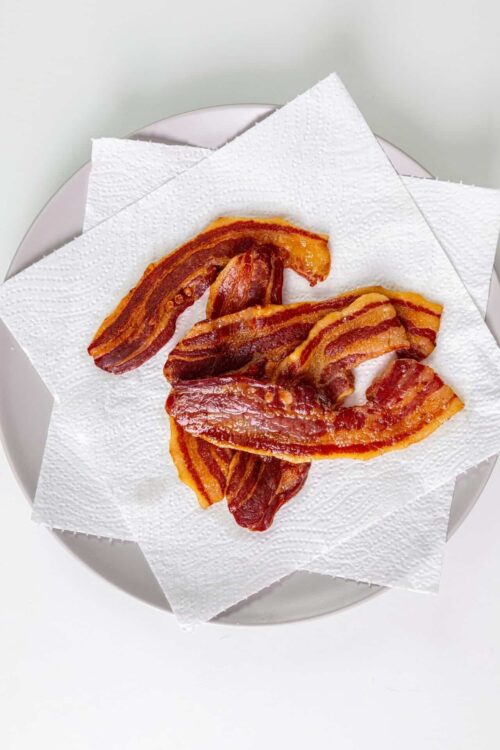
Step 4: Once cooked, transfer the bacon to a plate lined with paper towels to drain excess grease.
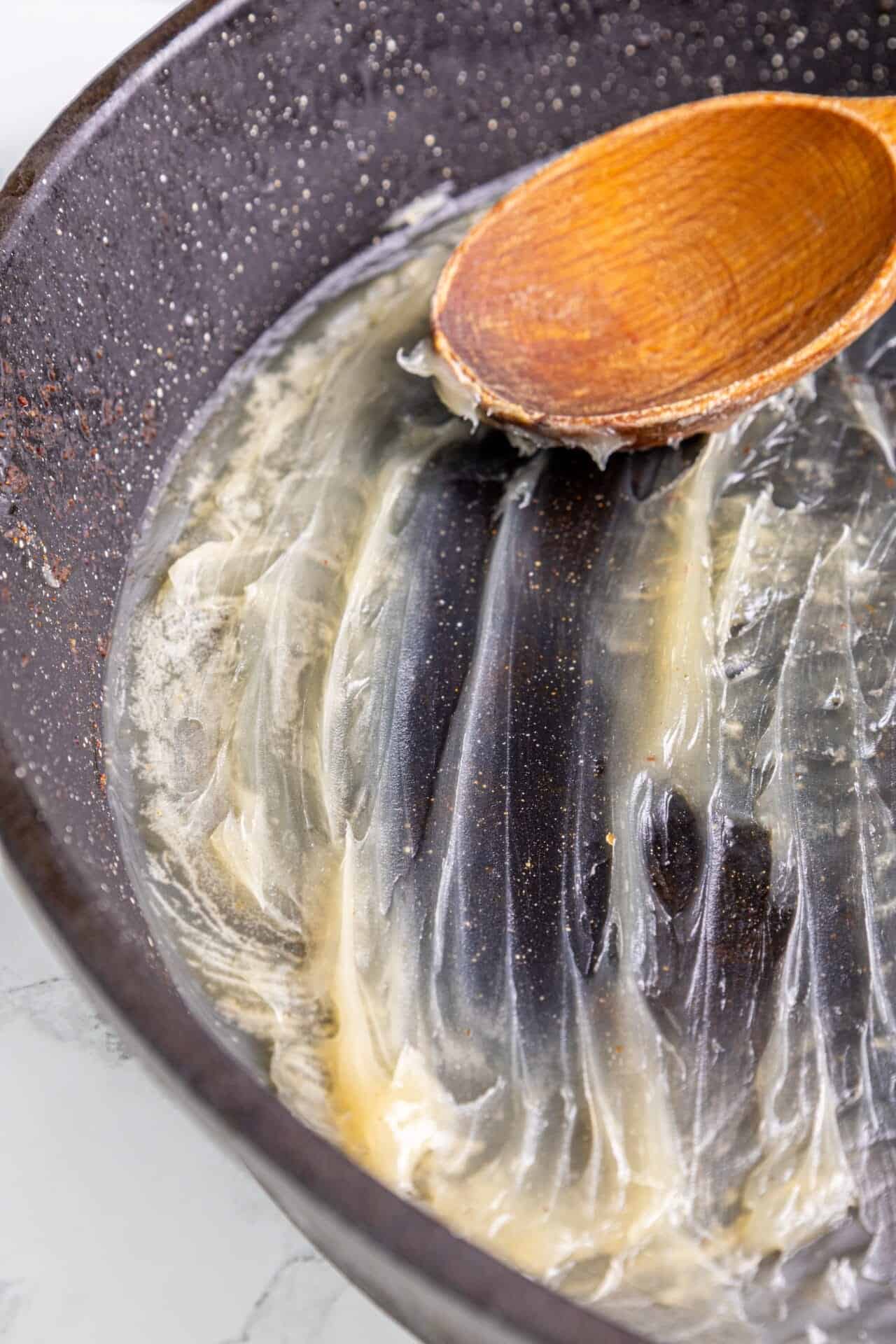
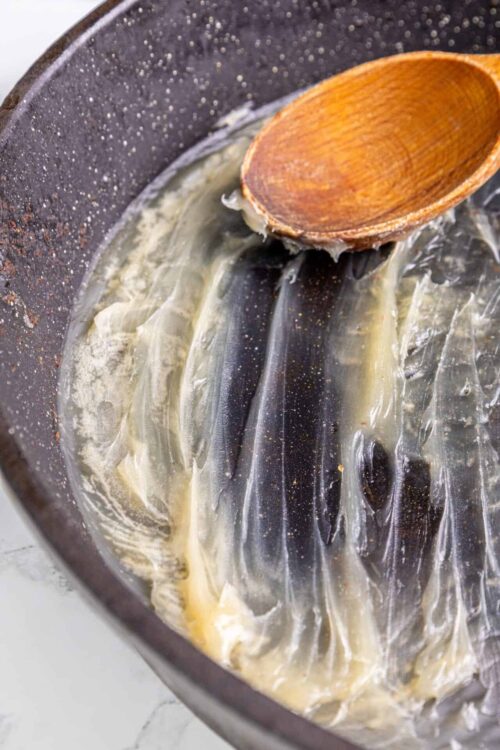
Step 5: After cooking, let the bacon fat in the skillet cool down before safely discarding or storing it for future use.
FAQs & Tips
How To Make Ahead And Store
Store leftover cooked and cooled bacon in an airtight container in the refrigerator for up to 4 days and for up to 3 months in the freezer (thaw frozen bacon in the fridge overnight). You can reheat the bacon on a paper towel in the microwave at 10-second intervals.
Does This Method Work With Turkey Bacon?
Yes. Turkey bacon will come out perfectly crisp using this method in your cast-iron pan.
Can You Season Your Cast-Iron Pan With The Leftover Bacon Fat?
Yes, and some people swear by this method. You can also store leftover bacon grease in an airtight container in the fridge for up to 3 months and not only use it to season your cast-iron pan, you can cook with it, too!
Serving Suggestions
Cast-iron bacon is great with anything you normally do with crispy bacon, but here are some of my favorite things. First, a spectacular riff on the traditional BLT: toast up some thick slices of Honey-Wheat Sunflower Bread and spread each slice with a generous amount of Pimento Cheese. Next, cook up your cast-iron bacon. Once crisp, transfer to paper towels, pour most of the grease into a container, and then fry these Fried Green Tomatoes in the remaining bacon fat. Add the bacon and tomatoes to your sandwich with your choice of fresh greens (I love arugula here) and dig in!
Another delicious thing to do with the bacon is to place slices on top of these crunchy Potato Latkes that have been spread with tangy, velvety Cashew Cream and then garnish the plate with Oven-Dried Apples (because sour cream and applesauce are both traditional toppings for latkes!).
Bacon In Cast Iron

Ingredients
- 1 pound thick-cut bacon
Instructions
- Place the bacon strips in a cold cast-iron skillet, arranging them in a single layer without overlapping.
- Set the skillet on the stove over medium-low heat, allowing the bacon to slowly heat up and render its fat.
- Cook the bacon for about 10-12 minutes, then use tongs to flip the strips over. Cook for another 3-5 minutes, or until the bacon reaches your preferred level of crispiness.
- Once cooked, transfer the bacon to a plate lined with paper towels to drain excess grease.
- After cooking, let the bacon fat in the skillet cool down before safely discarding or storing it for future use.

Leave a Comment