

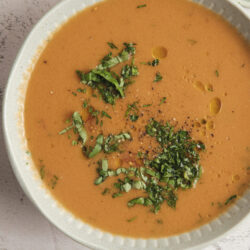
This bright, fresh, delicious chilled soup is a garden in a bowl.
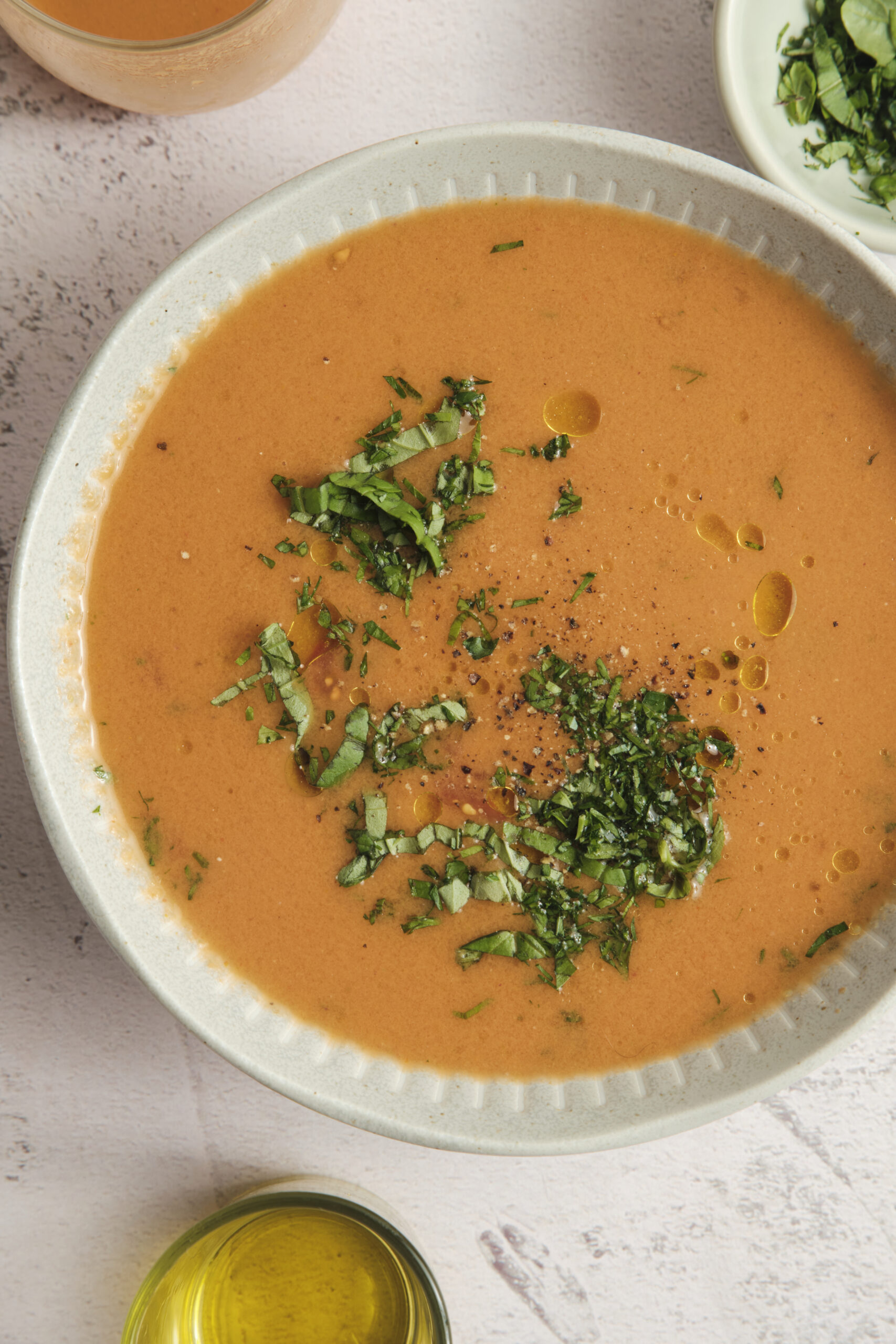
A salad comprised of tomatoes, cucumbers, peppers, and onions that is dressed with olive oil and vinegar is a crunchy, refreshing accompaniment to pretty much any meal. But when you blend those ingredients into a chilled soup, the flavors marry and meld to deliver a delicious, savory flavor that has characteristics of each of its components, yet possesses its own unique depth and complexity. Of course, I’m talking about gazpacho, a lovely soup that is full of healthy veggies and requires no cooking.
Gazpacho is a traditional Spanish soup that is usually tomato-based and served cold. It’s made with fresh vegetables, olive oil, and vinegar. In some versions, bread or almonds are added as thickeners. Most food historians agree that gazpacho originated in Andalusia, Spain, around the 8th century (when the region was actually called Al-Andalus), though that first version was made from stale bread, garlic, olive oil, salt, and water. When tomatoes first arrived in Spain in the 16th century, they were not immediately incorporated into gazpacho, but by the 19th century, gazpacho as we know it today was very popular.
Our gazpacho recipe is quite simple to prepare, and the result is a cold, vibrant blend of garden-fresh flavors enriched by the olive oil and brightened by the sherry vinegar, which also supplies a wonderful tanginess. It’s a perfect summer dish, though we enjoy it year-round.
Different kinds of gazpacho
The defining characteristic of a gazpacho is that it is made with blended fresh vegetables and/or fruits, includes olive oil and vinegar, and is served cold. Beyond that, there are seemingly endless variations. While tomato-based red gazpachos are possibly the most familiar, there are white versions that are made with blanched almonds, garlic, stale bread, and olive oil, to which cucumbers, green grapes, and shallots are sometimes added. Green gazpachos feature green bell peppers, cucumbers, spinach or other leafy greens, and fresh herbs. Some cooks even add avocado. There are also fruit gazpachos, where fruits—often cantaloupe or watermelon—are blended with orange and/or lime juice and some mint. Once you perfect the technique, which is very simple to do, you can be creative and make a gazpacho out of whatever fresh vegetables and fruits are in season.
How do I store leftovers?
Stored in an airtight container, gazpacho will last in the refrigerator for 3-4 days; it may separate, so just stir or shake it. You can also freeze gazpacho in an airtight container for up to 3 months. Thaw overnight in the fridge before serving.
Serving suggestions
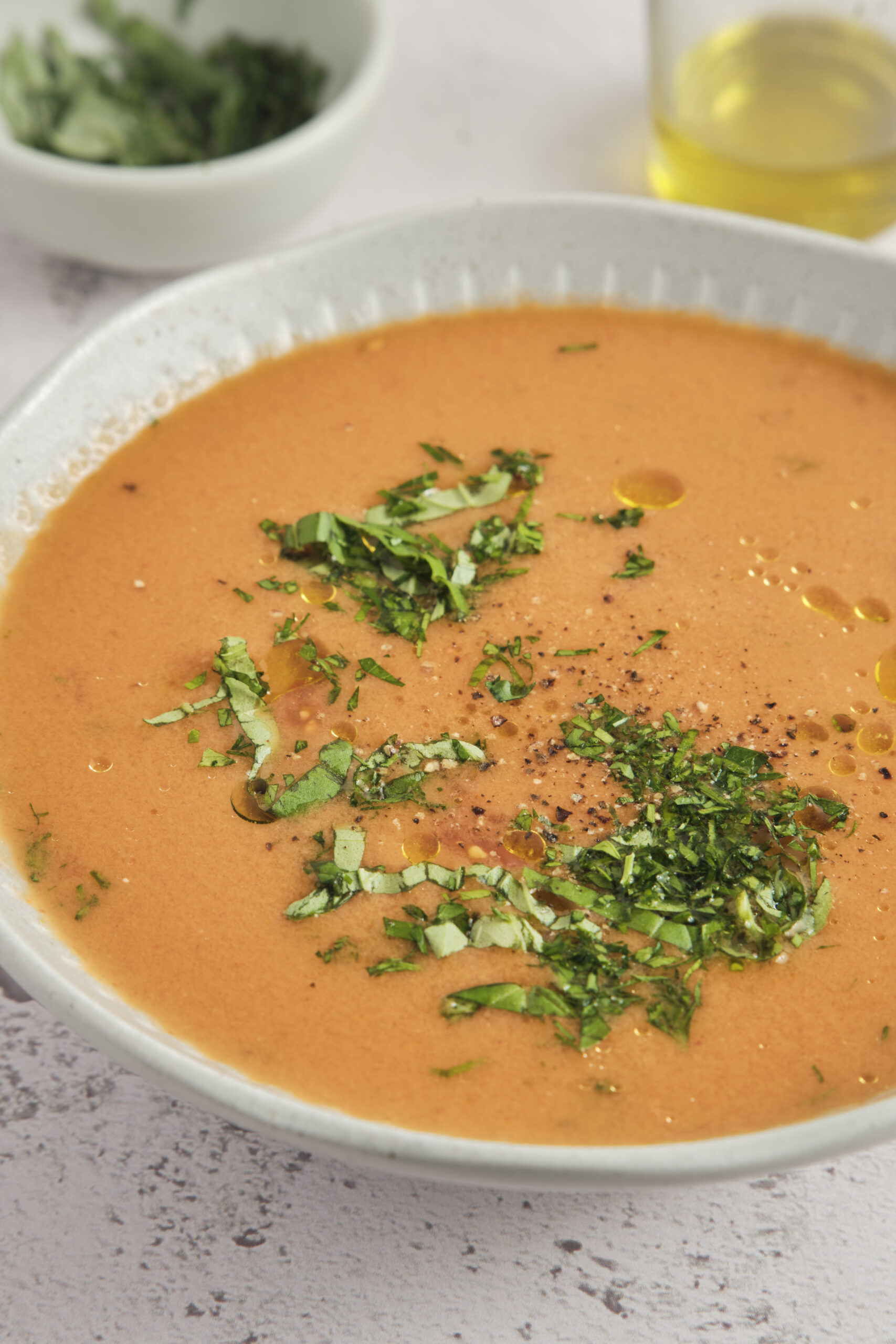
Gazpacho needs to be made at least two hours ahead so it can chill properly and the flavors can meld. I love to serve it when I’m entertaining. An added bonus is that, like salad, gazpacho goes with nearly everything. A wonderful summer meal that my guests have loved includes gazpacho, a Grilled Romaine Salad, a platter of Garlic Butter Shrimp, and a good, crusty bread like Ciabatta Bread with Homemade Butter, Bread Dipping Oil, and Homemade Boursin Cheese. But don’t save gazpacho just for guests! A very popular weeknight dinner around here starts with gazpacho garnished with Homemade Croutons, followed by a Cucumber And Onion Salad, either this Baked Omelette or a classic French Omelette (depending on how much time I have), and some simple but delicious Roasted Red Potatoes.
Gazpacho Recipe

Ingredients
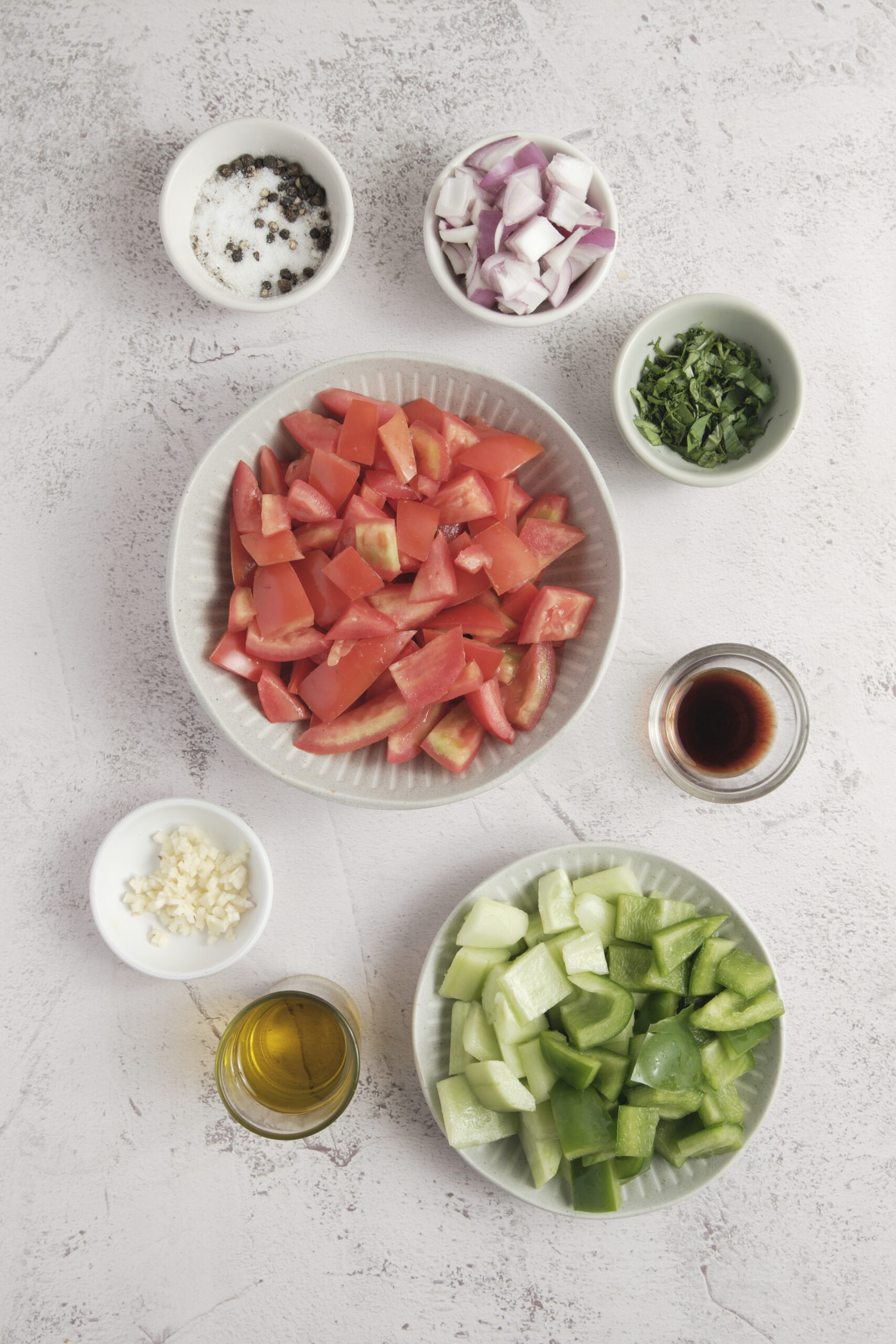
- 2 pounds ripe tomatoes cored and chopped
- 1 small cucumber peeled, seeded, and chopped
- 1/2 small green bell pepper seeded and chopped
- 1 small red onion chopped
- 2 garlic cloves chopped
- 1/3 cup extra-virgin olive oil
- 1 tablespoon sherry vinegar
- Kosher salt to taste
- 1/2 teaspoon freshly ground black pepper
- Chopped fresh herbs such as parsley, mint, or cilantro (for garnish)
Instructions
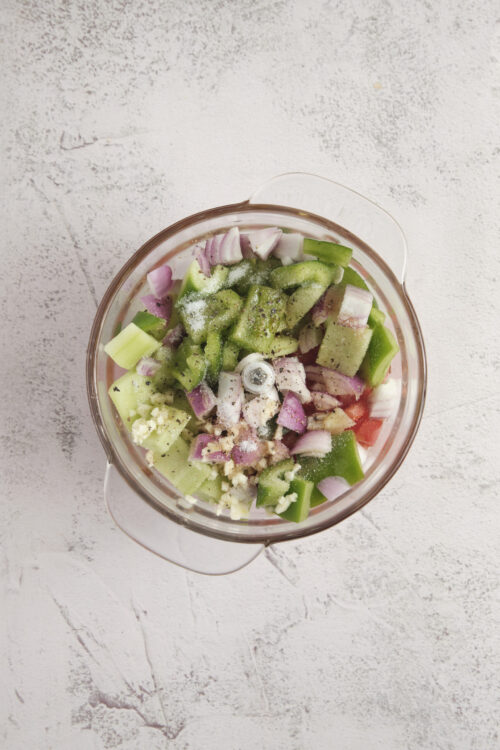
- In a blender, combine the chopped tomatoes, cucumber, green bell pepper, red onion, and garlic. Add the olive oil, sherry vinegar, salt, and black pepper. Blend until the mixture is smooth.
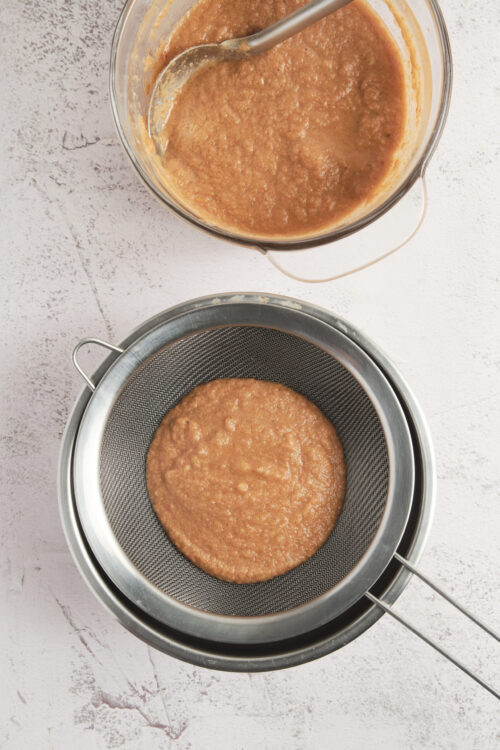
- Pass the mixture through a fine-mesh strainer, pressing all the liquid out with a spatula or the back of a ladle. Discard the solids.
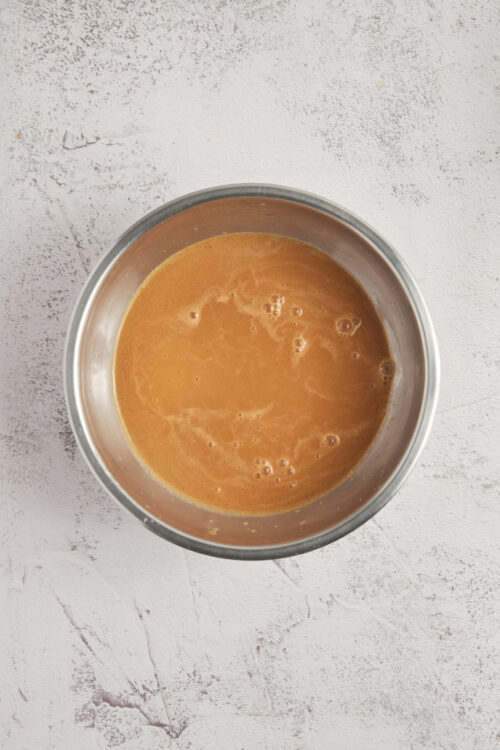
- Taste the soup and adjust the seasonings if needed. Cover and chill in the refrigerator for at least 2 hours. If the soup is too thick, add a few tablespoons of ice water and stir.
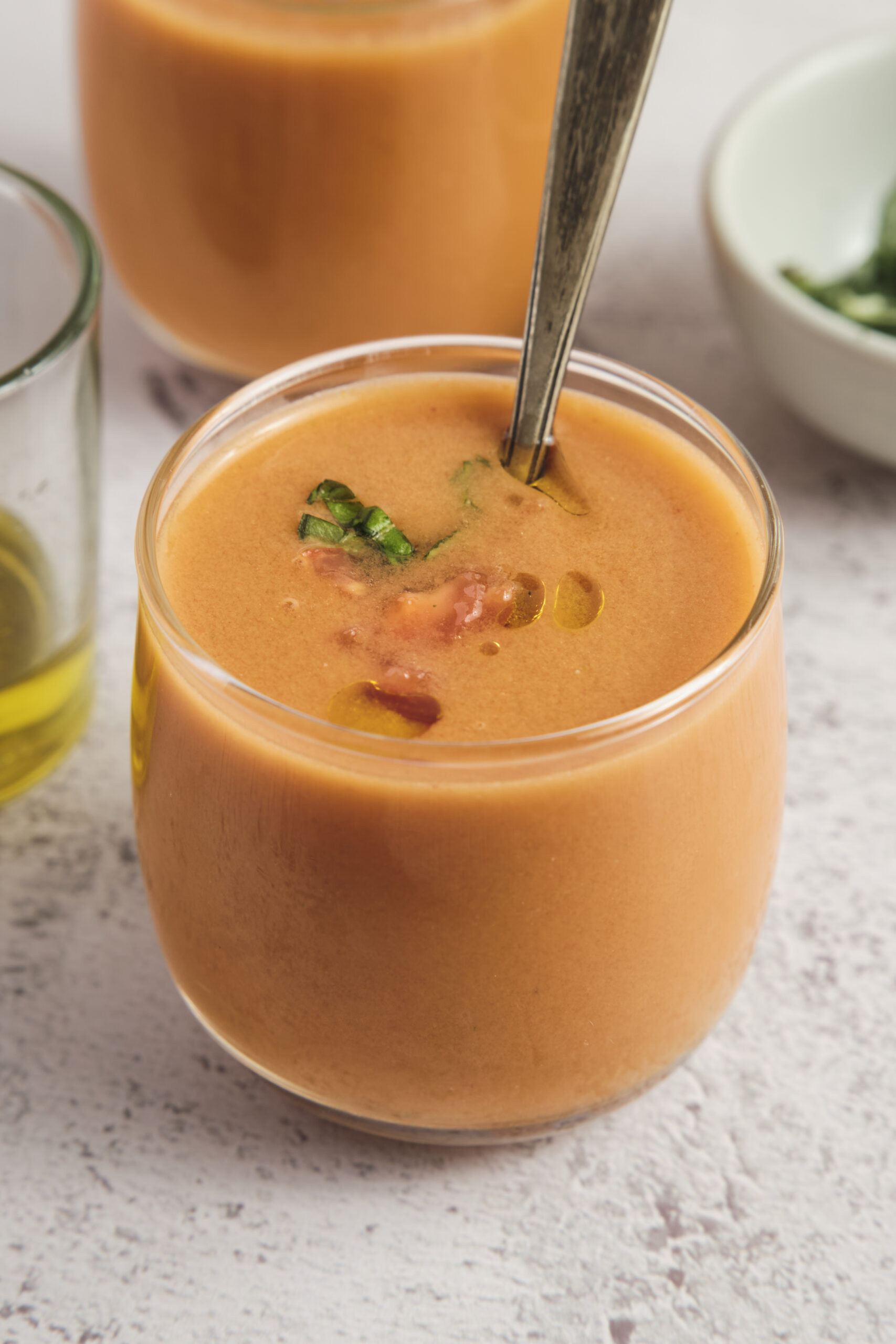
- Garnish with fresh herbs and serve cold for a refreshing treat.




Leave a Comment