

Say goodbye to store-bought seasoning blends for your favorite fish recipes.
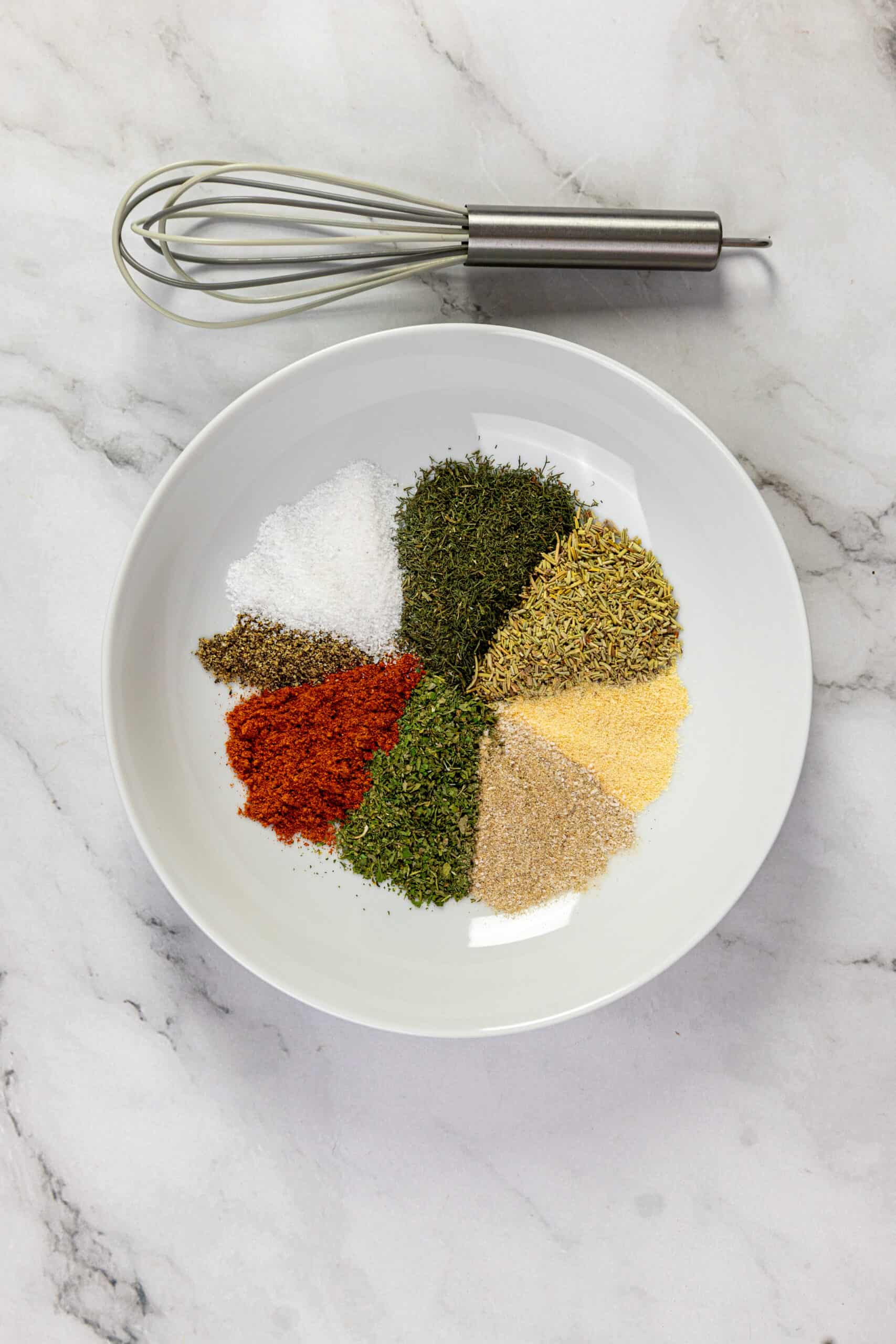
Every six months or so, I clean out my spice cabinet. I check all the best-by dates and dispose of things that are way past, especially ones I don’t use that often (goodbye dried fenugreek leaves from 2019), and then replace them with new ones. But the thing I love best about this overhauling is that it inspires me to either use spices I’ve forgotten about or combine ones I rely on to produce something new—
like this delicious fish seasoning.
Like many people, when I think about seasoning fish, my go-to flavors are usually lemon and pepper or something spicy. Sometimes I just use some salt and pepper because I plan on whipping up some herby chimichurri to spoon on top. But when perusing the variety of wonderful dried herbs and spices in my cupboard, I become inspired to mix up something that will raise my fish dishes to a whole new level. And this fish seasoning does exactly that.
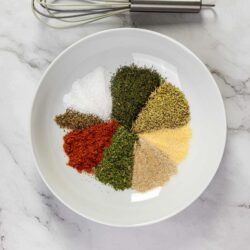
The beauty is, of course, that I always have these ingredients available: dried dill, rosemary, and parsley; paprika; garlic powder; and celery salt. And, of course, salt and pepper. I love all of these flavors on their own, but when they are mixed together, they yield a depth and complexity of flavor that is just the perfect way to highlight a mild fish or balance a stronger one.
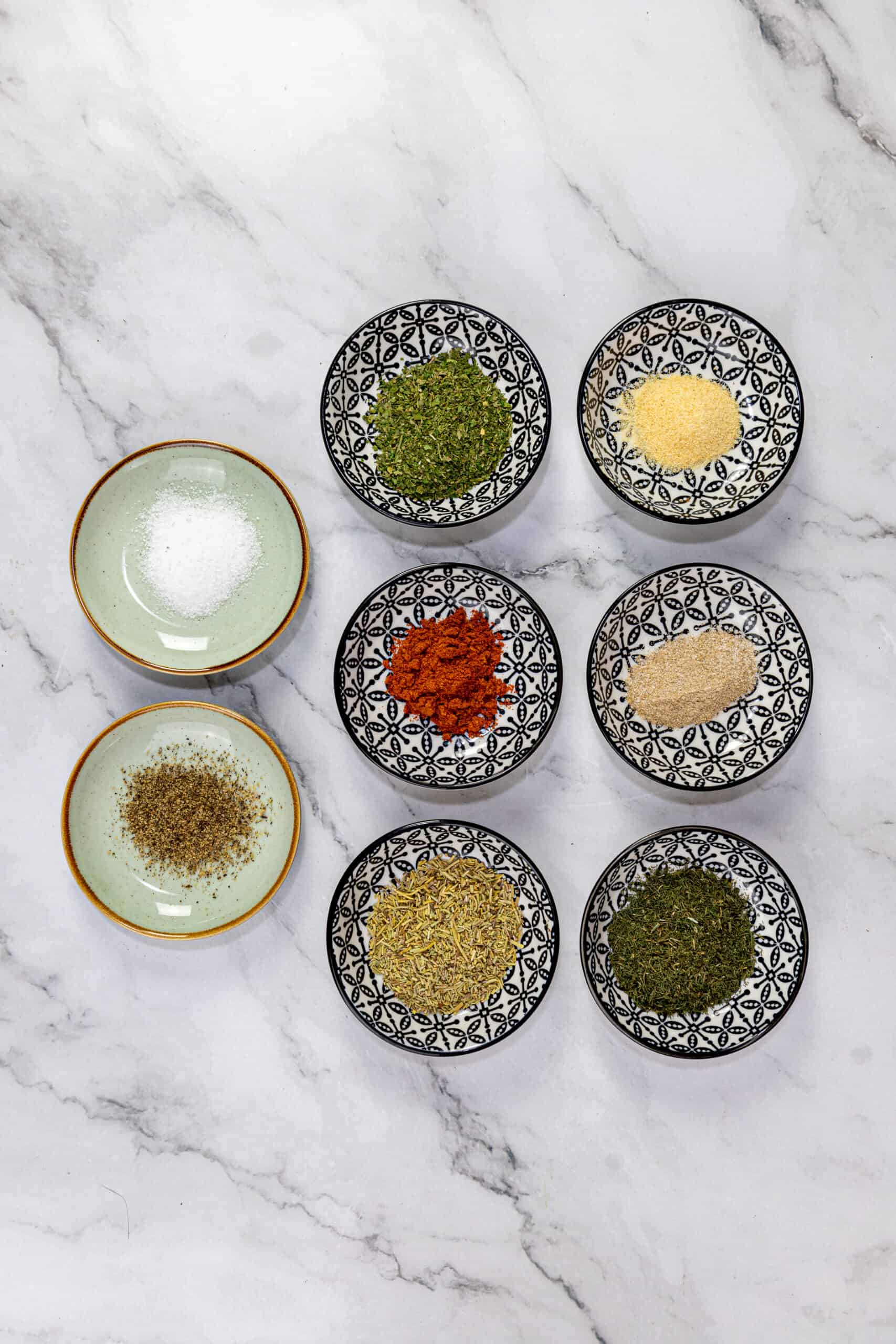
Preserving Homemade Fish Seasoning
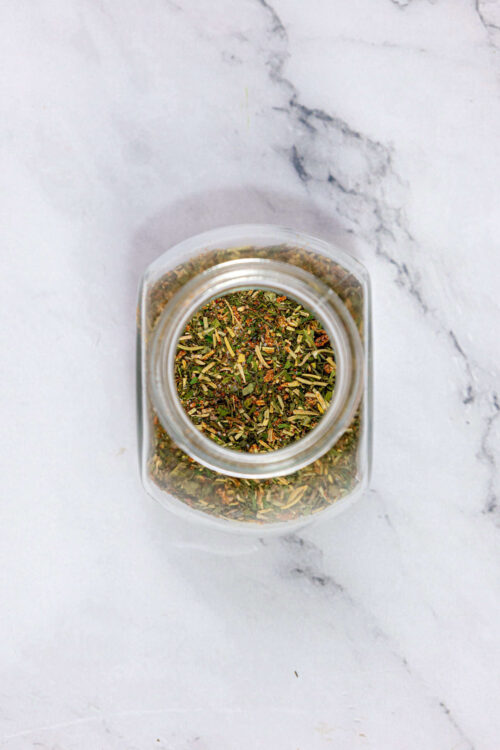
Because this fish seasoning is made with dried herbs and spices, it’s important to make sure that no moisture gets into the mix. The best way to do this is to store the seasoning in airtight containers, such as small jars made of metal or glass (like little mason jars) or even Ziploc bags, which will keep them dry and preserve the flavor. Remember to label them with the ingredients and the date. In addition, you’ll want to keep the seasoning in a cupboard or pantry, away from direct light or any heat source. And we advise you to make it in small batches to keep it as bright as possible.
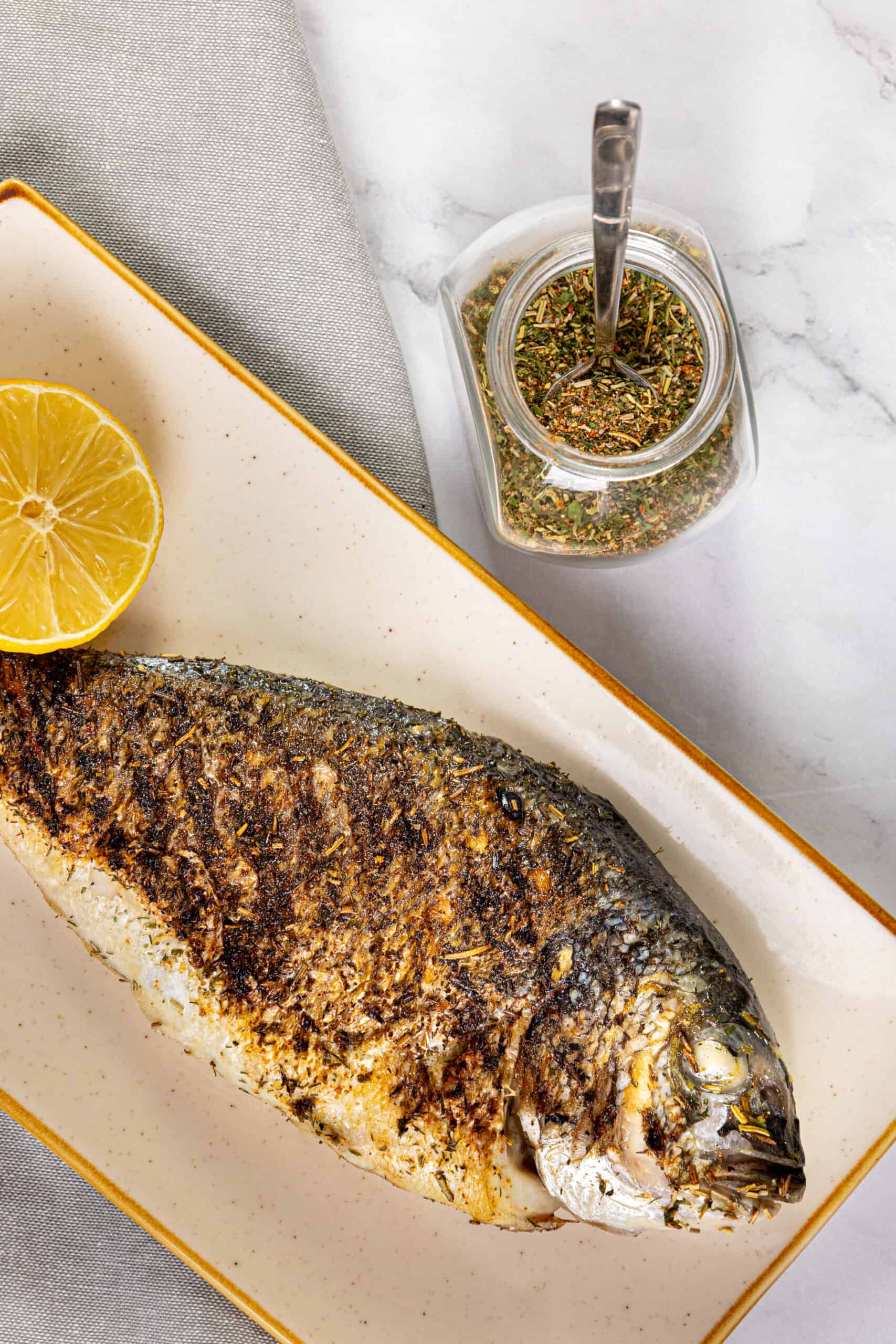
FAQs & Tips
How Do I Store Leftovers?
Stored properly in an airtight container, fish seasoning will last up to 2 years at room temperature in a cool, dry place.
Are There Other Dried Herbs That Would Be Good In Fish Seasoning?
Yes, for sure. You could stick with our recipe and add things like thyme, oregano, and/or basil, or you can replace one or more of our ingredients with one or more of these others. If you want a bit of a kick, add a pinch of cayenne pepper.
How Can I Add Citrus Flavor To This Fish Seasoning?
Citrus of any kind is a delicious enhancement to fish. Available on the market now is a variety of dried citrus peels; they come in lemon, lime, orange, grapefruit, and tangerine. Any one (or two!) of them would be a lively addition to fish seasoning.
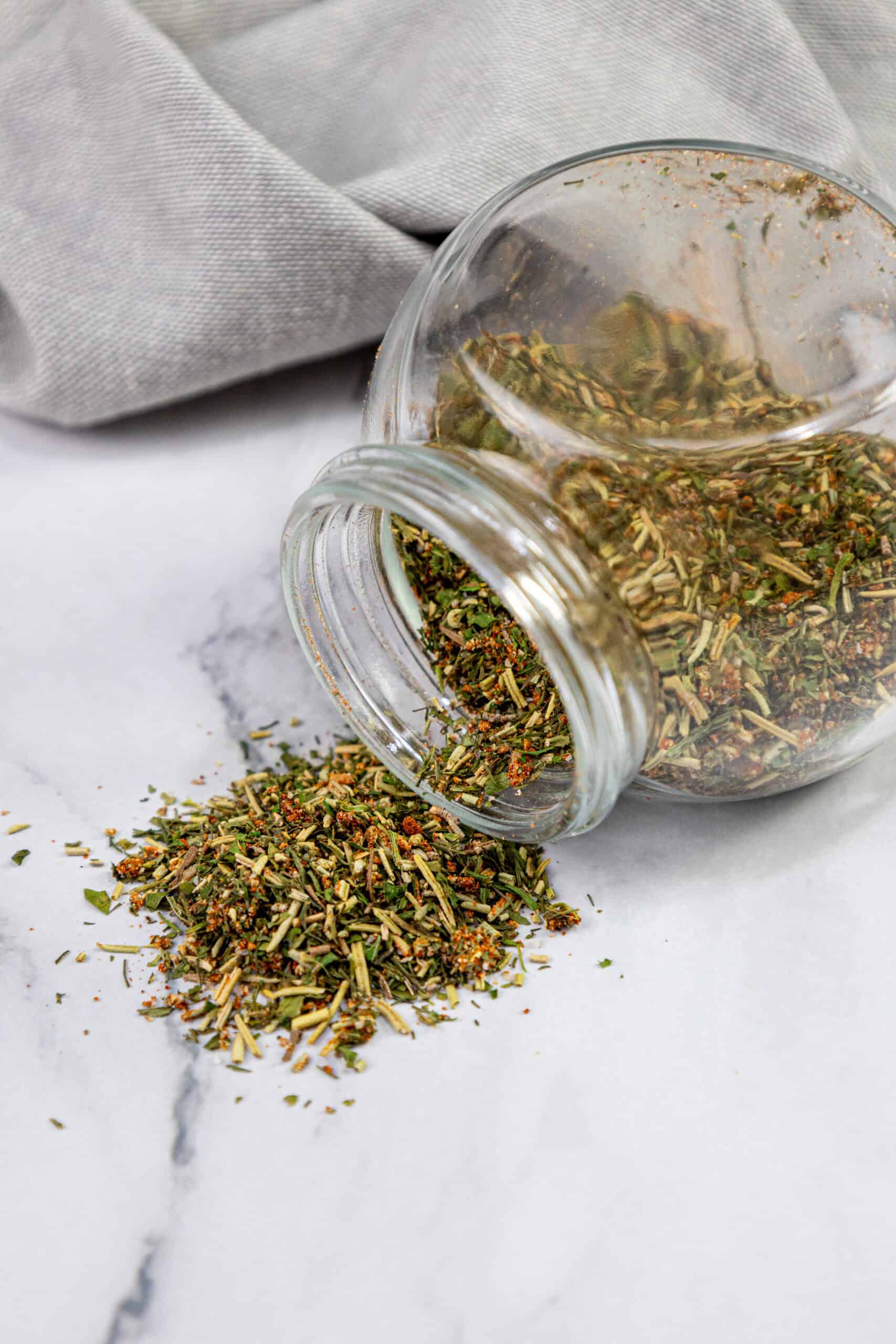
Serving Suggestions
In addition to using fish seasoning on sea bass and scampi, you’ll love how it adds zest to this Easy Baked Cod Recipe. One of my family’s favorite weeknight meals is this super flavorful fish with Baked Sweet Potatoes and a crisp Green Salad tossed in Honey Mustard Dressing.
But I have also used fish seasoning in many seafood dishes. It adds a wonderful earthiness to this Lazy Lobster Casserole With Buttery Ritz Topping and some herby zing to Parmesan And Wasa-Crusted Tilapia, but one of my very favorite ways to use fish seasoning is in Seafood Gumbo (the dried herbs match beautifully with the Cajun seasonings in this dish).
Fish Seasoning

Ingredients
- 1 tablespoon dried dill weed
- 1 tablespoon dried crushed rosemary
- 1 tablespoon dried parsley
- 1/2 tablespoon paprika
- 1 teaspoon garlic powder
- 1 teaspoon celery salt
- 1 teaspoon salt
- 1/2 teaspoon black pepper
Instructions
- Mix dill weed, crushed rosemary, parsley, paprika, garlic powder, celery salt, salt, and black pepper in a small bowl.
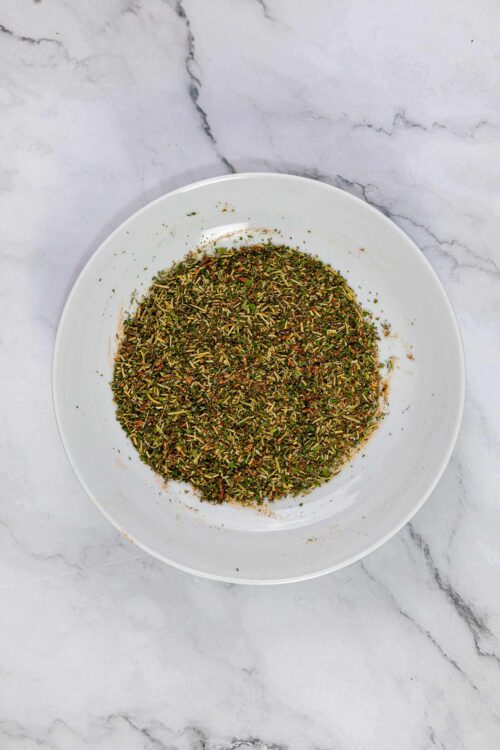
- Store the seasoning mix at room temperature in an airtight container.
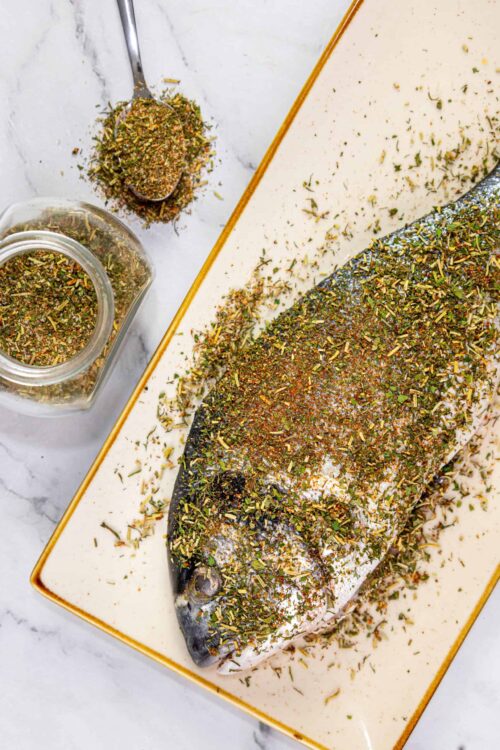
- Use as a dry rub for any type of fish. Use on both sides of fish, rubbing gently.

Leave a Comment