

You’ll go nuts for these classic German cookies!
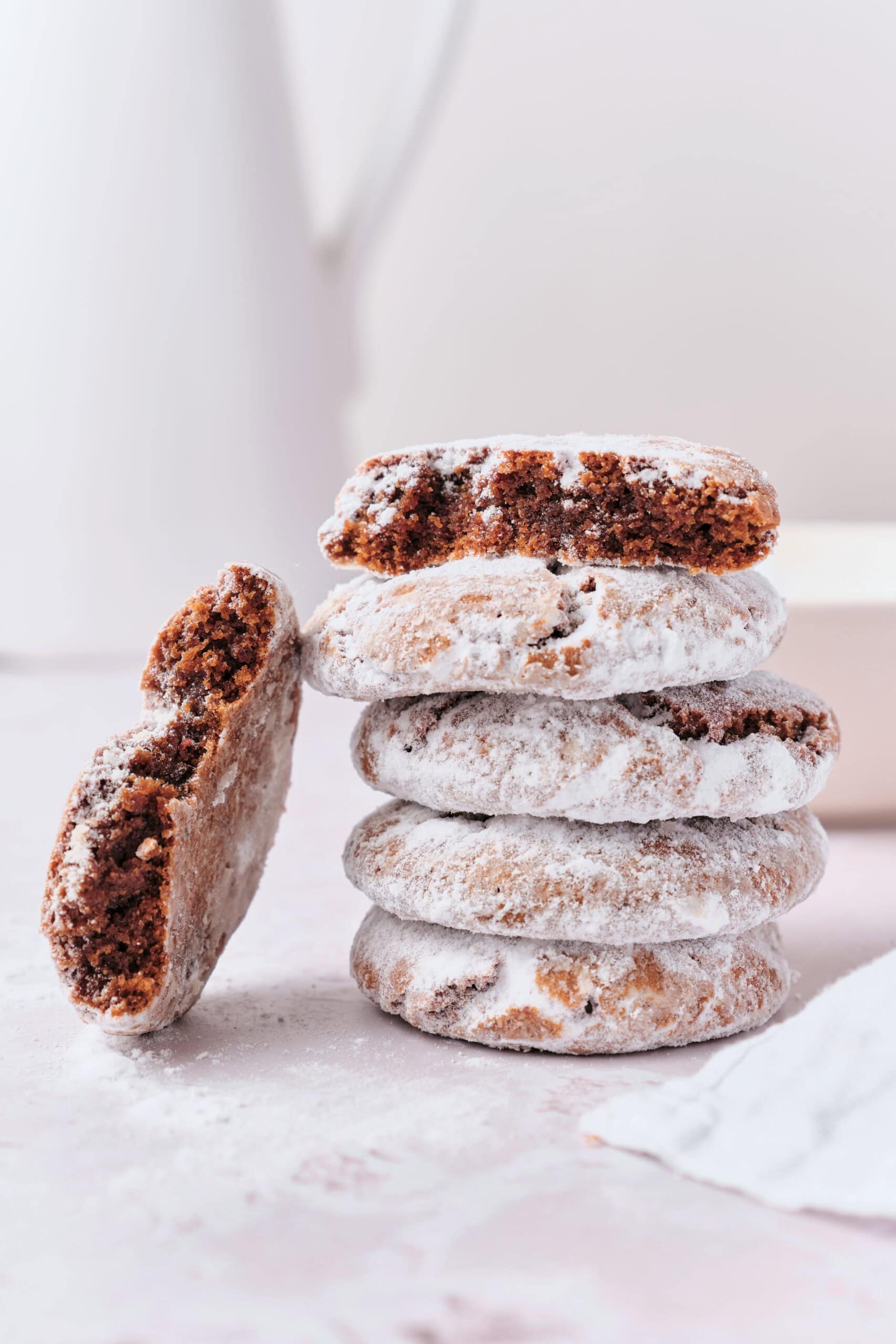
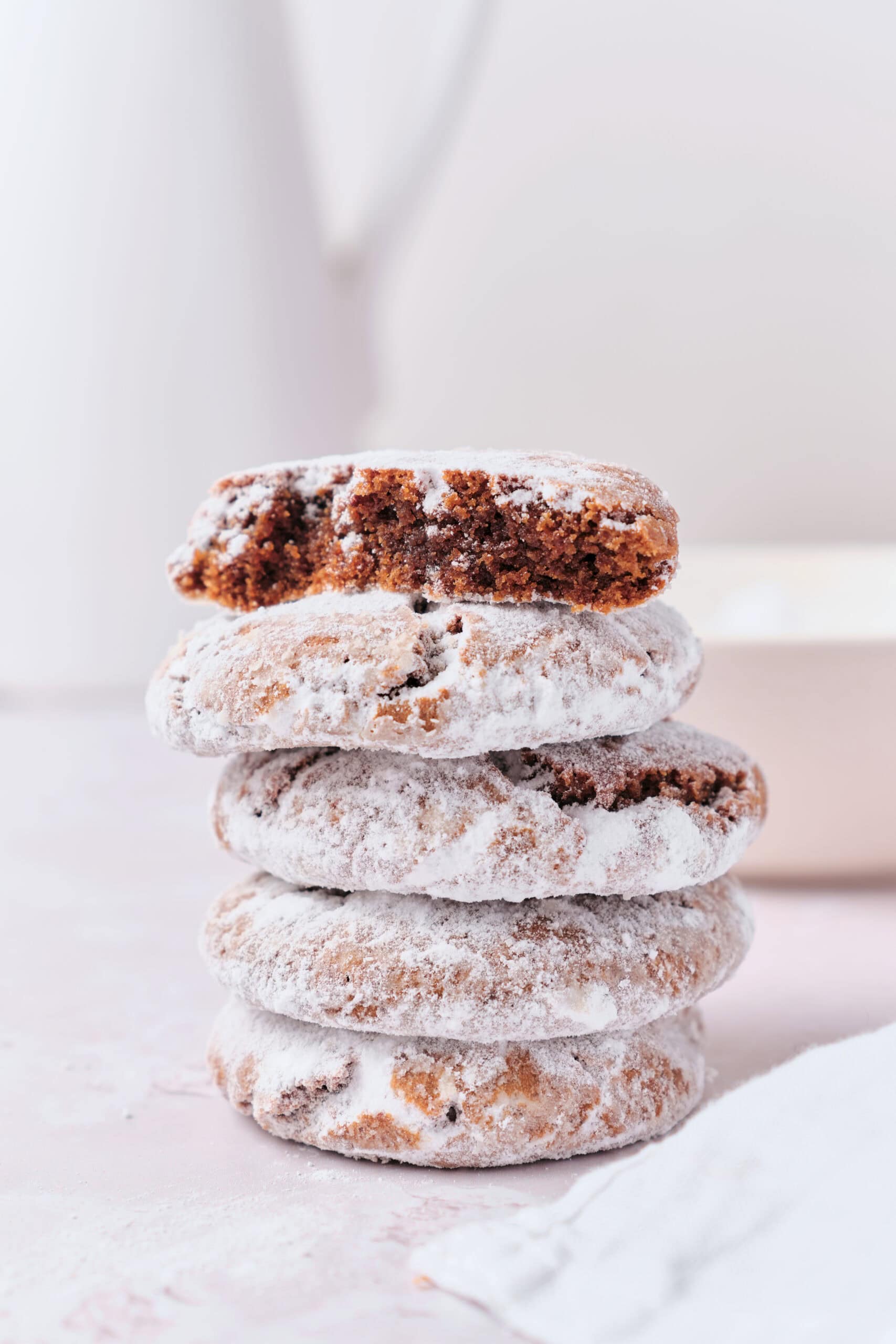
Even if you have zero German heritage, give Pfeffernüsse (pronounced “Feff-er-noo-suh”) cookies a try. The fun-to-say word “Pfeffernüsse” is translated to “pepper nuts,” and it’s a perfect description of these delightfully spicy and sweet cookies. Black pepper, cloves, cinnamon, nutmeg, anise, and allspice are often used, but whatever the combo, this zesty spice blend is the perfect foil to the molasses-based dough and sweet powdered sugar dusting on the outside.
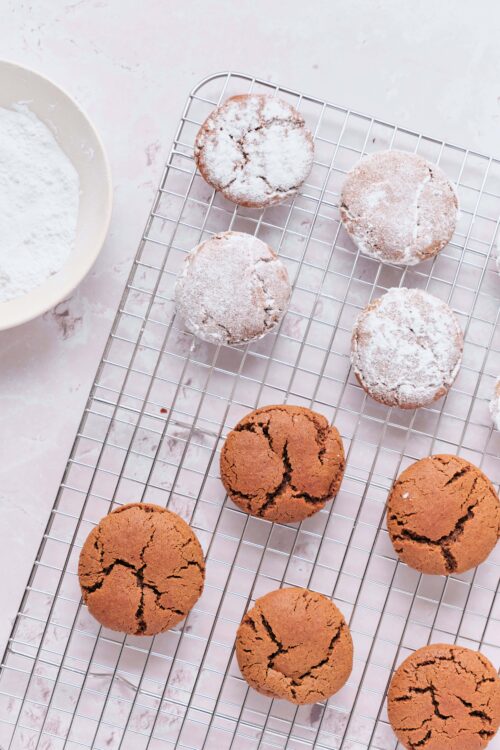
While Pfeffernüsse are usually designated as German cookies, they have a long history in both German and Dutch baking. Stretching back to at least the eighteenth century, these tasty cookies have been associated with the Christmas holiday for just as long. It’s likely because of the gingerbread-like base, which is amped up by the namesake pepper and other spices. The cookies can vary from very small, crunchy cookies to medium-sized, softer cookies, but they always have that signature taste and powdered sugar coating.
These Pfeffernüsse are on the softer, chewier side. They are irresistible with a glass of milk or cup of your favorite hot beverage! Plus, they smell amazing while baking. While they do require a chill time, it’s one of those recipes where you can make the dough the day before (on a Saturday, say) and then shape and bake the cookies the next day. Whether you call them Pfeffernüsse or pepper nuts, these sweet treats might just become a favorite holiday tradition at your house.
What is anise?
Anise is an herb with a licorice-forward, slightly sweet flavor. It’s a flowering plant native to the Mediterranean and Southwest Asia, and the seeds are often used to flavor sausage, breads, and stews. Anise extract is an option when seeds would not work, such as in sweet baked goods and liquors/liqueurs, including ouzo and Pernod. In Pfeffernüsse, use slightly less anise extract if you’re not a licorice fan.
How do I store leftovers?
Store cooled Pfeffernüsse cookies in a tightly sealed container at room temperature. They will keep this way for up to 5 days. You can also freeze the cookies for up to 2 months. Thaw at room temperature. You may need to dust with more powdered sugar before serving.
Serving suggestions
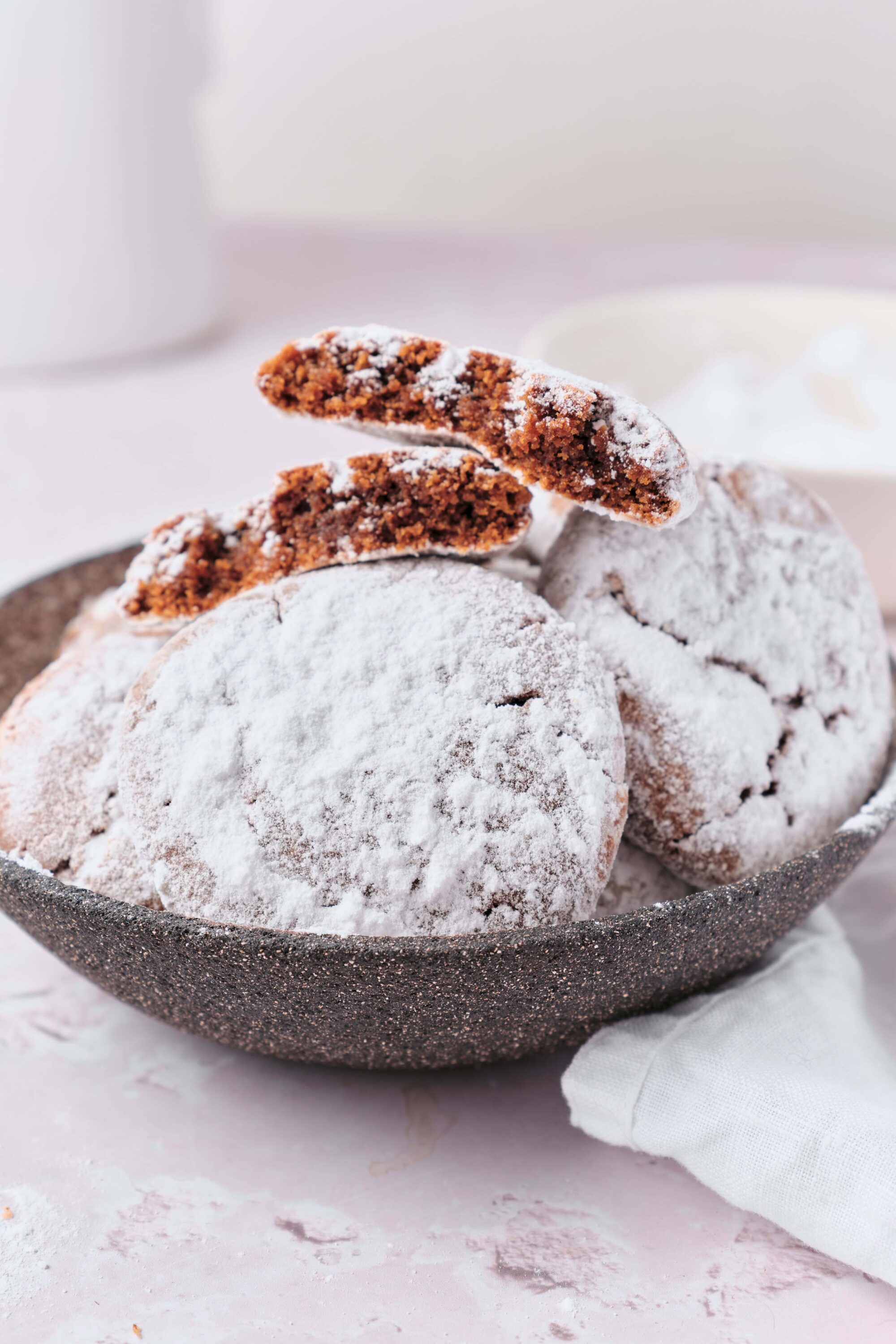
With their snowy exterior, Pfeffernüsse cookies are wonderful winter treats. If you’re a busy baker at the holidays, these are great cookies to include in cookie gift boxes or on a cookie tray for entertaining. They pair well with many other types of traditional cookies, including Pignoli Cookies, Snowball Cookies, and Chewy Honey Gingersnap Cookies.
Pfeffernüsse Cookies

Ingredients
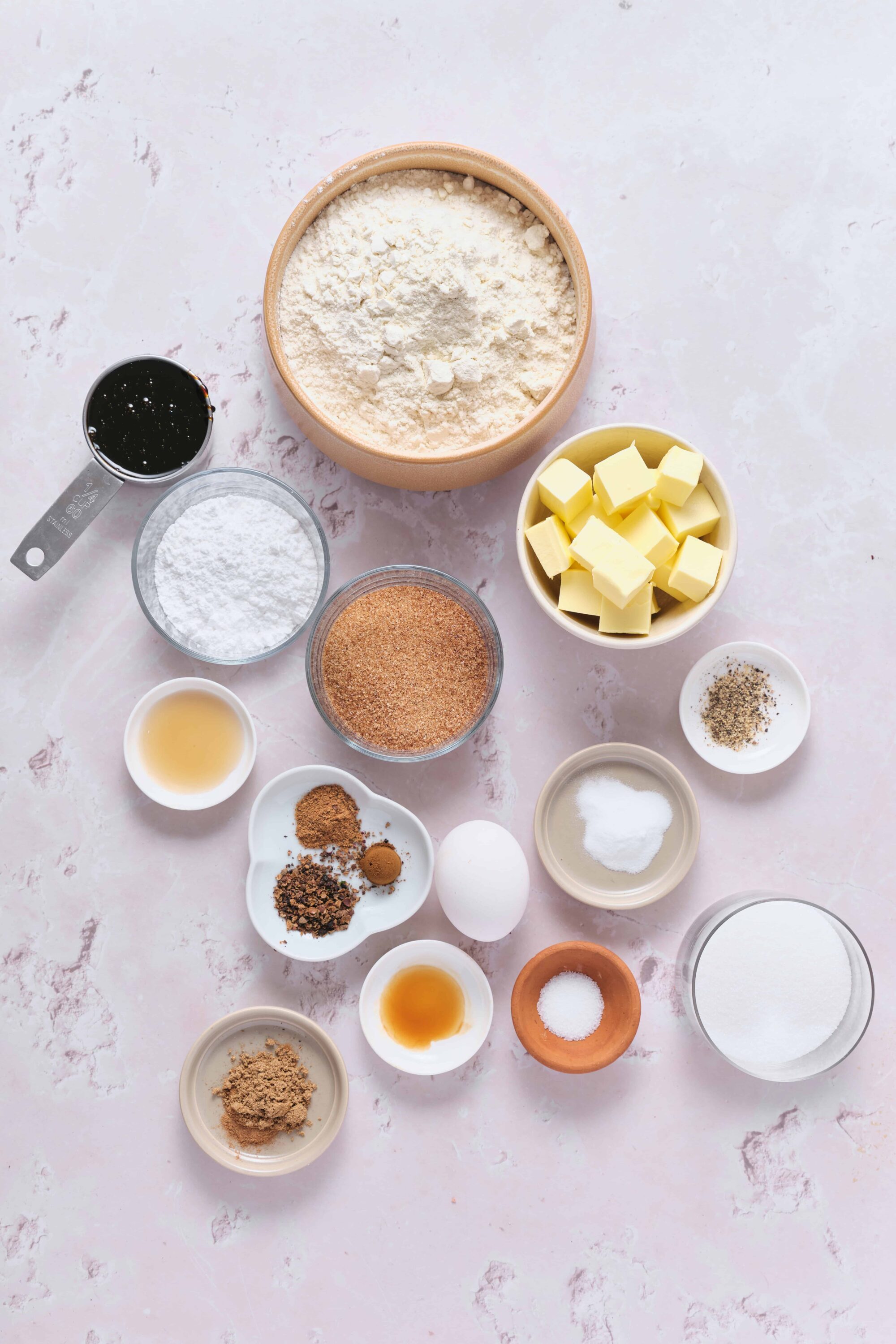
- 2 1/4 cups all-purpose flour
- 3/4 teaspoon ground cinnamon
- 1/2 teaspoon ground allspice
- 1/4 teaspoon ground nutmeg
- 1 pinch freshly ground black pepper
- 1/4 teaspoon ground cloves
- 1/2 teaspoon baking soda
- 1/4 teaspoon salt
- 1/2 cup unsalted butter at room temperature
- 1/2 cup light brown sugar packed
- 1/4 cup granulated sugar
- 1/4 cup molasses
- 1 large egg
- 3/4 teaspoon anise extract
- 1/4 teaspoon vanilla extract
- 1/3 cup confectioners’ sugar for coating
Instructions
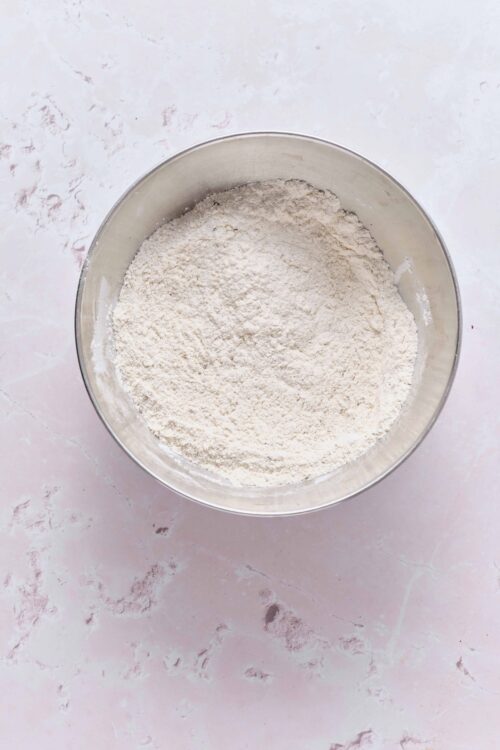
- In a bowl, whisk together the flour, ground cinnamon, allspice, nutmeg, black pepper, cloves, baking soda, and salt.
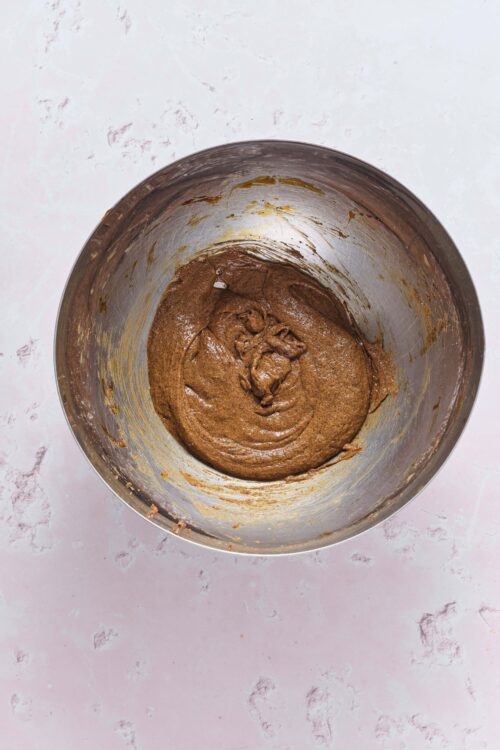
- In a mixer, beat the butter, brown sugar, granulated sugar, and molasses on medium speed until the mixture is light and fluffy. Add the egg, anise extract, and vanilla extract, and beat until just combined.
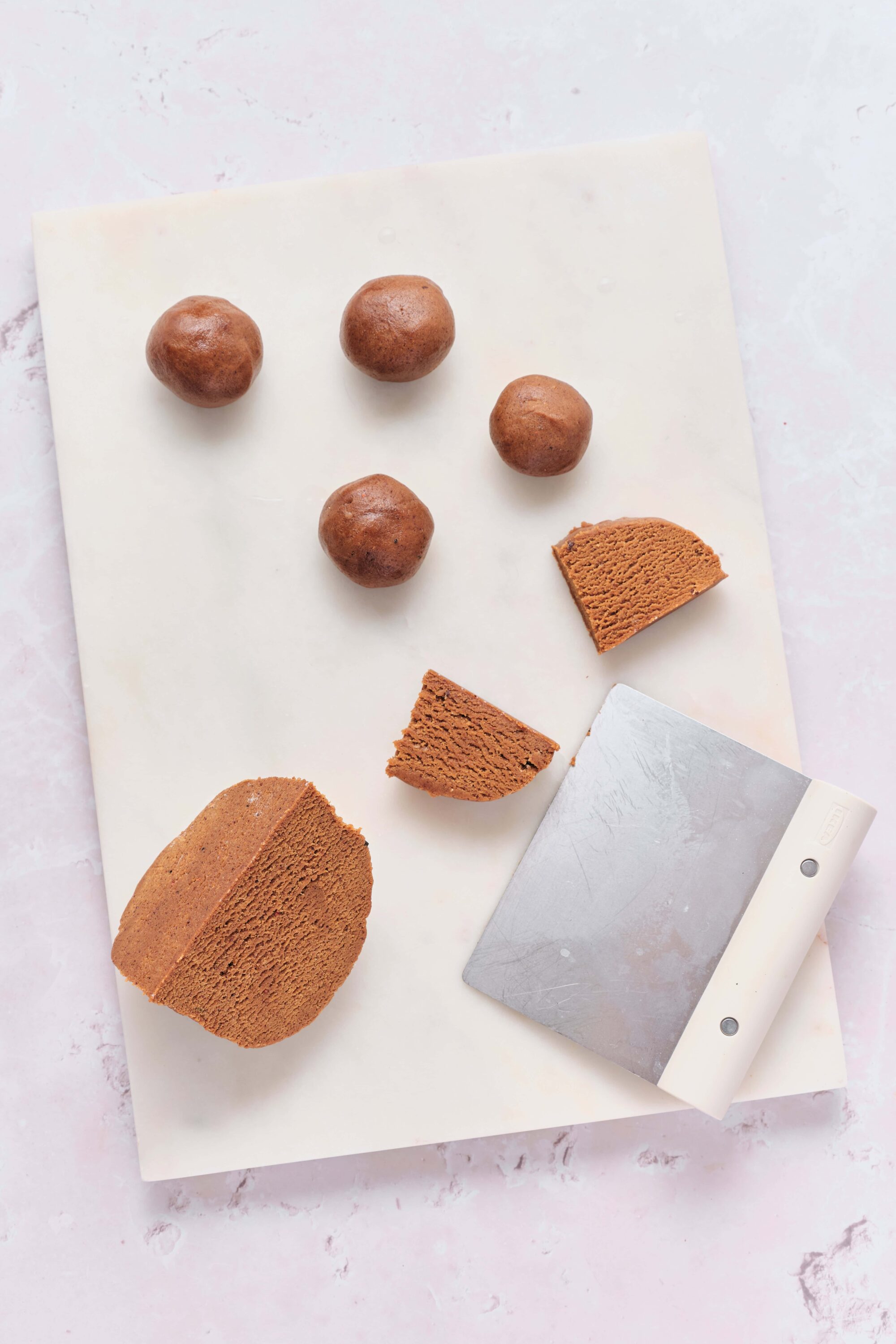
- Slowly add the dry ingredients to the wet mixture, stirring until just mixed. Wrap the dough in plastic wrap and chill in the refrigerator for at least 3 hours.
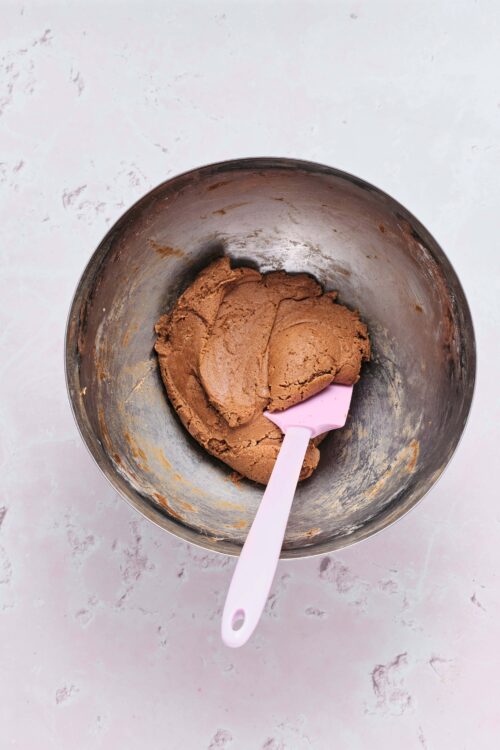
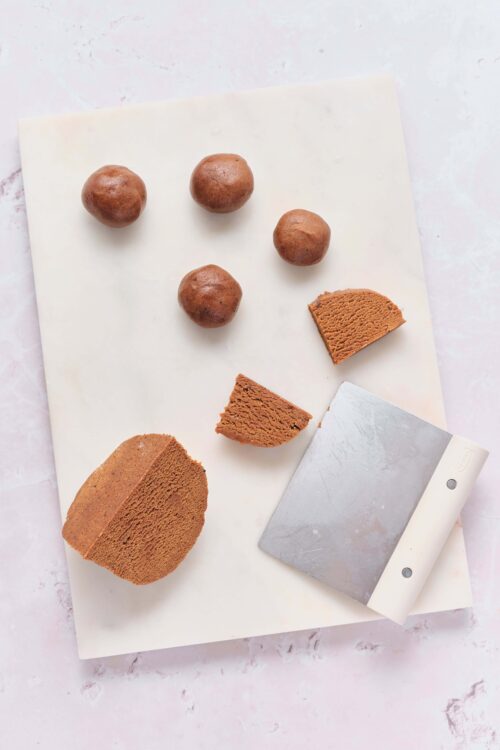
- Preheat your oven to 350°F and line baking sheets with parchment paper. Scoop about 1 tablespoon of dough and roll into 1 1/2-inch balls, spacing them 2 inches apart on the sheets.
- Bake for about 14-17 minutes until cookies are golden and firm with slight cracks.
- Let cool on the baking sheet for 5 minutes, then roll the cookies while still slightly warm in the confectioners’ sugar. Transfer to a wire rack to cool completely.


Leave a Comment