

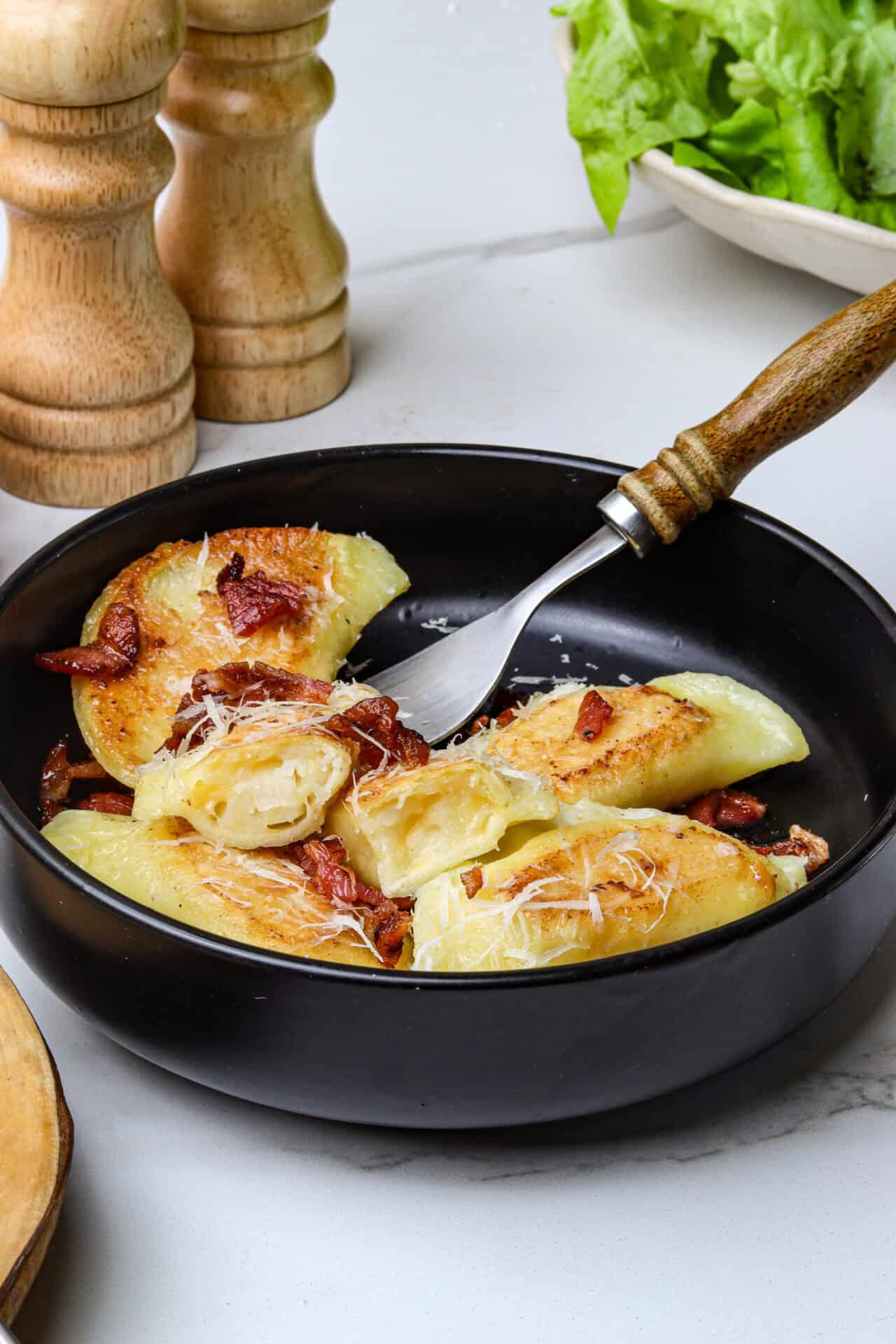
Potato-stuffed Pierogi are satisfyingly savory and perfectly plump for serving as a mouth-watering appetizer or a sautéed side!
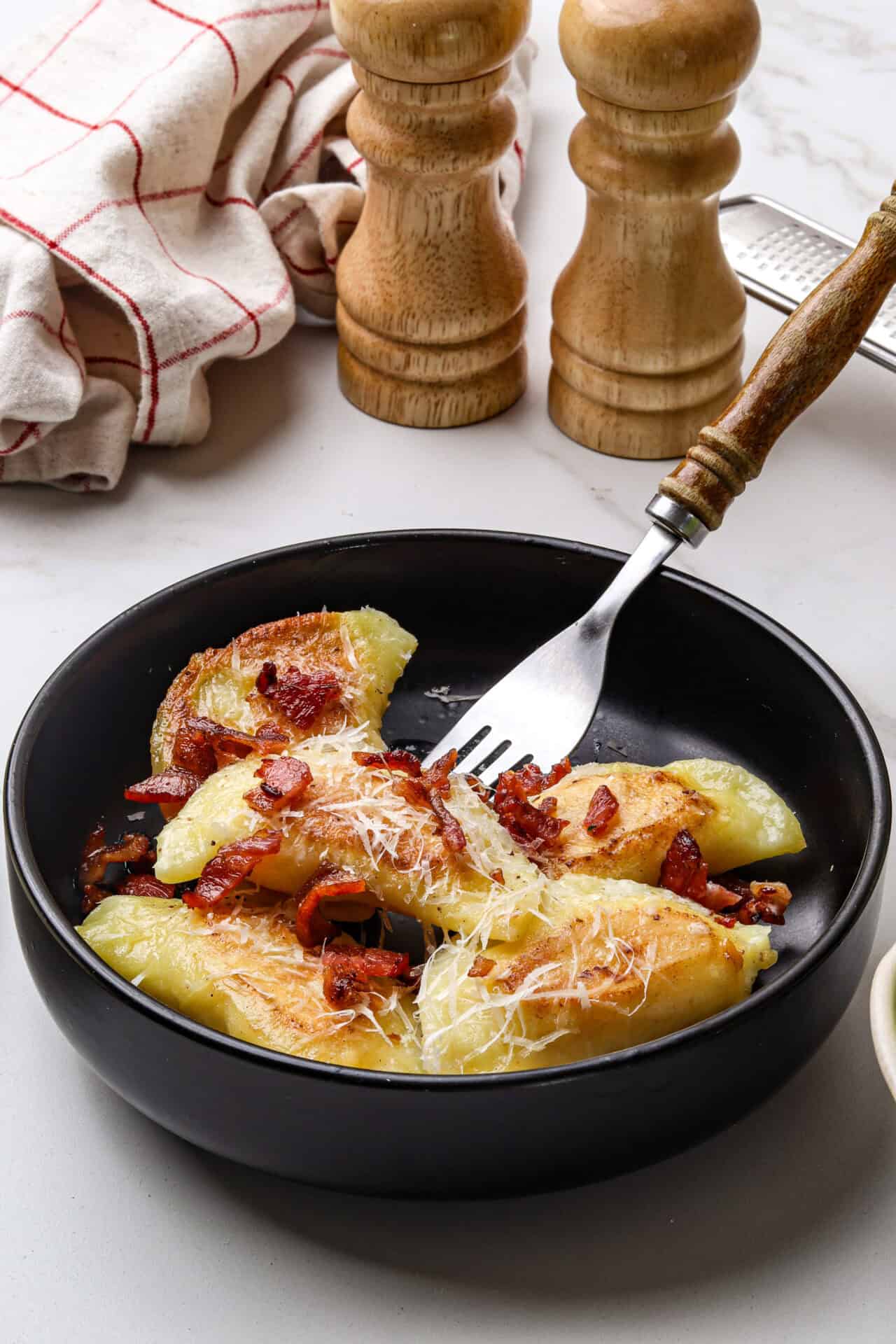
Pierogi was a nebulous dish to me before I met my wife. She’d earned a culinary degree and had cooked things I’d never heard of coming from a household of comparably untrained chefs and, every time we ate something she made, it was an educational experience. When first she presented me with pierogi, I happily ate them up. How could I resist? Deliciously stuffed dumplings with potato-y filling seared perfectly on either side? It doesn’t get any better! After my first serving of pierogi, I greedily asked for more dumplings as my date wasn’t the only person I was smitten with.
Now that we’re older and trying to adjust our diets to suit our needs, we’ve opted into gluten-free choices – but that hasn’t meant that we’ve had to give up pierogi. Gluten-free pierogi are just as tasty and don’t use regular flour to make, meaning you can have spectacularly spud-y potato pierogi as an appetizer for your gluten-free entrees or as a scrumptious snack for any time. Savor the flavor of gluten-free pierogi and make moments like mine over a perfect plate!
A Dumpling By Any Other Name – Pierogi History
While generally associated with Poland, the origin of the pierogi is contested depending on where you look; however, the inspiration from the traditional dumpling is unmistakable. There are stories of pierogi coming across to Europe from Asia along the Silk Road (some accounts even claiming Marco Polo’s involvement), having adjusted the recipe to suit the environmental availability of certain ingredients. That’s why pierogi, while traditionally stuffed with potatoes, can also have everything from cheese and sauerkraut to ground meat and even fruit! Despite the variety in fillings, pierogi and dumplings are both cooked in the same ways: steamed, fried, or a combination of both! So what distinguishes pierogi from dumplings?
One main difference between pierogi and traditional Asian dumplings is the wrapper. Asian wonton wrappers are usually very thin and pressed shut with water and folded crimping to create everything from shumai to gyoza. Pierogi being made with flour-based dough, are a little heavier and dense – but in more ways than one. Pierogi are also typically stuffed with heavier ingredients, not the usual blend of balanced vegetables and proteins used in wontons. The goal in wontons is to create bites of nearly complete “feasts”, usually containing chopped veg and ground meat while pierogi often focus on one or two heartier ingredients.
If you’re looking for a delicious appetizer/side dish that’s filling and hearty, pierogi are some of the best dumplings you can serve up!
FAQs & Tips
How to Make Ahead and Store
If you want to make them ahead of time, refrigerate them uncooked for up to 2 days and then cook for fresh pierogi! If you’re storing leftover fully-cooked pierogi, they can last in a sealed container in the fridge for up to 5 days.
Can I Stuff My Pierogi With Anything?
Kind of, actually! Pierogi are made differently no matter where in the world you find them. Some use ground meat as a filling, others add cheese to the potato filling, and others even make dessert-y fruit-filled pierogi! So long as you think it’ll be tasty, you can stuff a pierogi with whatever you want!
My Pierogi Are Falling Apart! What Do I Do?
Pierogi that are overcooked won’t hold their shape! It’s crucial to monitor your pierogi as they’re boiling/frying to ensure they stay sealed!
Serving Suggestions
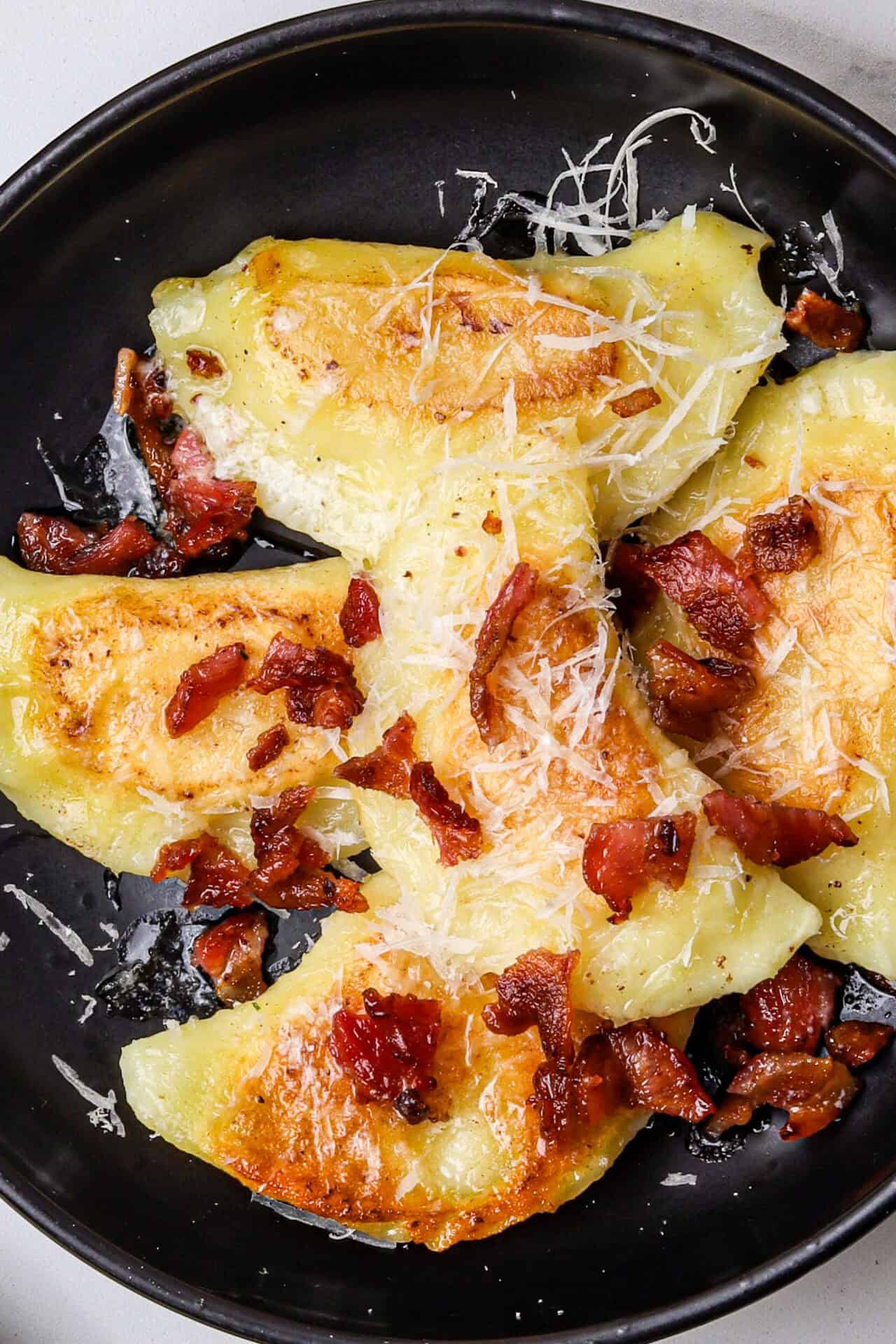
Pierogi, despite having roots in Slavic countries and (possible) origins in Asian nations, taste great as an appetizer or side dish for just about every cuisine. If you’re making these gluten-free pierogi, why not have them with some gluten-free entrees? First, pair your pierogi appetizer with some delicious Garlic Stuffed Grilled Artichokes (if you’re looking for a meatier appetizer to pair your pierogi with, try Breadcrumb-less Meatballs). Then, try some of our gluten-free favorites like Cube Steak and Gravy or Dijon Baked Salmon and finish your meal with a delectable dessert of Gluten-Free (and dairy-free!) Chocolate Olive Oil Cake!
Gluten-Free Pierogi

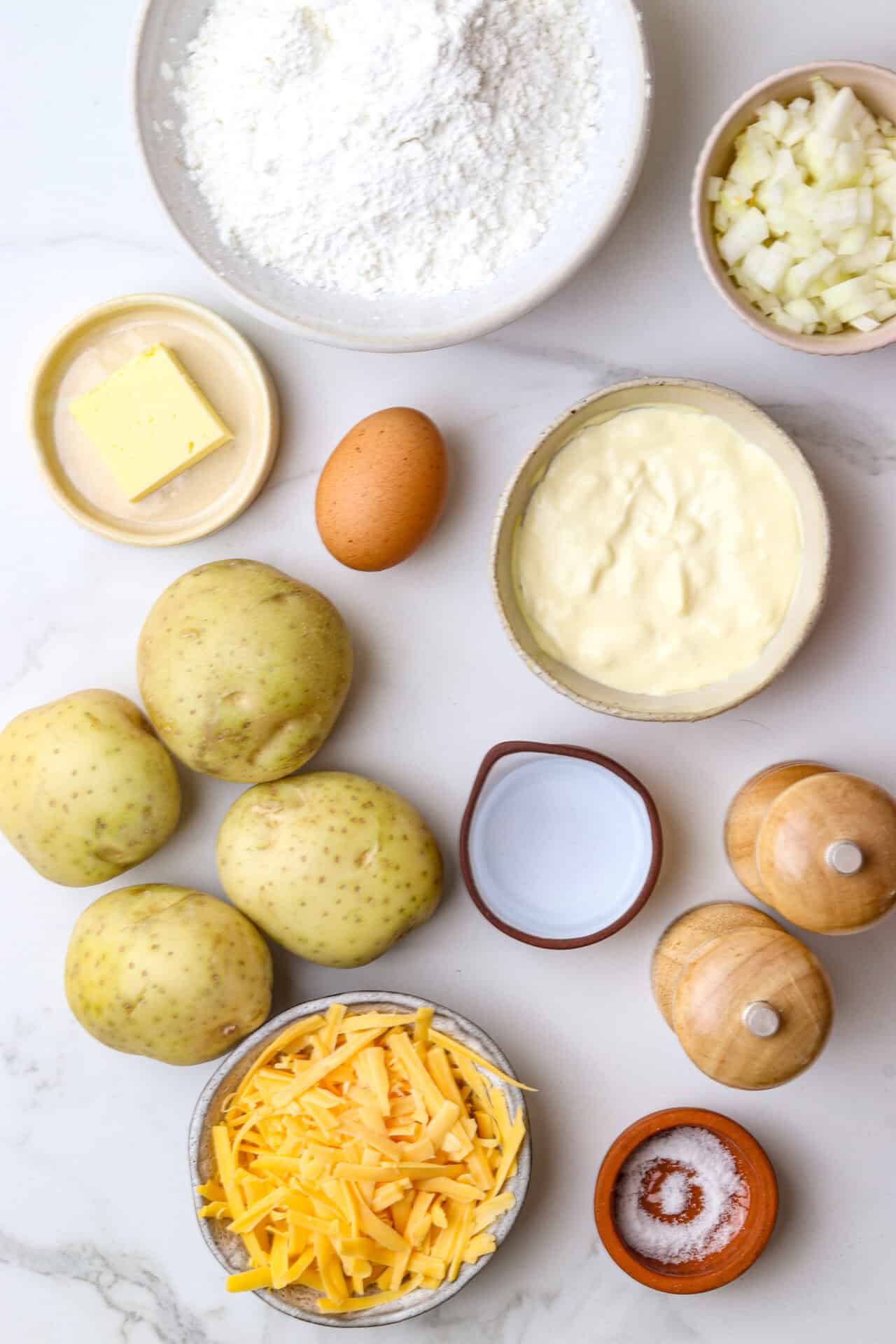
Ingredients
- 2 cups gluten-free all-purpose flour
- 1 large egg
- 1/2 cup sour cream
- 1/4 cup water adjust as needed
- 1/2 teaspoon salt
- 1 pound russet potatoes peeled and cubed
- 1/2 cup cheddar cheese shredded
- 1 tablespoon unsalted butter
- 1 small onion finely chopped
- Salt and pepper to taste
Instructions
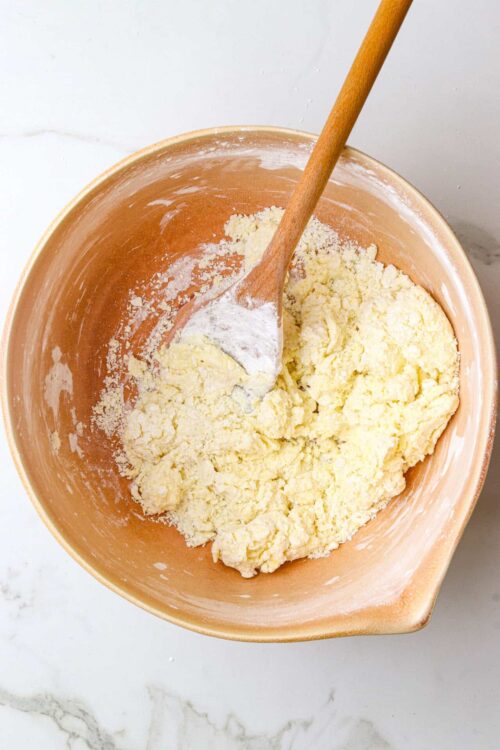
- In a large bowl, combine gluten-free flour and salt. Make a well in the center and add the egg and sour cream. Gradually mix in enough water to form a soft dough.
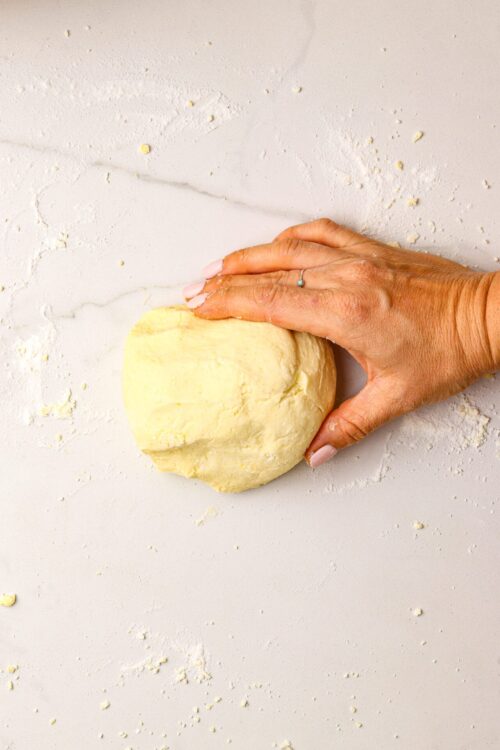
- Turn the dough onto a floured surface and knead until smooth, about 3-5 minutes. Cover with a clean kitchen towel and let rest for 30 minutes.
- Meanwhile, boil the potatoes until tender, about 15 minutes. Drain and mash with butter, then stir in the cheese and onion. Season with salt and pepper.
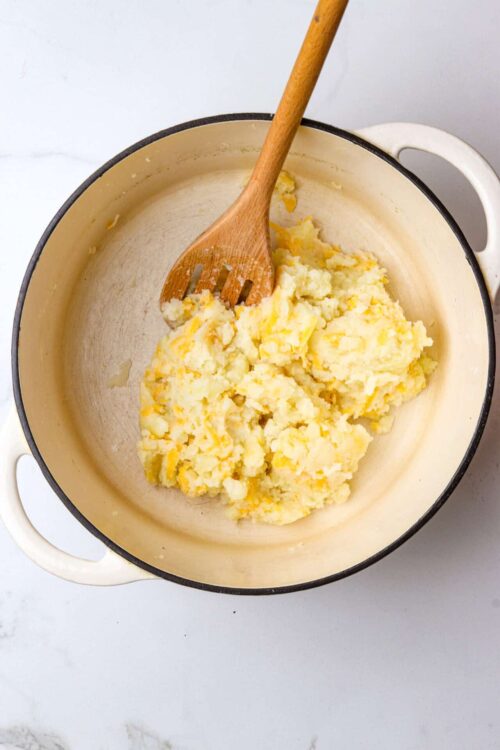
- Roll out the dough on a floured surface to about 1/8 inch thickness. Cut out rounds using a 3-inch cookie cutter.
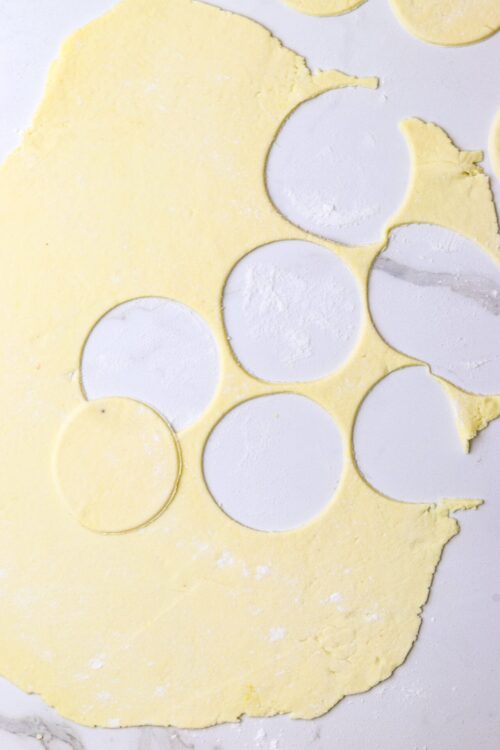
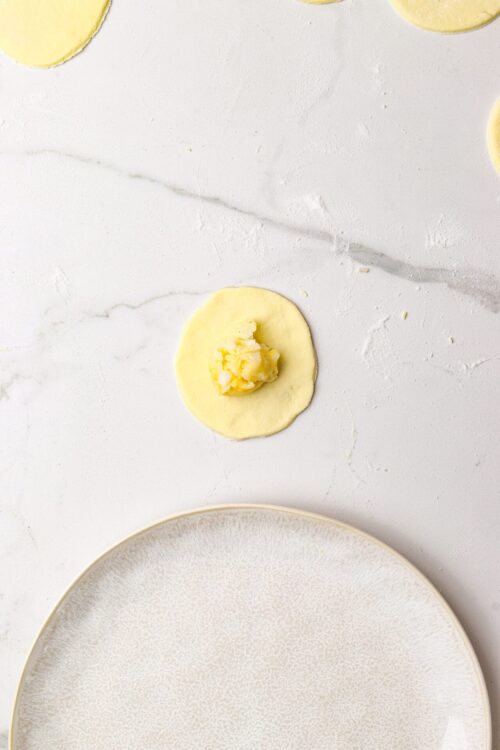
- Place a small spoonful of the potato filling on one half of each dough round. Moisten the edges with water, fold over, and press to seal.
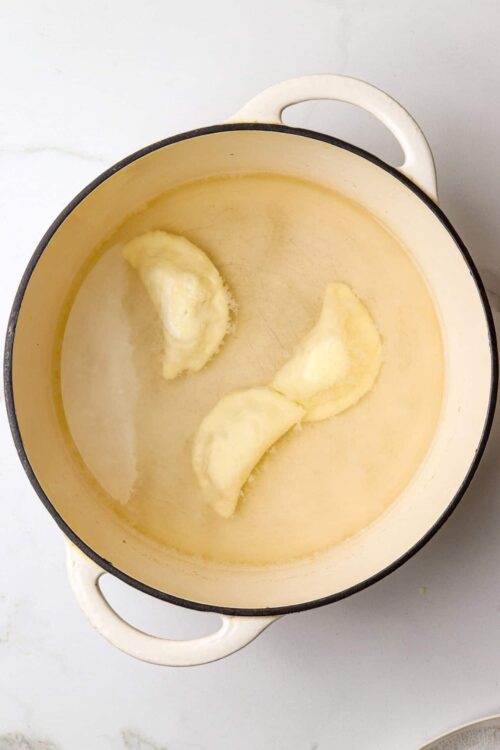
- Bring a large pot of salted water to a boil. Cook pierogi in batches until they float to the top, about 3 minutes. Remove with a slotted spoon.
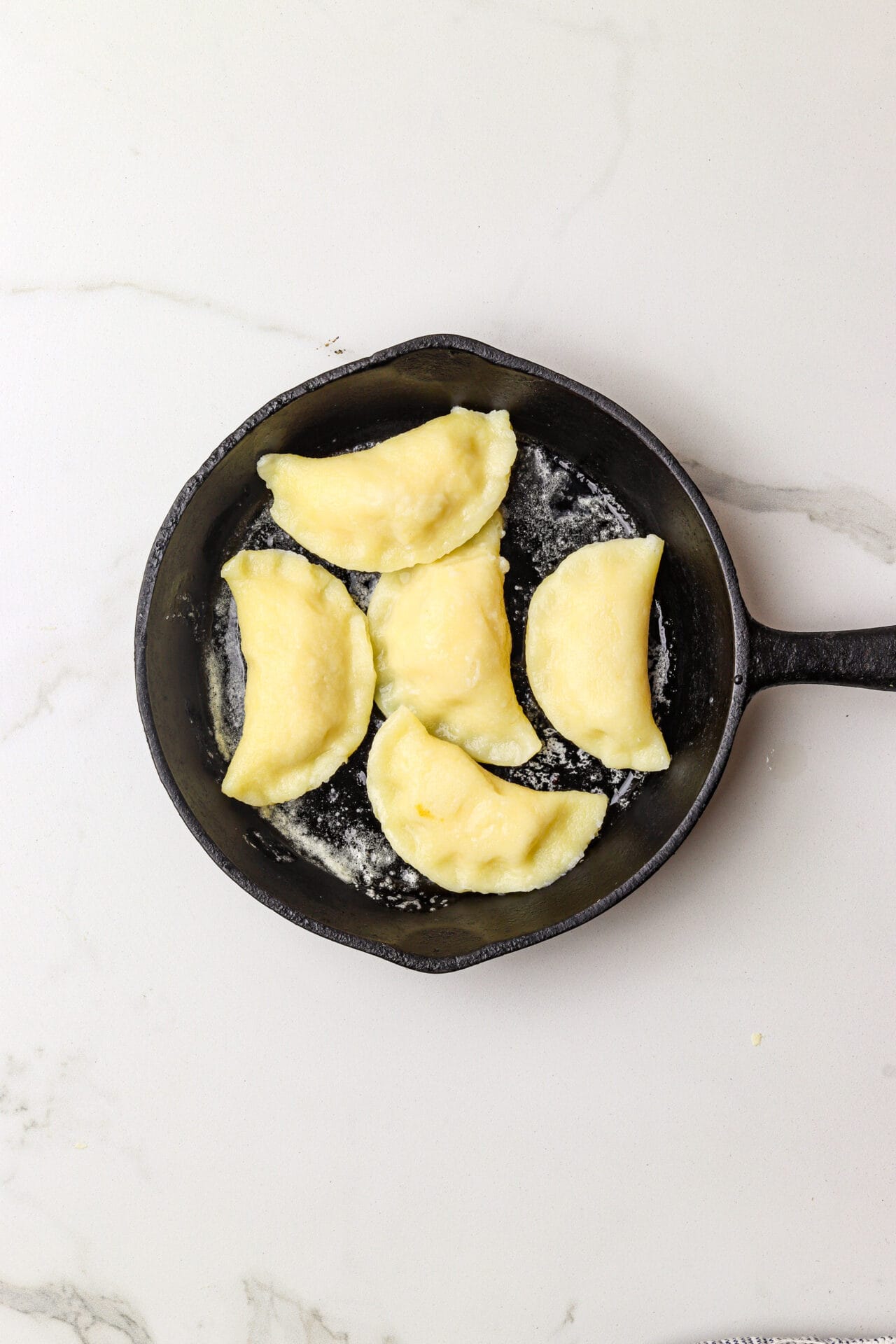
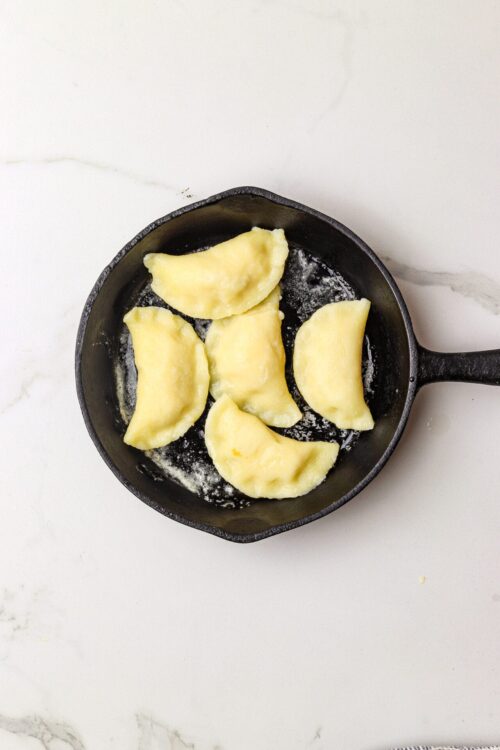
- Serve the pierogi warm, or for a crispy texture, sauté them in a pan with a bit of butter until golden brown on each side.

Leave a Comment