

Take control of your Creole—seasoning, that is! By following this simple recipe that includes peppers, powders, and paprika, you can be the master of your New Orleans dishes.
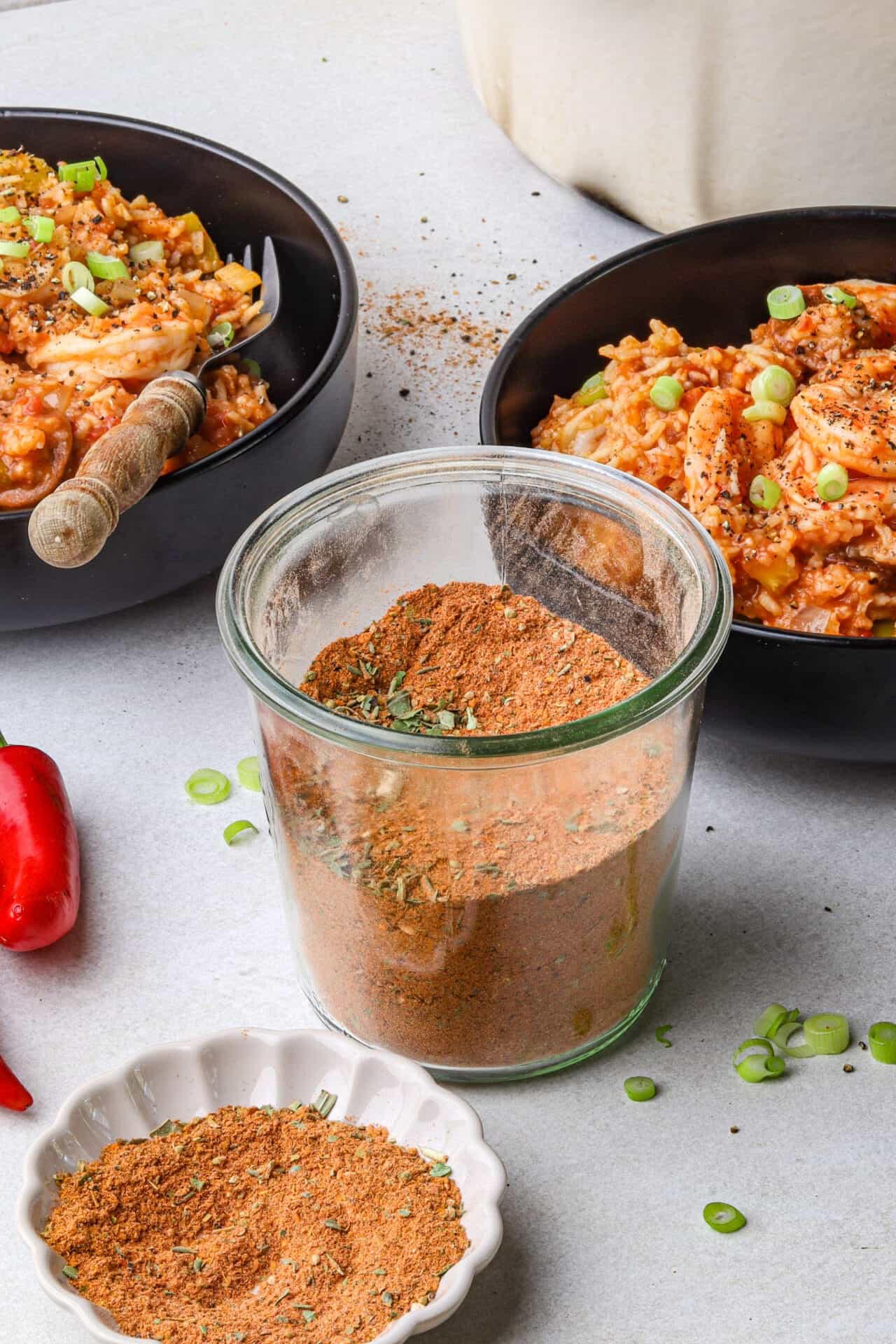
When I talk about my culinary adventures in New Orleans, I tend to focus on either the roux—that lovely mixture of butter and flour that requires hours of attention in order to achieve just the right texture and caramel color— or the Holy Trinity—the veggie combination of celery, onions, and bell peppers that serves as the spine of any good gumbo or jambalaya.
But I don’t usually spend too much time stressing the importance of your Creole seasoning. Maybe it’s because I assume everyone will just buy it pre-made from the grocery store. In any case, it’s about time we explored this oft-overlooked but nevertheless integral aspect of your Creole cuisine.
And you know what? It isn’t too far removed from the Italian seasoning I often recommend you prep and store for whichever future recipes that require it. So just remember this if you, for some reason, think the Italian version is more accessible. I urge you to revisit the gumbos and jambalayas and whichever “New Orleans-inspired” dishes I’ve published here and try it with your new seasoning. It could make a world of difference to your city-centric meal!
What is the difference between Cajun and Creole seasoning?
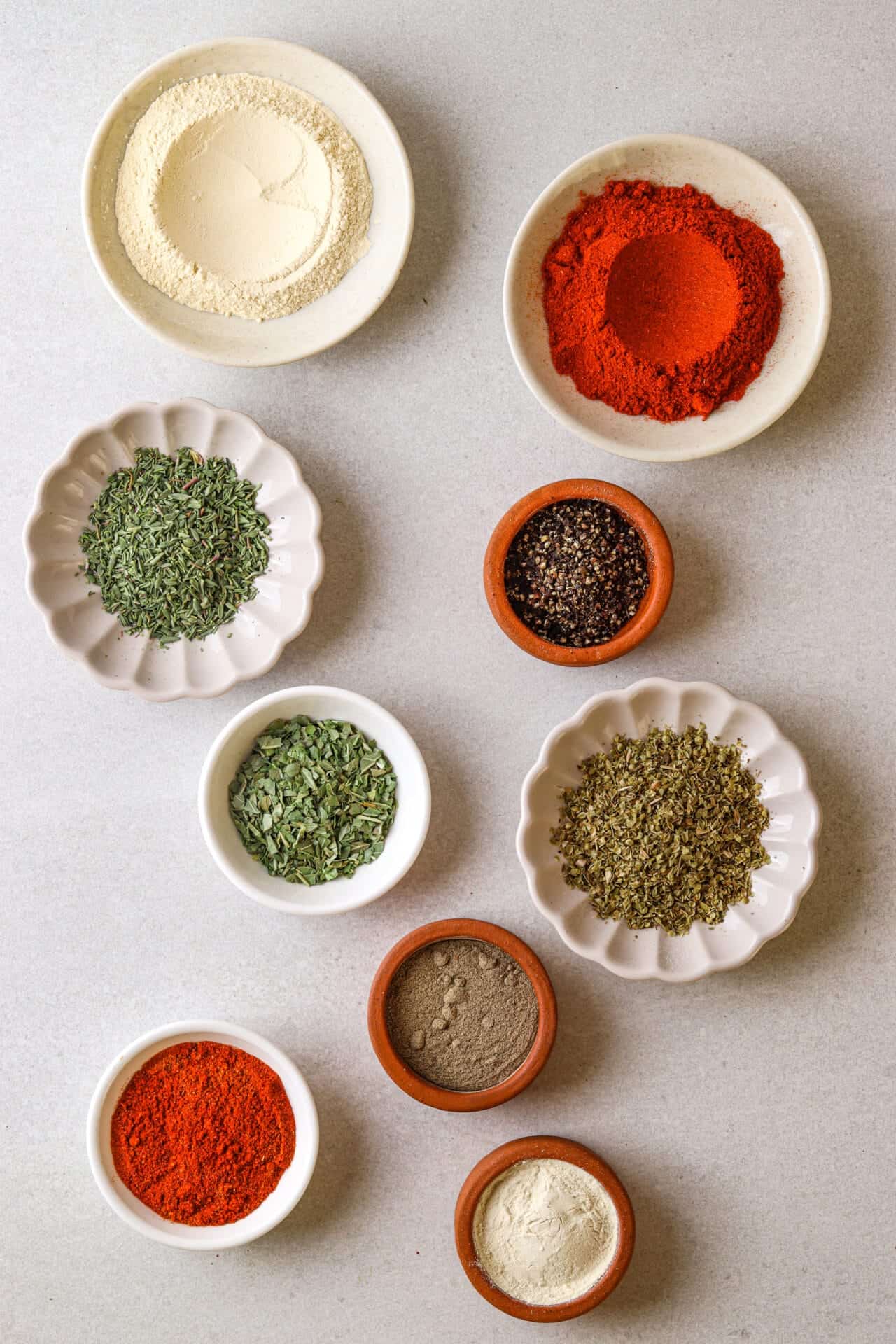
While they both hail from Louisiana and contribute to the state’s vibrant cuisines, Cajun and Creole seasoning do bear differences worth noting if you plan on making one yourself. The main difference, as you might expect, is the ingredients list. In fact, I could go one step further and say that the REAL difference is in the amount of ingredient used. Cajun seasoning is very generous with the amount of pepper used, making it a spicy addition to any dish. Creole seasoning, on the other hand, tends to favor the herbs more, with the ratio of oregano, thyme, and rosemary outweighing that of the black and white peppers.
How do I store the seasoning?
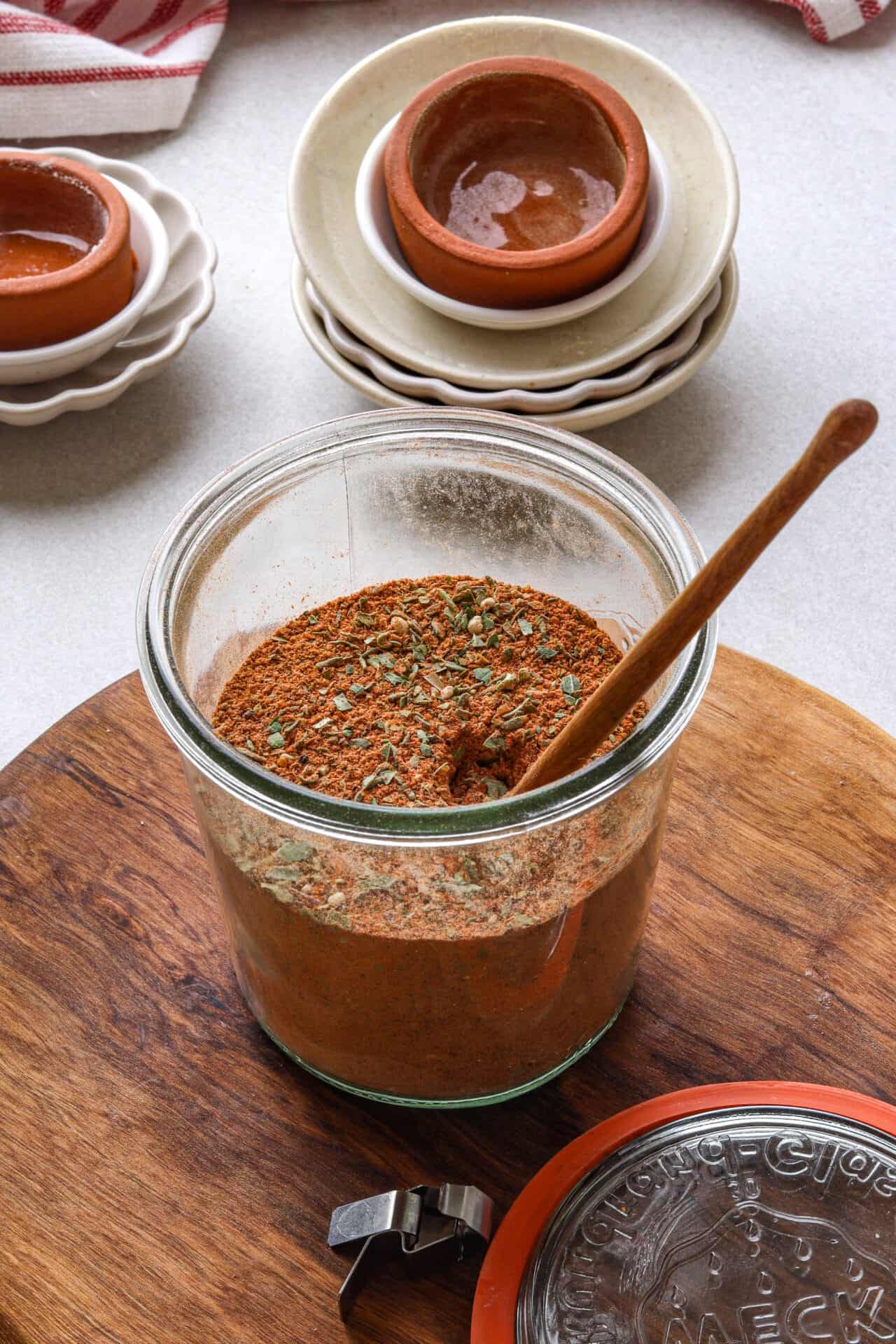
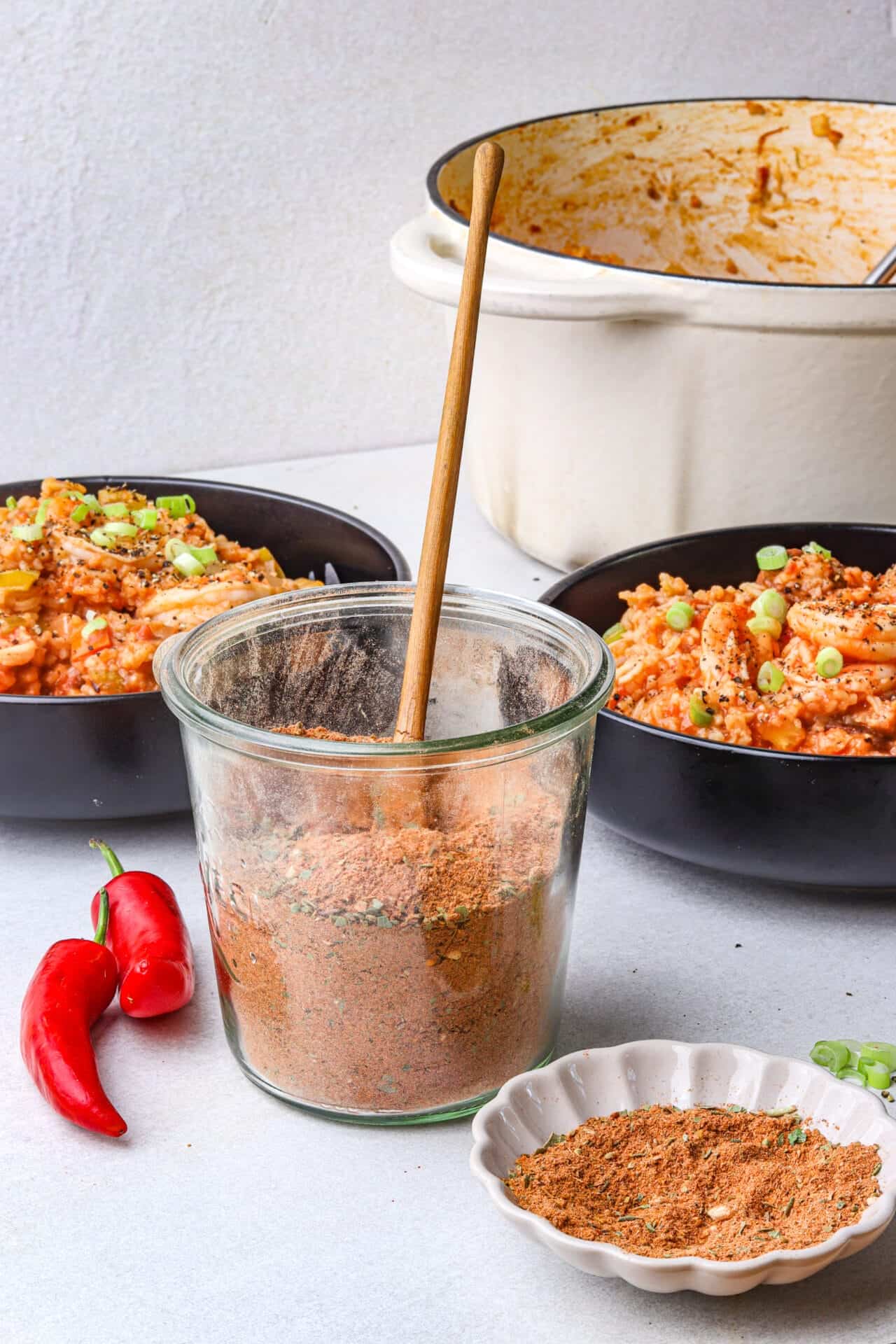
As I note above, I fill a shaker with my seasoning then line it up with the rest of my spice rack (being careful to label properly, of course). The rest of my seasoning is kept inside an airtight container and store in a cool, dry place to maintain freshness. You can keep using it for up to a year, though I find it starts to lose its potency after six months.
Serving Suggestions
The first thing you’re going to want to do is whip up a big batch of gumbo and test out your seasoning. Luckily, I’ve spent A LOT of time going over every variety of gumbo, so you just need to narrow it down to the type of gumbo you’re in the mood for. We’ve got Slow Cooker Gumbo, Vegan Gumbo, Instant Pot Gumbo, Vegetarian Gumbo, Chicken and Sausage Gumbo, Shrimp Gumbo, Duck and Shrimp Gumbo… the list goes on and on. (Actually, I think that might be it. In any case, you’ve got more than a few to experiment with and get that seasoning mixed just the way you like it.)
Creole Seasoning Recipe

Ingredients
- 6 tbsp paprika
- 4 tbsp garlic powder
- 2 tbsp onion powder
- 2 tbsp cayenne pepper (adjust to taste)
- 2 tbsp ground black pepper
- 2 tbsp ground white pepper
- 2 tbsp dried oregano
- 2 tbsp dried basil
- 2 tbsp dried thyme
Instructions
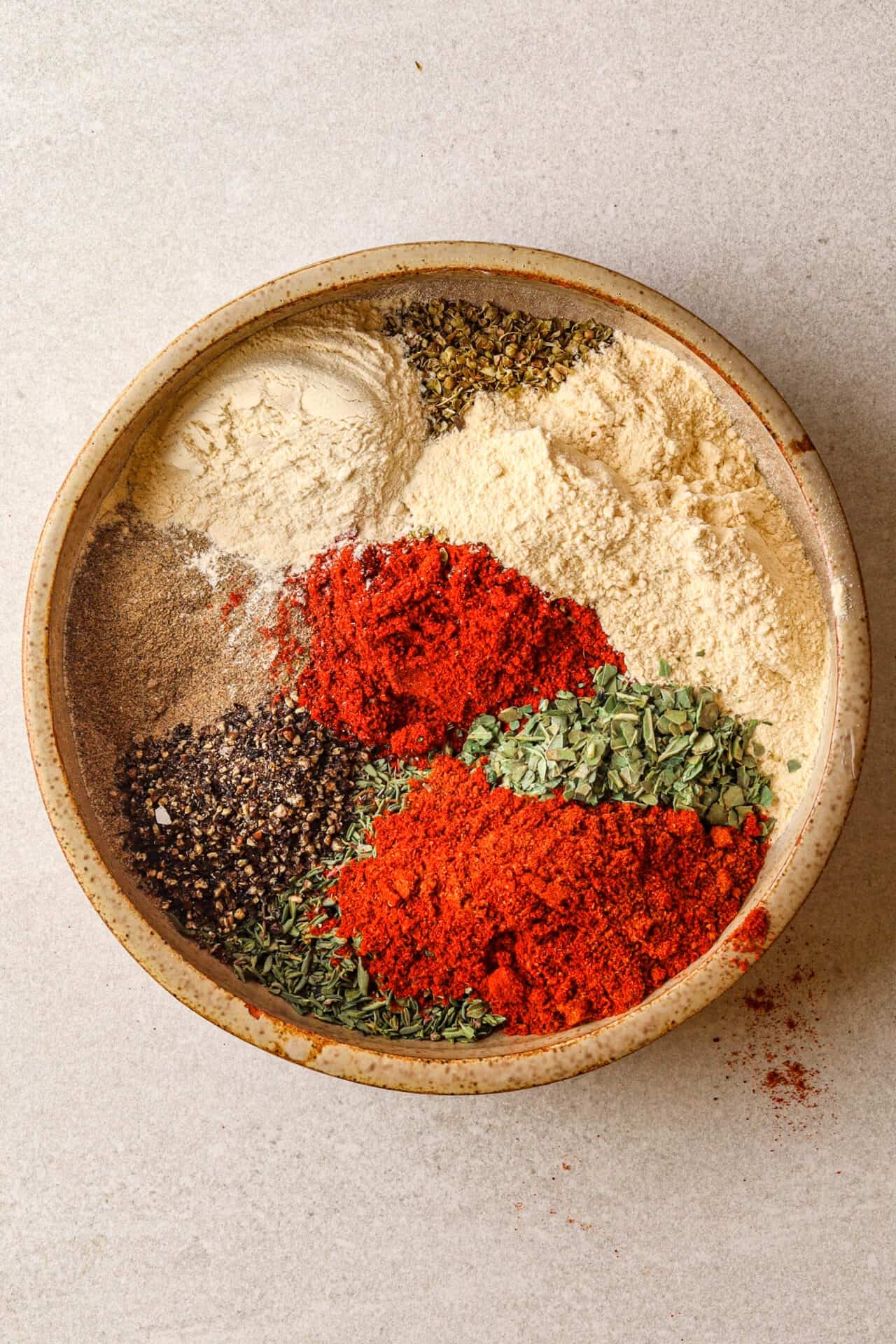
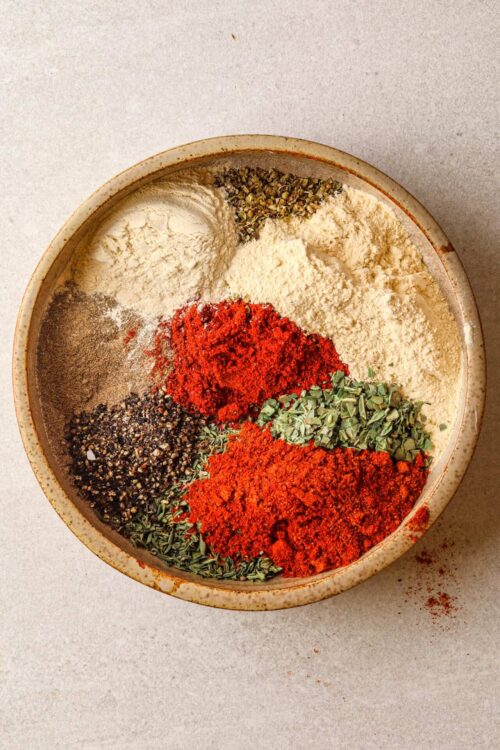
- In a small bowl, mix together the paprika, garlic powder, onion powder, cayenne pepper, black pepper, white pepper, dried oregano, dried basil, and dried thyme until well blended.
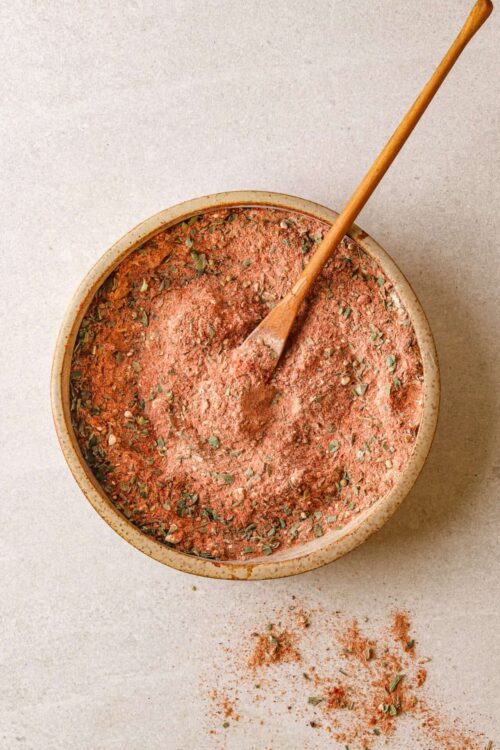
- Store properly. Transfer the seasoning blend to an airtight container and keep it in a cool, dry place to maintain freshness.

Leave a Comment