

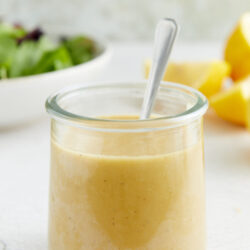
You’re going to find lots of delicious ways to use this dressing, in addition to drizzling it on a Cobb salad!
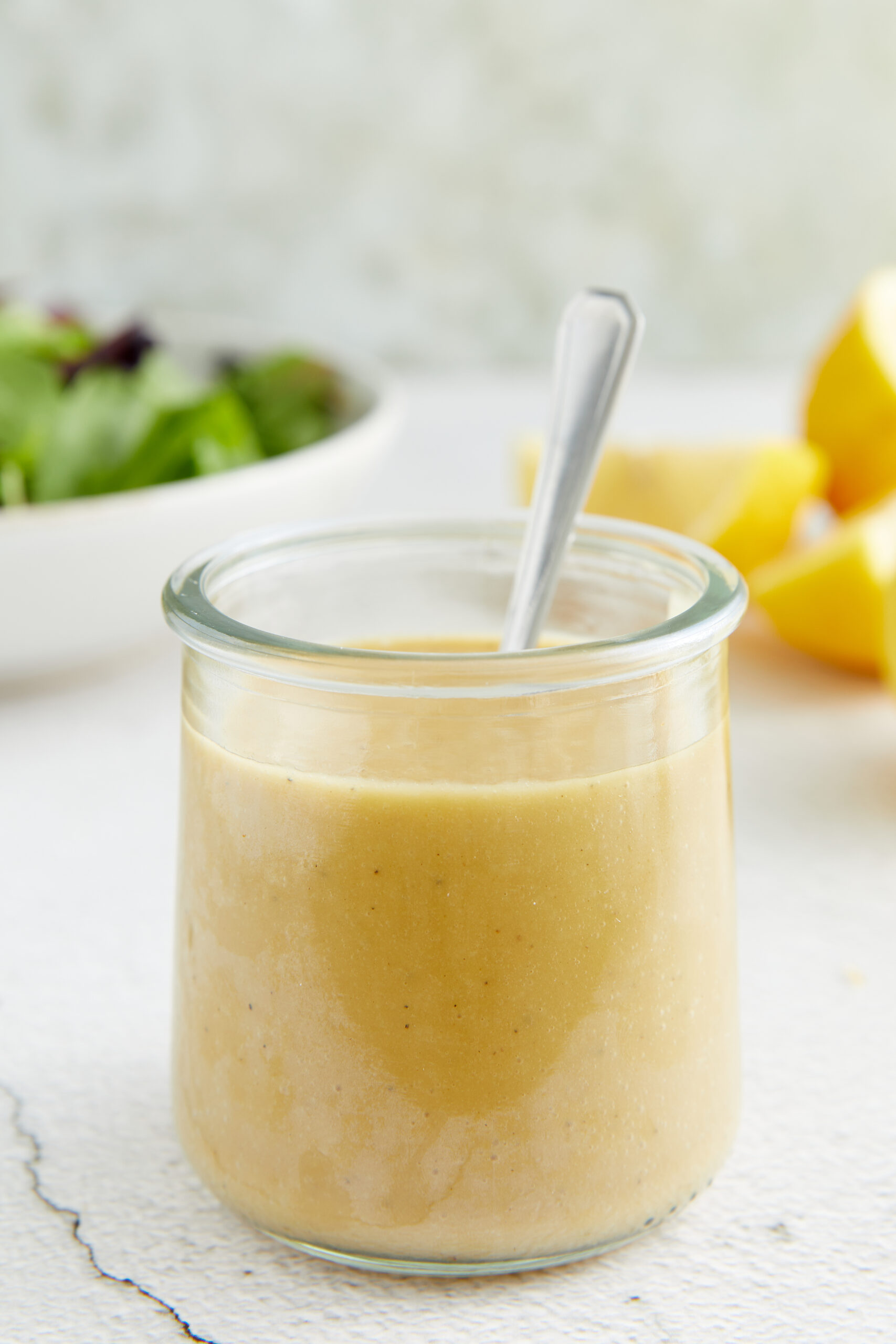
One of the things I love best about a classic Cobb salad, other than how beautiful those brightly colored, composed rows of ingredients look on the plate, is the way all of the components taste when eaten together. Greens, chicken, bacon, eggs, veggies, and the piquant blue cheese: so delicious! But the other thing I really love about a Cobb salad, the thing that brings everything together, is Cobb salad dressing.
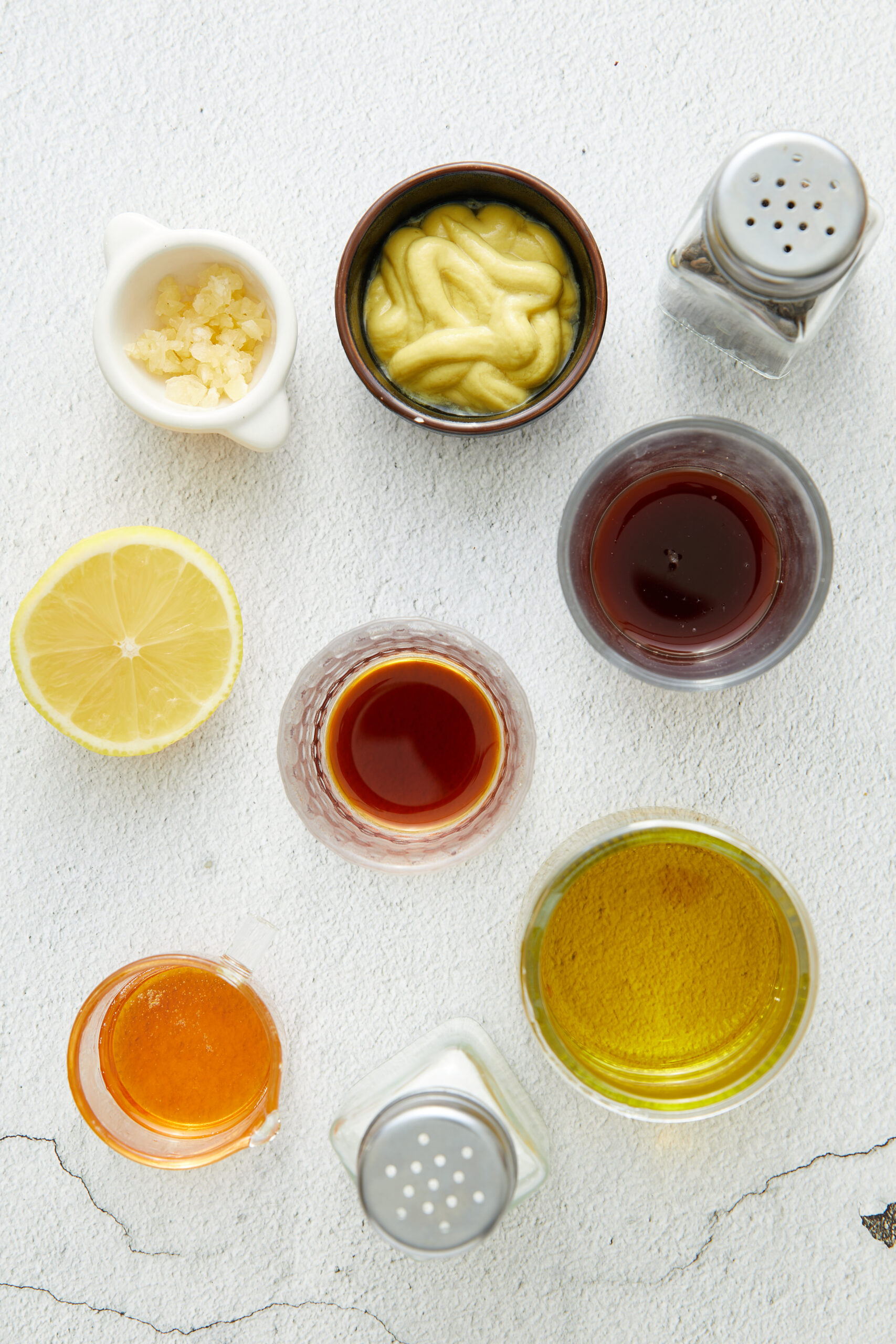
Our recipe for Cobb salad dressing is pretty close to the original, which was invented in 1937 by Robert Cobb, the owner of the Brown Derby restaurant in Hollywood. Although it was called a “French dressing” back then, it didn’t contain the ingredients we’ve come to associate with French dressing, such as ketchup, sugar, and paprika. Instead, it was made from olive oil, red wine vinegar, garlic, lemon juice, and Worcestershire sauce, the same ingredients that are in our recipe. Mr. Cobb used dried mustard powder, but we think our addition of Dijon mustard brings the perfect tang to the dressing. We are also adding honey, which brings a touch of sweetness but mostly balances all of the other sharp, savory flavors.
Making salad dressing is so easy that there’s really no reason to ever buy it at the store. Plus, there are no additives in homemade salad dressing, and you can adjust the flavors as you go along. For this two-step recipe, you will need a blender to mix the first eight ingredients together; once that process is complete, you’ll drizzle in the olive oil with the blender running to achieve the perfect consistency of this delicious salad dressing.
Emulsification
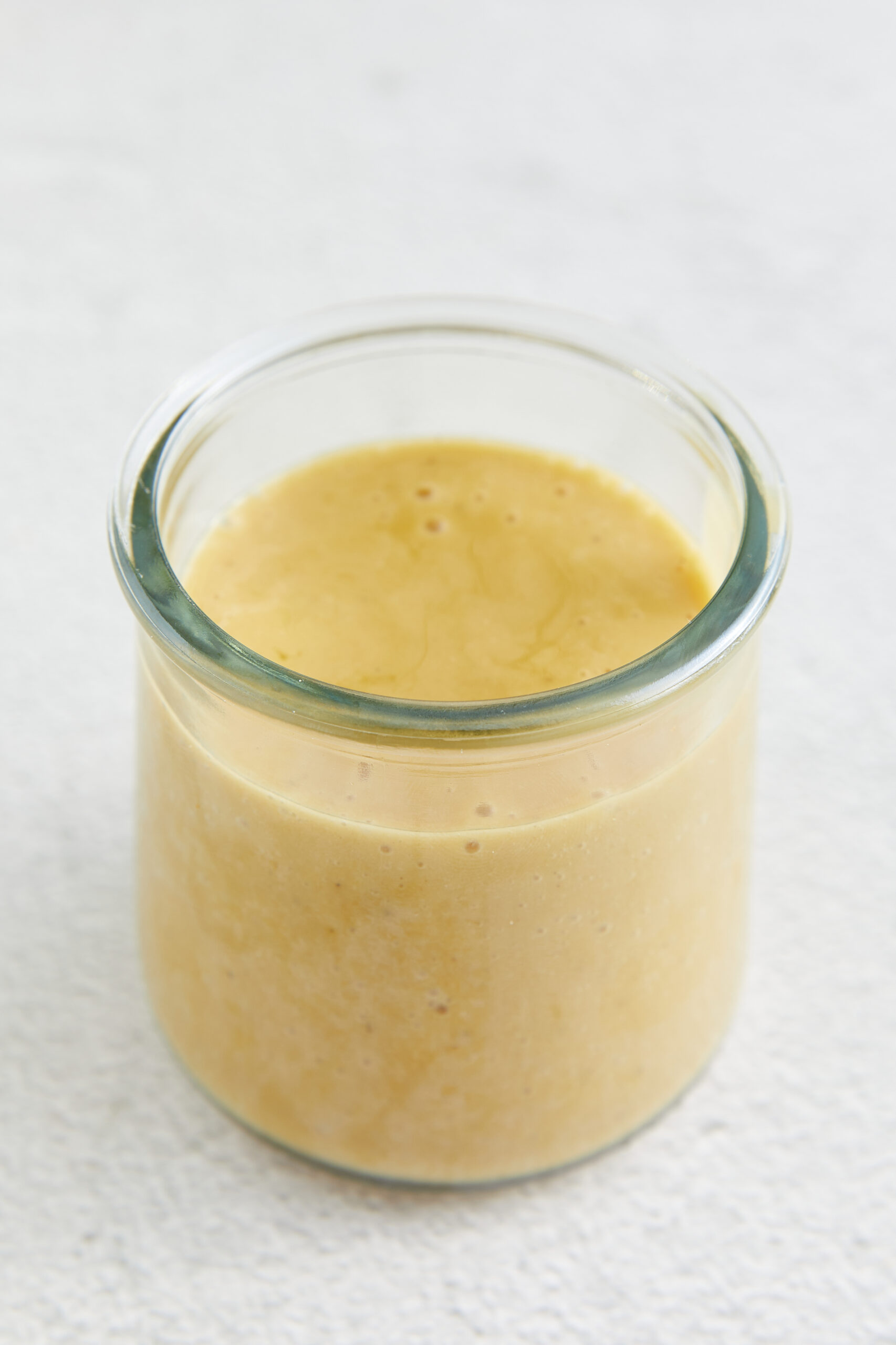
I’m sure you’ve heard people use the phrase “like oil and water” when talking about two things—or people!—that just don’t go well together; that’s because oil and water resist each other and will not blend. The same is true for oil and vinegar (which is mostly water), which means we wouldn’t have vinaigrettes if it weren’t for emulsification.
Emulsification is the process of combining two liquids that normally will not mix with each other, like oil and vinegar, with an emulsifier. A what, you say? An emulsifier, which is a molecule with one “water-loving” end and one “oil-loving” end. The emulsifier, in our recipe Dijon mustard, makes it possible for the oil and vinegar to become dispersed in each other, creating a smooth emulsion—in this case, also known as Cobb salad dressing!
How do I store leftovers?
Store Cobb salad dressing in a covered salad dressing container or a jar, and it will keep in the refrigerator for up to 1 week. Whisk to re-emulsify, if necessary.
Serving suggestions
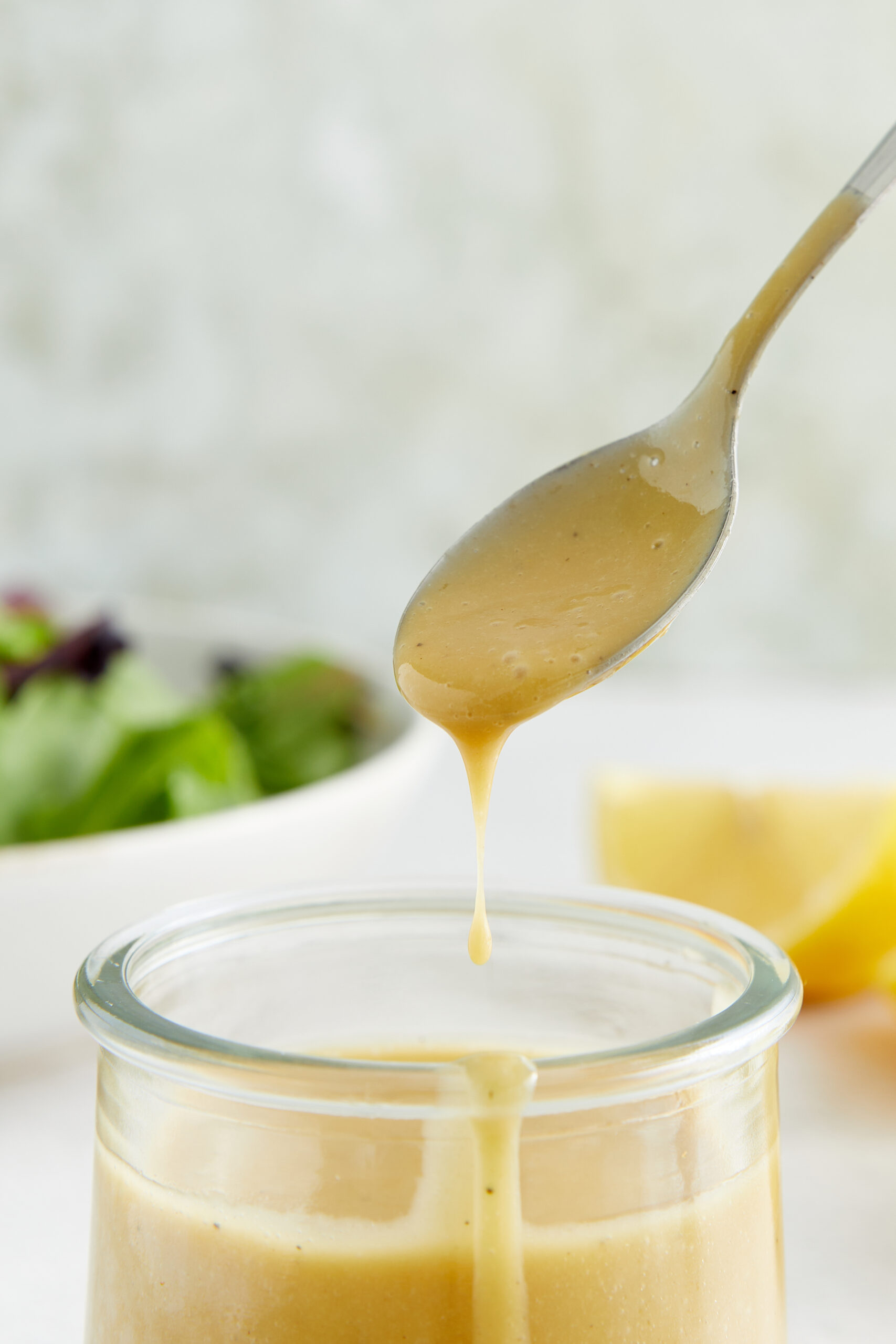
The most obvious way to use Cobb Salad dressing is on a Cobb Salad, but it’s not the only way! As you might imagine, it’s delicious on most any kind of salad, such as this House Salad, but it’s particularly wonderful on salads that feature blue cheese: we love it on Tomato, Basil, And Blue Cheese Salad and also on a classic Wedge Salad (either in place of or mixed with the blue cheese dressing called for in the recipe). And speaking of blue cheese, try using Cobb salad dressing as a dip for Blue Cheese And Asparagus Rolls or drizzle it over a Blue Cheese And Vidalia Onion. This dressing also makes a fantastic marinade for Herbes De Provence Chicken or Dijon Baked Salmon. I think you’ll find lots of other ways to use Cobb salad dressing!
Cobb Salad Dressing

Ingredients
- 1 teaspoon minced garlic
- 2 tablespoons Dijon mustard
- 3 tablespoons red wine vinegar
- 3 tablespoons fresh lemon juice
- 1/2 teaspoon Worcestershire sauce
- 2 tablespoons honey
- Kosher salt to taste
- Ground black pepper to taste
- 1/2 cup extra-virgin olive oil
Instructions
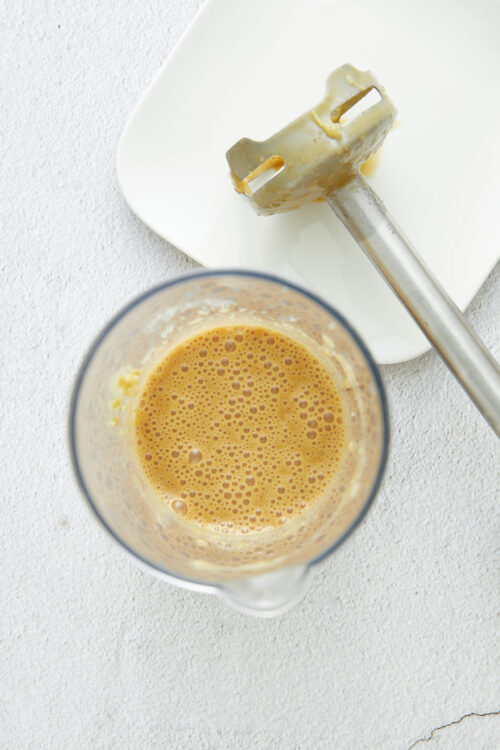
- Place the minced garlic, Dijon mustard, red wine vinegar, fresh lemon juice, Worcestershire sauce, honey, salt, and black pepper in a blender. Blend until the mixture is smooth.
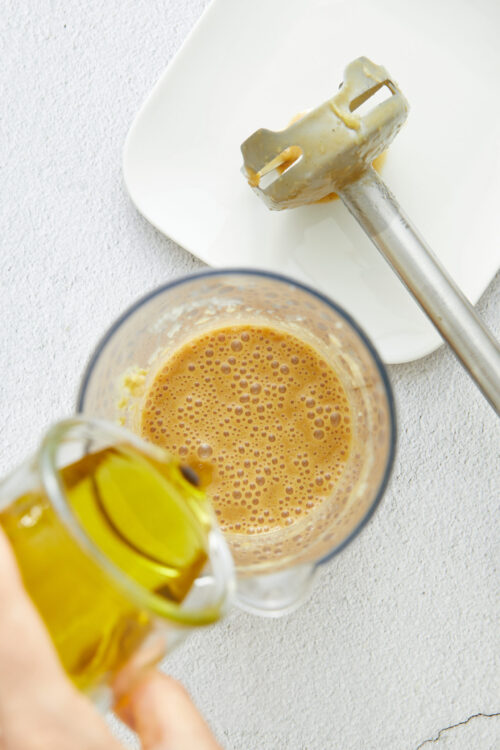
- With the blender running, slowly drizzle in the extra-virgin olive oil until the dressing thickens and emulsifies. Transfer the dressing to an airtight container and refrigerate until ready to use.

Leave a Comment