

Splendidly spiced skewers bring Indian street-food staples right into the comfort of your home!
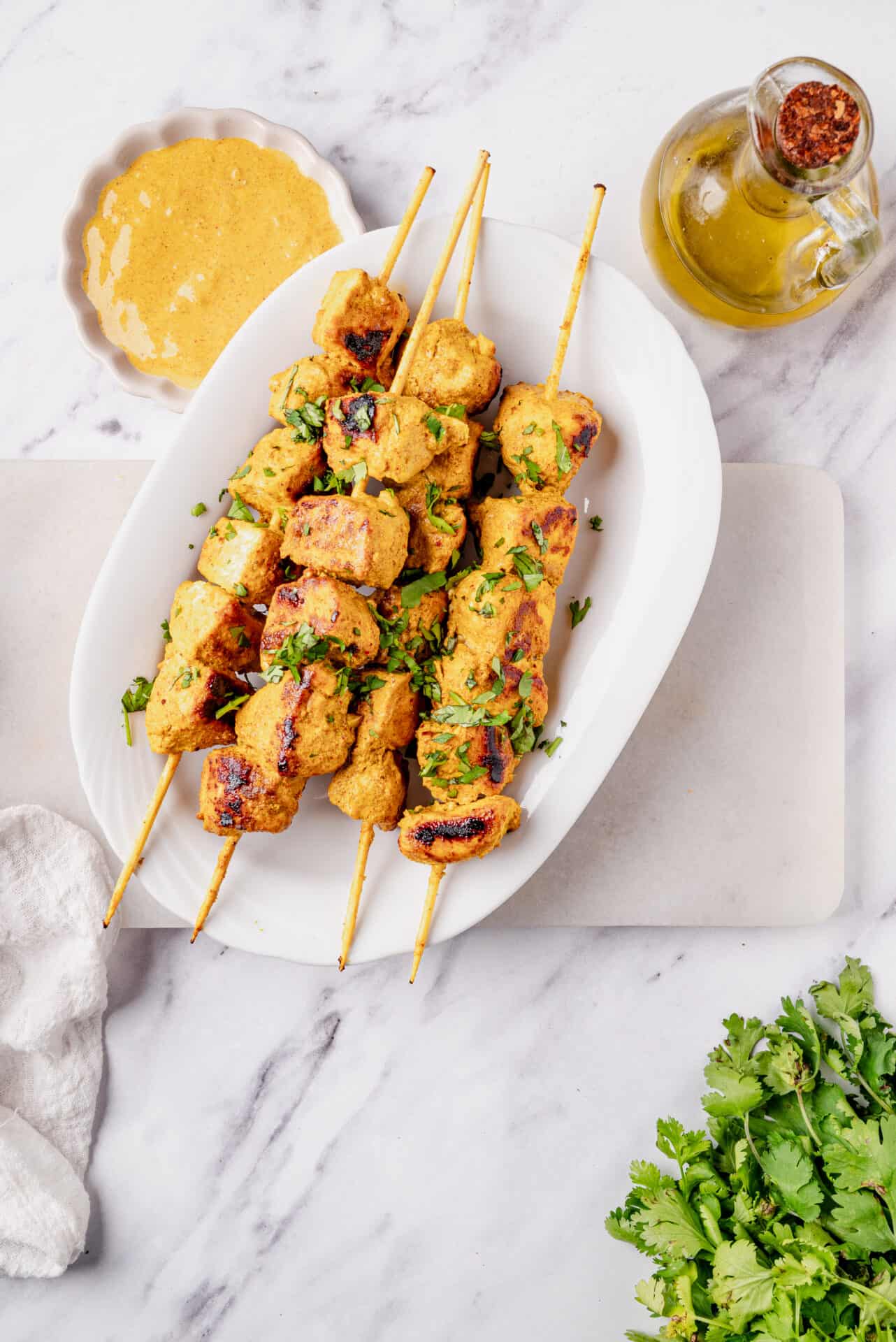
When it comes to getting delicious protein and fragrant flavors, sometimes it’s just as simple as roasting some meat on a stick. Skewers and kabobs are one of the most common ways food is prepared across the globe lending to its flexibility and ease (both in cooking and in eating!). By keeping your meat on a stick, you can effortlessly turn and ensure the thorough doneness of your proteins, and, once it’s done, you can unsheathe your skewer or tear the tender meat right off the rod! Such is the case with chicken tikka, a classic staple of South Asian street foods that brings classic Indian spices to juicy cuts of chicken and roasts them on easy-to-prepare, easier-to-eat skewers.
Chicken tikka has made an appearance in dozens of cuisines spreading from India to Pakistan and Afghanistan, even popping up in England following the British occupation of the Indian subcontinent. While every country serves the dish a little differently (from Afghanistan’s ginger-handed spice levels to Kashmiri versions with bone-in meat), the gist of chicken tikka is always the same: juicy chicken bites seasoned to perfection and cooked on a skewer!
Indian Imports – The Influence of British Raj
Many English favorites aren’t very English, chicken tikka among them. Whether it’s tandoori, butter, or curry chicken, there has been an indisputable influence of Indian culture and cuisine on British food that can be dated back to the 17th century, from the spices to the recipes themselves. Such cultural impacts are often the result of ripples through time from monumental moments of conquer, trade, and assimilation from long ago. Though the British import of spices in the 19th century may be common knowledge, it might be hard to believe that this influence continued through as recently as 1947, a year which saw the birth of Ted Danson and featured a Tom and Jerry cartoon in theaters! As such, let’s talk about chicken tikka and the other foods adopted into British cuisine from Crown rule — a cuisine all it’s own called Anglo-Indian.
Anglo-Indian food fuses the perceived exoticism of Indian spices with the milder sensibilities of English culture, prospering where dishes melded with existing practices and changing where British palates needed. Pre-packaged spice blends made cooking for the English tongue exciting and interesting with Indian imports. This meant that dishes like chutney were sustained alongside traditional jam-making techniques, sweetening the sauces and relishes and turning them into spreads appropriate for desserts and afternoon tea. It also meant that dishes like tandoori chicken, butter chicken, curry, and chicken tikka had their spices mellowed in order to appeal to English restaurant-goers’ tolerance.
India earned its independence in 1947 (the same year Sir Elton John was born) and has since spent decades crossing and redrawing newly established borders in an attempt at cultural preservation for its many displaced Sikh, Muslim, and Hindu people. Many of the classic Anglo-Indian dishes are nearly unchanged from their originals (except, perhaps, in regards to the spice levels), with foods like salted beef tongue, fish rissoles, and pish pash becoming emblematic of the cultural mixing consequent to the British rule over India and, without it, it is probable that some of our favorites from the Indian subcontinent wouldn’t grace our plates!
How to Make Ahead and Store?
If you aren’t going to serve your chicken tikka right away, it’s best to keep the coated chicken in a sealed container and refrigerate it until ready to cook — chicken tikka fresh off the grill is the tastiest! If you have finished chicken tikka skewers that need storing, unsheathe your skewers and store the finished tikka in an airtight container. The cooked chicken tikka bites will last in the fridge for up to 4 days and only need a quick toss in a hot skillet to bring back up to temp for eating!
How Do I Add More Spice To My Chicken Tikka?
Our recipe tries to straddle the line between Anglo-Indian sensibilities and the original chicken tikka; however, if it still could use some kick, you can always add another ½ teaspoon of ground red pepper to your yogurt mixture.
Serving Suggestions
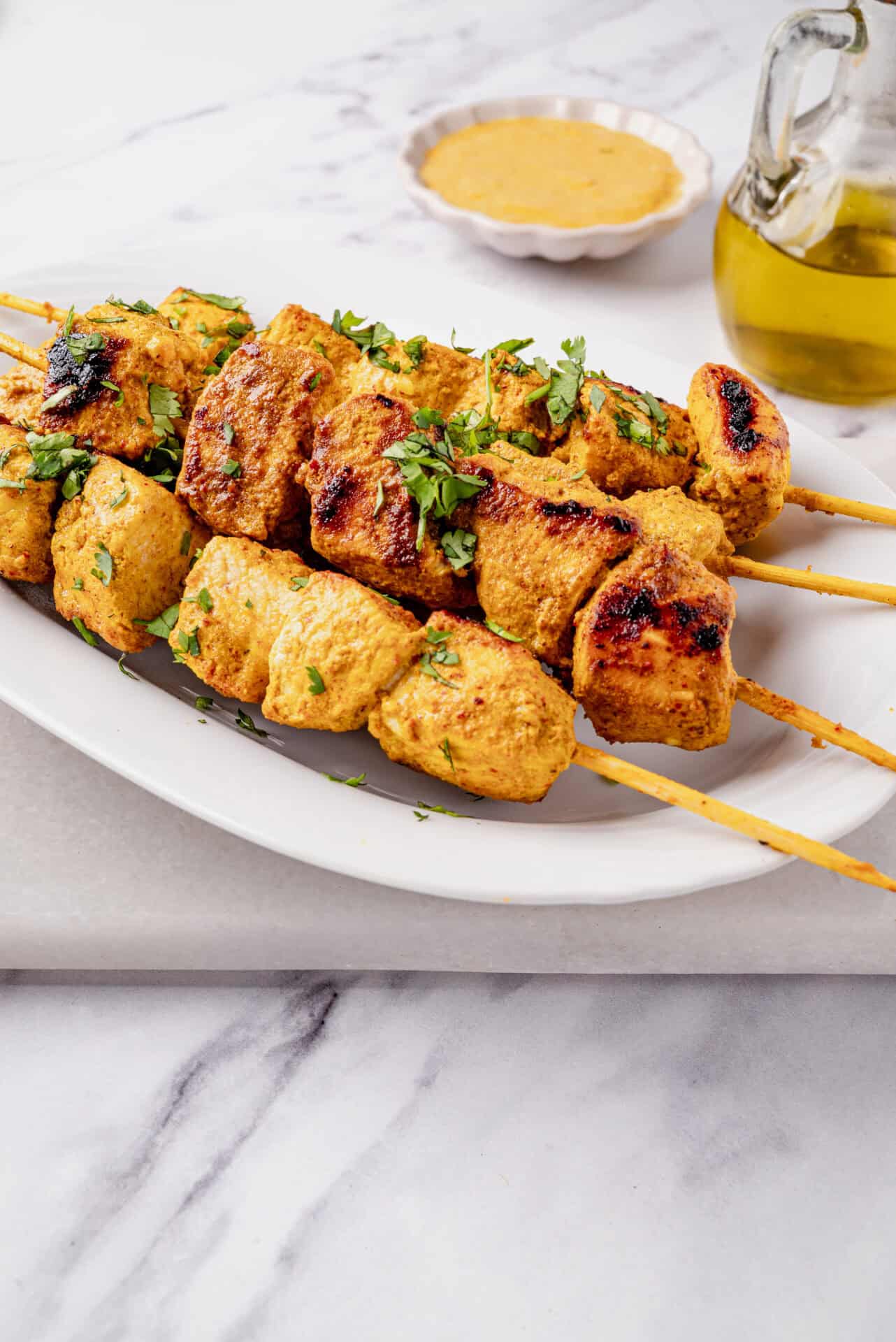
Chicken tikka tastes great with a side of roasted chickpeas and a garnish of caramelized onion and garlic jam to cut through the spice with a little sweetness! Serve it with a totally dippable tomato chutney or alongside a delicious spread of flatbreads, roasted tomatoes, and whipped goat cheese! If you have any chicken tikka left over, unsheathe it from the skewers and serve it in place of the butter chicken in our butter chicken and basmati recipe or deposit your cooked tikka into a naan for something similar to our tandoori chicken “burgers”.
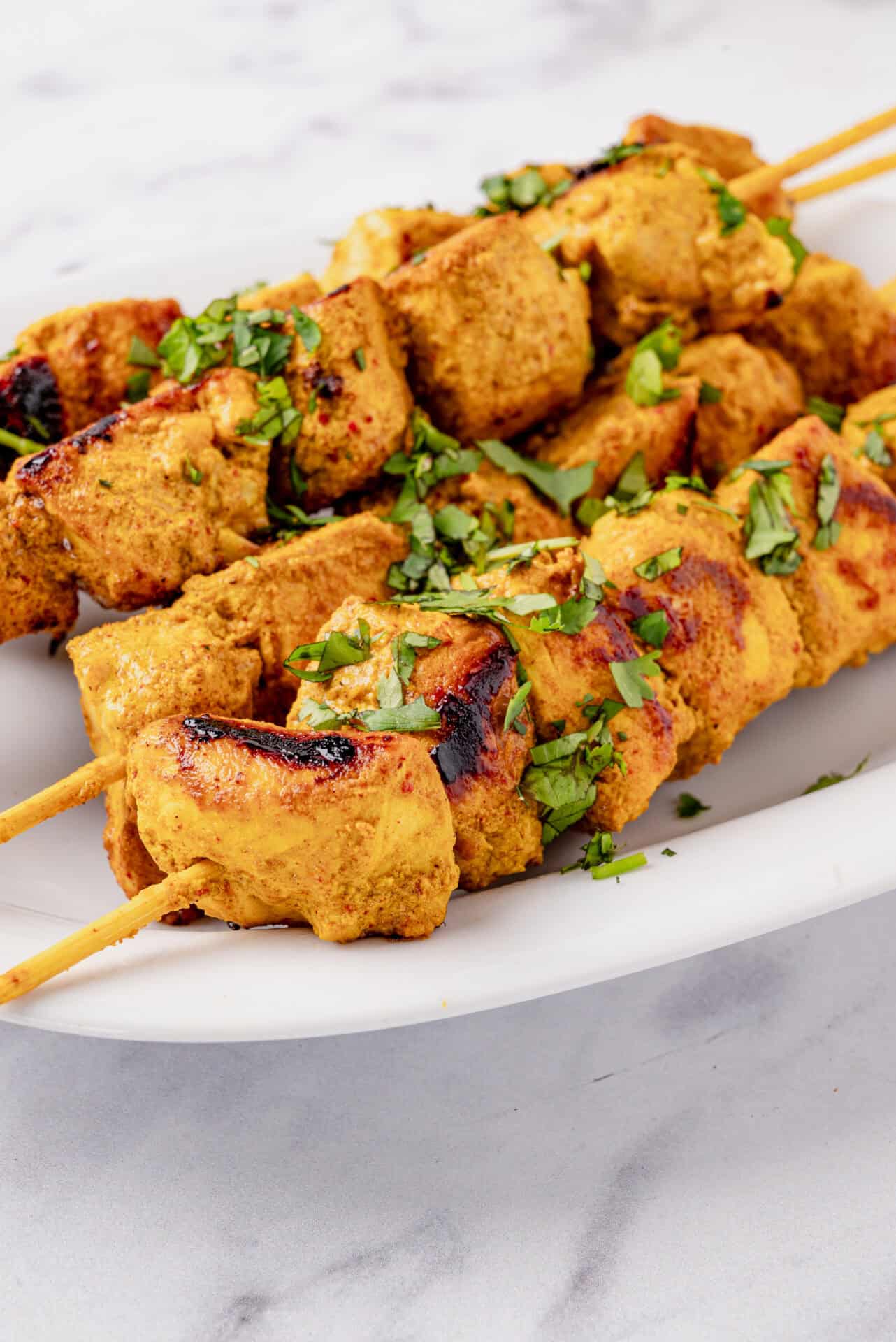

Chicken Tikka

Ingredients
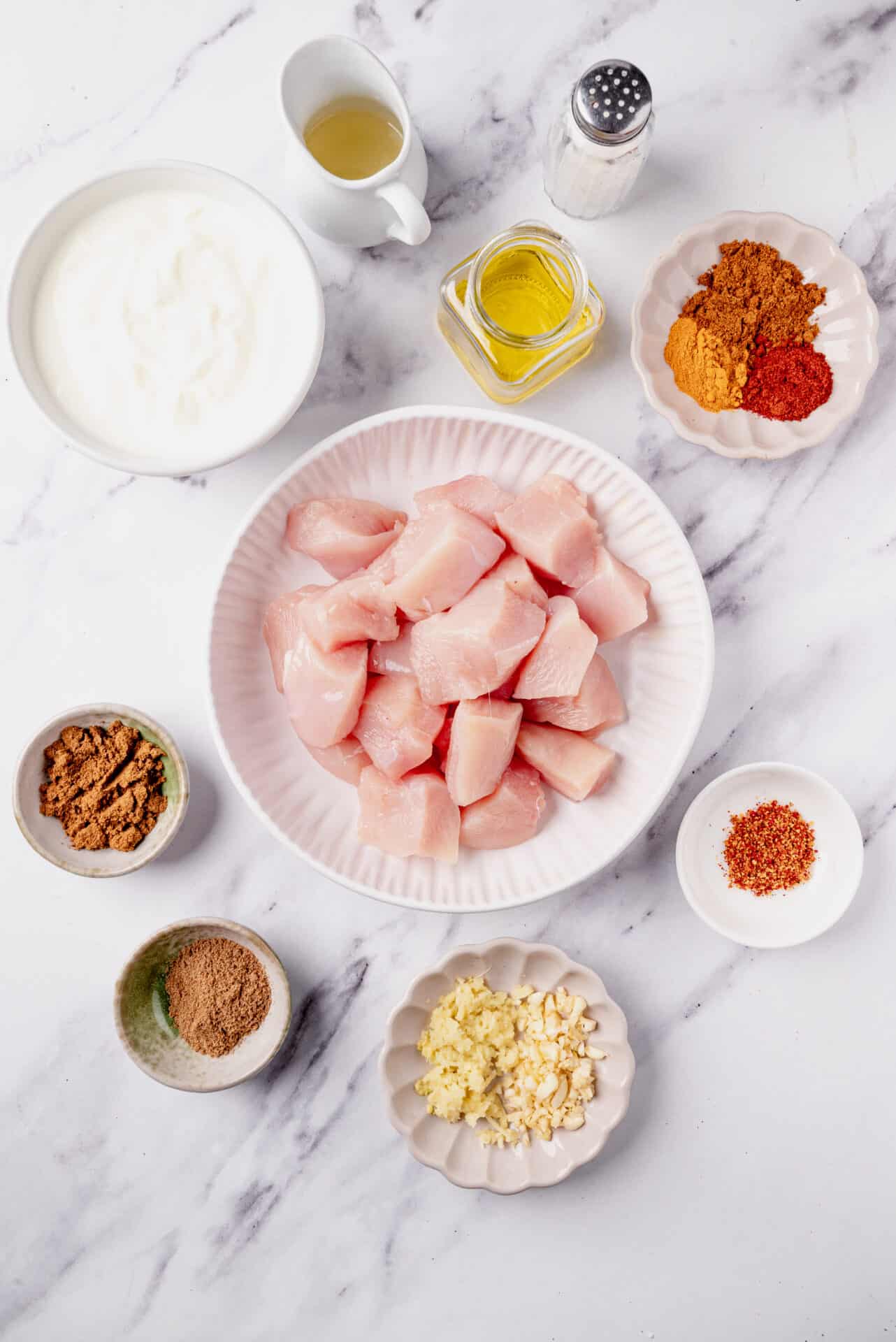
- 1 pound boneless skinless chicken breasts, cut into 1-inch cubes
- 1 cup plain yogurt
- 2 tablespoons lemon juice
- 1 tablespoon minced garlic
- 1 tablespoon minced ginger
- 1 tablespoon ground cumin
- 1 tablespoon ground coriander
- 1 teaspoon paprika
- 1 teaspoon turmeric
- 1 teaspoon garam masala
- 1/2 teaspoon ground red chili powder
- 1/2 teaspoon salt
- 2 tablespoons vegetable oil for grilling
Instructions
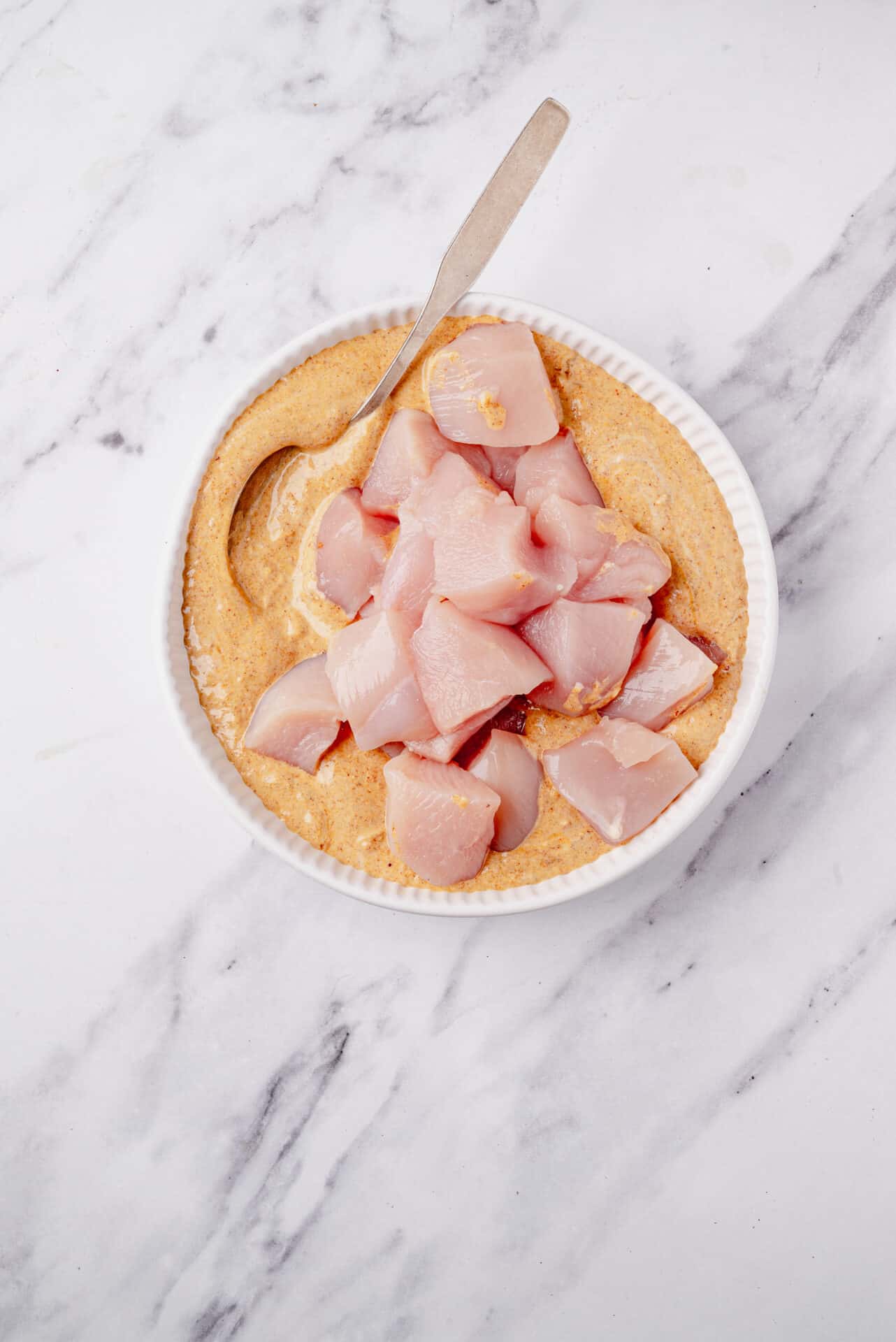
- In a large bowl, whisk together yogurt, lemon juice, garlic, ginger, cumin, coriander, paprika, turmeric, garam masala, chili powder, and salt.
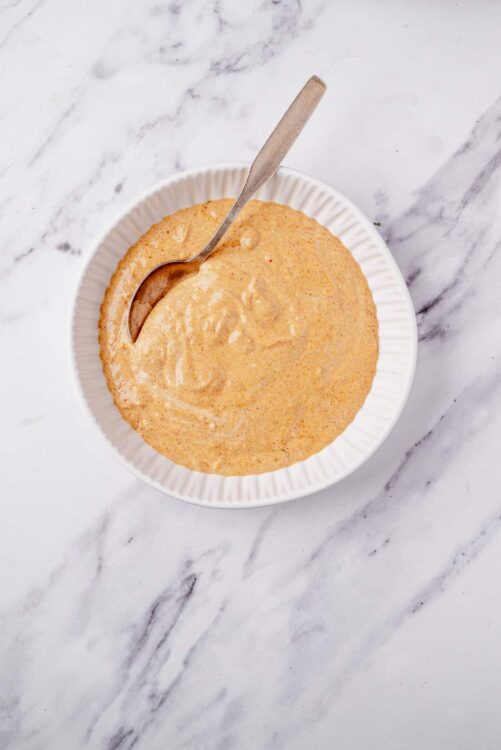
- Add chicken pieces to the marinade and toss to coat evenly. Cover and refrigerate for at least 1 hour, or overnight for best flavor.

- Preheat grill to medium-high heat and lightly oil the grates.
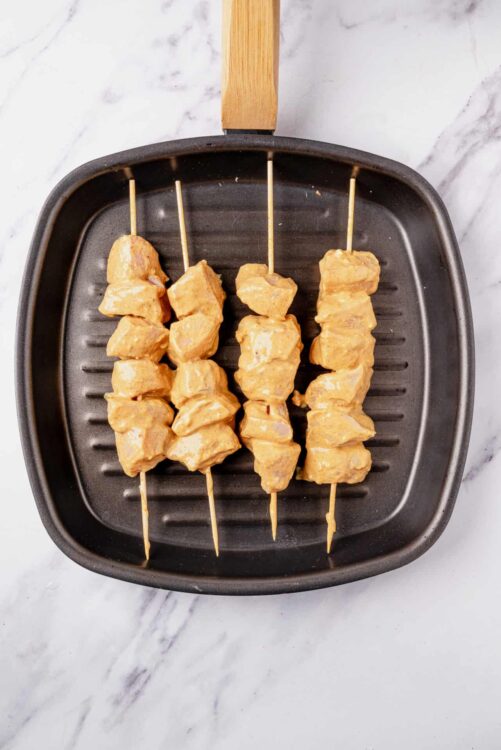
- Thread the marinated chicken pieces onto skewers.
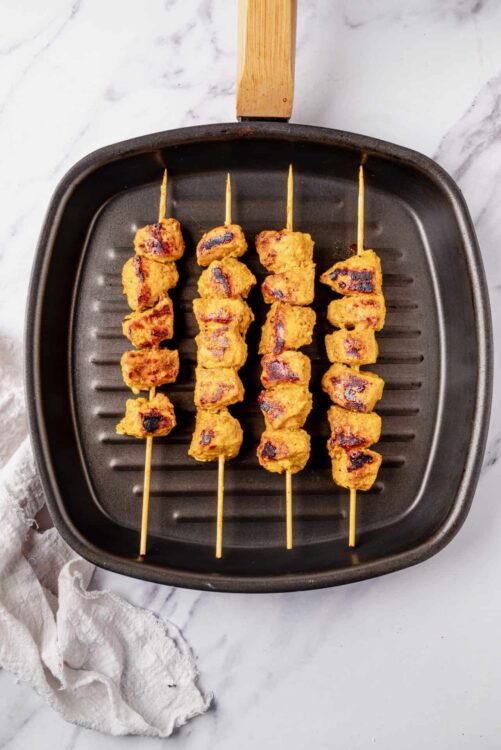
- Grill chicken skewers for 10-12 minutes, turning occasionally, until the chicken is cooked through and has a slight char on the edges.
- Serve hot, garnished with fresh cilantro if desired.

Leave a Comment