

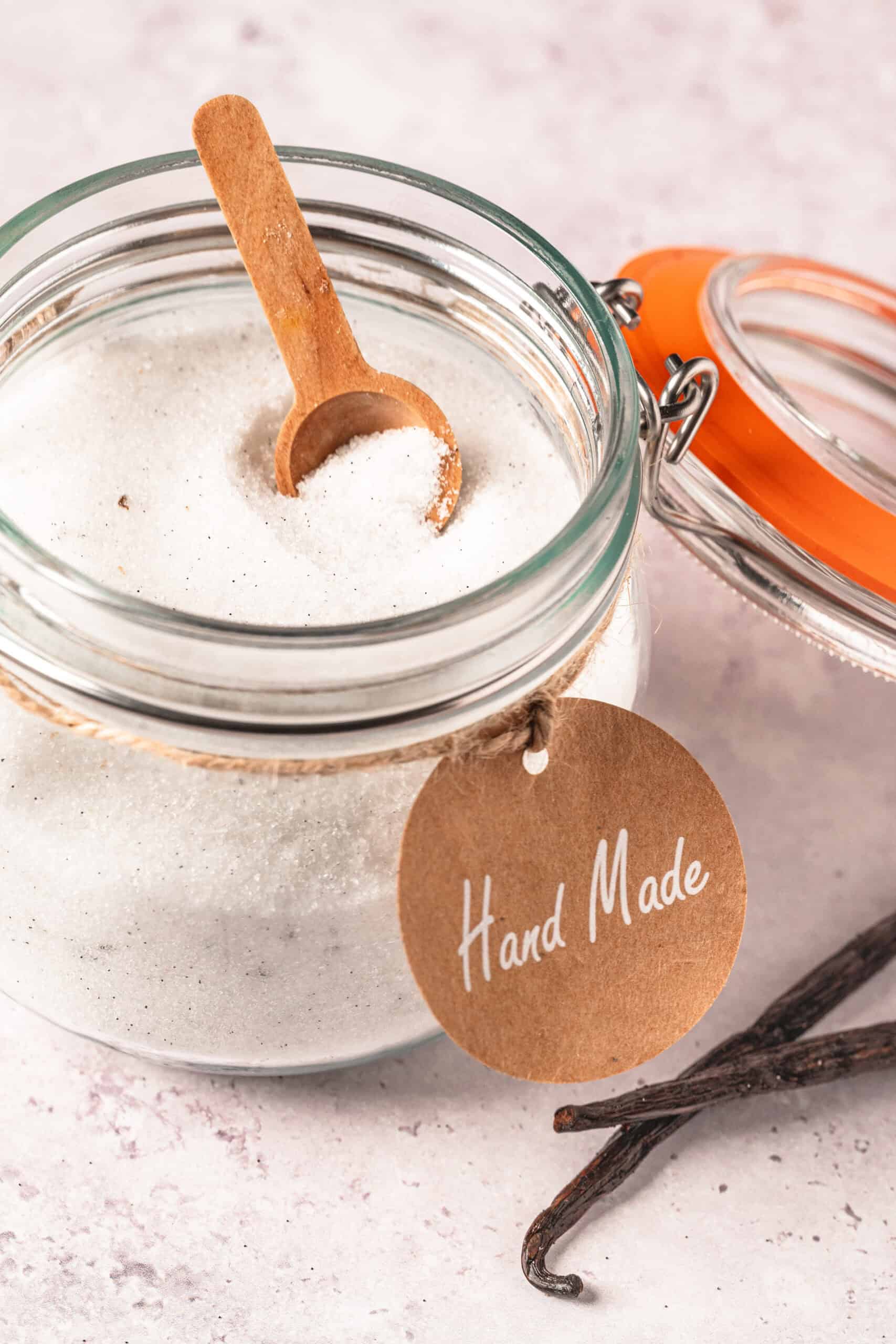
Surprisingly versatile but unsurprisingly wonderful, Vanilla Sugar is a very special ingredient indeed.
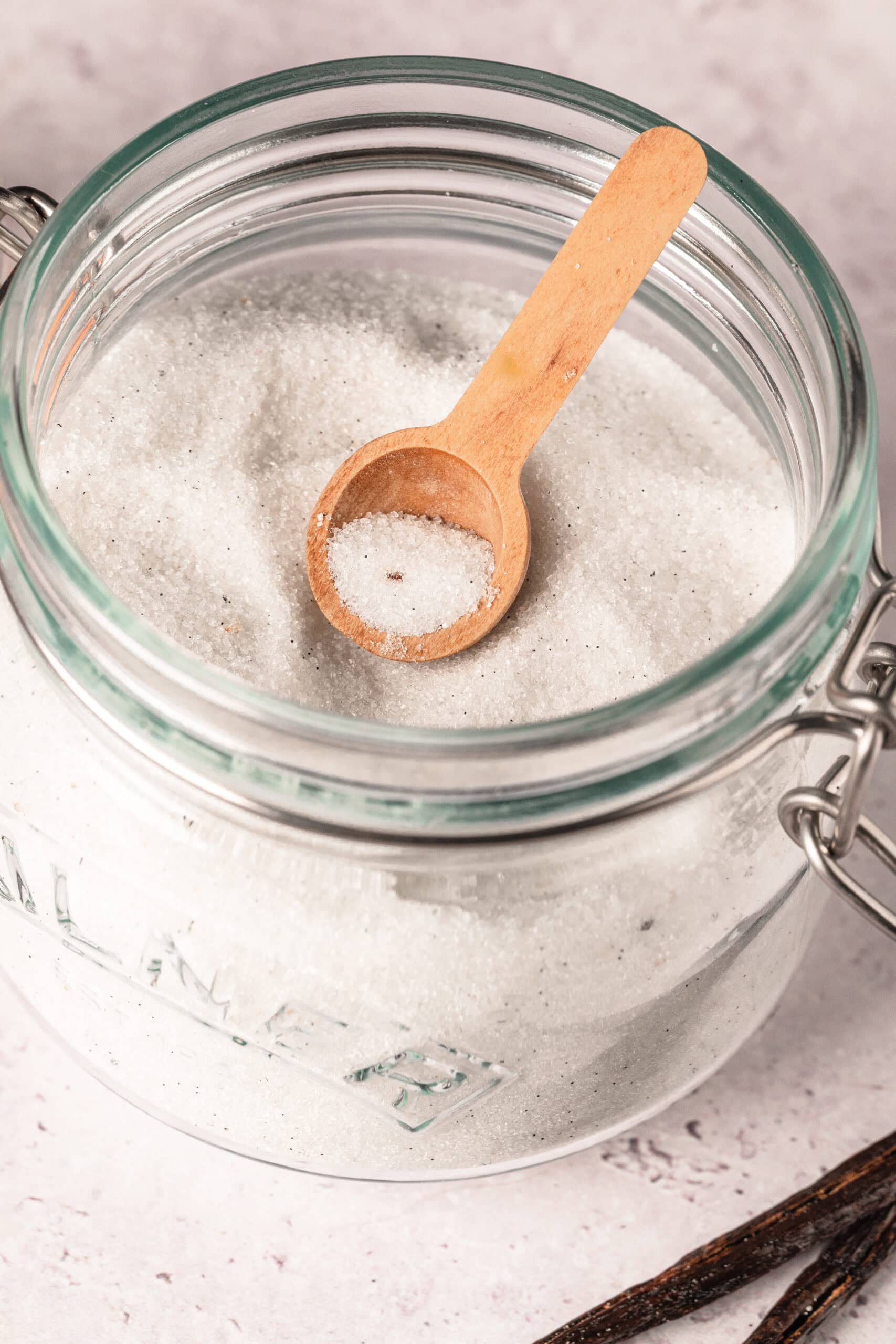
Vanilla is essential to most baked goods. If you’ve ever forgotten to add vanilla extract to a recipe that calls for it, at first bite, you’ll know something deep, sweet, and beautiful is missing. By the same token, if you add some additional vanilla to any recipe that calls for it, you’ll delight at the marvelously rich result. Vanilla is considered the most popular and widely used flavor around the world; it’s just one of those distinctive ingredients that is simply not replaceable. So while we would never suggest you replace the vanilla extract in your recipes with this vanilla sugar, we know you’re going to love what it adds to your sweet treats and the myriad other ways there are to use it.
The vanilla bean, also called the vanilla pod, is long, dark, and thin; when you slice it open, you’ll find the seeds—the place where vanilla’s tantalizing flavor and aroma reside. When you mix those seeds into granulated white sugar, they infuse that ingredient and transform it into something truly special. You can use vanilla sugar right away, but the longer it sits, the more intensely vanilla the sugar becomes.
You won’t believe how easy it is to make vanilla sugar: two ingredients, one jar, ten minutes. In addition to mixing the seeds into the sugar, you can submerge the scraped pods in there as well for an even more profound vanilla experience. Whether you use just the seeds or add the scraped pods, the flavor will strengthen over time. And if you make it often enough and only use the seeds, you can save the pods and use them to make your own Vanilla Extract.
Vanilla sugar is incredibly versatile, but one thing I love to do is use it to replace regular sugar in my recipes for vanilla desserts. Try it in Vanilla Cake, Vanilla Bean Almond Sugar Cookies, or Vanilla Ice Cream.
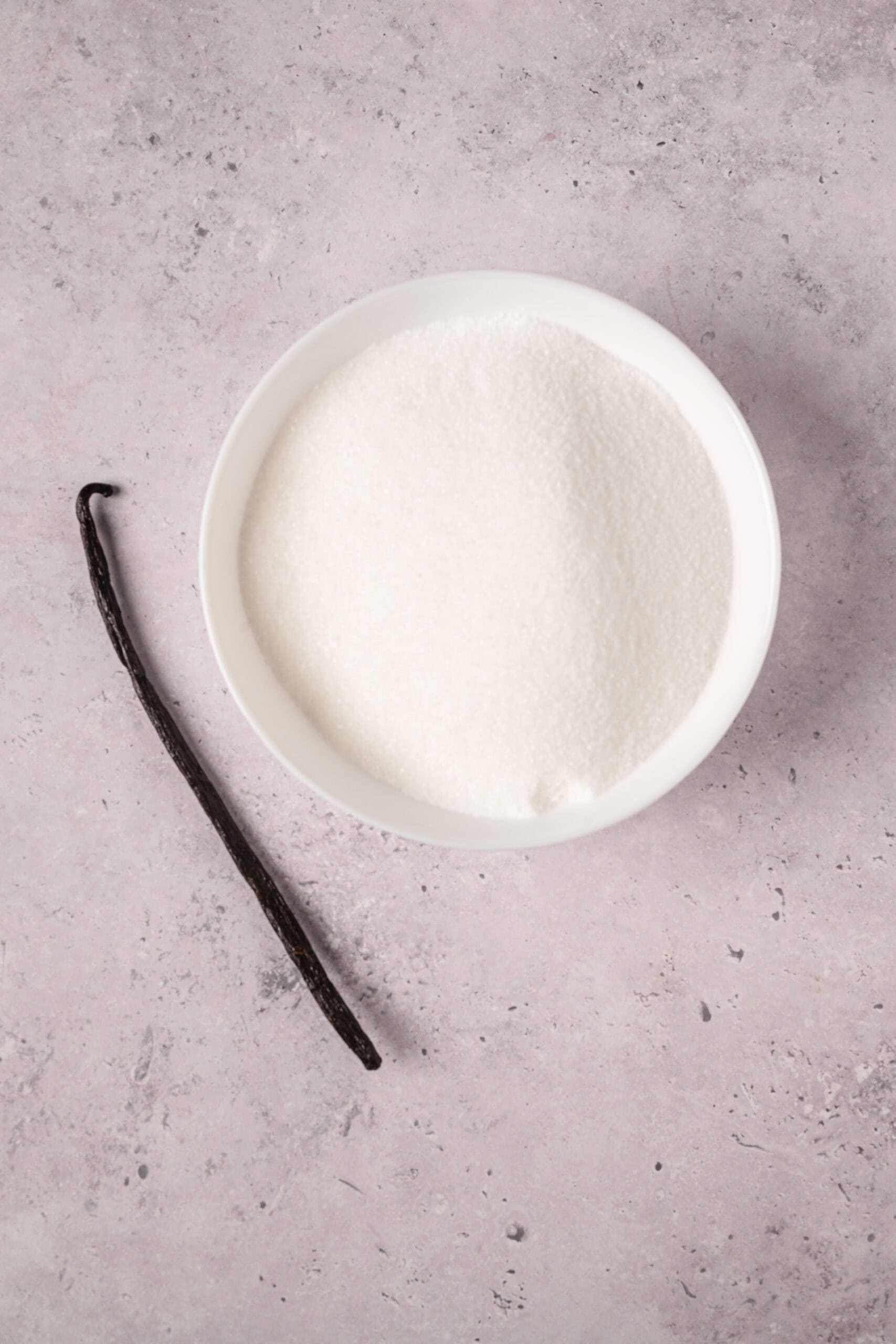
Why vanilla bean pods are so expensive
Vanilla bean pods are pretty pricey, but there is a good reason why: they are extremely difficult to cultivate. All-natural vanilla comes from the vanilla orchid, a singular variety native to Mexico that can only be grown in certain kinds of tropical climates (think year-round warm temps and lots of rain). What’s more, it takes several years for the plants to reach maturity and flower. When they do, the blossoms only have a single day to be pollinated. In Mexico, the stingless Melipona bee evolved to pollinate the vanilla orchid. Since Melipona bees don’t live in the other places that are famous for vanilla, such as Madagascar and Tahiti, pollinating vanilla orchids in these regions is done by hand.
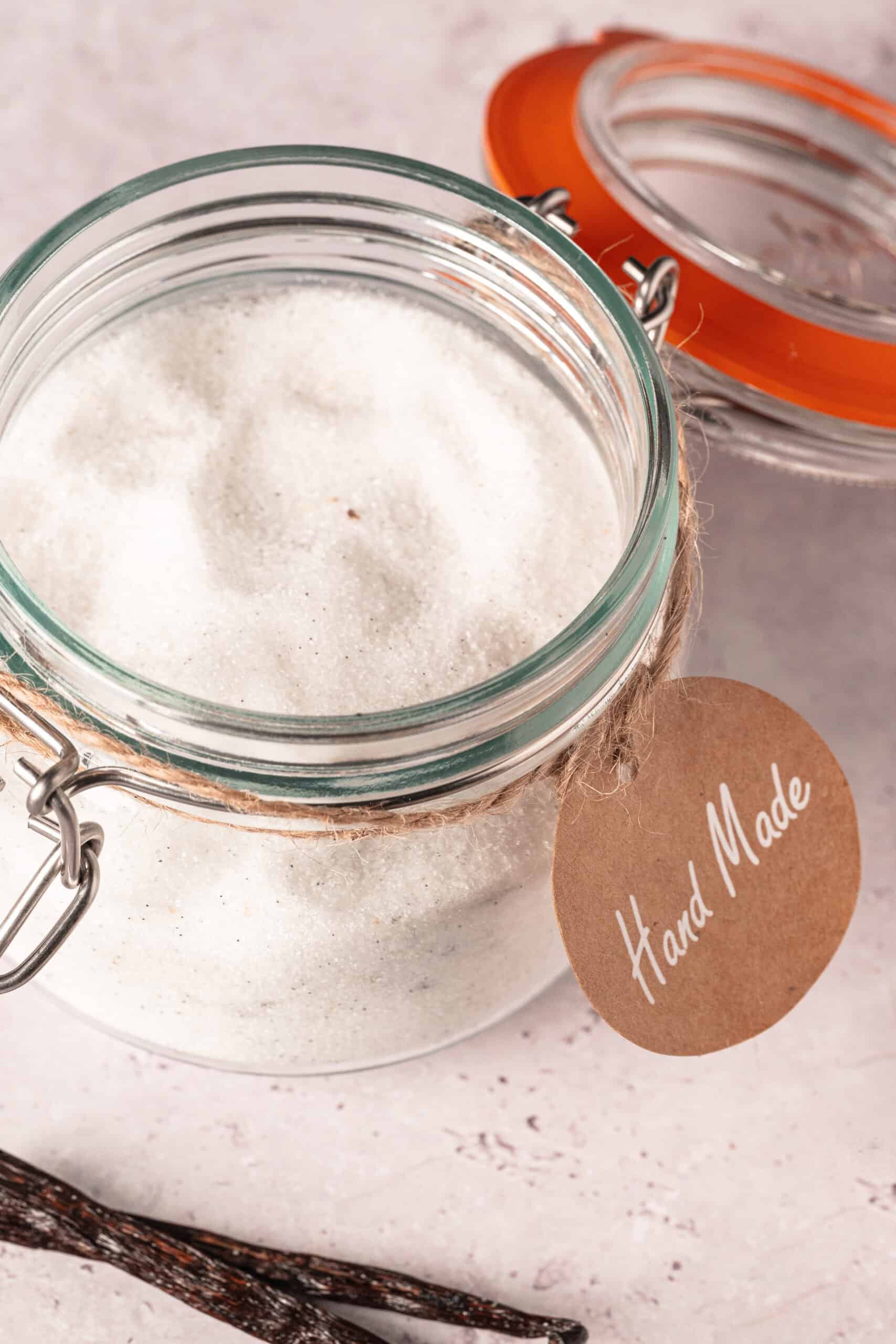
How do I store leftovers?
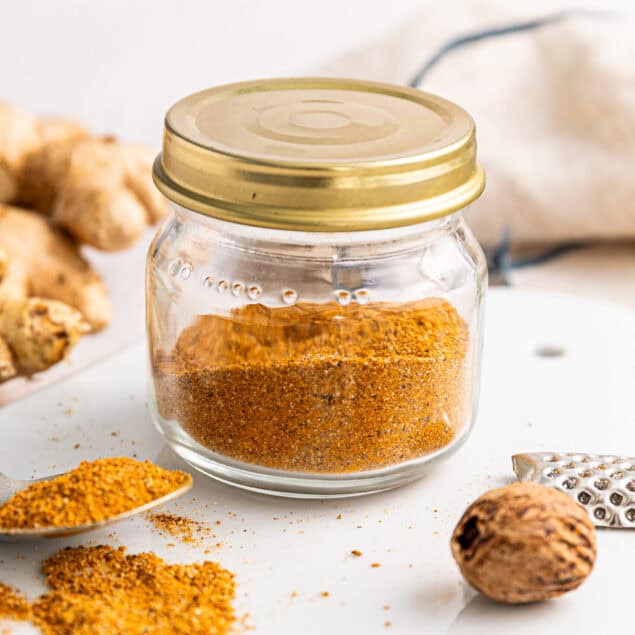
A glass jar is best for storing vanilla sugar because it is airtight and won’t absorb odors or other flavors. Store your vanilla sugar in a cool, dry place, and it will last indefinitely. You can also keep adding sugar and vanilla seeds when your supply begins to dwindle.
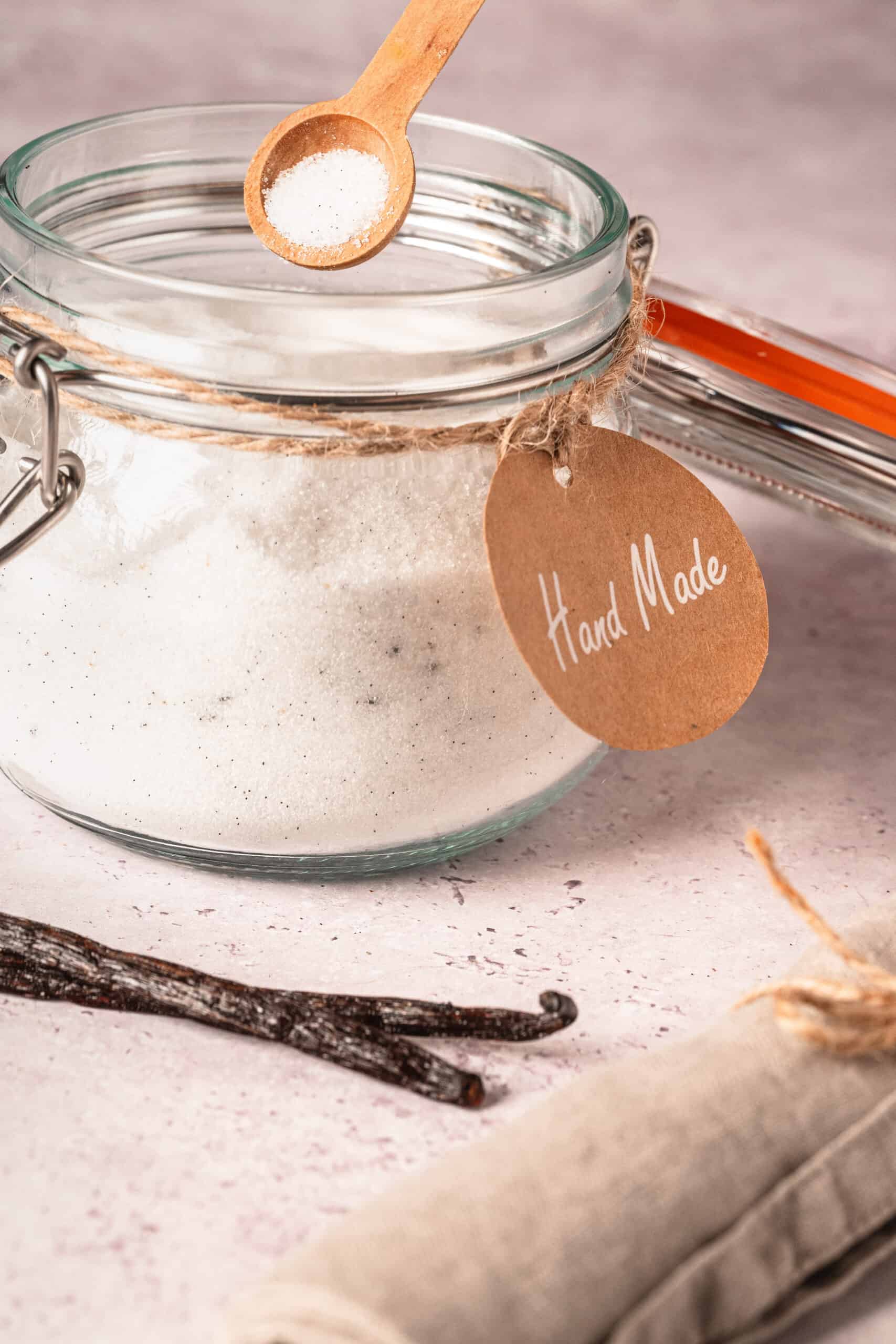
Serving suggestions
In addition to using vanilla sugar in recipes for cakes or cookies (or other treats, like Vanilla Spice Latte, Buttermilk Pancakes, or Crème Anglaise), you can use it on all kinds of things to take your favorites to a new level of deliciousness. We love sprinkling vanilla sugar on top of oatmeal, especially Banana Oatmeal and this Vegan Berry Oatmeal Bake. It also provides a wonderfully sweet crunch on top of creamy White Chocolate Mousse and Coconut Flan. And if you love your fruit with a bit of sugar on top, you must garnish this Tropical Fruit Tart with vanilla sugar. Speaking of fruit, I also love to finish Fresas Con Crema with vanilla sugar because it’s perfect with fresh strawberries and sweetened sour cream.
Vanilla Sugar

Ingredients
- 2 cups granulated sugar
- 1 vanilla bean
Instructions
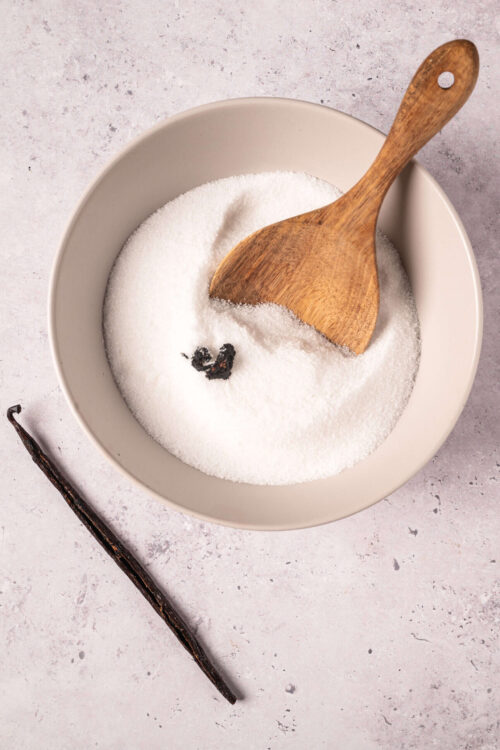
- Place sugar in a bowl. Slice the vanilla bean in half, scrape out seeds, and mix them with the sugar.
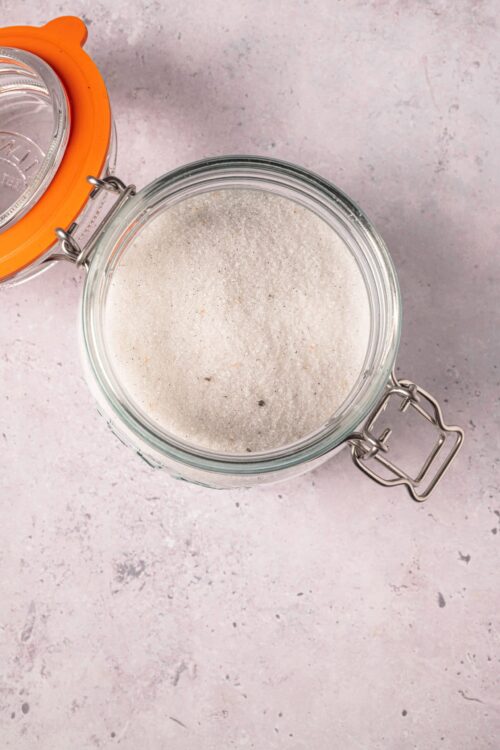
- Transfer the sugar mixture to an airtight jar. For more flavor, add the scraped vanilla pod and let it sit at room temperature for a couple of weeks. You can use it immediately, but resting enhances the taste.


Leave a Comment