

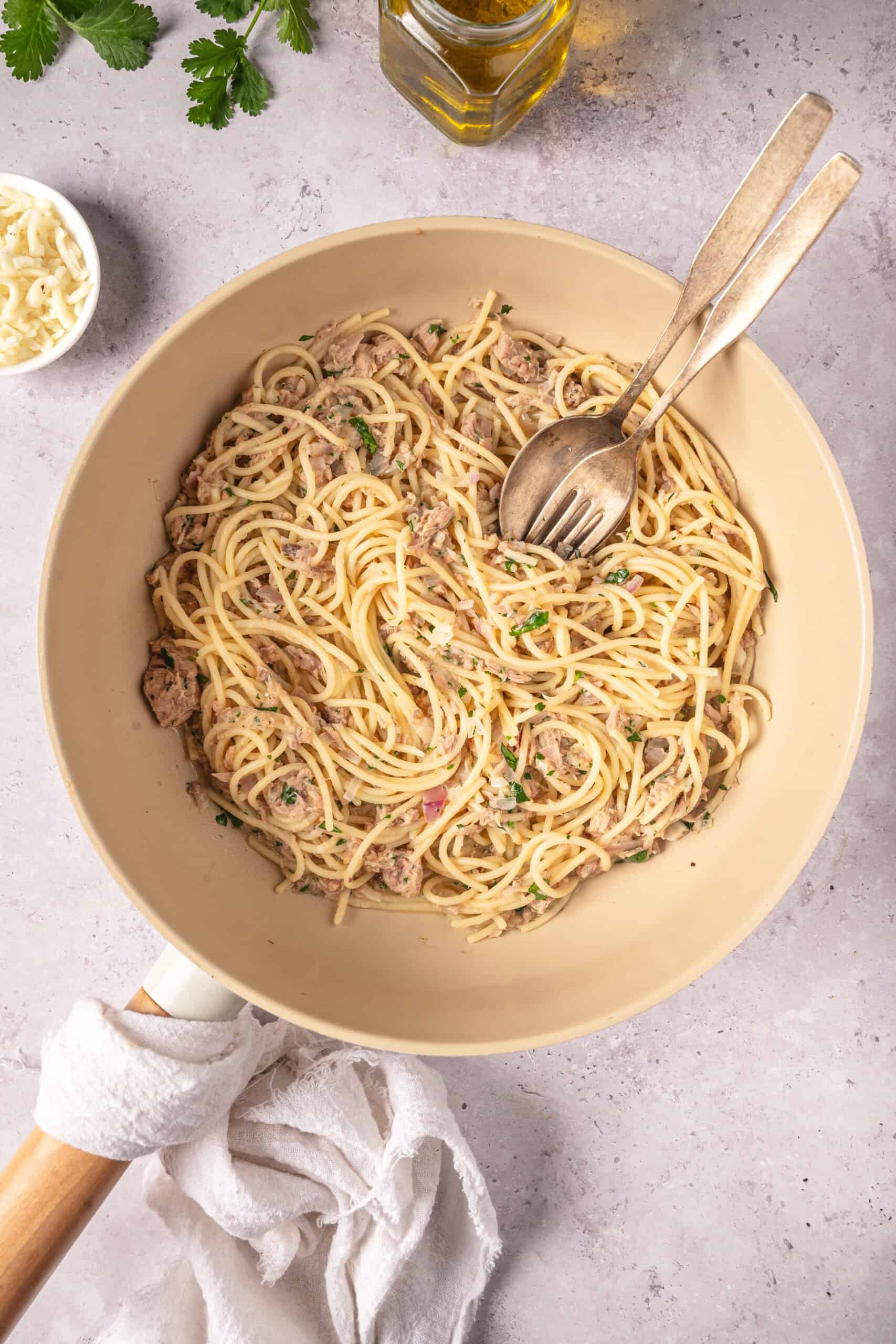
Elevate that humble can of tuna on your shelf with this simple, scrumptious main.
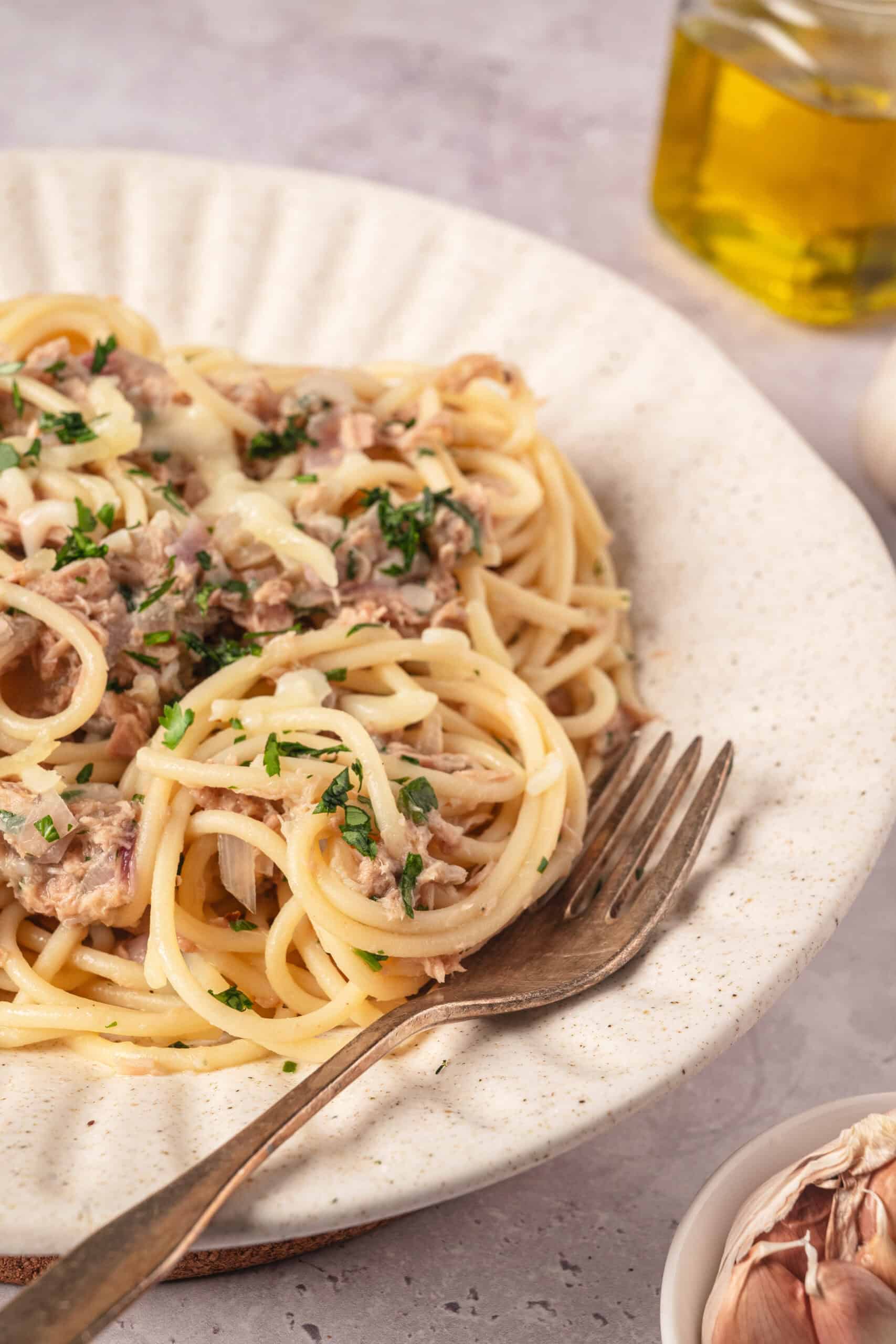
Second chances can be surprising. Not just in relationships or habits, but in food too. For instance, growing up I never liked Brussels sprouts. My mom would serve them steamed, and they just tasted like bitter, soggy mini-cabbages! However, once I tried Brussels sprouts roasted with olive oil, seasonings, and a little bacon, I changed my tune. The same could be said of canned tuna. It’s gotten kind of a bad rap for being a cheap, shelf-stable protein for college students and cash-strapped moms stretching it into a casserole pan of “tuna surprise.” Give canned tuna a second chance with tuna pasta; you won’t be disappointed!
Tuna pasta is an easy way to make a tasty, filling (and fresh!) main dish in no time. With canned tuna, the prep is easier than proteins like chicken or beef—no slicing or dicing: just open the can and dump! But the taste of the final dish is anything but simple. With just a few ingredients, you get a filling, slightly salty, delightfully carby main dish. It’s time to give canned tuna its due!
You will love tuna pasta, both on weeknights when you need a fast, filling meal and for dining room occasions when you might want a pasta dish that’s outside of the usual spaghetti or lasagna. Tuna pasta is a great main dish for pescatarians or those who avoid red meat. It’s a great example of when less is more and uses mainly pantry ingredients. Keep scrolling for ways to customize and serve it just the way you like it.
What’s a shallot?
What’s a shallot? Just a fancy onion? Not quite. A shallot is related to both onions and garlic but not the same as either. It’s a plant in the Allium family and grows in clusters. After they’re harvested, they’re left to dry so that when you buy them in the produce section of the grocery store, they have a dry, papery skin like onions. Inside, they’re layered like onions as well. The flavor of raw shallots is a bit sharp and pungent, while the flavor of cooked shallots (like in this recipe) is slightly sweeter. Because of that hint of sweetness and subtle garlic-like undertone, the cooked shallots here work very well with the mild tuna and starchy pasta.
How do I store leftovers?
Store leftover tuna pasta in an airtight container in the fridge. It will keep for up to 3 days in the refrigerator. Freezing is not recommended. To reheat, place in a preheated nonstick skillet over low heat. Stir and cook until heated through.
Serving suggestions
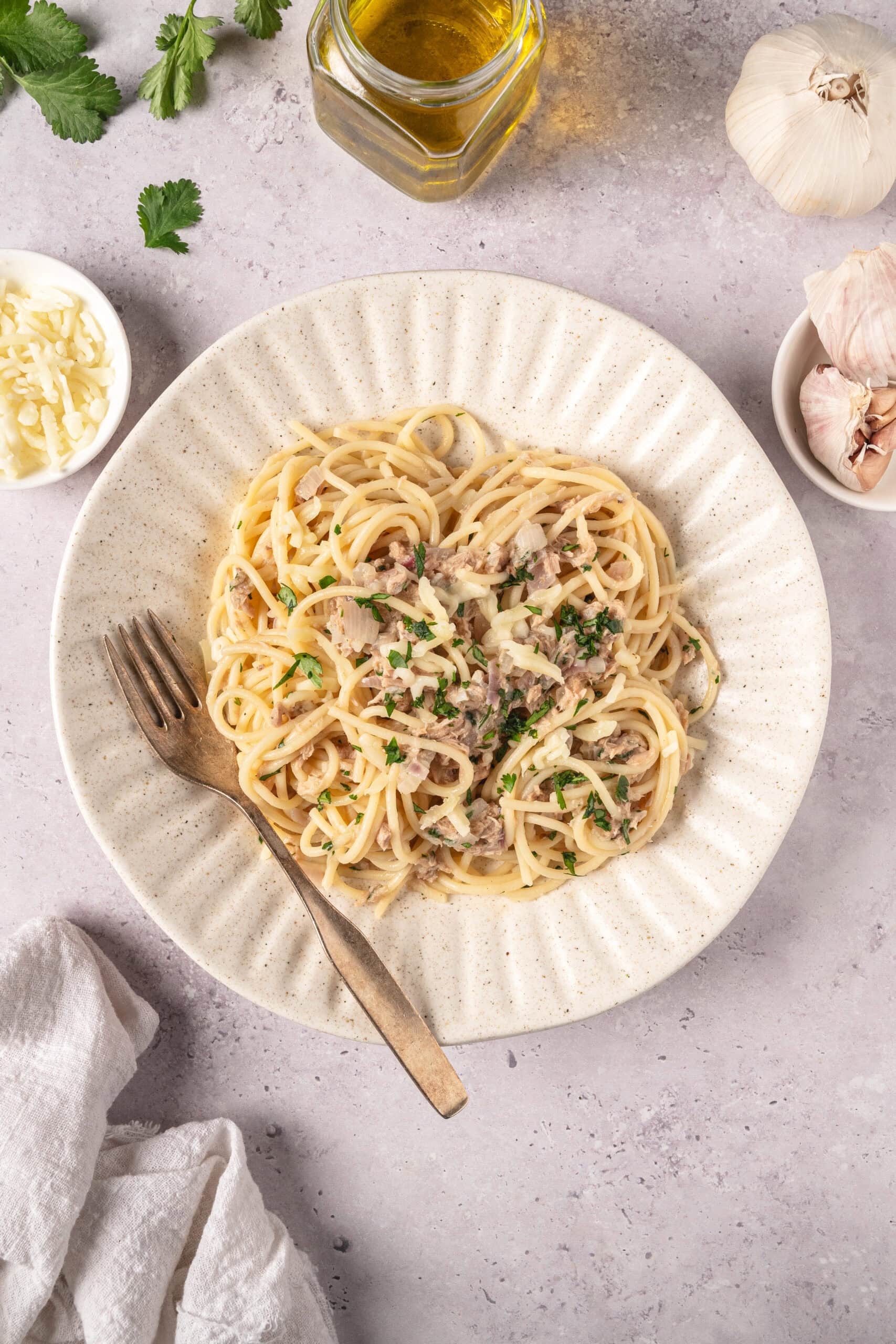
While tuna pasta is a lovely main prepared exactly as directed, there are a few ways to make it your own. If you really like lemon, increase the fresh lemon juice by a half teaspoon to equal two teaspoons and zest a little bit of the peel on top of each serving. Alternatively, you can toss in two teaspoons of capers to bring out that briny note in the tuna. Finally, you can easily add in some veggies if desired. In step 3, toss in a handful of fresh spinach and stir until it’s wilted; for even more flavor and color, halve a few cherry tomatoes and add them as well during this step.
For serving, consider a warm, crusty bread like Dutch Oven Bread or Breadsticks. Since the pasta has plenty of garlic in it, I prefer plain bread like either of these options over garlic bread. For a side, keep things simple. A fresh, simple Green Salad or nutty Air-Fryer Asparagus work very well.
Tuna Pasta

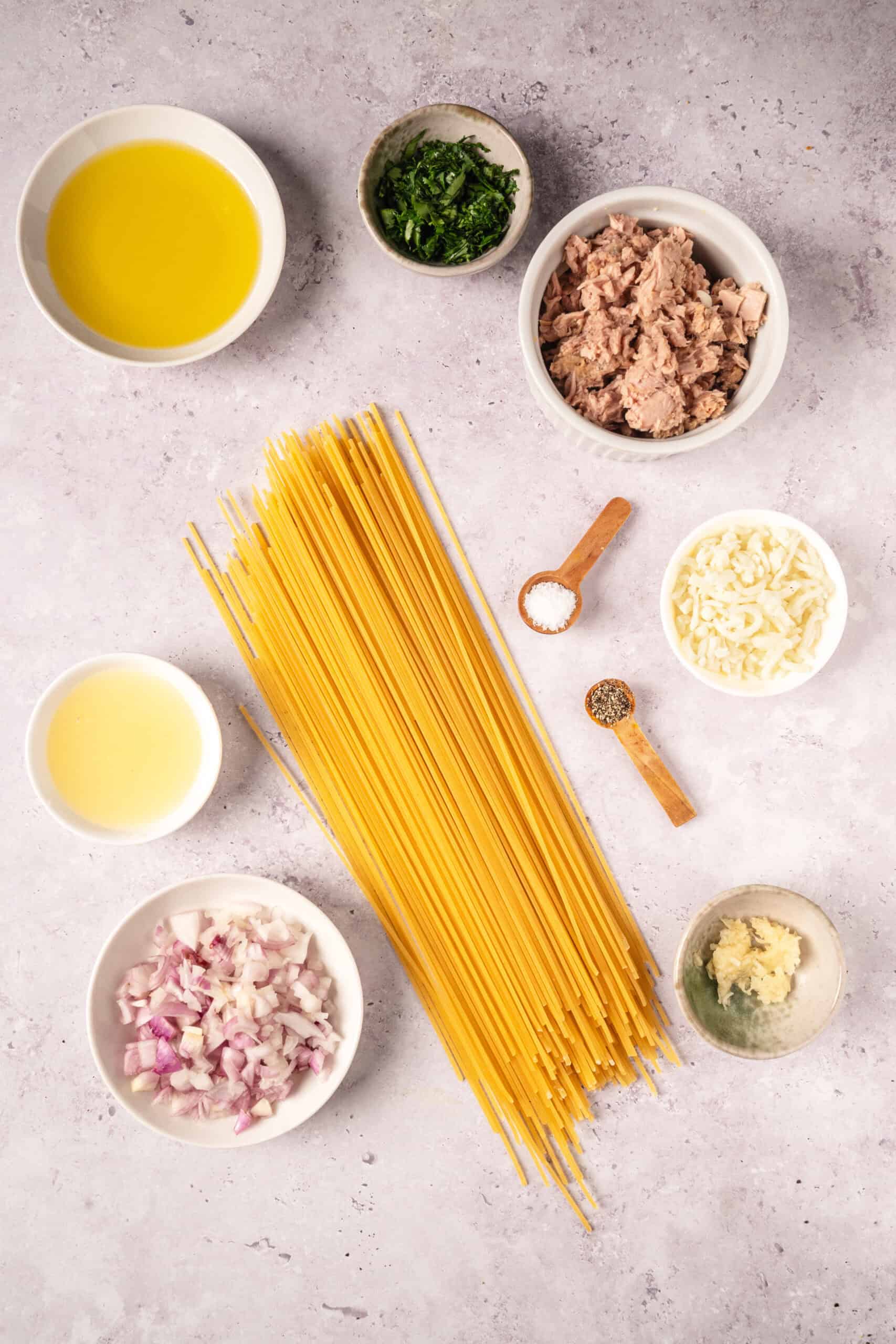
Ingredients
- 4 ounces uncooked pasta such as spaghetti
- 1 1/2 tablespoons olive oil
- 2 large garlic cloves minced
- 1 shallot minced
- 1 can tuna (5 ounces) drained
- 1 1/2 teaspoons lemon juice
- 1 tablespoon fresh parsley chopped, plus more for garnish
- Salt to taste
- Black pepper to taste
- Shredded Parmesan for garnish
Instructions
- Bring a pot of salted water to a boil and cook the pasta until al dente. Reserve a couple of tablespoons of the pasta water before draining.
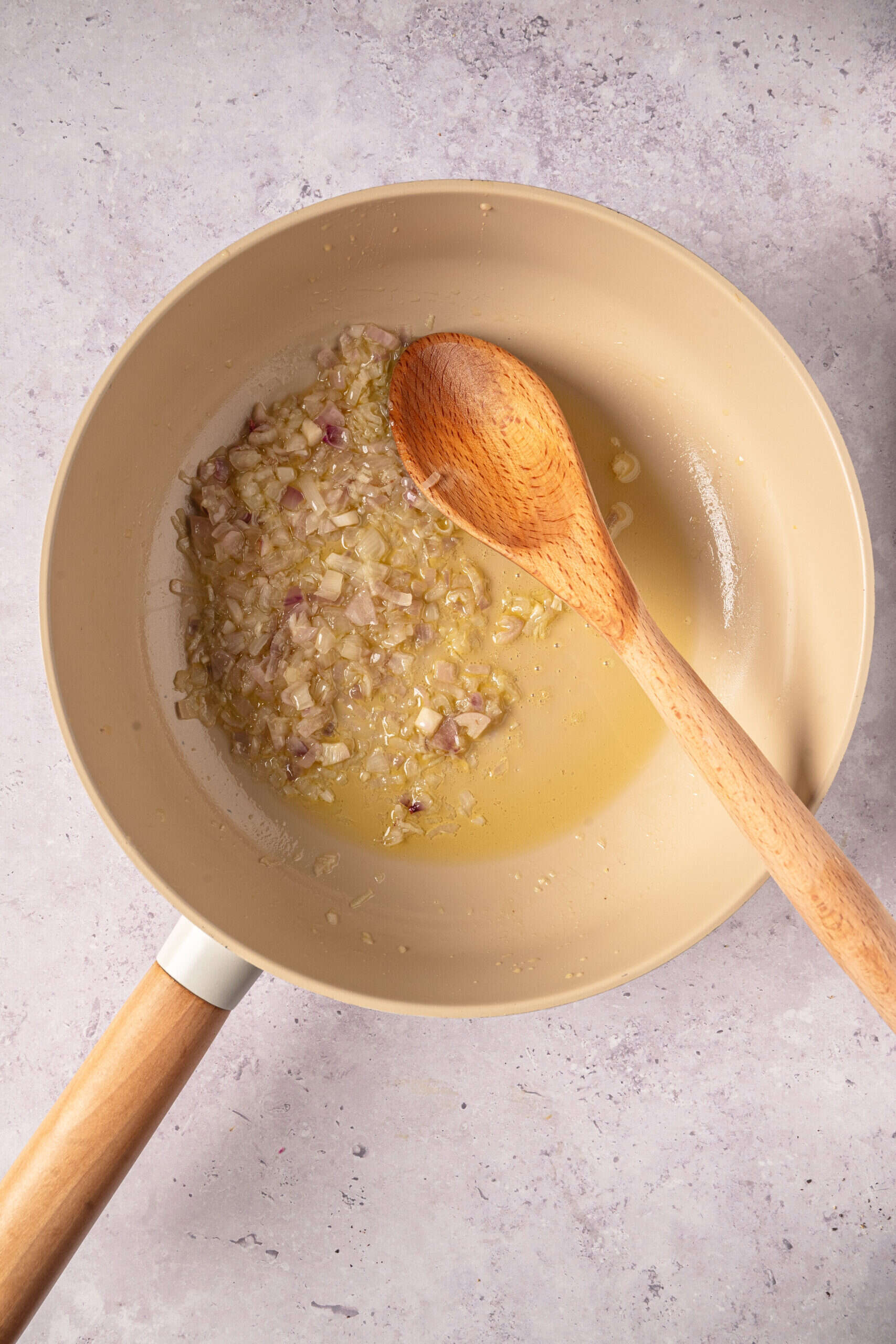
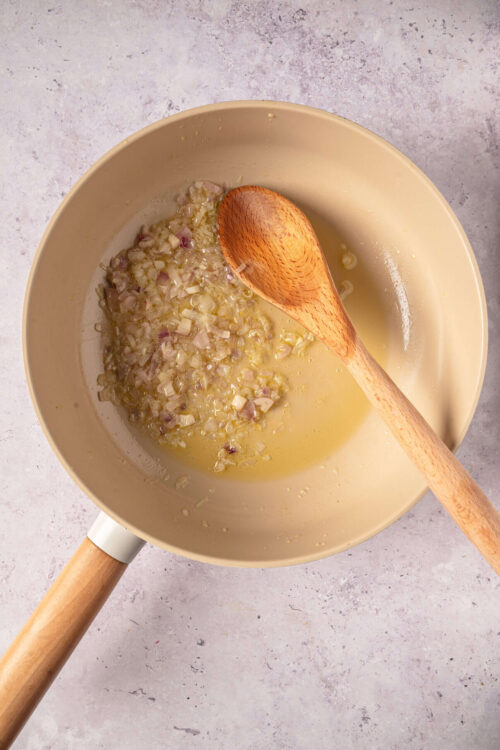
- Heat olive oil in a small pan over medium heat. Add the minced garlic and shallot and cook for about 30 seconds until it is fragrant but not browned.
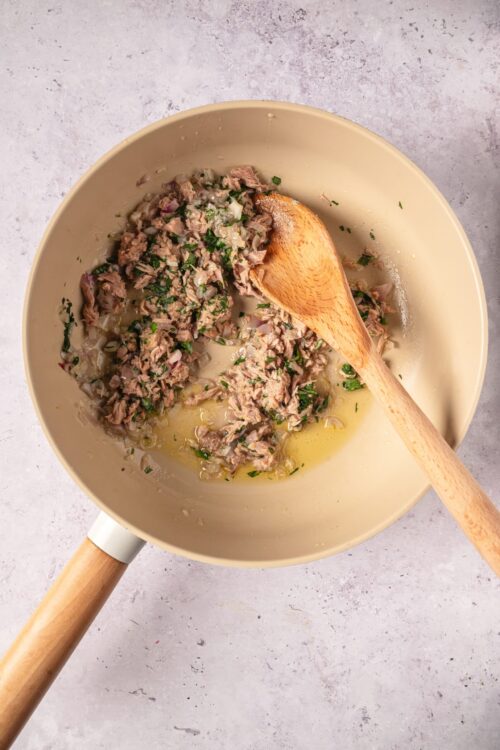
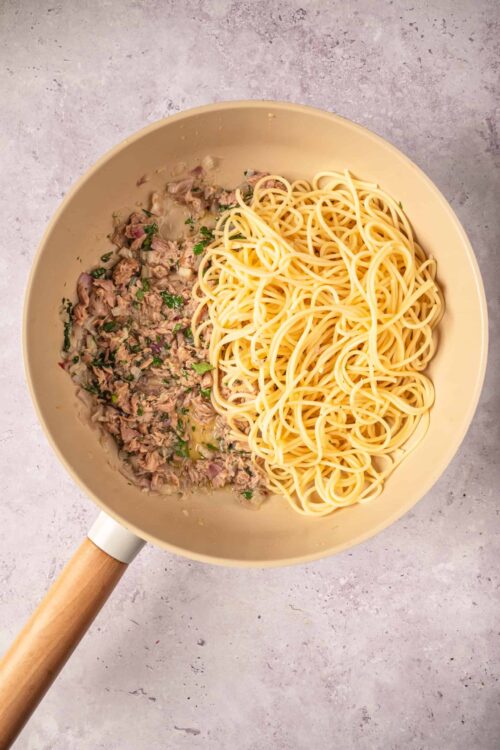
- Add drained tuna, lemon juice, and parsley to garlic oil in the pan. Stir in some of the reserved pasta water to combine flavors.
- Toss the drained pasta with the sauce and season with salt and pepper.
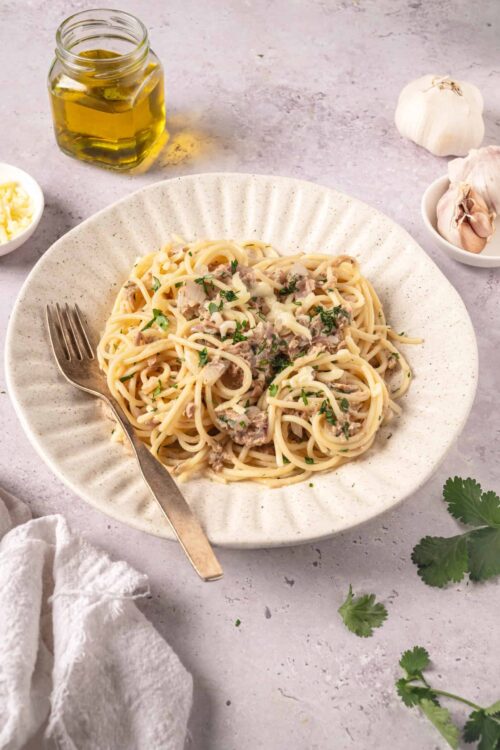
- Serve warm, garnished with shredded Parmesan and extra parsley.

Leave a Comment