

Slow-cooked in a sweet-and-savory barbecue sauce, this effortless Root Beer Brisket recipe is perfect for busy weekdays and lazy weekends.
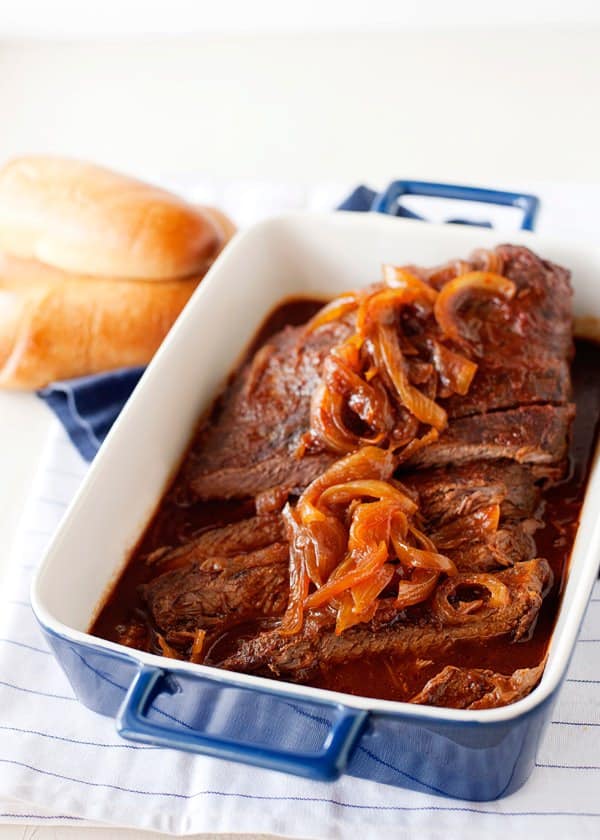
The other day on my Facebook page, I mentioned that I was in a cooking mood and busting out recipe after recipe from my kitchen. Before 10 am, I had already made three things, including this root beer brisket. After posting some photos of this beautiful brisket, I got quite a few requests for the recipe.
As much as I’d like to, I don’t blog about everything I cook. In fact, I don’t even blog some of the things that I make with the intention of blogging them. That being said, if you ask me for a recipe, I try my hardest to give it to you. What can I say? I am a people-pleaser.
The fact is that if we weren’t having a conversation about it on social media, you wouldn’t be seeing it here today—or in such a timely manner, might I add. All this to say that root beer brisket is really delicious and worth being shared. It’s melt-in-the-mouth tender and slightly tangy from the savory barbecue sauce. Plus, it has a subtle sweetness courtesy of the root beer and brown sugar. Irresistible indeed. PS: I guess I should blog more?
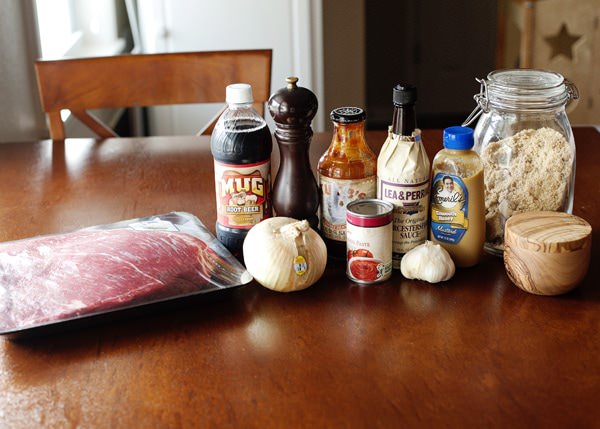
Root beer and brisket? Really?
Yes, really. It sounds gimmicky, like the title was made for clicks, but root beer is a brisk-worthy ingredient. For one thing, the sweetness balances the acidity from the tomato paste and barbecue sauce. Believe it or not, there are also mystery spices in the soda that add a certain amount of flavor.
What’s more, as the brisket cooks low and slow, the root beer’s sugar reduces. In its concentrated form, the root beer helps the sauce become glossy and rich while also keeping the meat moist. And while I usually drink diet soda, I stick with the sugary stuff for root beer brisket. The sugar part is what makes this recipe work!
How do I store leftovers?
Store the brisket in an airtight container with plenty of sauce—this keeps the meat from drying out. Refrigerate for up to 4 days. Reheat gently on the stove over low heat or in a 300°F oven. Add a splash of water or extra root beer if the sauce has thickened too much.
You can also freeze sliced or shredded brisket in its sauce for up to 3 months. Use a freezer-safe bag or container and thaw overnight in the fridge before you reheat.
Serving suggestions
In my opinion, no brisket is complete without a starchy side. My first pick would have to be Cheesy Mashed Potatoes—they may be rich, but they offer a creamy contrast to the brisket. You can also go with the classic Baked Potato, but lately I’ve been enjoying this Crispy Smashed Potatoes Recipe.
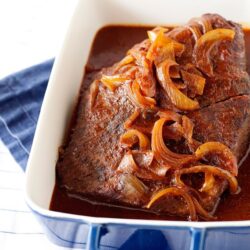
Root Beer Brisket

Ingredients
- 3 1/2 pounds brisket trimmed
- Salt and pepper to taste
- 2 tablespoons vegetable oil
- 1 large onion sliced
- 4 ounce can tomato paste
- 1 cup barbecue sauce
- 2 tablespoons Worcestershire sauce
- 2 tablespoons Dijon mustard
- 4 garlic cloves minced
- 1/4 cup brown sugar packed
- 1 1/2 cups root beer
Instructions
- Trim your brisket of any excess fat. Season both sides well with salt and pepper.
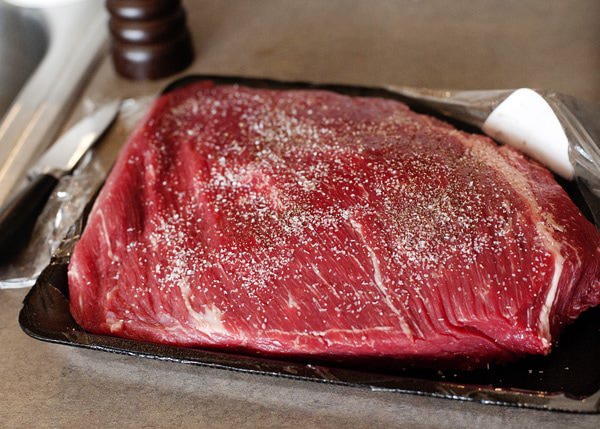
- Heat the vegetable oil in a large pan over high heat. Add the brisket and sear both sides until brown, approximately 5 minutes per side. If your slow cooker has a browning feature like mine, you can sear the brisket there instead.

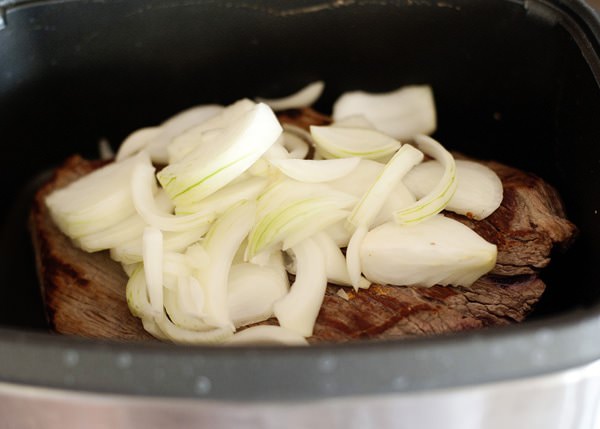
- Transfer the brisket to your slow cooker. Scatter the sliced onions evenly over the top.
- In a medium bowl, whisk together tomato paste, barbecue sauce, Worcestershire sauce, Dijon, garlic, and brown sugar. Season with salt and pepper and mix until smooth.
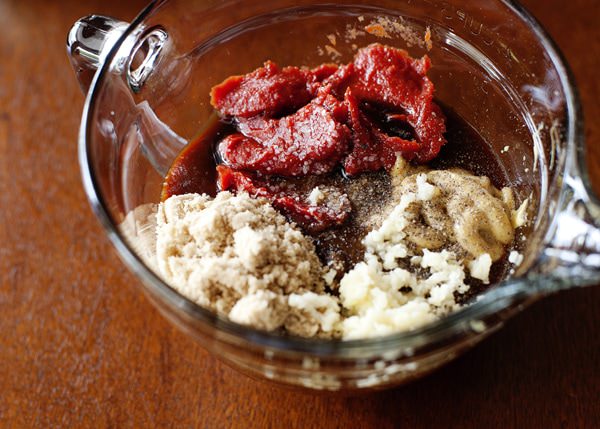
- Pour the sauce over the brisket and onions.
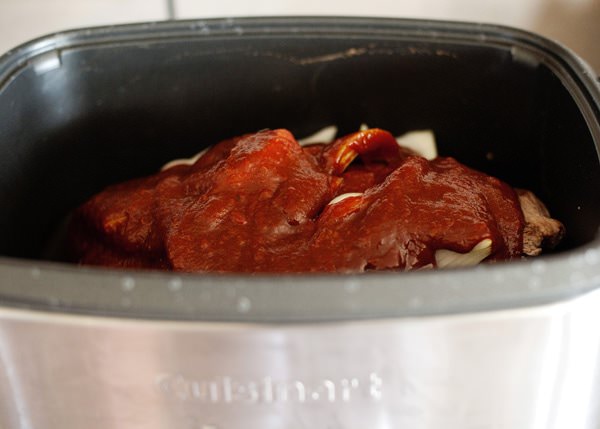
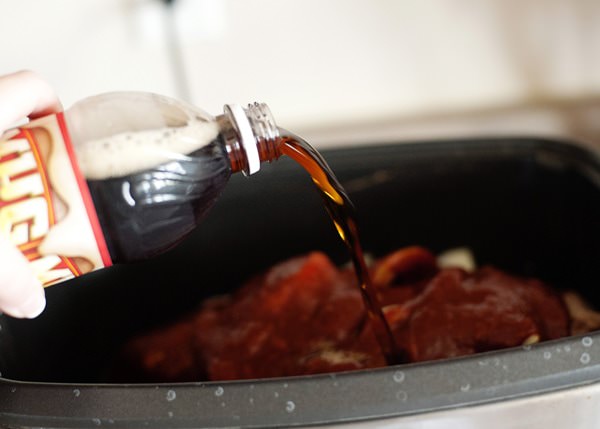
- Pour the root beer around the brisket.
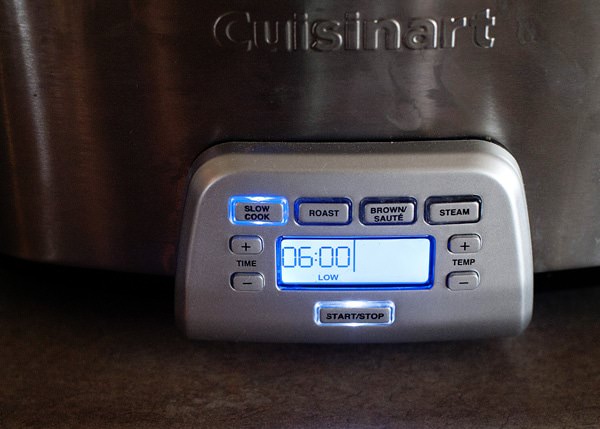
- Cover and cook on LOW for 6 hours.
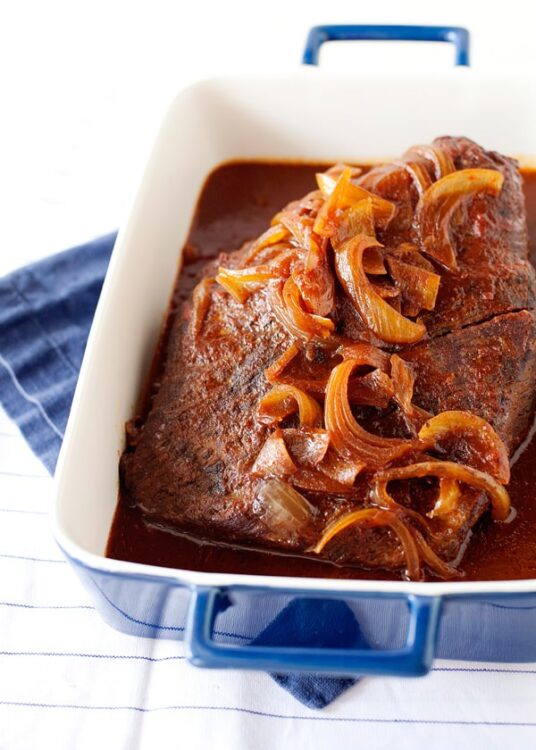
- Once the brisket is fork-tender, turn off the slow cooker and let it rest in the sauce for 10 to 15 minutes. Then, transfer the brisket to a baking dish if you'd like it to look nice for serving. Spoon the onions and sauce over the top. Slice the brisket against the grain or shred it with two forks. Serve and enjoy!


Super quick question please… if I were to make this in the oven, what temp would you suggest? And for how long approximately? Thank you!
Hi Tracy – I’d probably go with around 300°F and cook it covered in a Dutch oven for about 4 to 5 hours—just check for tenderness as you near the end. Enjoy!