

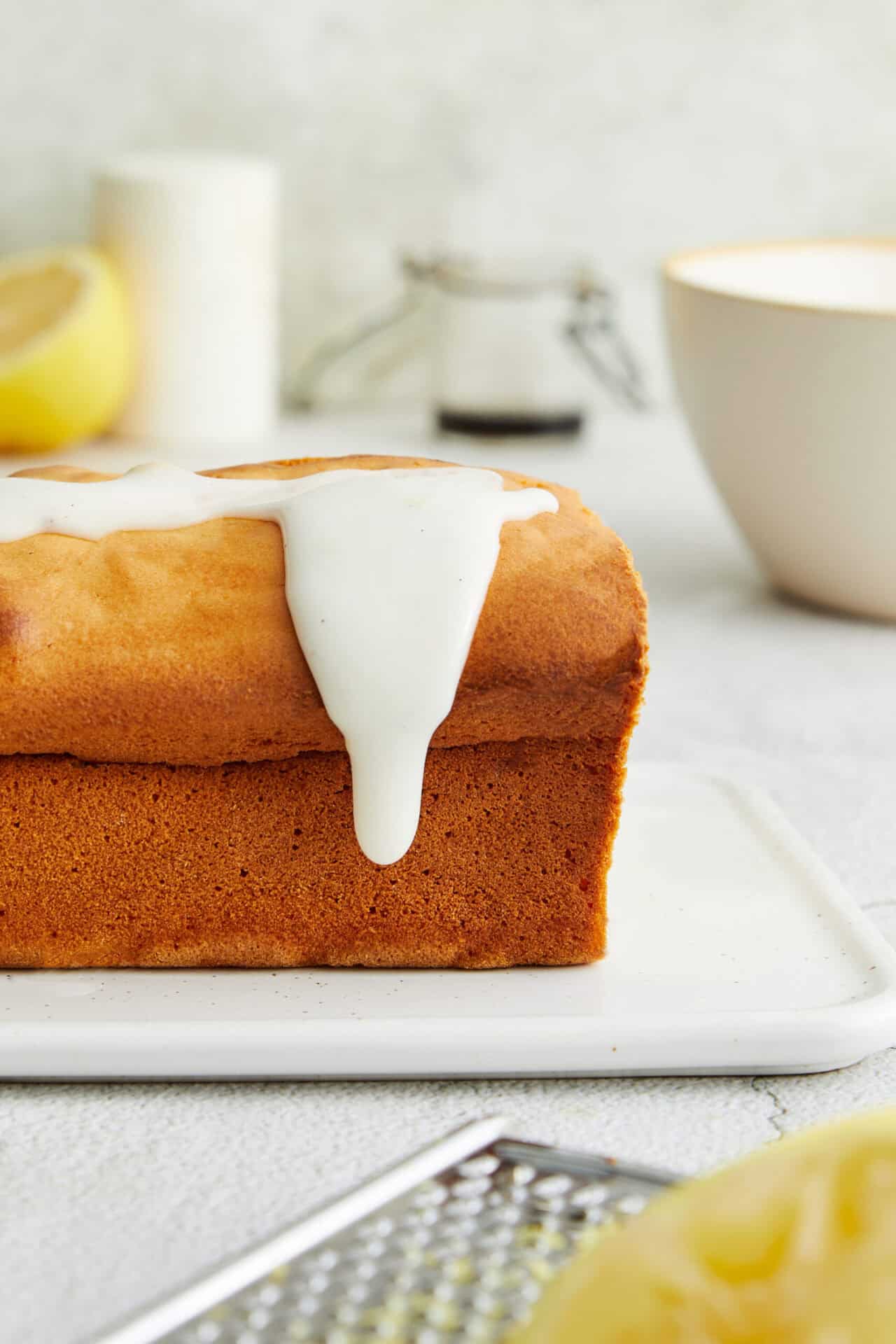
Easy breezy Lemon Glaze is a bright, sweet topping for your favorite baked goods.
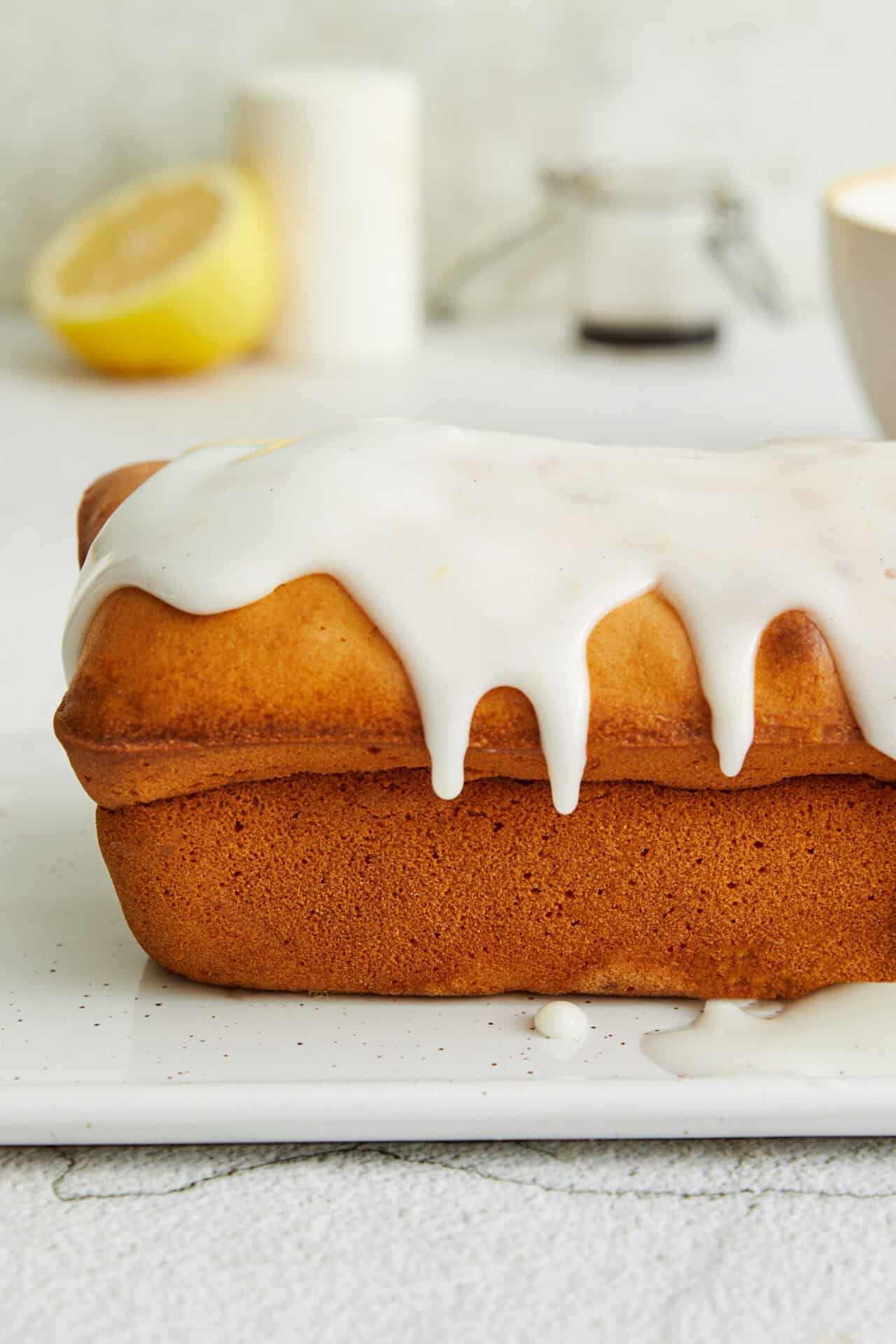
When my son was preschool-aged, he loved the lemon loaf from Starbucks. However, what he really loved was the lemon glaze atop the lemon loaf! He’d start at the top of the slice, enjoy the luscious glaze and the tiniest bit of the bread, and hand it back to me, finished and satisfied. I don’t know how many “naked” partially eaten slices of lemon loaf I ended up eating. Fortunately, as he matured, his tastes did too, and he will now inhale the whole slice!
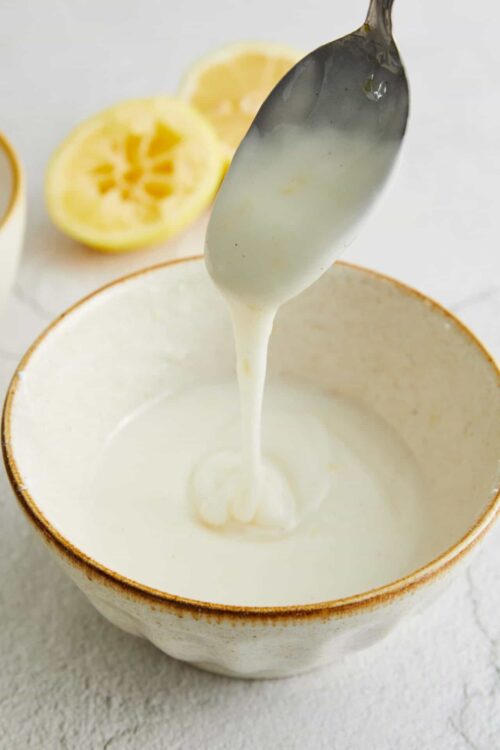
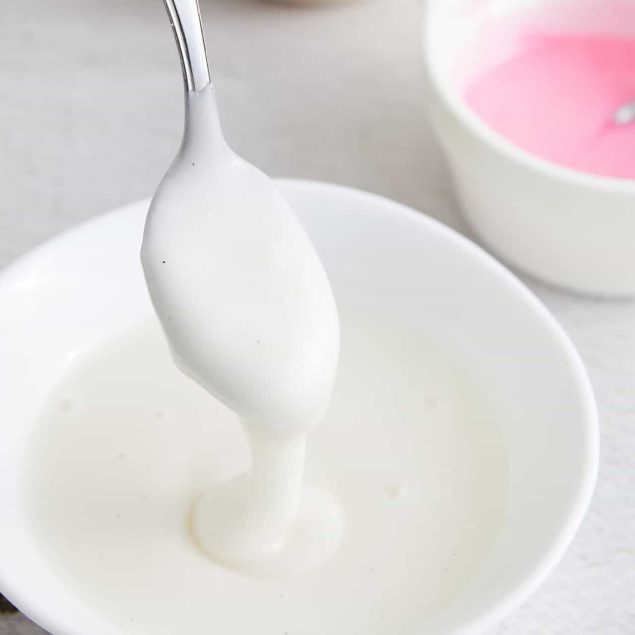
So why is lemon glaze so good? It’s definitely sweet but also nicely tart, and the consistency can be anything you want it to be—a thin drizzle to a gooey icing—since you can vary it by adding less or more lemon juice.
You will love this glaze because it’s simple to make and mostly makes use of ingredients you have in your pantry. The fresh lemon is the only exception, but that’s not exactly hard to come by. Lemon glaze adds that bakery-finished look to your lemon loaf and other baked goods and tastes amazing. It’s sweet but not cloying or heavy, and is easy to work with and apply.
Choosing A Lemon
It’s tempting to plow through the produce section, grab a lemon, and keep carting up and down the aisles to get your grocery shopping done. However, take a few seconds to pick out a good lemon, and you will be glad you did. Stop and pick up a couple of lemons. Does one feel heavier? That’s a good one, because it means there is more juice. Look at the color. While at first glance, all lemons look yellow, try to find one that is bright yellow without any major blemishes or green areas. Taking just a little extra time to select a good lemon means maximum juice and flavor.
FAQs & Tips
How Do I Store Leftovers?
Lemon glaze is best used right after you make it. If it sits on the counter for a bit, you will notice that the top starts to harden. This is not a problem, but you will have to whisk it again and possibly add a bit more liquid to restore it. If you do need to make the glaze ahead, simply cover it and refrigerate it for up to 3 days. When ready to use, sit it out to come to room temperature and whisk in a bit of lemon juice to get the desired consistency.
Zest In The Powdered Sugar
If you’re using the optional lemon zest (highly encouraged!), zest your lemon directly over the powdered sugar. This means the oils from the zest, which give off the strong (but not bitter) lemon flavor, will come into contact with the sugar, making the final flavor stronger. And don’t worry if there are little pieces of zest in your finished glaze. Besides ramping up the lemon flavor, those specks give the glaze a splash of lemony yellow color.
How Do I Make The Glaze Thicker?
If you want less of a drizzle and something closer to icing, you just need to sift some additional powdered sugar. Start with an additional half cup, sifted. Gradually stir it in by teaspoons until you get the texture you want. If it gets too stiff, you can always add a few drops of lemon juice (a little goes a long way) to correct the consistency.
Serving Suggestions
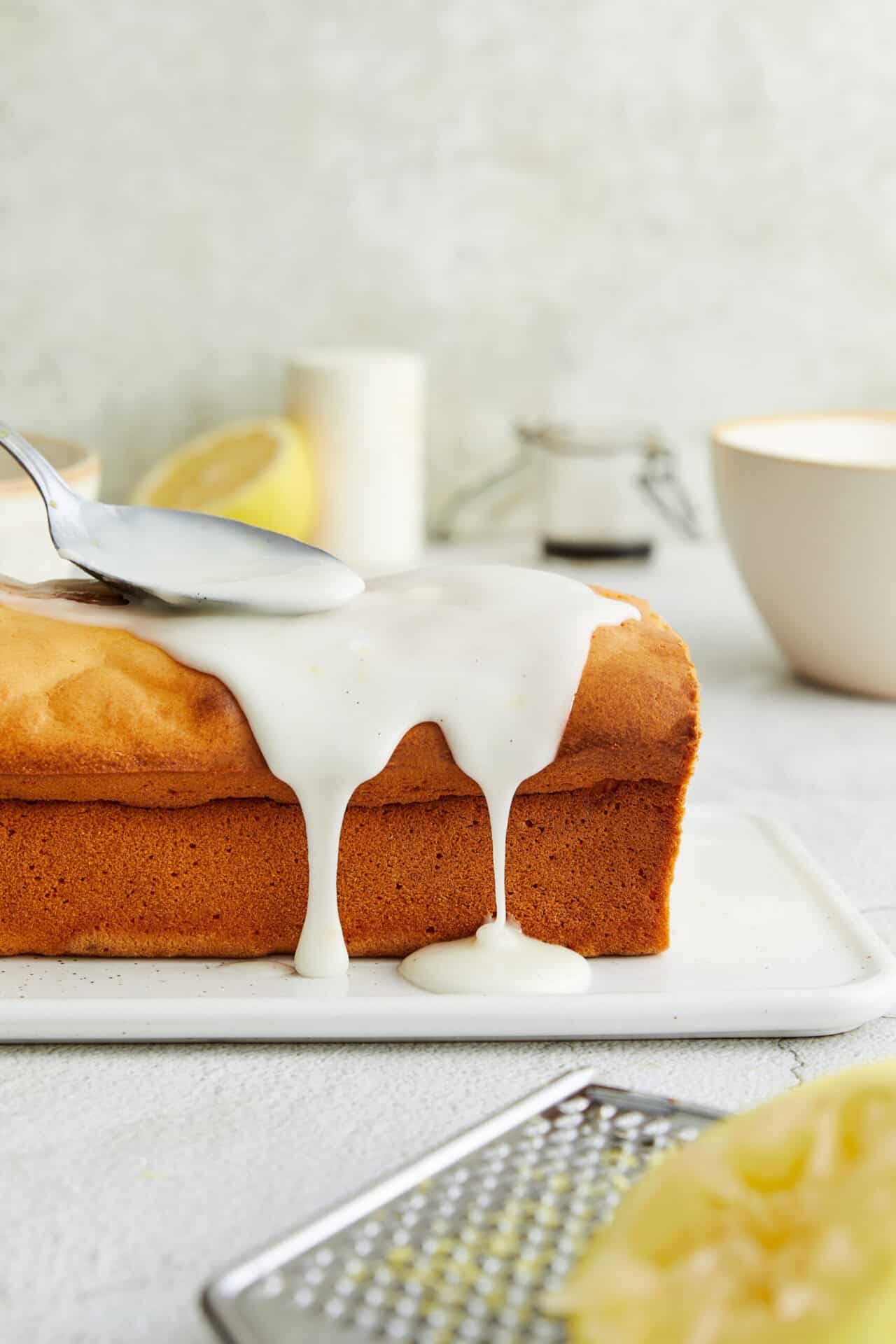
Lemon glaze is delicious atop Lemon Bundt Cake or Lemon-Raspberry Muffins. It’s also delicious on your standard lemon loaf. If you want to think outside the box, try it atop your favorite blueberry muffin recipe or even a gingerbread loaf. Additionally, you can brighten up a basic Vanilla Sheet Cake with this glaze. Lemon glaze is truly versatile and a great addition to your baking recipe box.

Lemon Glaze Recipe

Ingredients
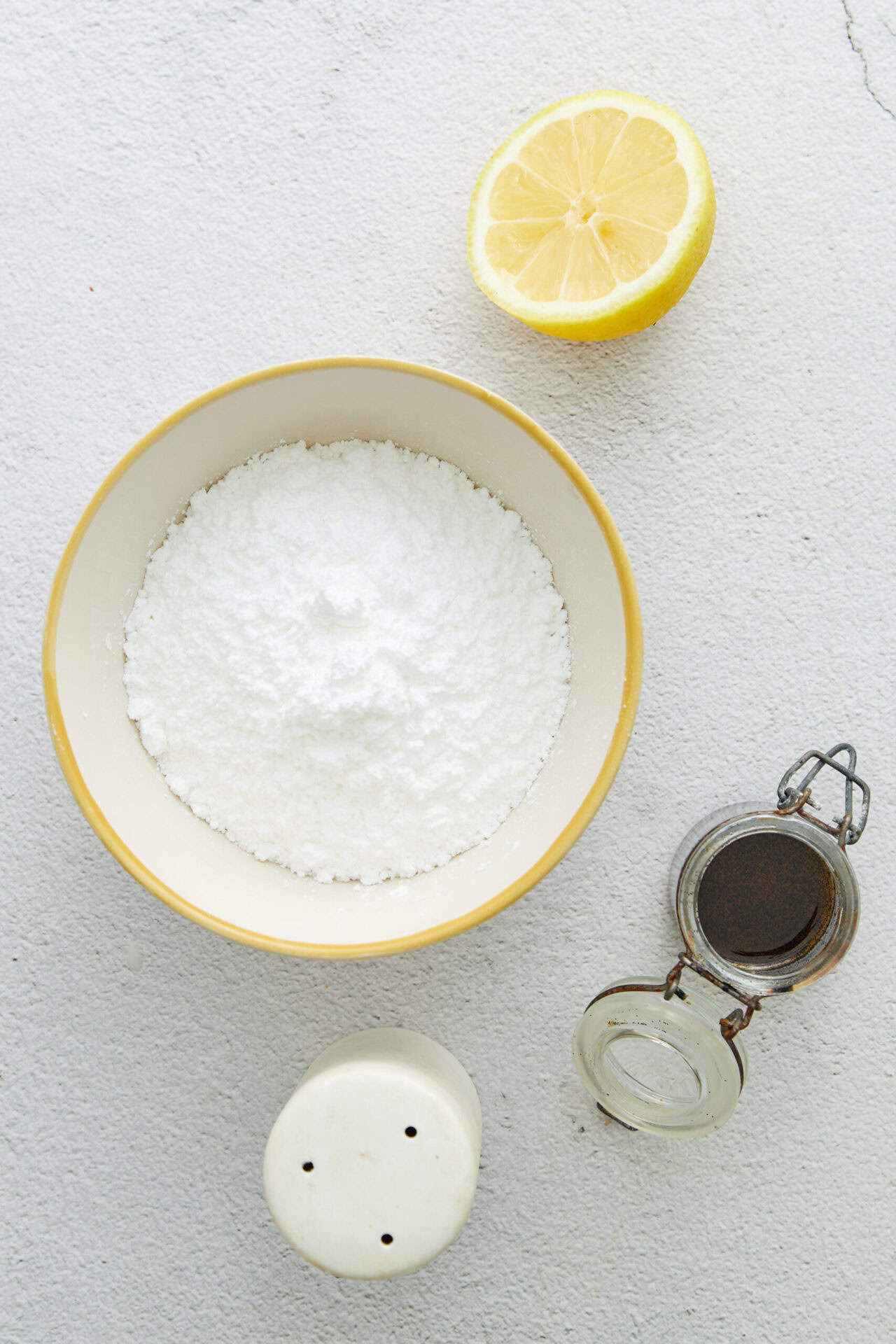
- 1 1/4 cups powdered sugar sifted
- Pinch of kosher salt
- 2 1/2 tablespoons fresh lemon juice
- 1/2 teaspoon vanilla extract optional
- Zest from 1/2 lemon optional
Instructions
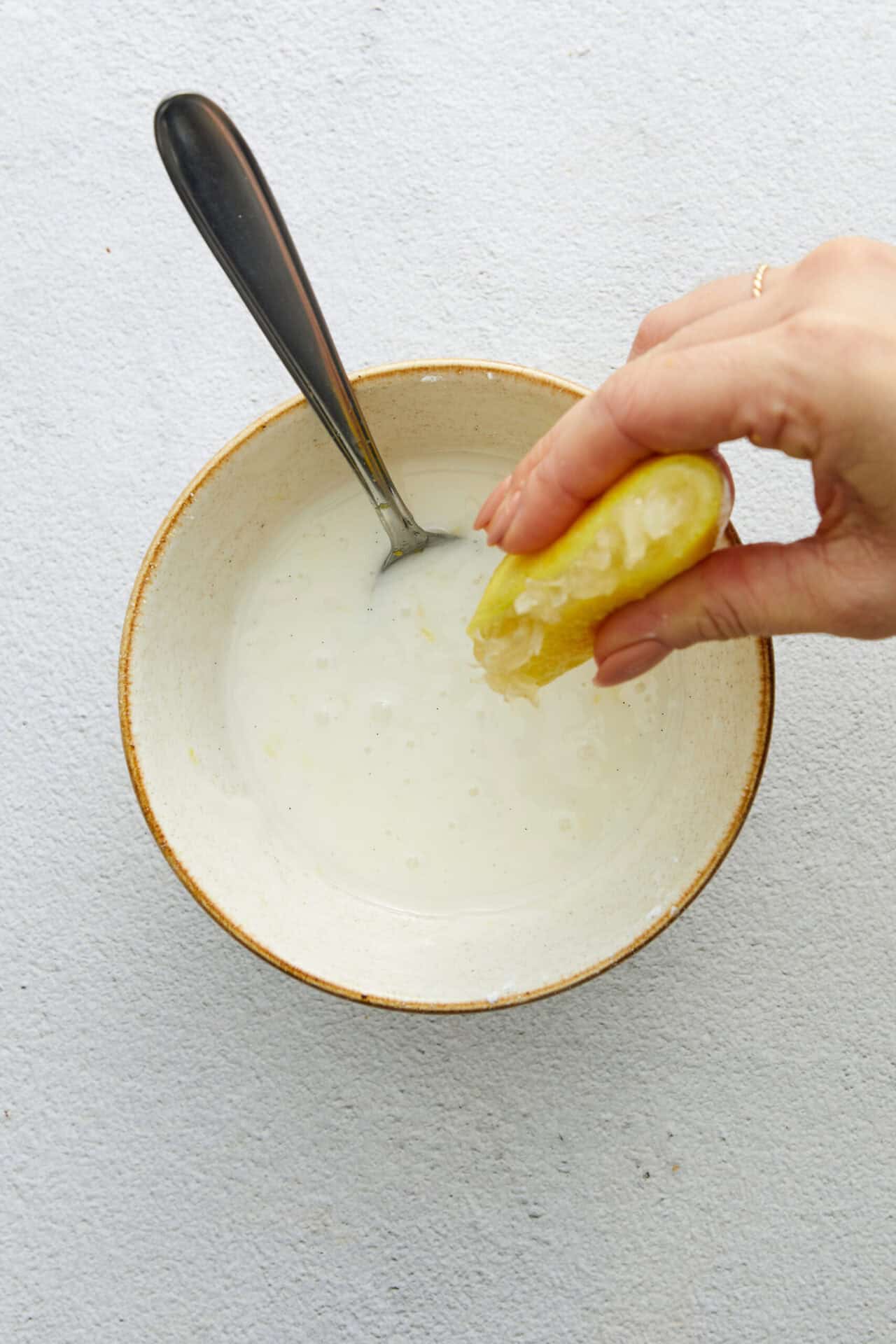
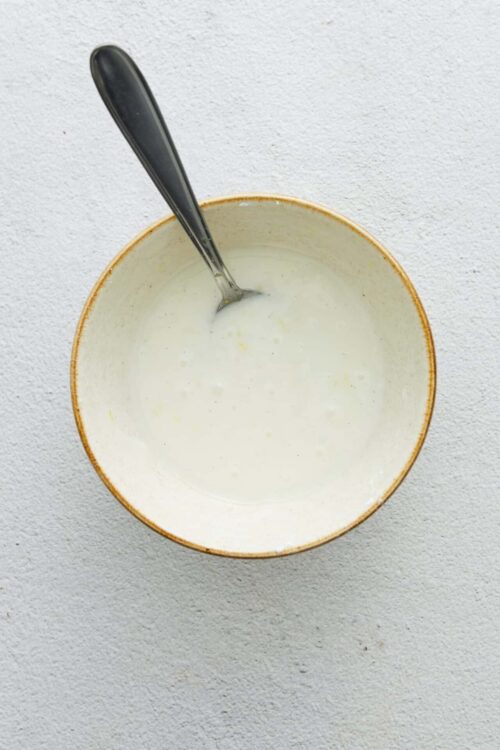
- In a medium bowl, whisk together the powdered sugar, salt, and lemon juice until smooth. Add vanilla extract and lemon zest if using.
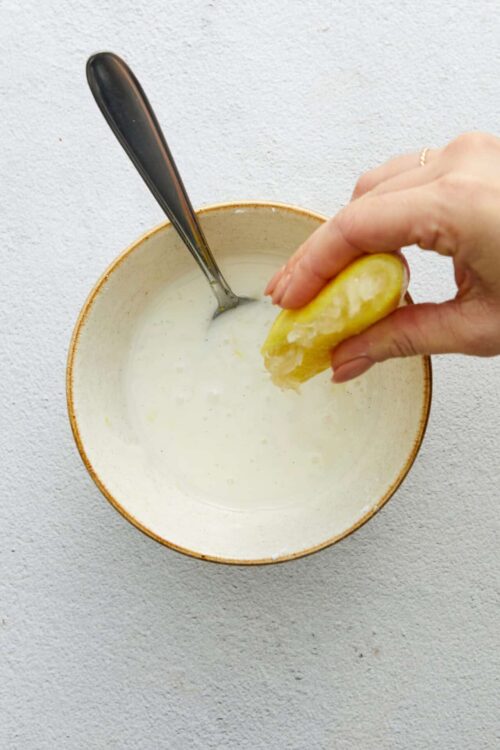
- Add more lemon juice if needed to achieve a pourable consistency.
- Drizzle the glaze over fully cooled cakes, cookies, or pastries.


Leave a Comment