

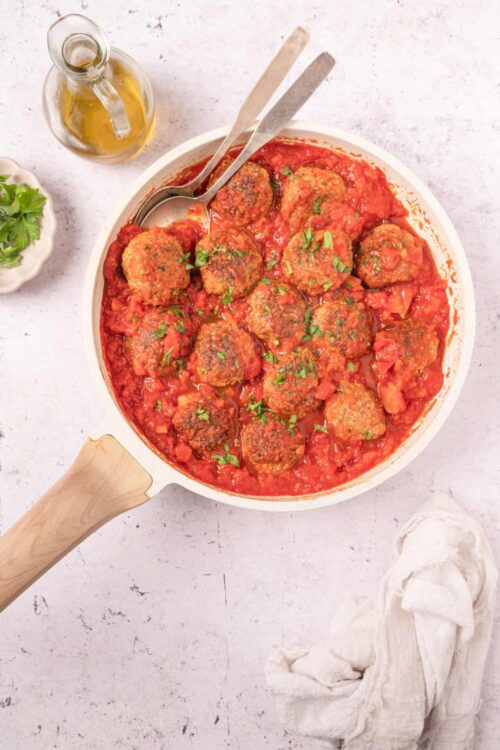
Rich, savory, and simmered in a spiced tomato sauce, these Spanish Meatballs are a comforting classic with a flavorful history.
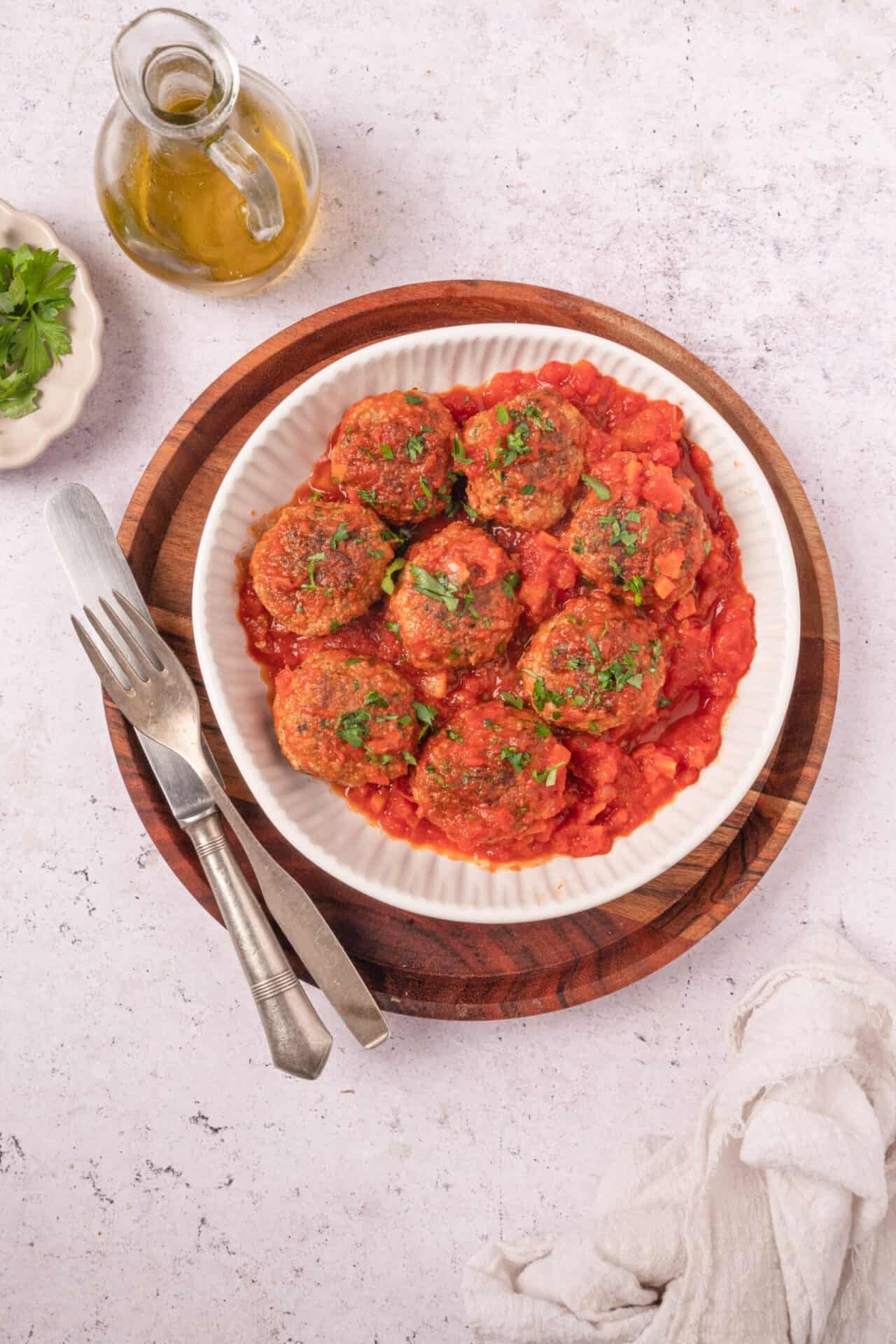
When you think of Spanish cuisine, dishes like paella, tapas, and jamón ibérico may come to mind. But there’s another dish that carries with it a deep sense of tradition and comfort—Spanish meatballs, or albóndigas. These bite-sized meatballs, often simmered in a rich, flavorful sauce, are a staple in Spanish households and a favorite on tapas menus across the country. They’re often served as a part of a larger spread of tapas, small plates meant for sharing and savoring with friends over a glass of wine or two.
But what makes Spanish meatballs truly stand out is the sauce. Whether simmered in a rich tomato-based sauce, like the recipe here, a garlicky gravy, or even a wine-infused broth, the sauce plays a crucial role in elevating the flavor of the meatballs. Some recipes even call for the addition of almonds or saffron to give the dish a richer, more complex taste.
The simplicity of the meatball ingredients—ground meat, bread, garlic, spices—belies the complexity of the flavors and the cultural significance of the dish. The experience of eating albóndigas goes far beyond the dish itself. It’s about the company, the setting, and the slow, joyful pace of life Spaniards embrace. Albóndigas are meant to be shared, whether at a bustling tapas bar in Madrid or around a quiet family table in a rural village.
The Roots of Albóndigas
The history of albóndigas goes back centuries, and like much of Spanish cuisine, it carries the influence of different cultures. The very name albóndiga has its roots in the Andalusian Arabic word al-bunduqa, meaning “hazelnut”, reflecting Spain’s Moorish past. The Moors, who ruled much of Spain from the 8th to the 15th centuries, brought with them a rich culinary tradition, including the concept of spiced meatballs.
Over time, the Spanish adapted this dish, making it uniquely their own. Regional variations of albóndigas can be found across Spain, from Andalusia to Catalonia, each with its own twist on seasonings, sauces, and ingredients. Some are made with beef or pork, while others incorporate fish or lamb, depending on local customs and available ingredients.
In recent years, Spanish meatballs have made their way into the global food scene, finding fans far beyond Spain’s borders. You’ll see variations of albóndigas in Latin American cuisines, where they’ve been adapted to suit local tastes. In the U.S. and other countries, Spanish meatballs often appear on the menus of trendy tapas bars, allowing food lovers to get a taste of Spain without leaving home.
Ingredients
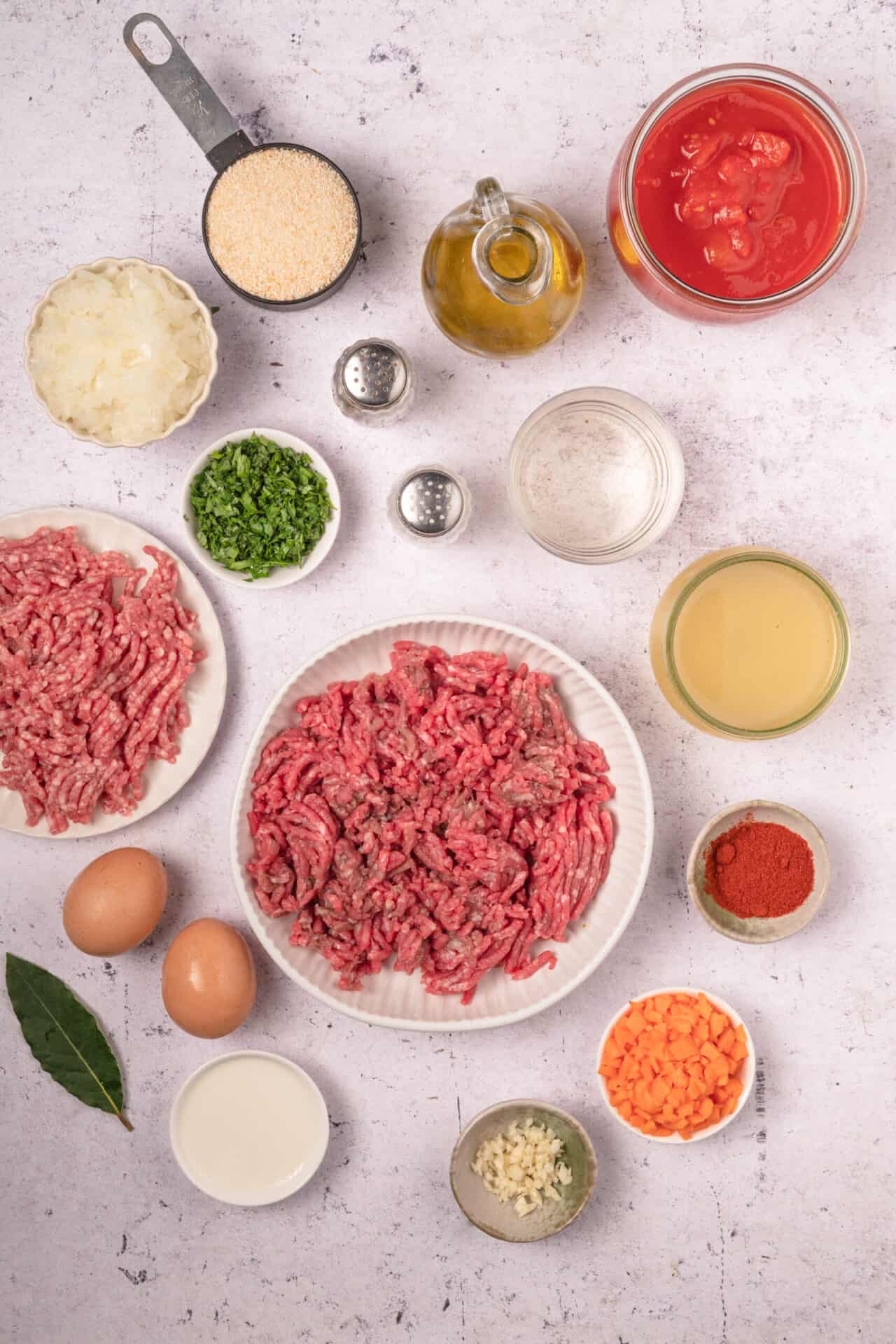
- 1 pound ground beef
- 1/2 pound ground pork
- 1/2 cup plain dry breadcrumbs
- 3 cloves garlic, minced
- 2 large eggs
- 3 tablespoons milk
- 2 teaspoons sweet paprika
- 1/3 cup fresh parsley, chopped
- Salt to taste
- Black pepper to taste
- Olive oil, as needed for frying
- 1 medium onion, finely chopped
- 1/3 cup carrot, finely diced
- 4 cloves garlic, minced (for sauce)
- 1 bay leaf
- 28 ounces canned crushed tomatoes
- 3/4 cup white wine
- 1 1/2 teaspoons sweet paprika (for sauce)
- 3/4 cup chicken stock
How To Make Spanish Meatballs
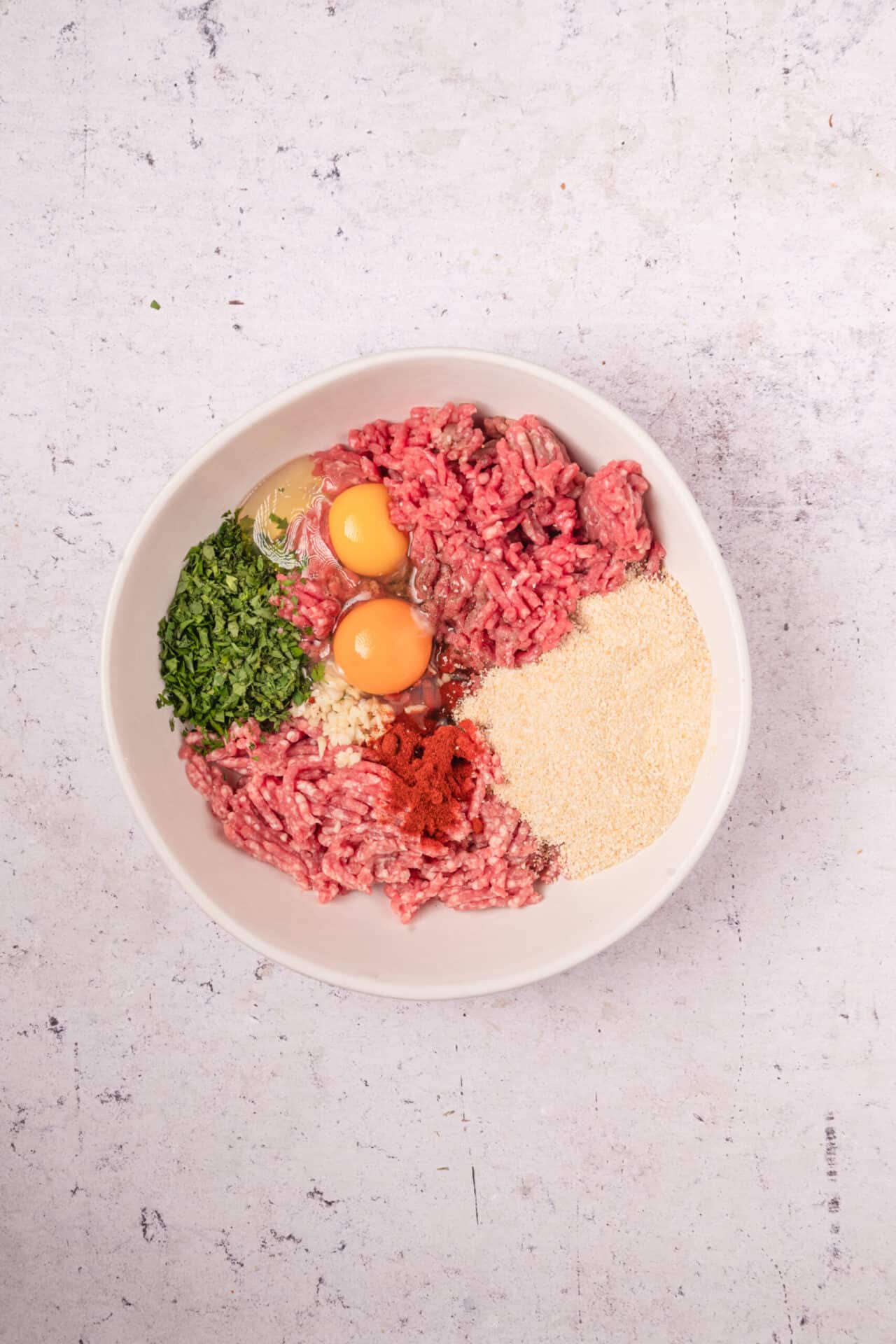
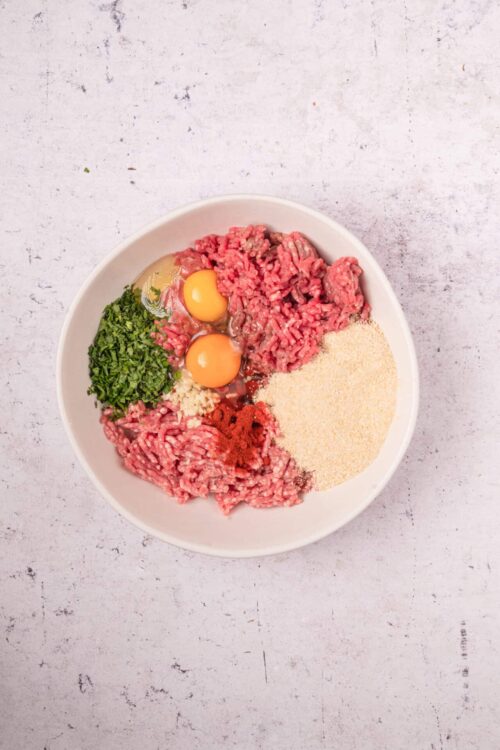
Step 1: In a large bowl, combine ground beef, ground pork, breadcrumbs, minced garlic, eggs, milk, sweet paprika, 1/3 cup of chopped parsley, salt, and pepper. Mix until well combined.
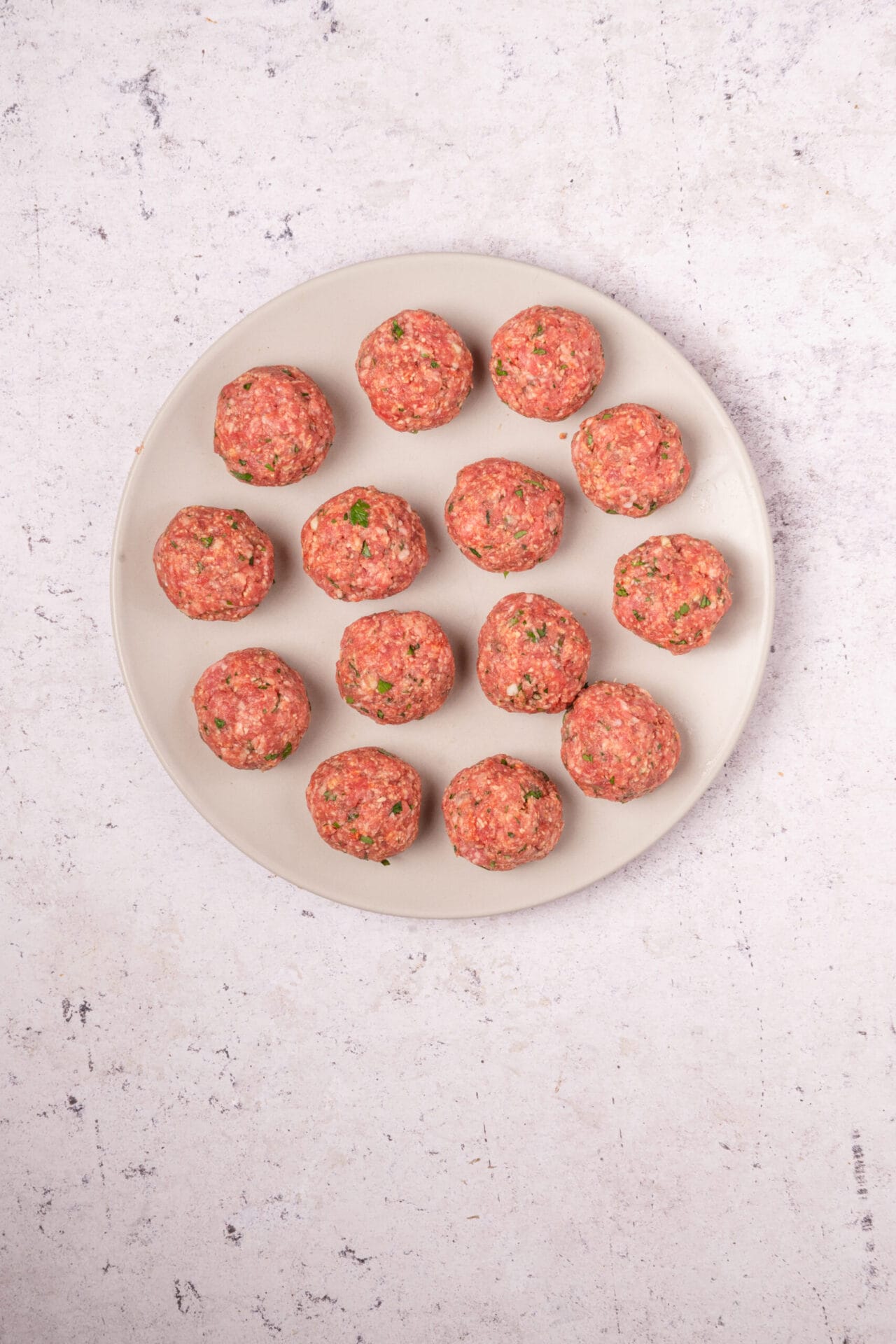
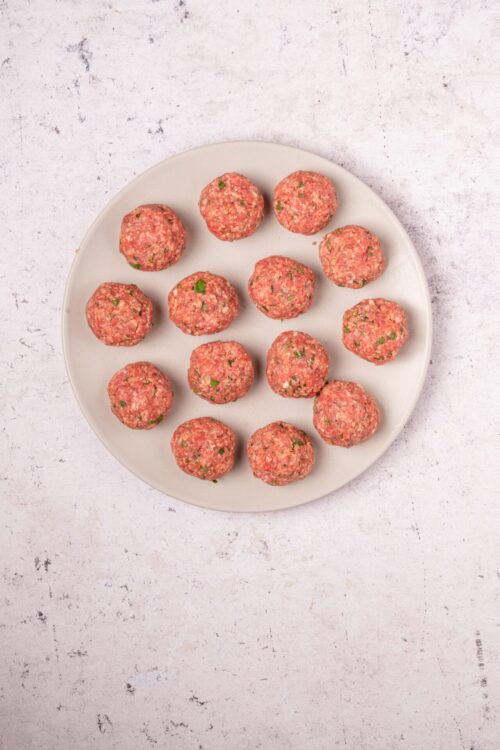
Step 2: Shape the mixture into 1-inch meatballs.
Step 3: Heat olive oil in a large skillet over medium heat. Add meatballs and cook until browned on all sides. Remove meatballs and set aside.
Step 4: In the same skillet, add onion, carrots, minced garlic, and bay leaf. Cook until onion is translucent.
Step 5: Add crushed tomatoes, white wine, paprika, salt, pepper, and chicken stock. Bring to a simmer.
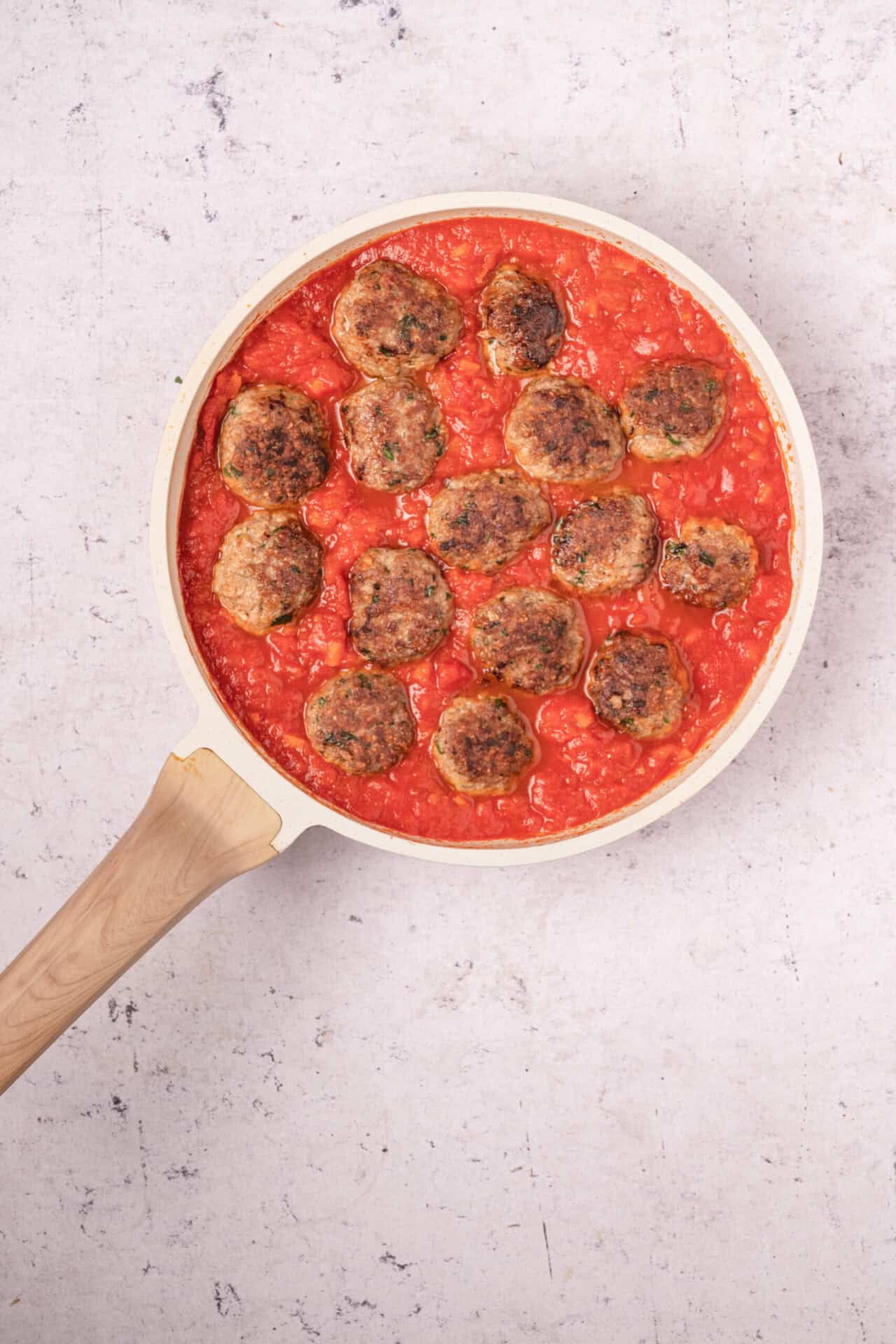
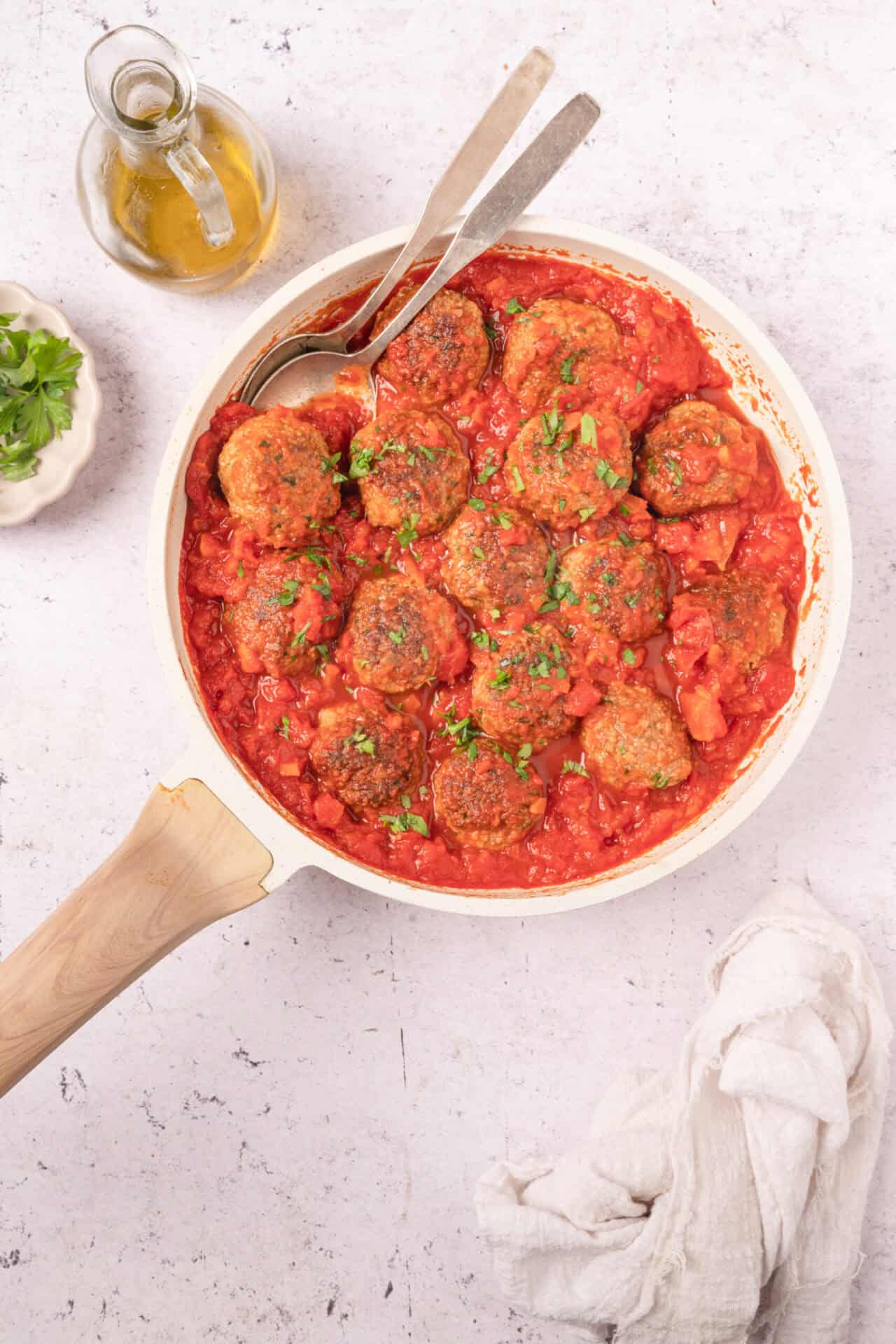
Step 6: Return the meatballs to the skillet with the sauce. Cover and simmer for 20 minutes, or until meatballs are cooked through. Adjust seasoning as needed.
Step 7: Garnish with additional chopped parsley if desired, and serve hot.
FAQs & Tips
How Do I Store Leftovers?
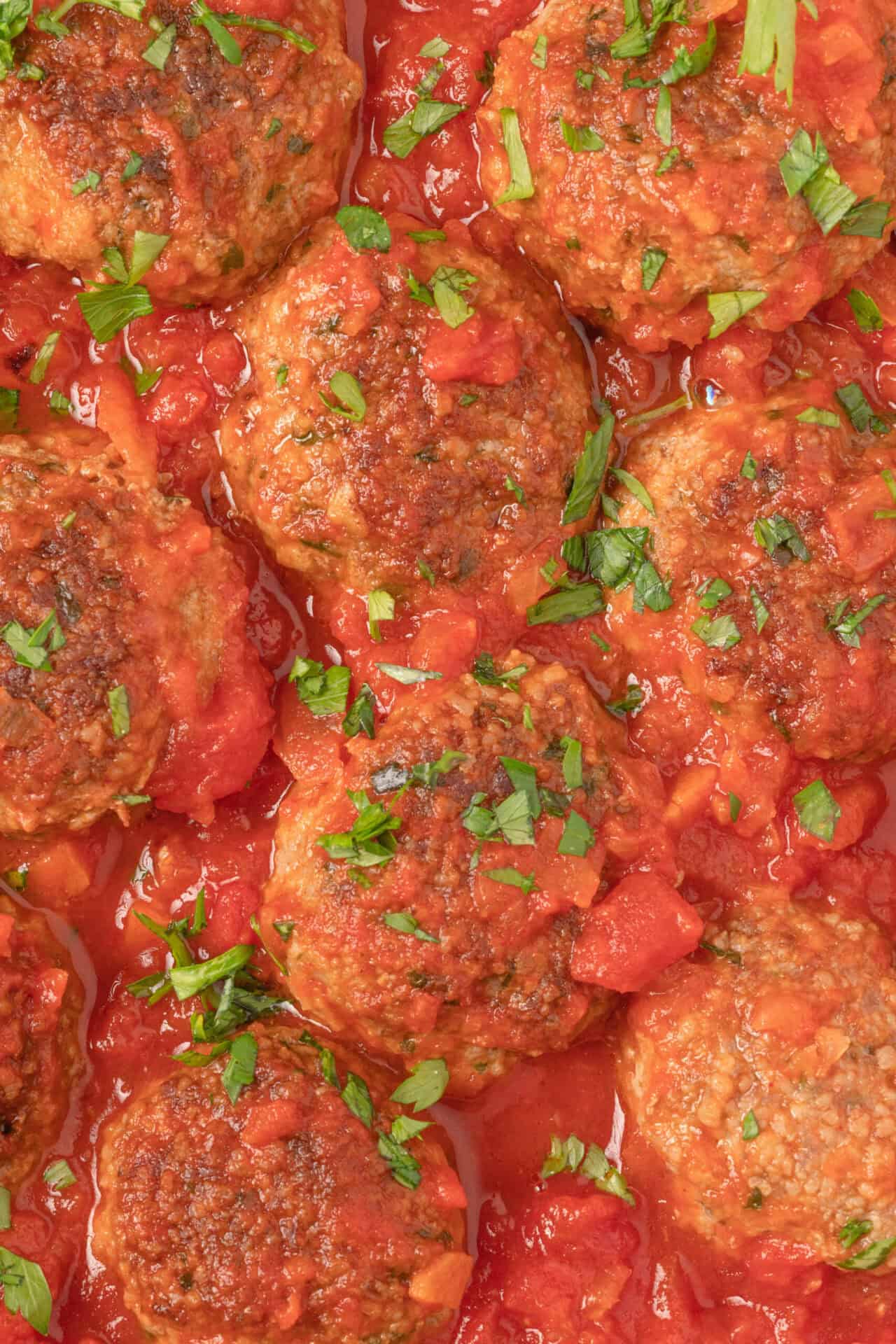
These Spanish meatballs are delicious the day of cooking and only get better over time. To store leftovers, let the dish cool. They can be stored in an airtight container in the fridge for up to 5 days or frozen for up to 3 months. Thaw frozen Spanish meatballs before reheating gently on the stovetop.
Use A Mix Of Meats
Traditional Spanish albóndigas typically use a combination of beef and pork for the best flavor and texture. The pork adds richness and moisture, while the beef provides depth of flavor. Don’t hesitate to experiment with lamb or chicken for a lighter flavor!
Season Generously
Spanish cuisine embraces bold flavors. Garlic, paprika (both sweet and smoked), parsley, and cumin are often used in albóndigas. Don’t be shy with your seasonings; these spices are key to achieving that authentic Spanish taste.
Serving Suggestions
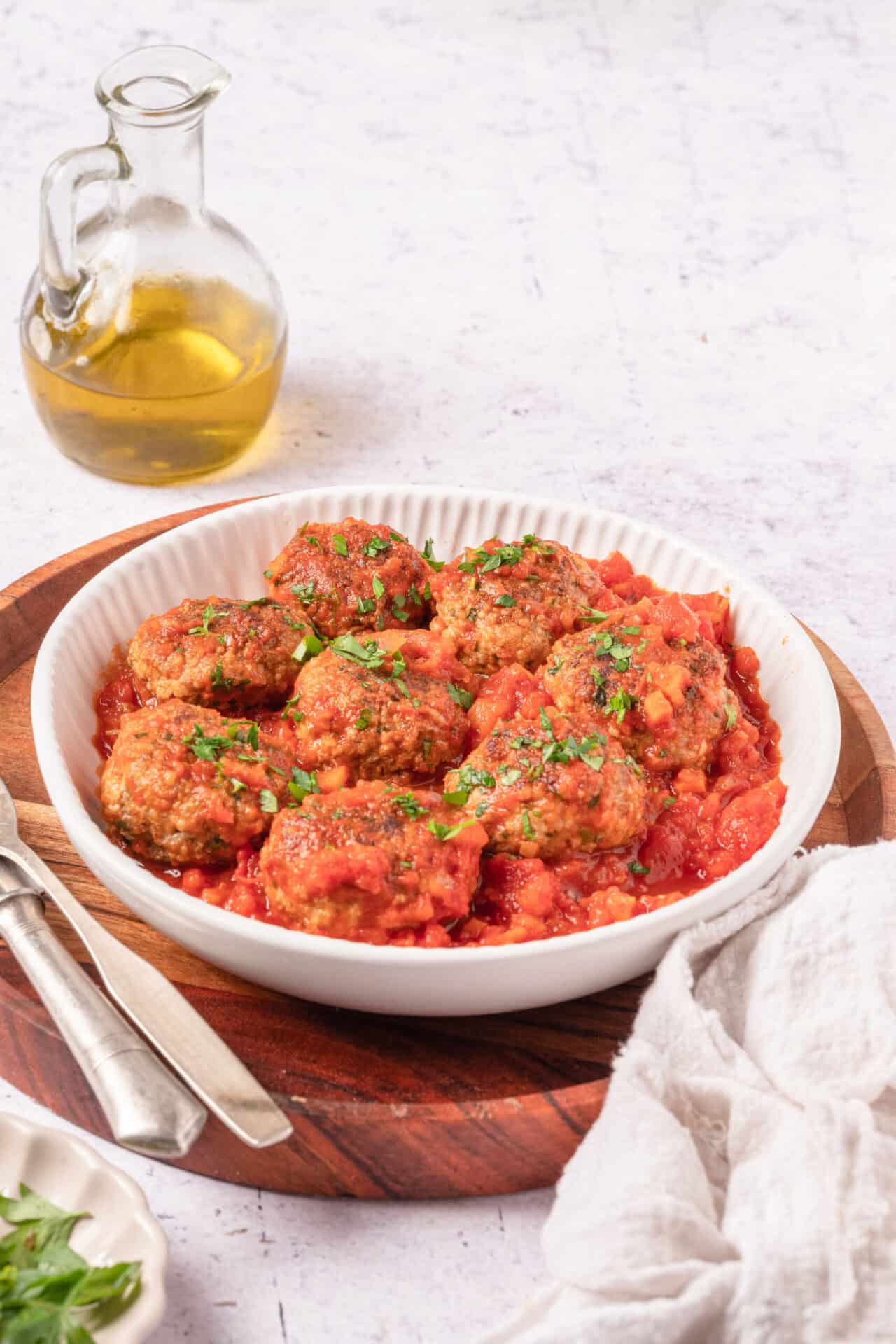
Looking for fun ways to serve your delicious Spanish meatballs? This Baked Ziti is a perfect match, as are two of my personal favorites, the Meatball Slider or Meatball Sub. You can also serve Spanish meatballs alongside simple and fluffy Baked Rice. No meal would be complete without a little bit of something sweet for dessert, like this tantalizing White Chocolate Mousse.
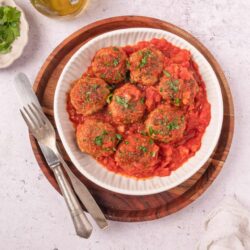
Spanish Meatballs

Ingredients
- 1 pound ground beef
- 1/2 pound ground pork
- 1/2 cup plain dry breadcrumbs
- 3 cloves garlic minced
- 2 large eggs
- 3 tablespoons milk
- 2 teaspoons sweet paprika
- 1/3 cup fresh parsley chopped, plus additional for garnish
- Salt to taste
- Black pepper to taste
- Olive oil as needed for frying
- 1 medium onion finely chopped
- 1/3 cup carrot finely diced
- 4 cloves garlic minced (for sauce)
- 1 bay leaf
- 28 ounces canned crushed tomatoes
- 3/4 cup white wine
- 1 1/2 teaspoons sweet paprika for sauce
- 3/4 cup chicken stock
Instructions
- In a large bowl, combine ground beef, ground pork, breadcrumbs, minced garlic, eggs, milk, sweet paprika, 1/3 cup of chopped parsley, salt, and pepper. Mix until well combined.
- Shape the mixture into 1-inch meatballs.
- Heat olive oil in a large skillet over medium heat. Add meatballs and cook until browned on all sides. Remove meatballs and set aside.
- In the same skillet, add onion, carrots, minced garlic, and bay leaf. Cook until onion is translucent.
- Add crushed tomatoes, white wine, paprika, salt, pepper, and chicken stock. Bring to a simmer.
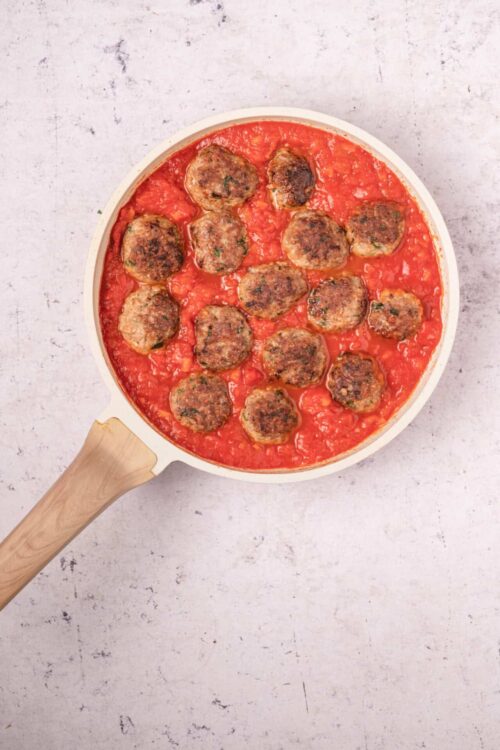
- Return the meatballs to the skillet with the sauce. Cover and simmer for 20 minutes, or until meatballs are cooked through. Adjust seasonings as needed.
- Garnish with additional chopped parsley if desired, and serve hot.

Leave a Comment