

For a more Italian-style cheesecake with less fat, why not try a fluffy Ricotta Cheesecake?
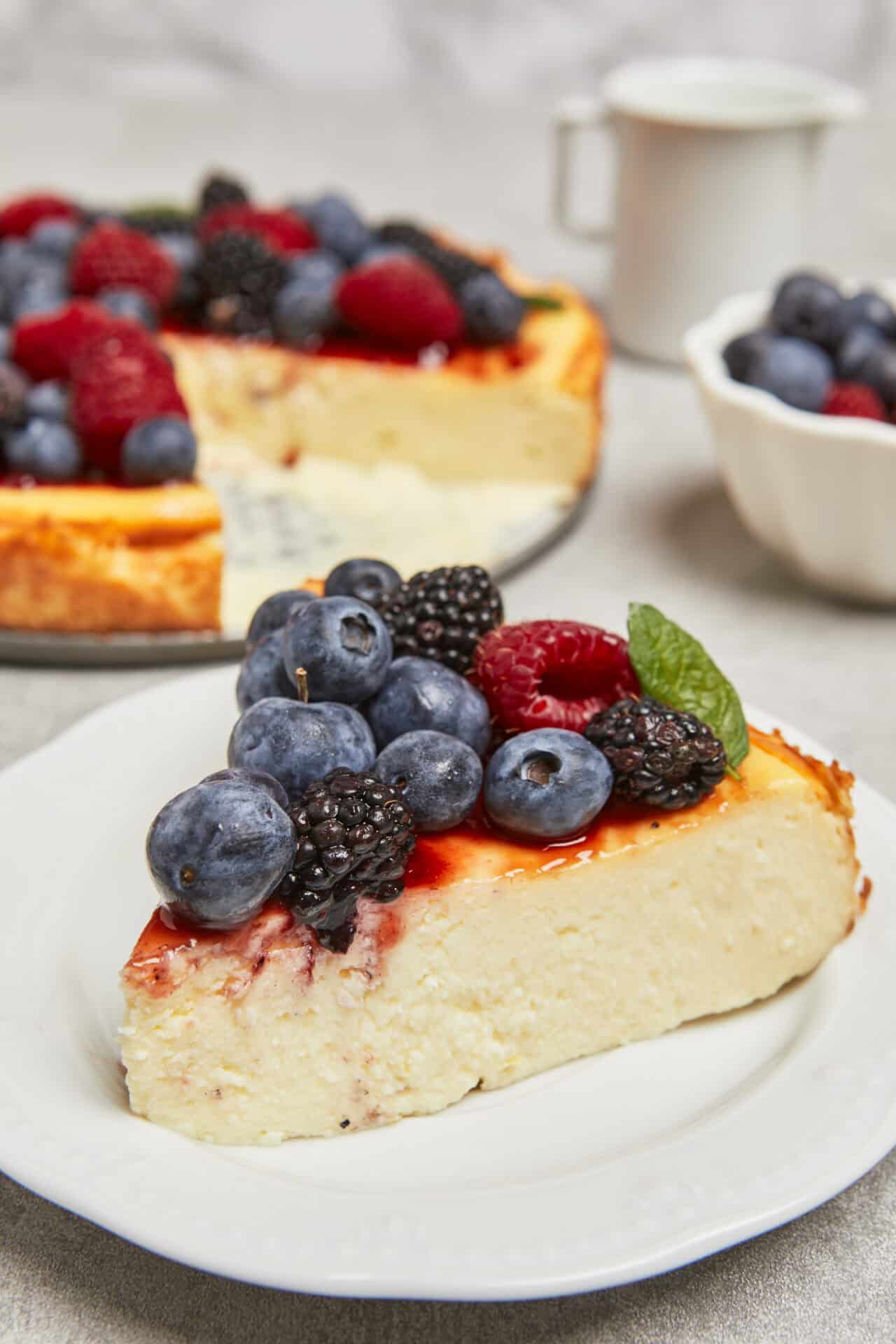
Between cream cheese and ricotta, the differences seem simultaneously obvious and obscure. Surely both are extra soft, high-moisture cheeses with the slightest hint of tang; but the similarities seem to stop there when you compare them side by side. Ricotta has less fat and less salt than cream cheese while also having a pool of whey and water that needs to be drained off, while cream cheese can keep a formed shape when cold, essential for cheesecakes! While for some recipes (particularly savory ones) it makes sense to interchange the two, you wouldn’t think that the dessert for which cream cheese is most associated would be one of them.
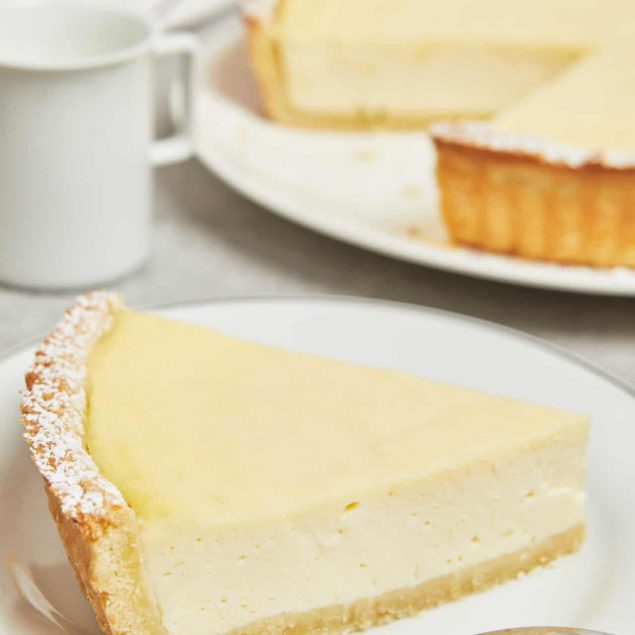
It might seem like an odd choice of cheese given the moisture content present, but ricotta actually makes a divine cheesecake! I wasn’t initially sold on the idea of swapping out the majority of the cream cheese I would have been using for a much looser, slightly tangier alternative until I read up on Italian-style cheesecakes which combine the unique flavor and texture of ricotta with equally delicate and complementary sharp berries to create a creamier texture overall. Our recipe still uses some cream cheese, but the ricotta really gets a chance to make a statement when coupled with tart lemon zest. While the differences between cream cheese and ricotta seem just distinct enough to matter, the two substitute for each other nicely in today’s recipe for ricotta cheesecake.
From Italy With Love – History of Ricotta
Ricotta has been traced back to the Italian peninsula thanks to evidence of acid-coagulation found in ceramic vessels dating around the second millennium BCE. That means Etruscans in the Bronze Age were making tangy ricotta – but not all of them! Etruscan elites seem to have favored harder cheeses that would preserve for longer (owing to cheese graters discovered at burial sites). This means that the likely invention of ricotta is as a resourceful by-product of producing these denser cheeses!
The whey discarded from hard-grating cheese appears to have been collected and mixed with milk to produce new curds resembling what we know as ricotta today – ceramic vessels were even used all the way up until the 1800s. There’s an unmistakable foothold that ricotta has in the human culinary experience as both a waste-not-want-not food and a divinely delicate dish.
Since then, ricotta has sprouted off different culinary branches including salted ricotta and blended ricotta forte. Ricotta shows up in Italian dishes across the culture, from salads to cannoli filling and, yes, cheesecakes!
Ingredients
- 15 ounces whole milk ricotta cheese, drained
- 8 ounces cream cheese, at room temperature
- 1 cup granulated sugar
- 3 large eggs, at room temperature
- 1/4 cup all-purpose flour
- 2 teaspoons pure vanilla extract
- 1 tablespoon lemon zest
- 1/4 teaspoon salt
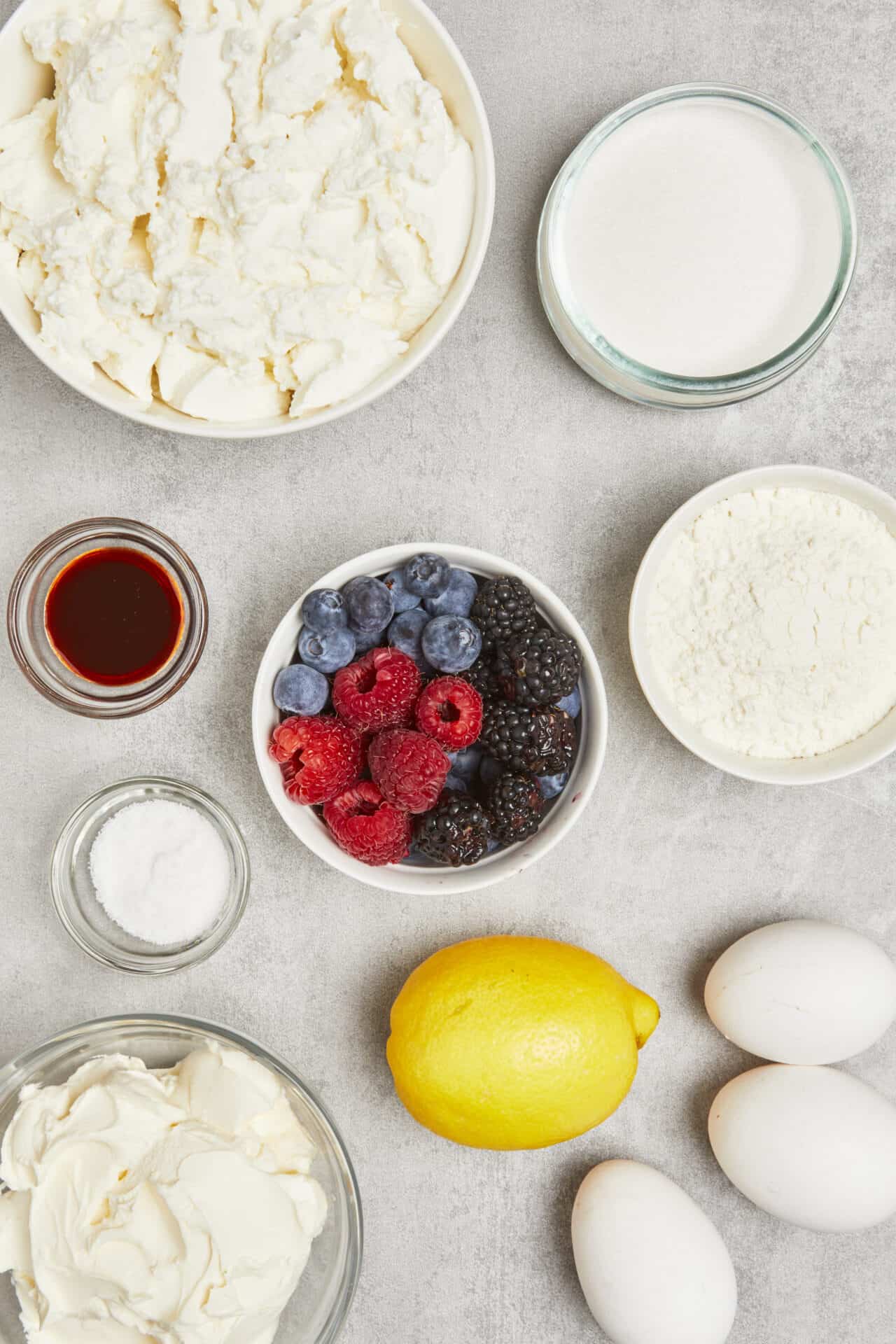
How to Make Ricotta Cheesecake Recipe
Step 1: Preheat your oven to 325°F (165°C) and lightly grease a 9-inch springform pan.
Step 2: In a large mixing bowl, blend together the ricotta cheese and cream cheese until smooth.
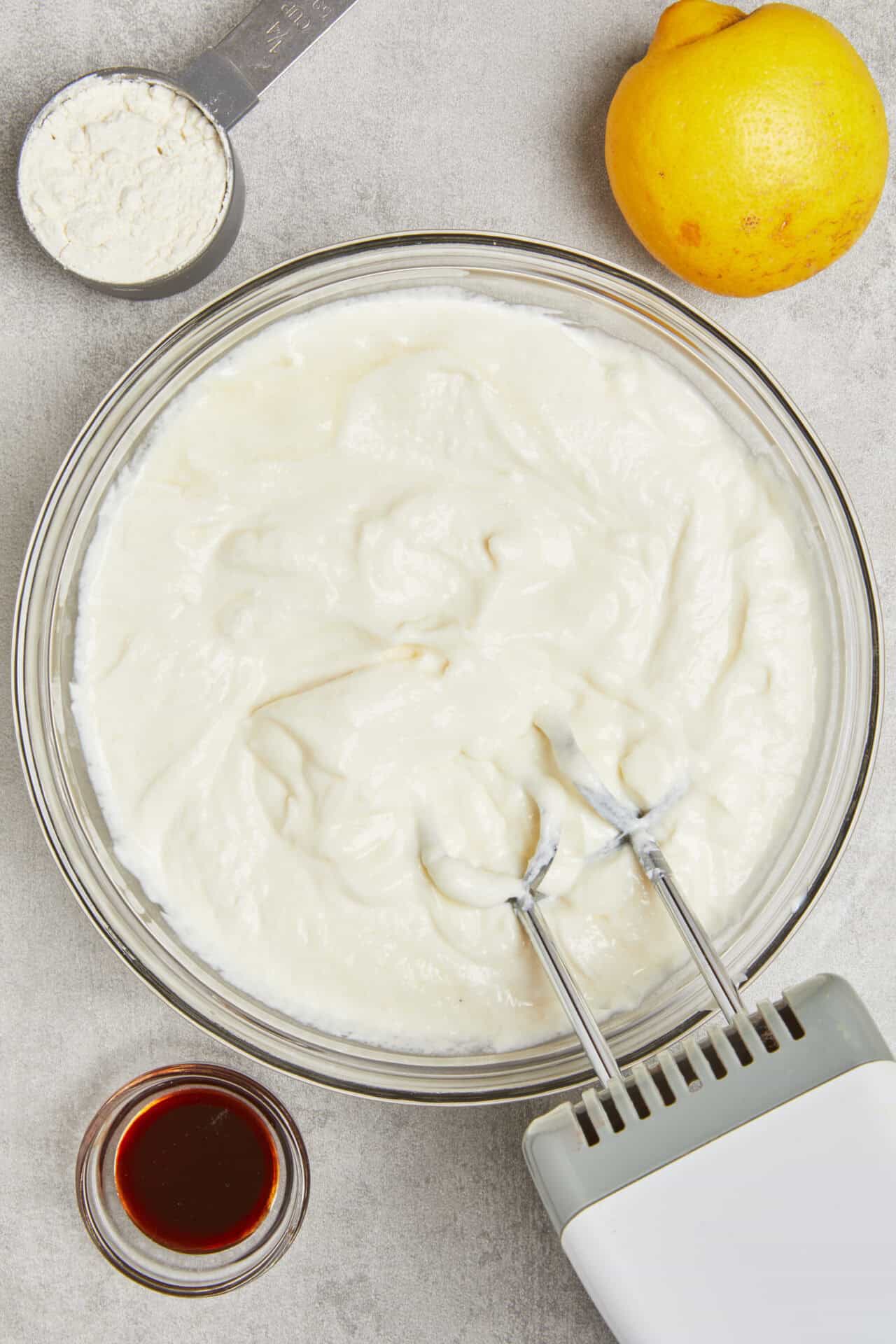
Step 3: Add the granulated sugar and mix until well incorporated.
Step 4: Beat in the eggs, one at a time, ensuring each is fully mixed in before adding the next.
Step 5: Gently fold in the all-purpose flour, vanilla extract, lemon zest, and salt until just combined.
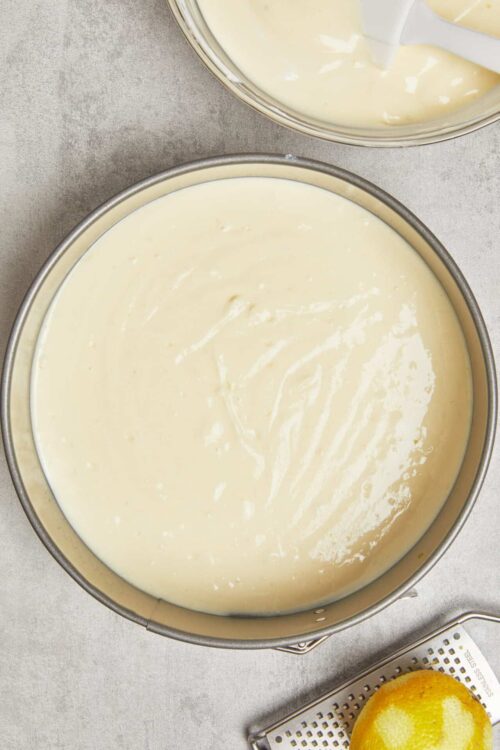
Step 6: Pour the cheesecake mixture into the prepared springform pan and smooth the top with a spatula.
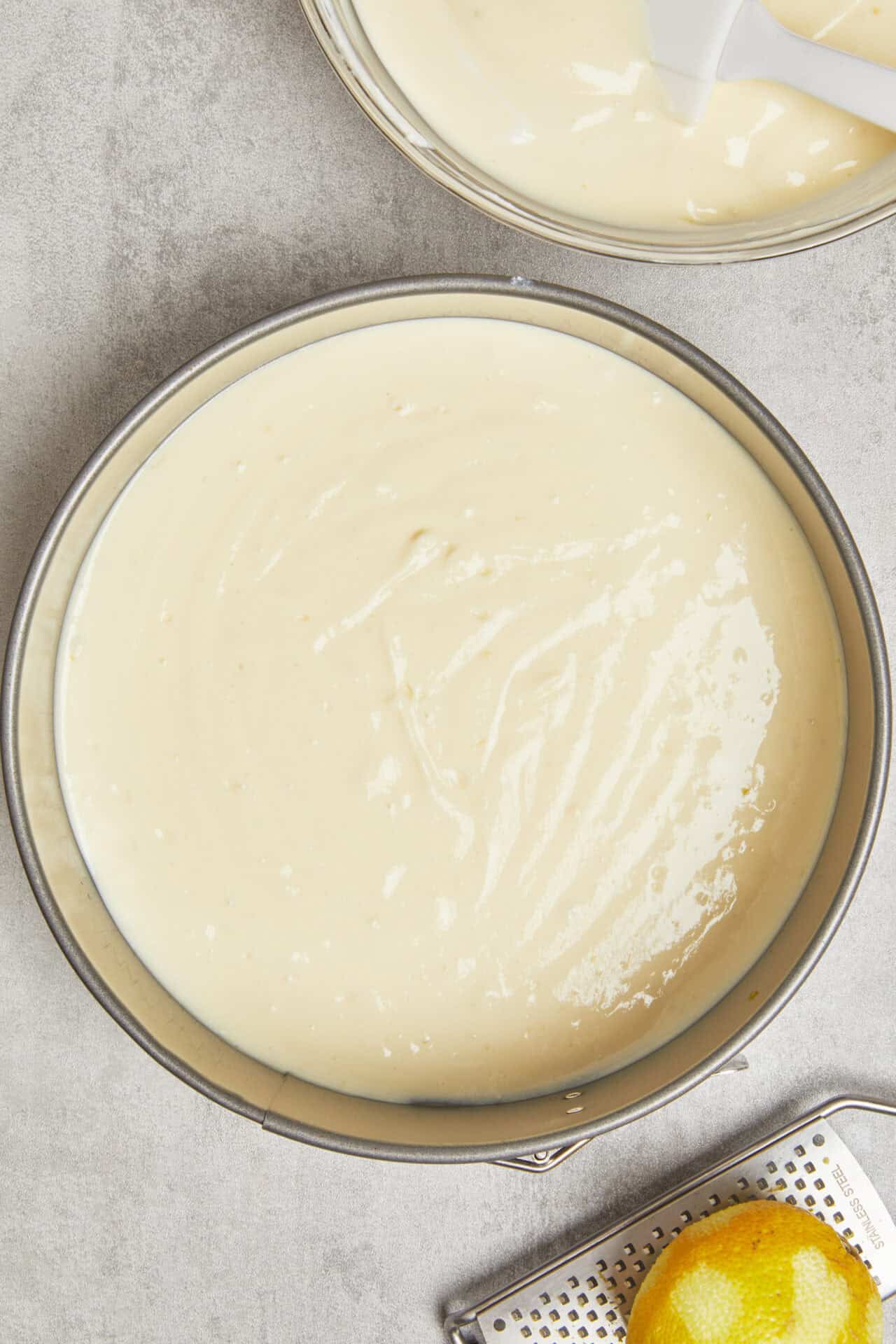
Step 7: Bake in the preheated oven for about 1 hour, or until the edges are set and the center is slightly jiggly.
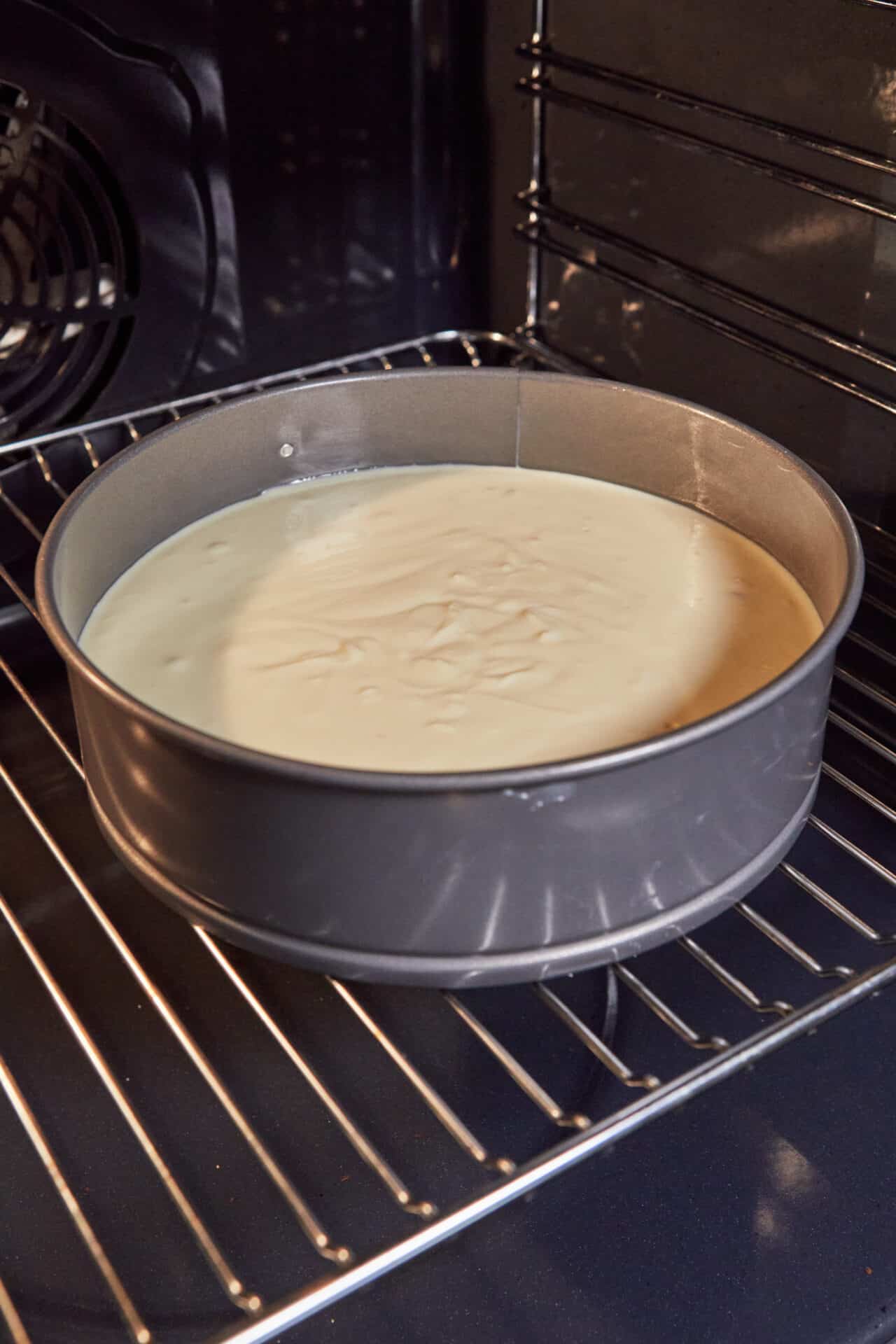
Step 8: Turn off the oven and leave the cheesecake inside with the door closed for 1 hour to cool gradually and prevent cracking.
Step 9: Remove the cheesecake from the oven and let it cool to room temperature, then refrigerate for at least 4 hours, or overnight, until set.
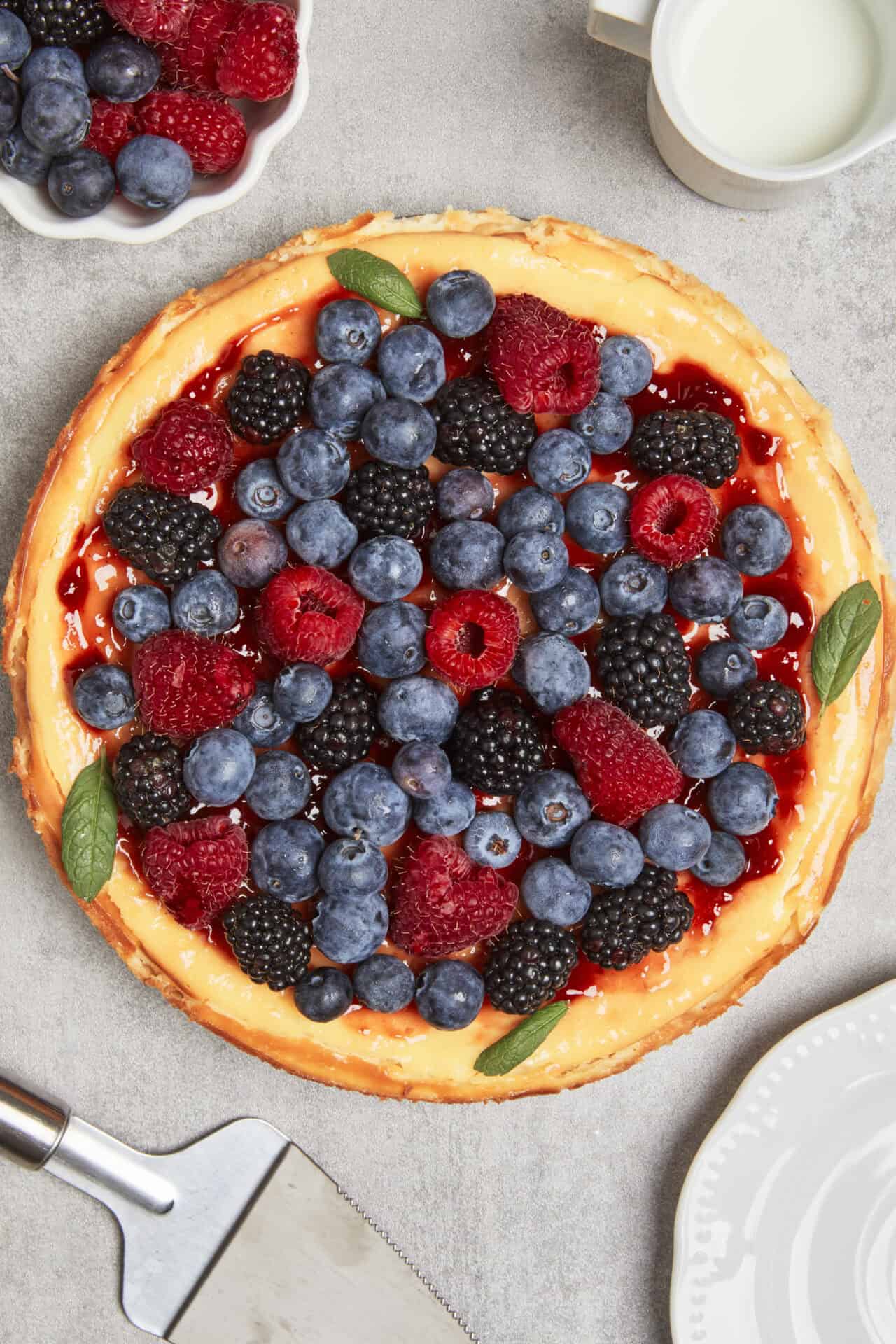
Step 10: When ready to serve, run a knife around the edge of the cheesecake and release it from the pan. Slice and enjoy!
FAQs & Tips
How to Make Ahead and Store
It’s best to serve cheesecake chilled so keep your finished cheesecake (or any leftovers you might have) in the fridge, covered. There, it should last you around 5 days (that’s 5 days of delicious dessert right there!) and, when you’re ready to serve, just slice and plate.
My Cheesecake Is A Bit Runny, Is That Normal?
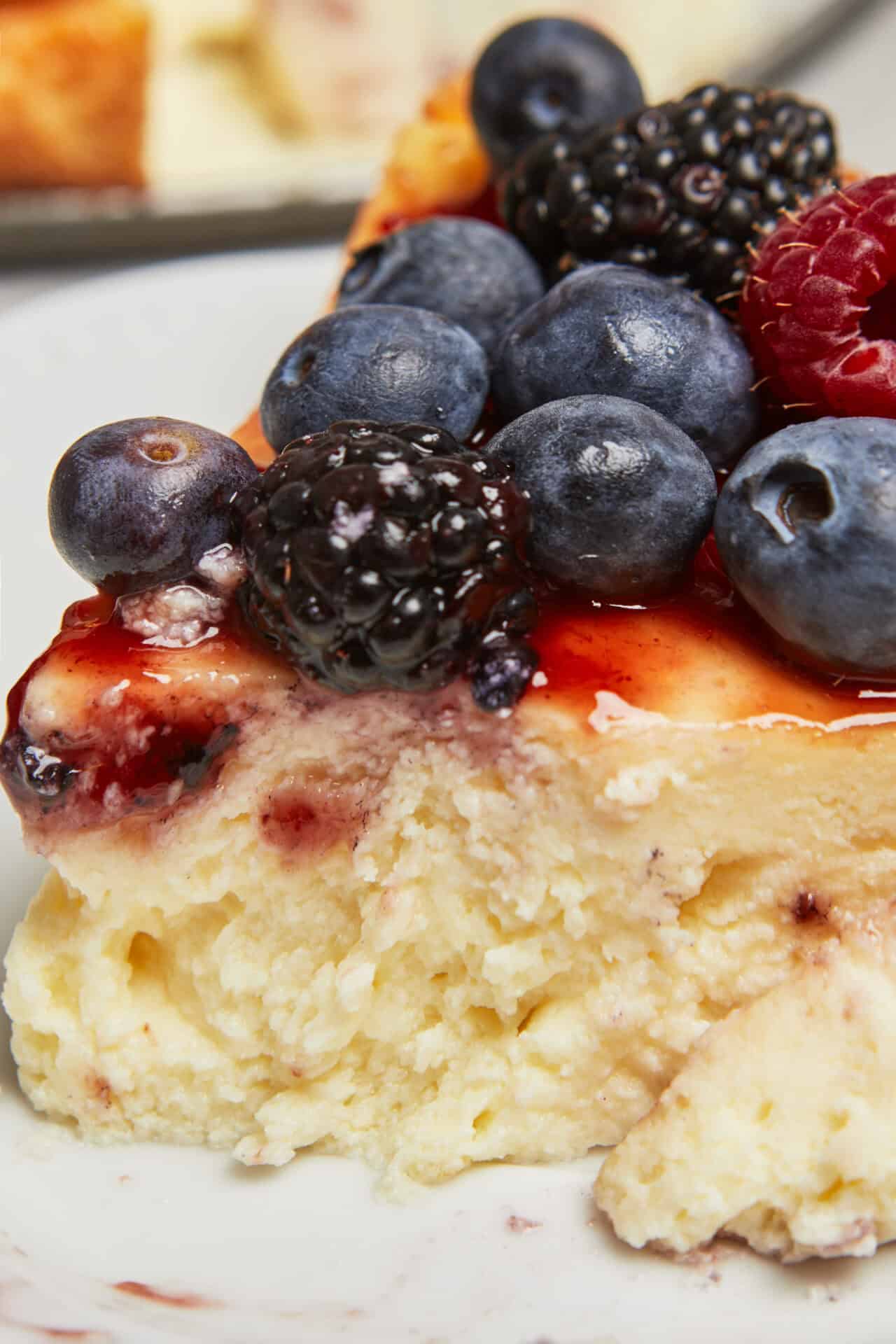
Ricotta has a lot more moisture in it than cream cheese and, as such, your cheesecake may have some seepage or wateriness to it while baking. Remember, you want the center to be slightly jiggly or else your ricotta cheesecake won’t have the fluffy, delicate texture native to ricotta!
Can I Make This Cheesecake Without Any Cream Cheese?
Technically, yes, though the cream cheese we added is to help keep the cheesecake’s form. If you want a softer, almost pudding-like cake, you can totally remove cream cheese from the equation. If you want to keep a more familiar cheesecake consistency and form, you’ll need cream cheese, sour cream, or yogurt (any dairy which is just slightly thicker than ricotta).
Serving Suggestions
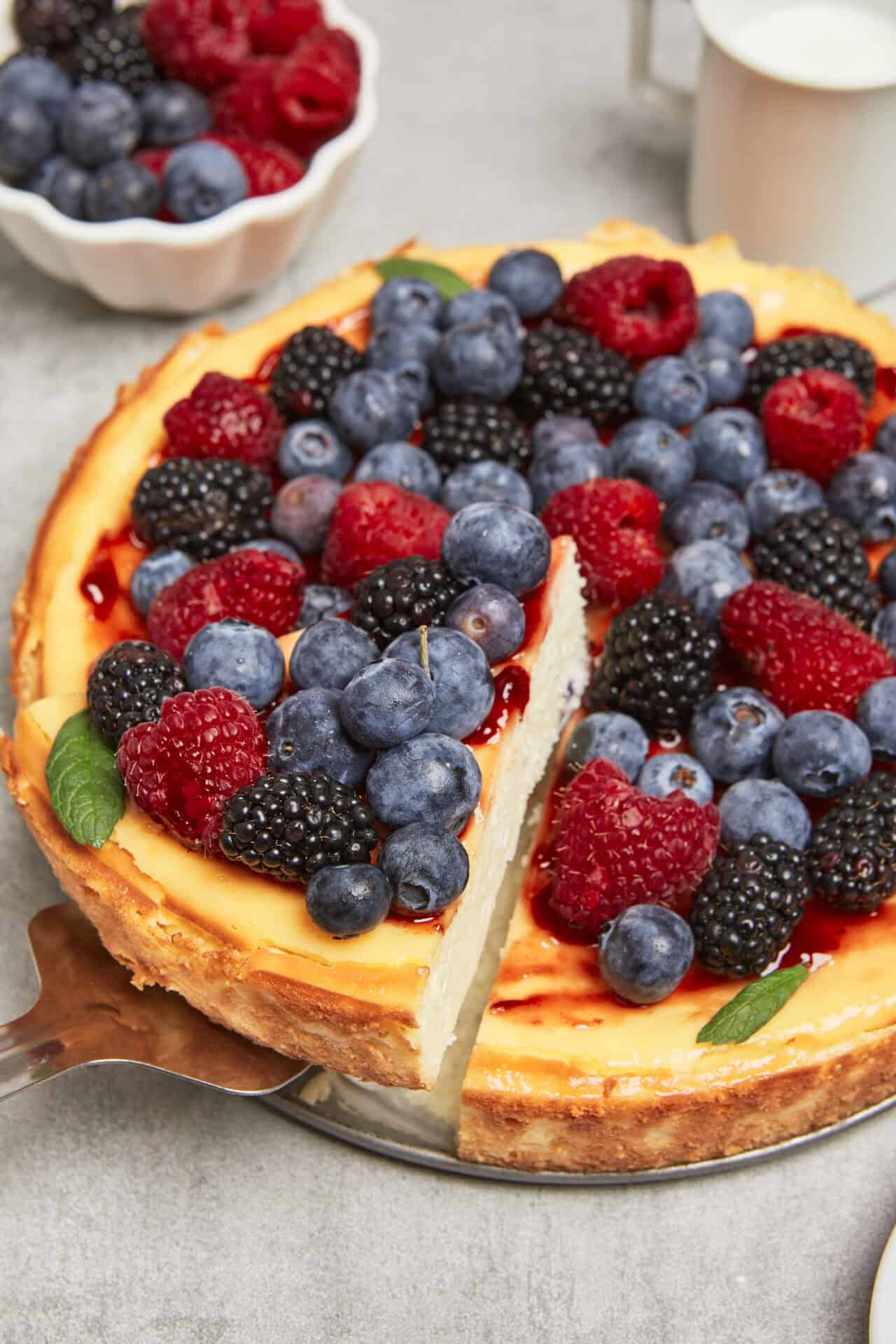
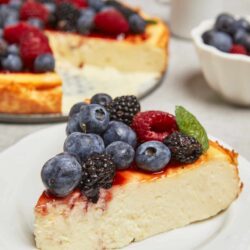
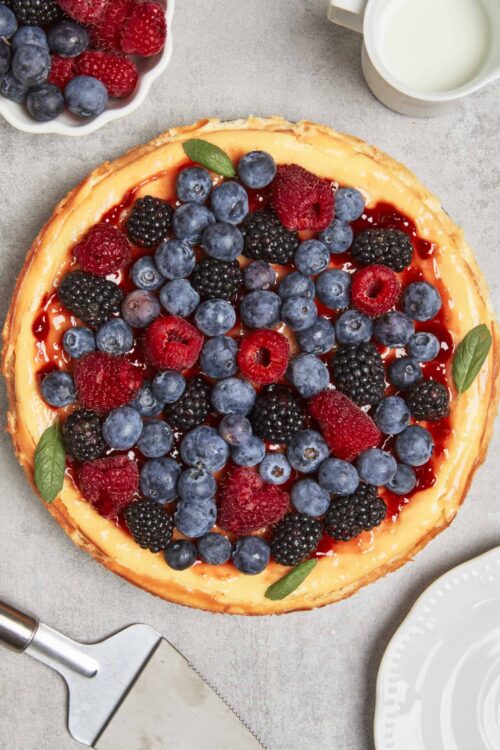
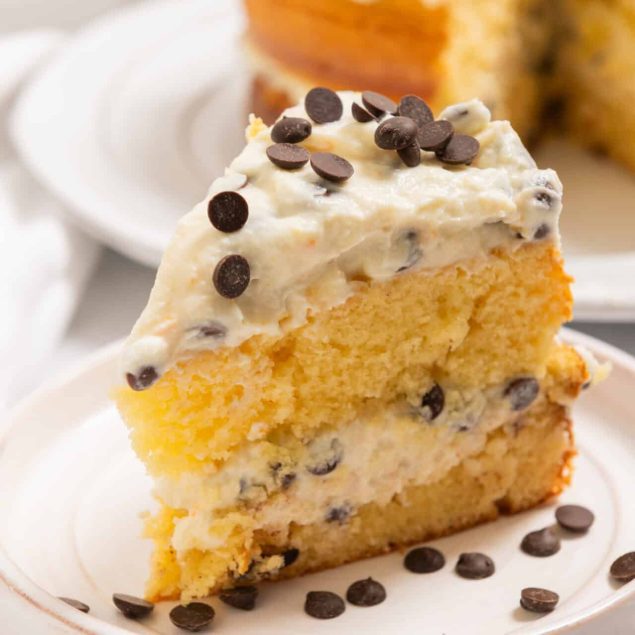
I love topping my ricotta cheesecake with tart blueberries and lemon zest, but you can’t go wrong with a slathering of Chocolate Ganache or pairing it with a couple of your favorite desserts, either! Any leftover ricotta can go towards making a Cannoli Dip perfect for fruits! Try lining your ricotta cheesecake tin with Ladyfingers for an added Italian flair or if you’re really adventurous, try a Pecan Brittle bottom!). Couple your ricotta cheesecake with a classic cheesecake pairing, a cool cold brew (try this Pumpkin Cream Cold Brew – it’s a Starbucks copycat recipe).
Ricotta Cheesecake Recipe

Ingredients
- 15 oz whole milk ricotta cheese drained
- 8 oz cream cheese at room temperature
- 1 cup granulated sugar
- 3 large eggs at room temperature
- 1/4 cup all-purpose flour
- 2 teaspoons pure vanilla extract
- 1 tablespoon lemon zest
- 1/4 teaspoon salt
Instructions
- Preheat your oven to 325°F (165°C) and lightly grease a 9-inch springform pan.
- In a large mixing bowl, blend together the ricotta cheese and cream cheese until smooth.
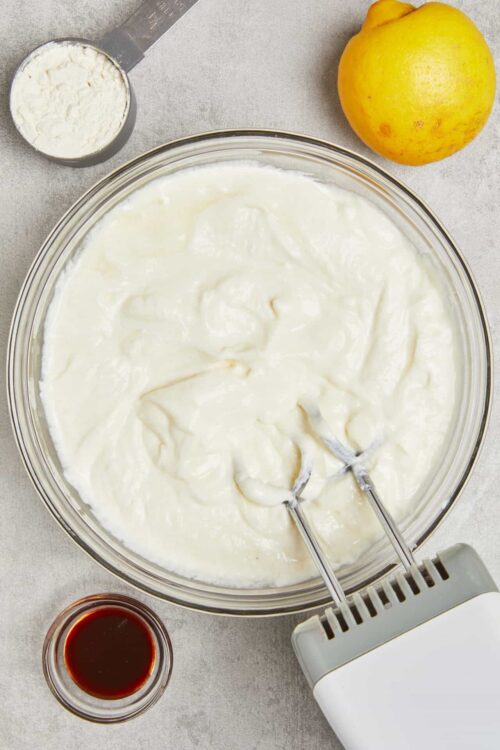
- Add the granulated sugar and mix until well incorporated.
- Beat in the eggs, one at a time, ensuring each is fully mixed in before adding the next.
- Gently fold in the all-purpose flour, vanilla extract, lemon zest, and salt until just combined.
- Pour the cheesecake mixture into the prepared springform pan and smooth the top with a spatula.
- Bake in the preheated oven for about 1 hour, or until the edges are set and the center is slightly jiggly.
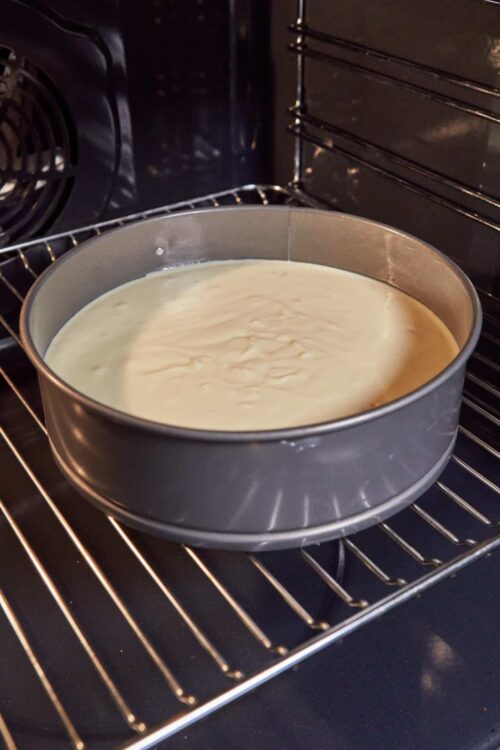
- Turn off the oven and leave the cheesecake inside with the door closed for 1 hour to cool gradually and prevent cracking.
- Remove the cheesecake from the oven and let it cool to room temperature, then refrigerate for at least 4 hours, or overnight, until set.
- When ready to serve, run a knife around the edge of the cheesecake and release it from the pan. Slice and enjoy!

Leave a Comment