

This Venezuelan take on classic flan has a rum spike to it that’s got some kick!
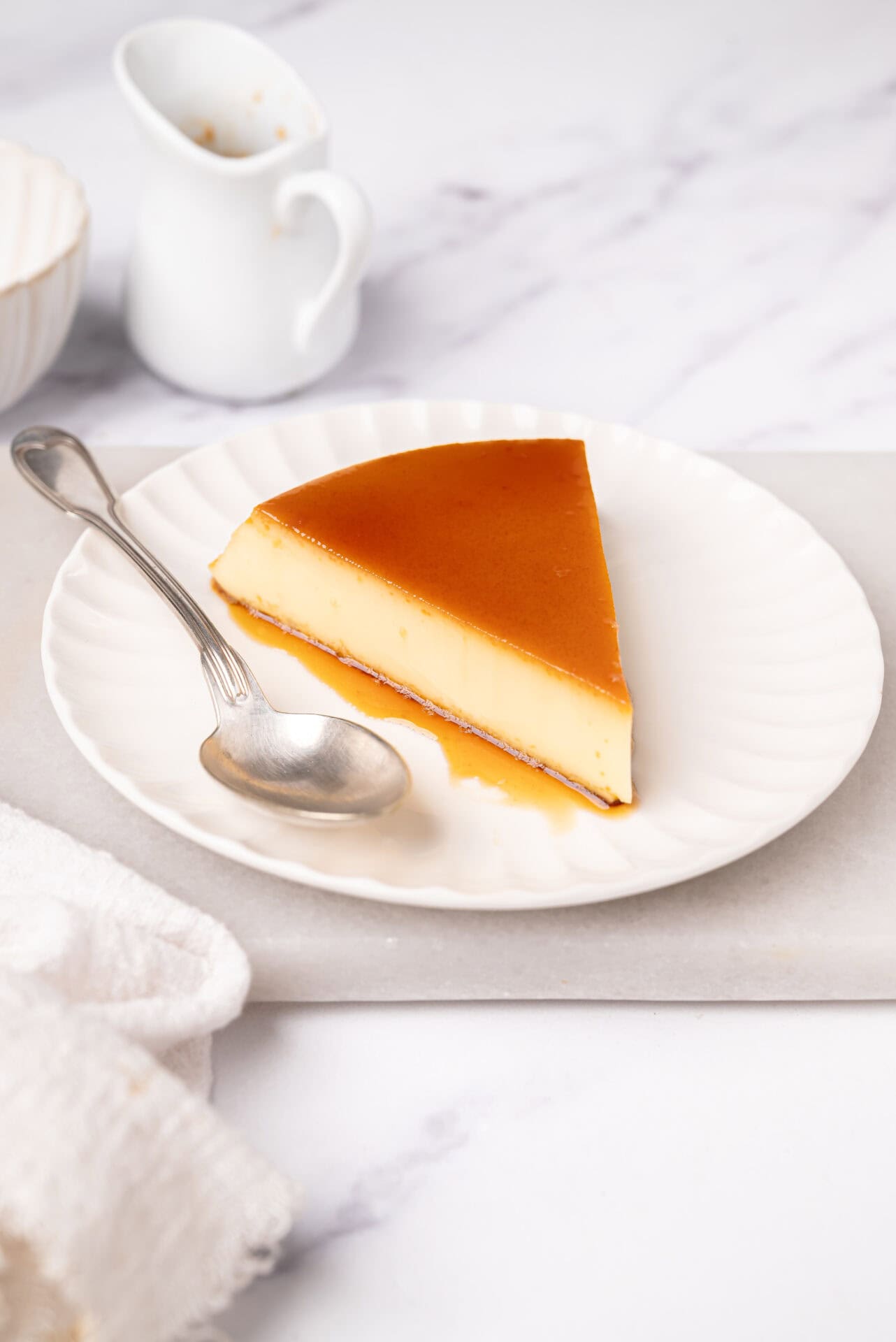
The first time I ever had flan was in my high-school Spanish class, when a fellow student brought some homemade flan in for a cultural exchange day, sharing what dessert looks like in her Mexican household. It was a humorous experience because at the same time, another student had brought in crème caramel, a dish he insisted (wrongly, in hindsight) was distinctly Spanish that his mother would make for special occasions. Having a bite of each, the similarities between the two dishes were astonishing, making them nearly indistinguishable from each other. It only makes sense as Spanish influence in the Latin and Central American world has been so widespread following the conquistadors’ expansion of Spanish power into those regions. But the distinction between two nearly identical recipes is still palpable enough to differentiate – especially among those whose cultures each dessert represents!
Lots of Spanish-speaking nations have a dessert which features the same quintessential parts: a fluffy, mousse-like pudding of sweetened condensed milk, a caramelized topper, and just a hint of vanilla extract. Whether it’s Mexican flan or the classic French and Spanish crèmes, the combination of deliciously delicate dairy and sticky sweet syrup makes them an undeniably indulgent dessert that simply can’t be passed up!
Such is the case with Venezuelan flan, also known as quesillo! This dish, like other Spanish puddings from other countries, features a deliciously delicate dessert of sweetened condensed milk and a special, spicy kick of rum!
Flan vs Crème Brûlée
Flan and quesillo are all somewhat similar with some minor differences between recipes and proportions of evaporated and sweetened condensed milk; however, there are some differences between the multinational Latin American flan and its European counterparts – the French crème brûlée and its almost identical cousin the Spanish crème catalana.
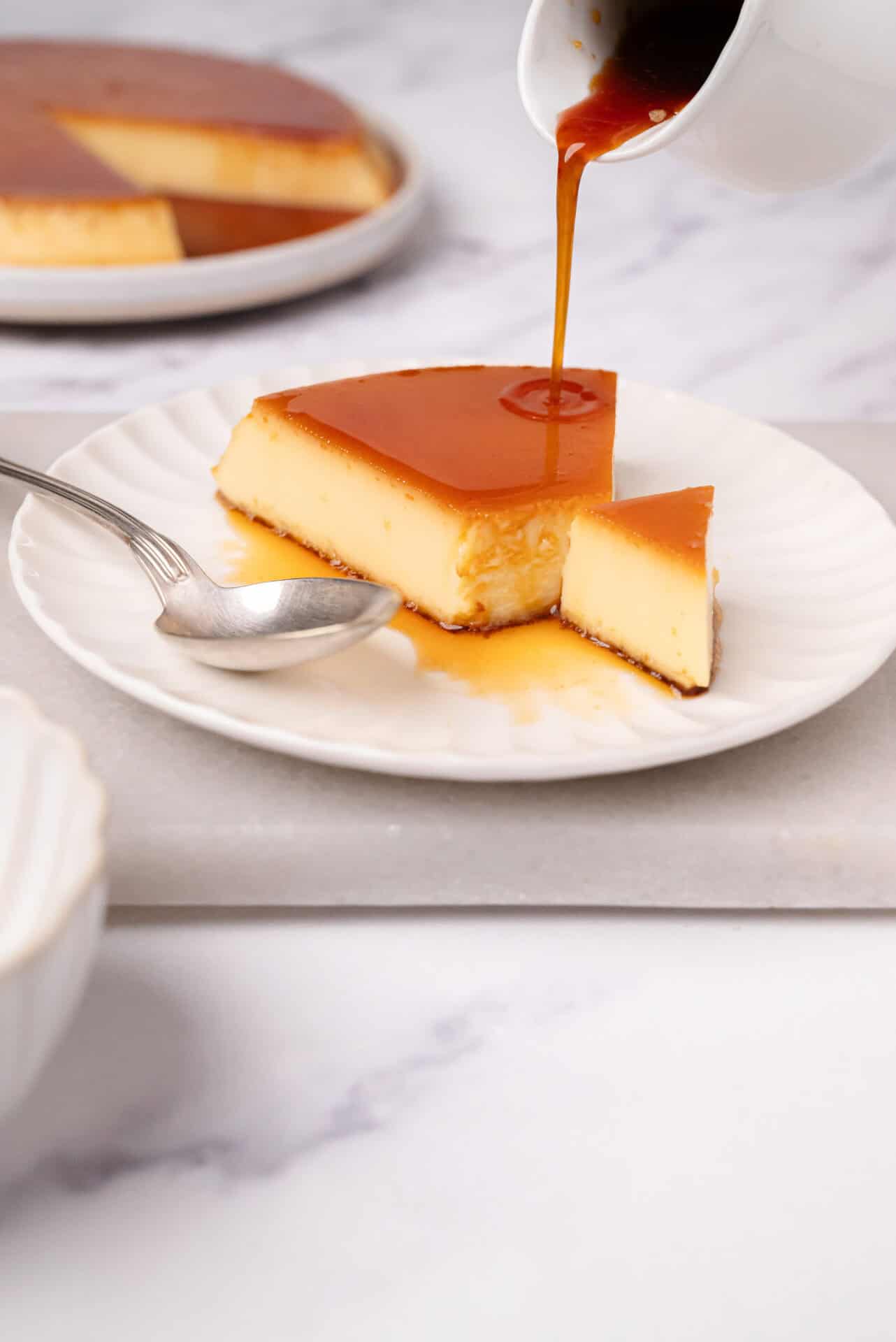
The most noticeable difference in the dishes, despite their ingredients being so similar, comes down to how that caramelized sugar is applied to the dish. In flans, the caramelized sugar is drizzled on in a loose sauce that, then, pools around the pudding on its plate like a beautiful dessert island (pun intended) in an oasis of sweetness. In a crème brûlée, the pudding is topped with sugar that is, then, crisped into a hard caramelized shell that has to be punctured with the spoon to break through!
This satisfactory crunch is complementary to the second difference between the two dishes: flan and quesillo have the structural integrity to stand on their own! Crème brûlée, on the other hand, is so luxuriously loose that it has to be served in its cooking ramekin.
How to Make Ahead and Store?
So long as you keep your quesillo in an airtight container and in the fridge, you can have this refreshing, delicate dessert anytime for up to 5 days after it’s made! Quesillo is just as good warm as it is cold and, as a result, you don’t have to reheat to eat; but if you want to, you can pop it into a 350°F oven with an aluminum cover for about 15 minutes and serve deliciously hot.
Serving Suggestions
Because quesillo is so similar to flan, it can be served as a final-stop dessert for other classically Spanish and Mexican dishes! Start your Latin-inspired meal with an appetizer of Esquites (Mexican Street Corn) and follow that up with a scrumptious bowl of Mexican Chicken Soup (especially devourable if you make it with our Mexican Pulled Chicken recipe!) For the main course try Ground Beef Quesadillas or maybe even some Steak Burritos! Then you can cap off the night with a shot of rum on your delicious quesillo!
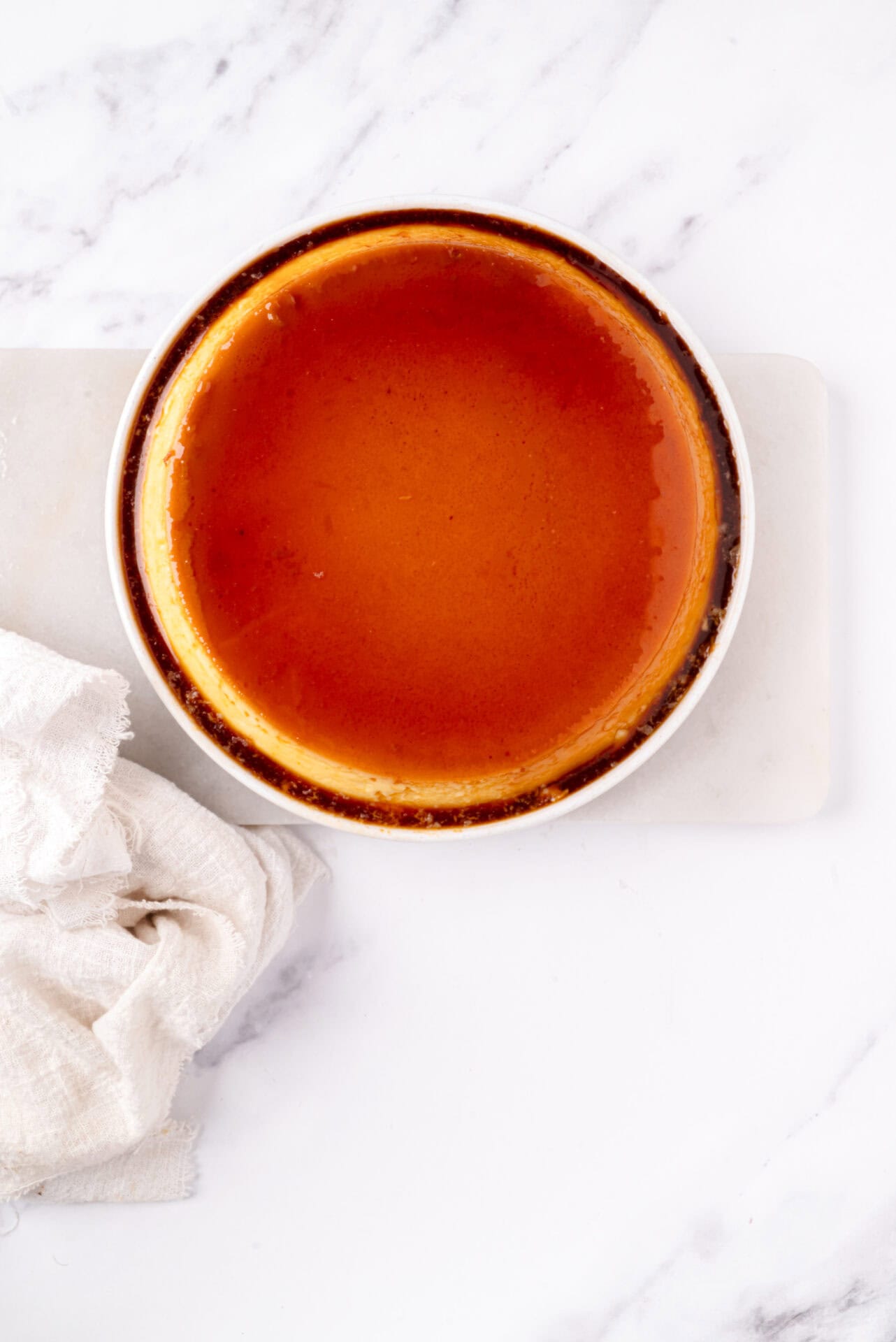

Quesillo Recipe

Ingredients
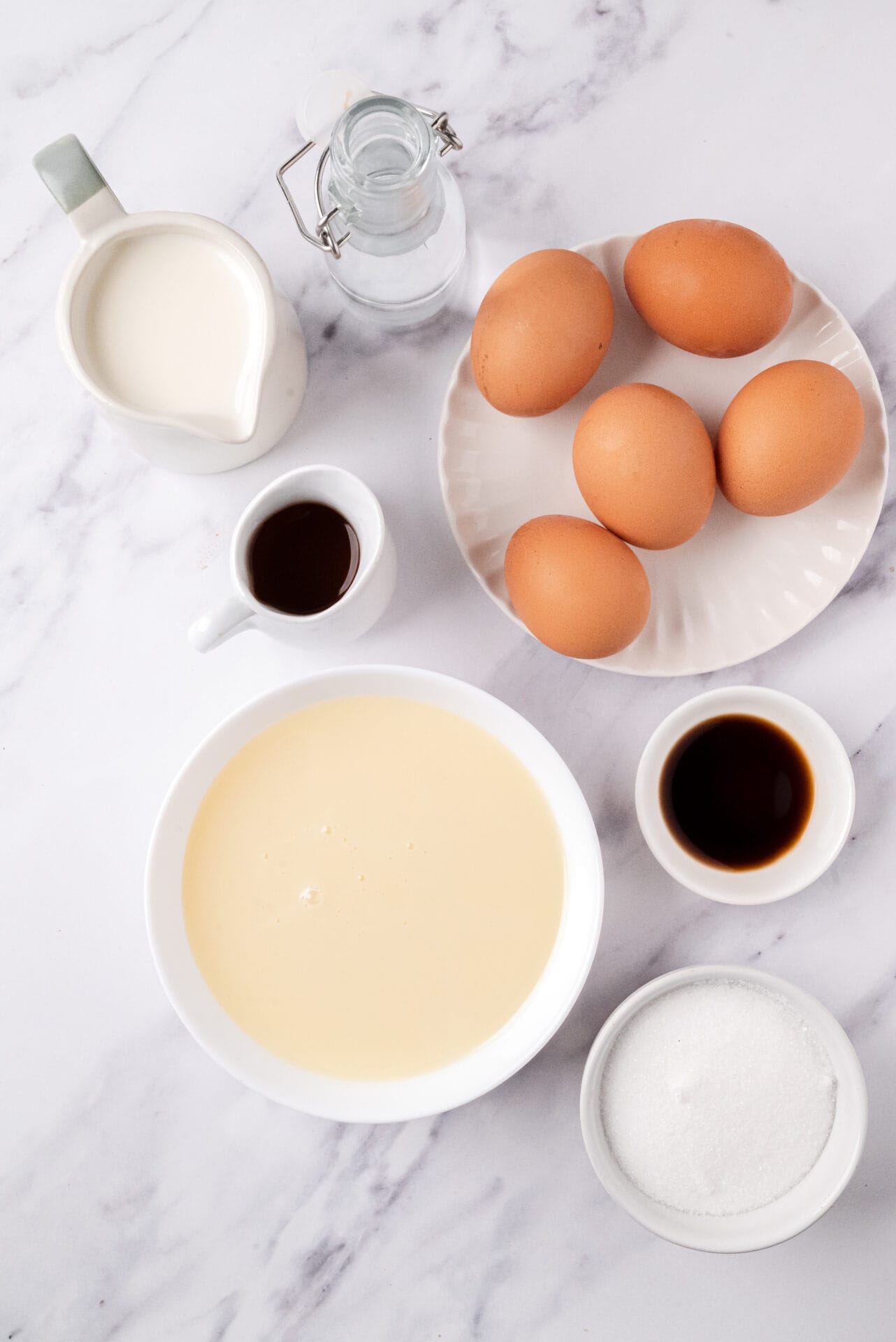
- 1 14- ounce can sweetened condensed milk
- 1 cup whole milk
- 5 large eggs
- 1 tablespoon dark rum
- 1 tablespoon pure vanilla extract
- 1 cup granulated sugar
- 1/4 cup water
Instructions
- Preheat your oven to 350°F (175°C).
- In a small saucepan, combine granulated sugar and water over medium heat. Stir until the sugar dissolves and cook until it turns a light amber color to make the caramel.
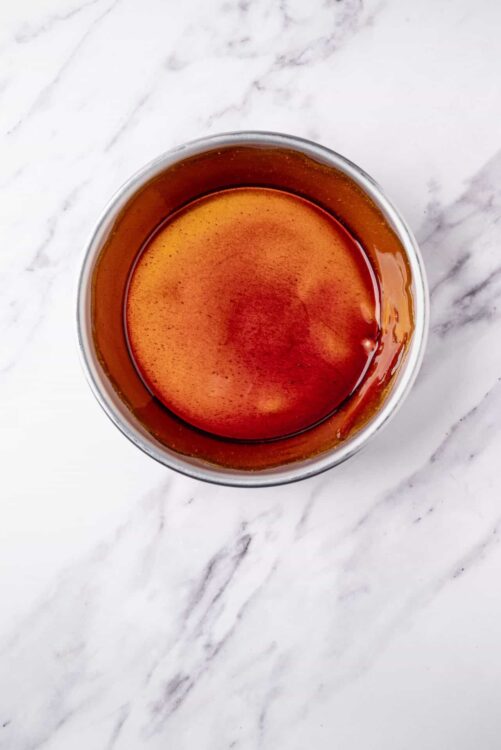
- Quickly pour the caramel into a round baking dish, tilting to coat the bottom evenly. Set aside to cool and harden.
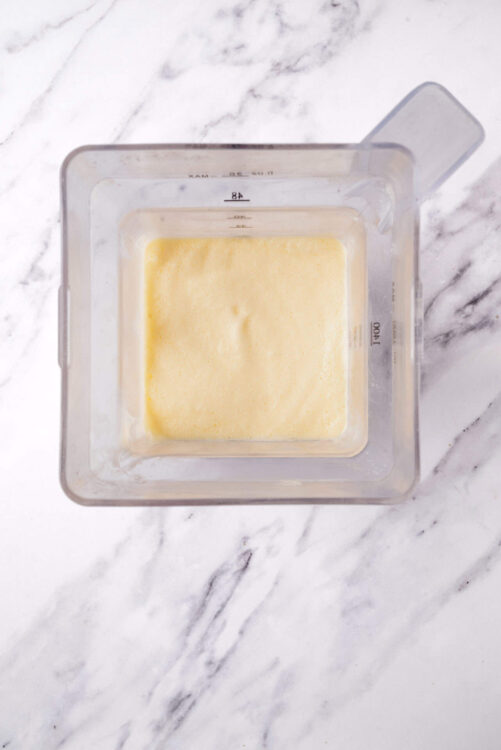
- In a blender, mix together the sweetened condensed milk, whole milk, eggs, dark rum, and vanilla extract until smooth.
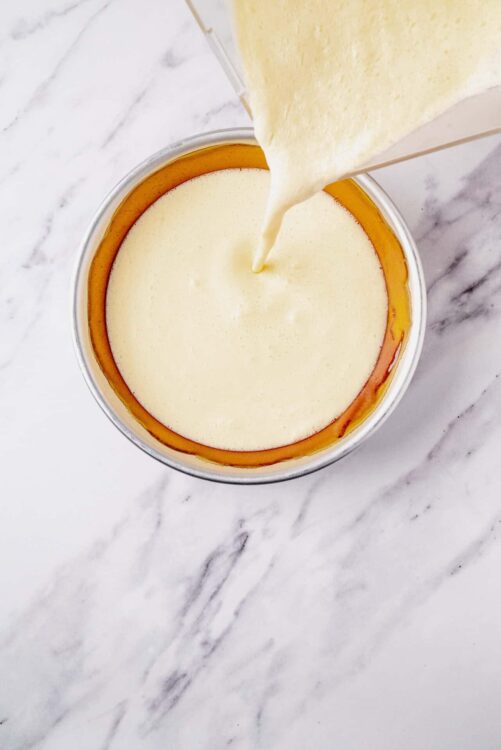
- Pour the milk mixture over the hardened caramel in the baking dish.
- Place the baking dish in a larger pan and fill the larger pan with hot water halfway up the sides of the baking dish to create a water bath.
- Bake in the preheated oven for 75 minutes or until the center is just set.
- Remove the quesillo from the oven and let it cool to room temperature. Then, refrigerate for at least 4 hours or overnight.
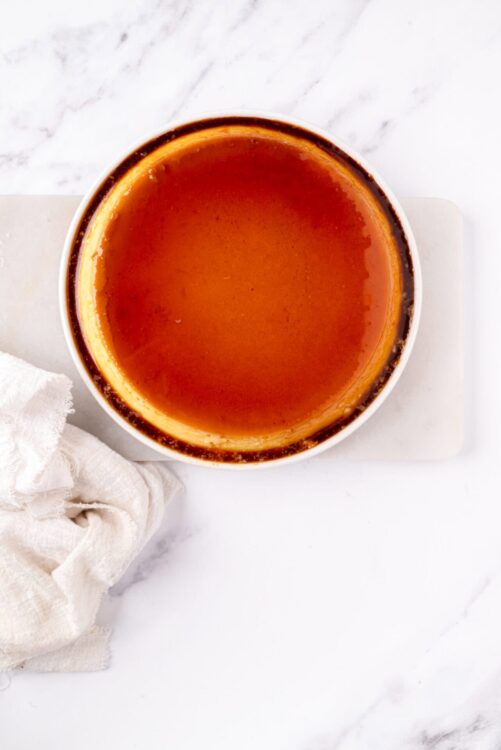
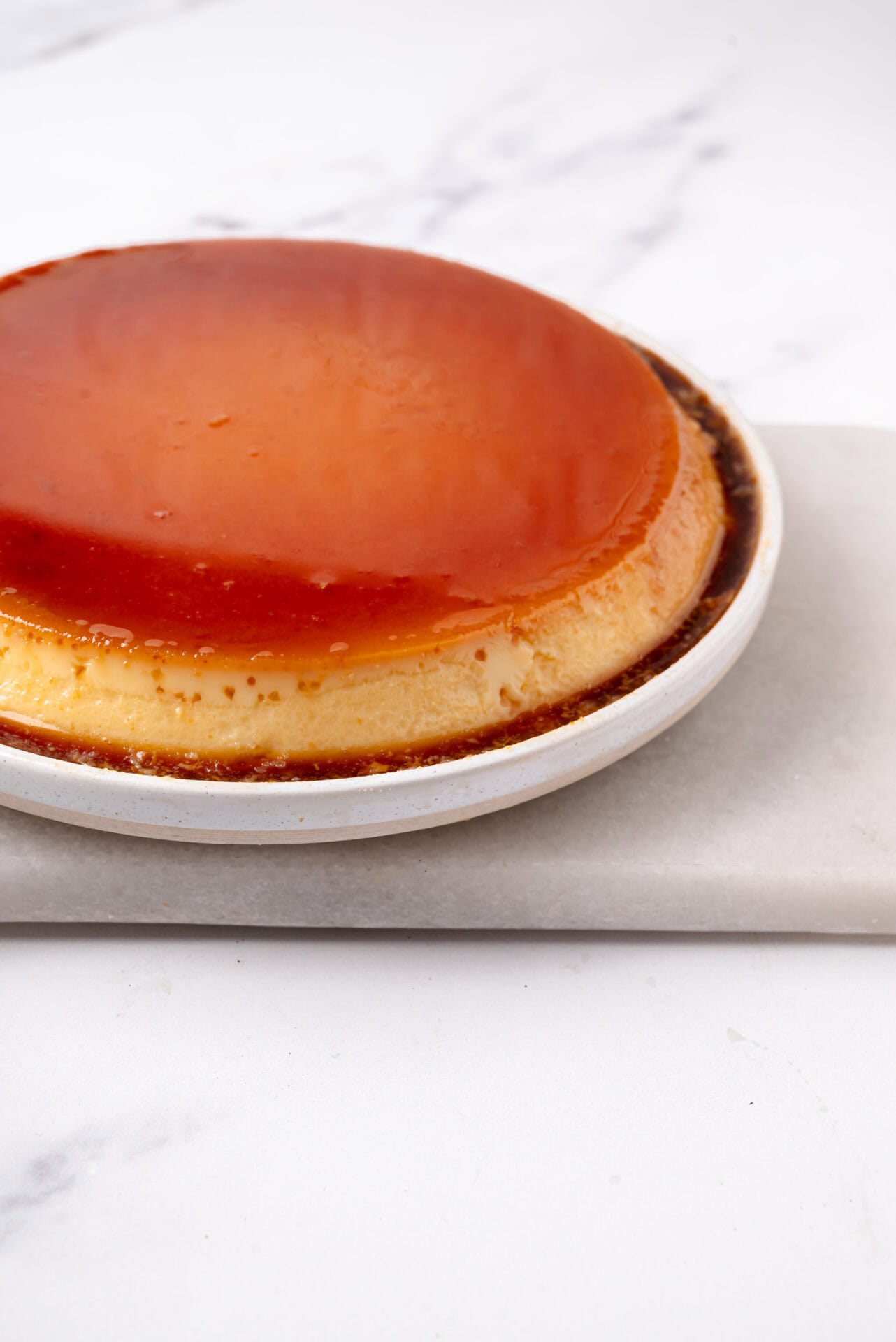
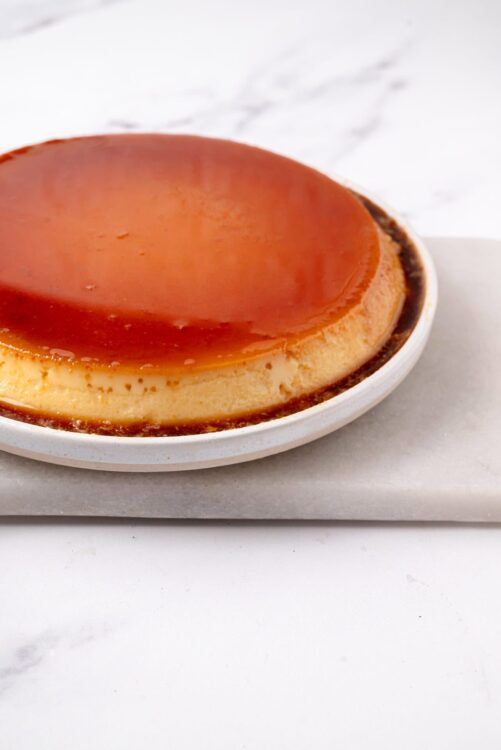
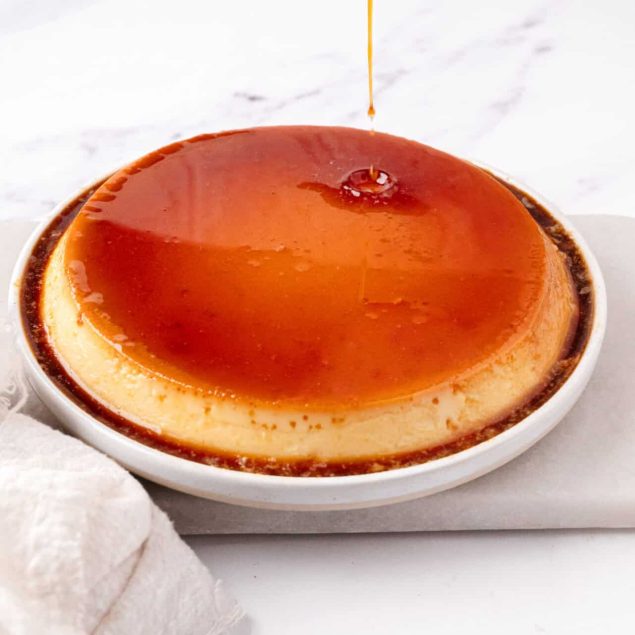
- To serve, run a knife around the edges of the dish and invert onto a serving plate. The caramel sauce will flow over the quesillo.

Leave a Comment