

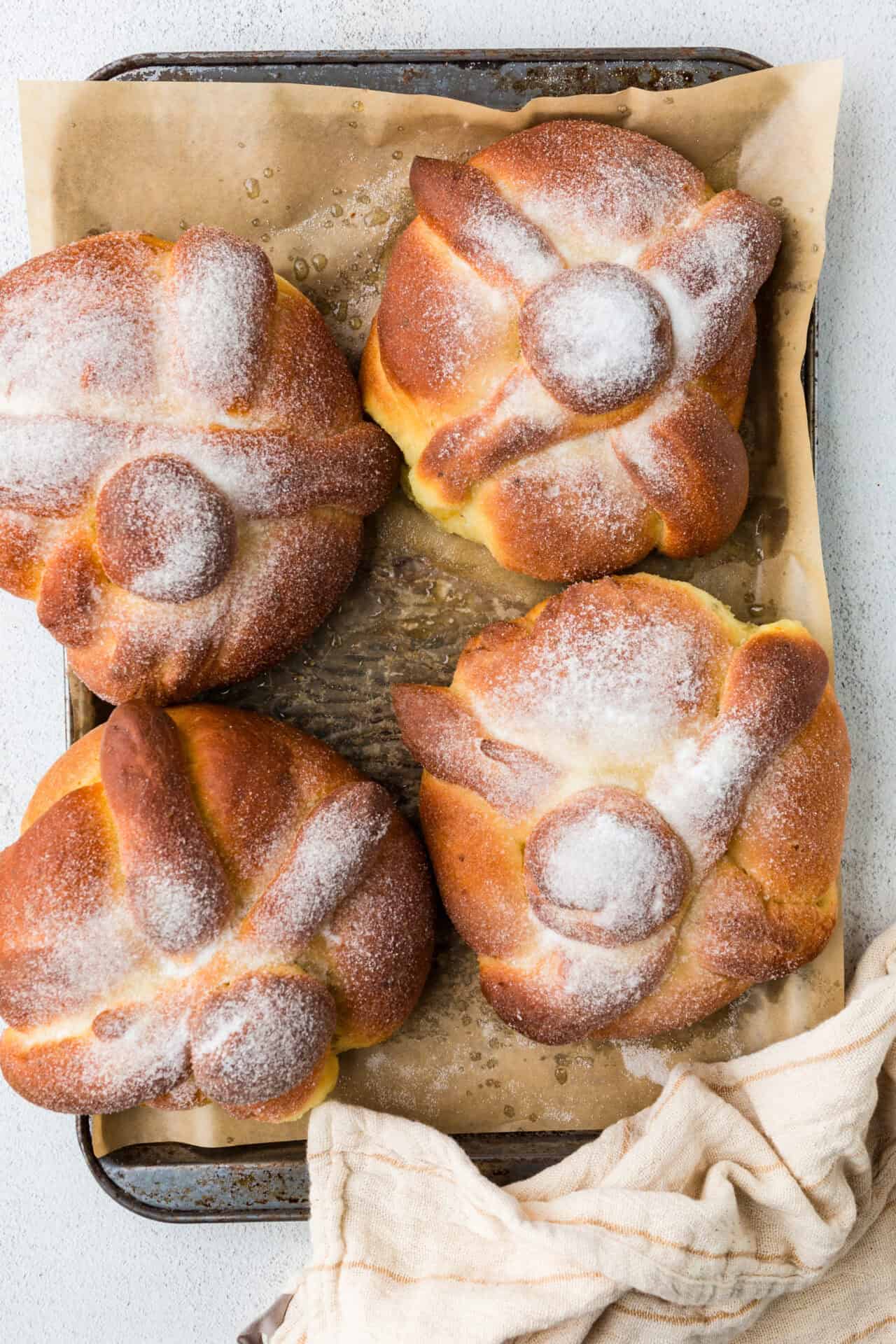
This Pan de Muerto (or ‘Bread of the Dead’) is as sweet and lovely as the tradition that inspired it.
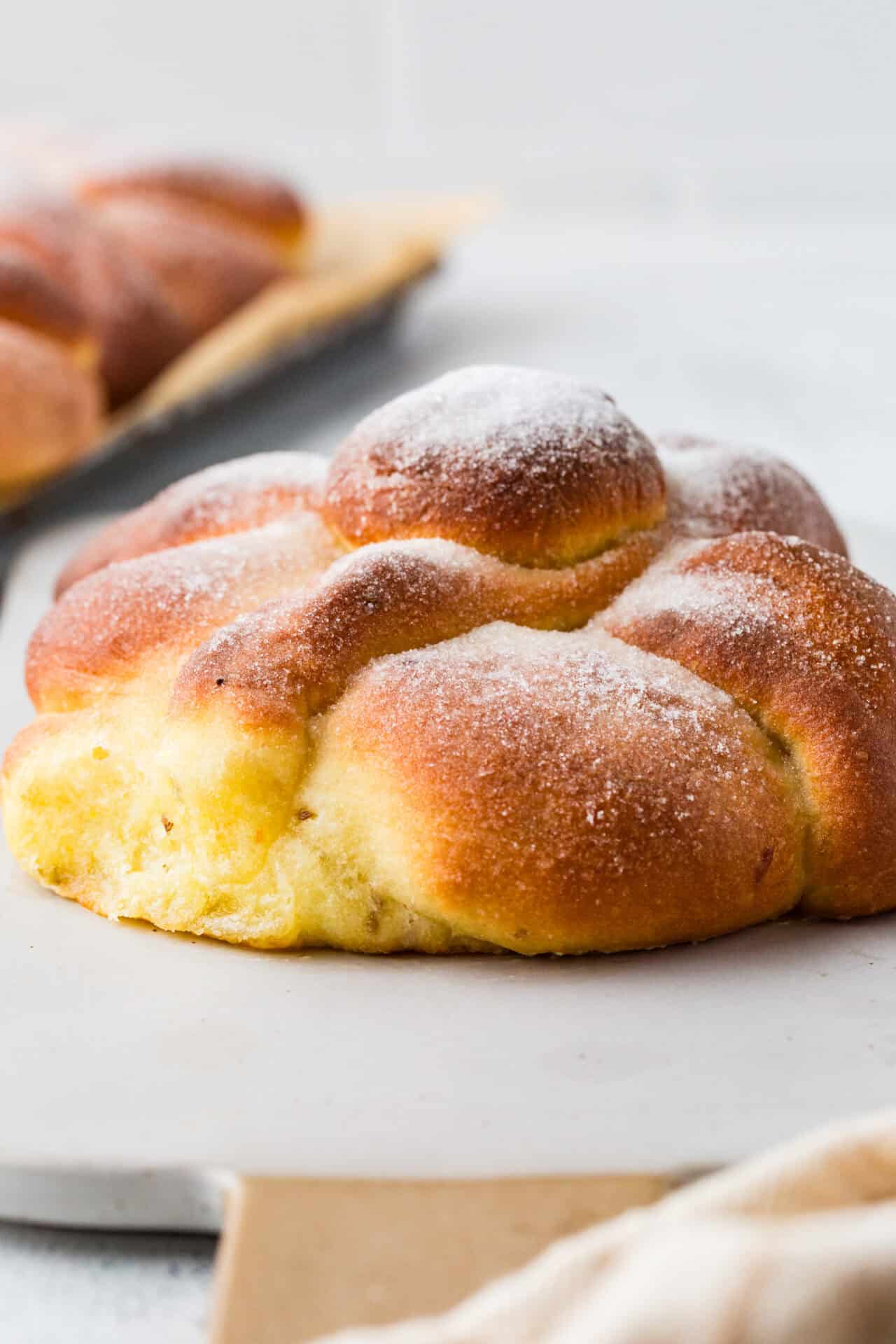
Go into any Mexican bakery toward the end of October and you will see a display of pan de muerto, otherwise known as ‘bread of the dead’. No, it’s not sad: it’s celebratory!! The bakeries start selling it a few weeks before the famous Day of the Dead, or Día de los Muertos, which actually takes place over two days: November 1 and 2. The holiday is filled with both sorrow and joy, as Mexicans honor their departed loved ones but also celebrate their lives in many ways, including leaving offerings at gravesites or on altars they construct in their homes. These offerings often include pan de muerto. But the living partake of the irresistibly delicious pan de muerto, too; it is all part of honoring those who have passed and celebrating the joy of their lives with music, dancing, and food.
Pan de muerto is a soft and sweet yeast bread flavored with orange and anise. Although it can come in different shapes and forms, it usually has pieces of dough on top of the loaves that symbolize a skull, crossbones and tears. Like all yeast breads, pan de muertos needs time to rise, which means the process from start to finish takes some time, but it is totally worth all the effort. Yes, you can go to a bakery and buy it, but then your kitchen won’t be filled with the rich and sweet smells of baked bread and you won’t be filled with the sense of pride that comes from having made the Bread of the Dead yourself!
How to Make the ‘Bones’
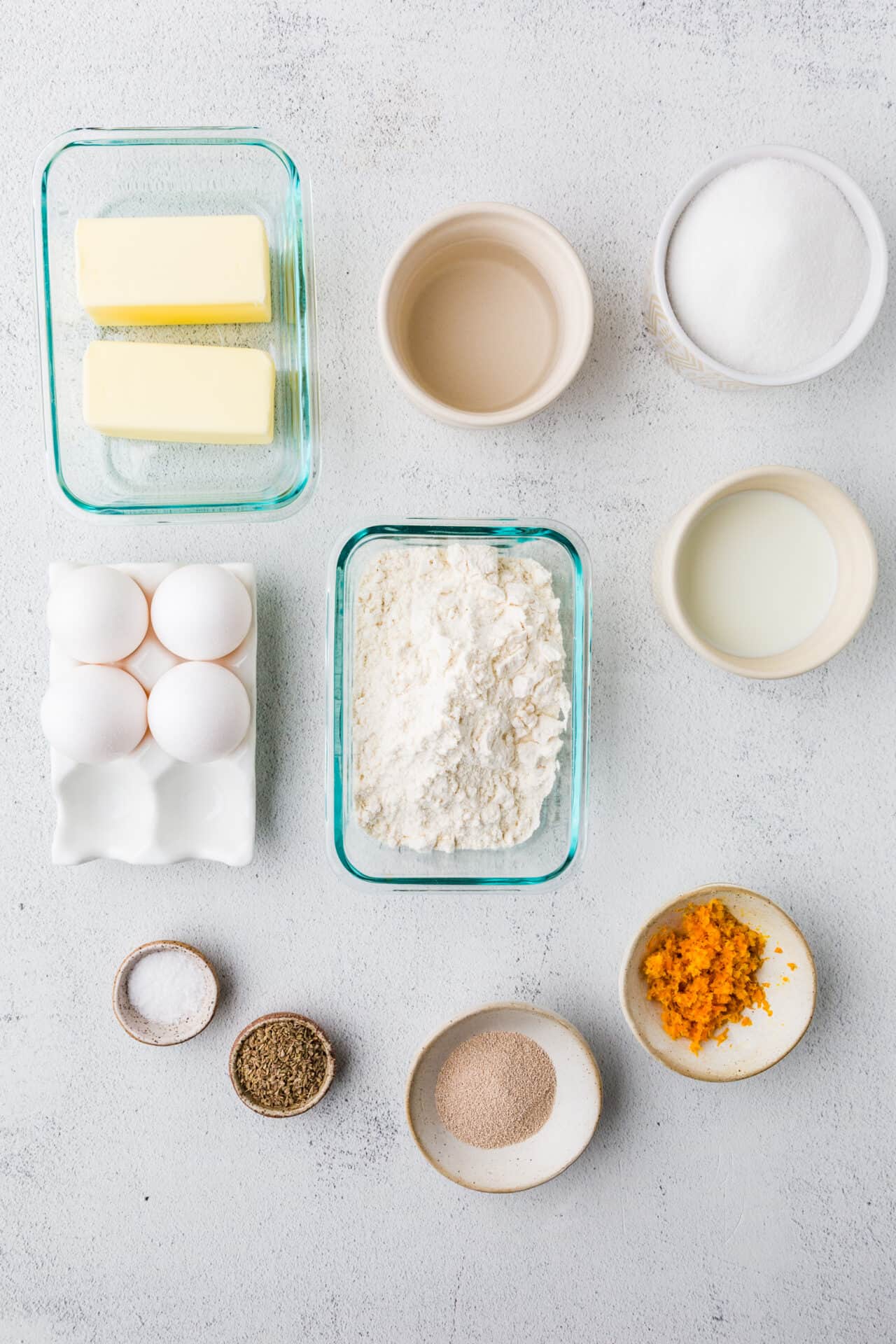
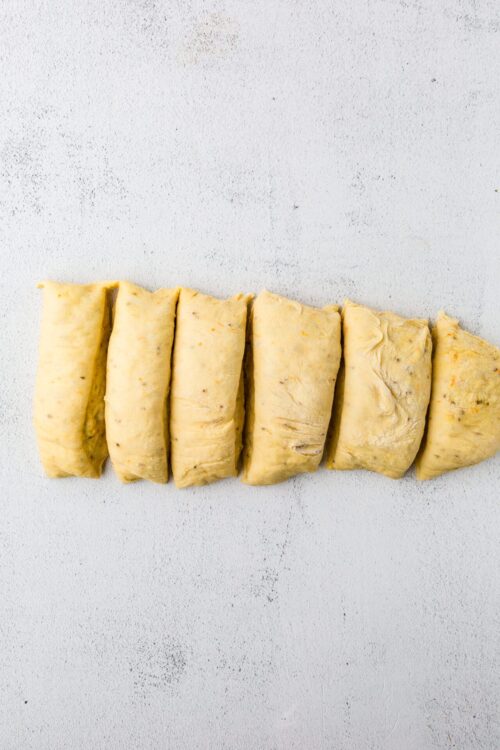
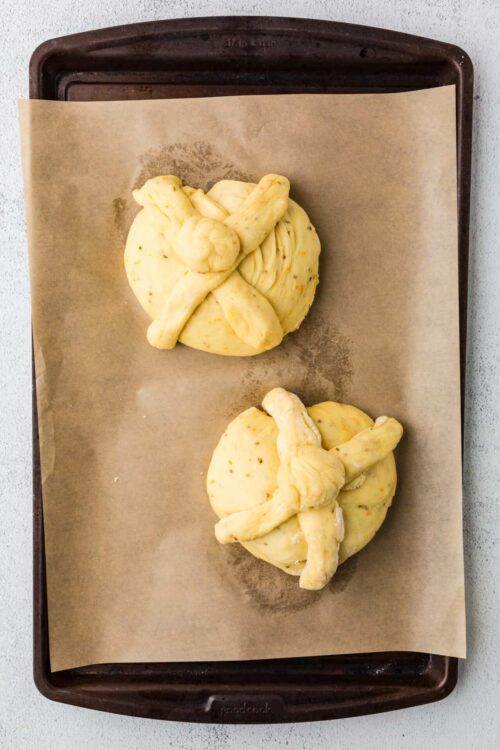
You’ll see from the photos that on the top of each pan de muerto are two pieces of dough forming a cross (the bones) with a ball (a skull) at the intersection. To form the skull and crossbones, remove enough dough from each of the six pieces to form the two rectangles for the cross, and the ball for the top of the bread. For the bones, roll the dough into a cylinder, and flatten it out to resemble a bone. Press the cross into the top of each loaf. Then roll the small piece of dough into a ball and press that into the cross where the bones intersect. Then bake!
FAQs & Tips
How Do I Store Pan de Muerto?
Pan de muerto can be stored in an airtight container at room temperature for up to 5 days or in the freezer for up to 2 months. Thaw the frozen pan de muerto at room temperature.
What If You Don’t Have a Stand Mixer or a Dough Hook?
Never fear! You can still make pan de muerto without these. A hand mixer will work, as will a food processor. Once all the flour is incorporated, knead the dough by hand. The dough hook requires less work on your part (and they do sell dough hooks for hand mixers), but the pan de muerto will be delicious no matter what kind of equipment you use.
Can Dough Rise in the Refrigerator Overnight?
Yes, it can. Dough rises faster at room temperature than it does in cool/cold places, but your pan de muerto will definitely double in size if you leave it—covered!—in the fridge overnight.
Serving Suggestions
While pan de muerto is the most iconic Day of the Dead food, there are other dishes traditionally served on this day, particularly tamales. We suggest making both these Beef Tamales and this Vegetarian Tamale Casserole. Add some Refried Beans, too. And top off your tamales and beans with Salsa and Mexican Crema and you’ll have a well-rounded celebratory meal. And don’t forget dessert: lots of Day of the Dead celebrations feature flan, and you can make a variety of them to please everyone: Baked Flan, Vegan Flan, and this delectable Chocolate Flan Cake.
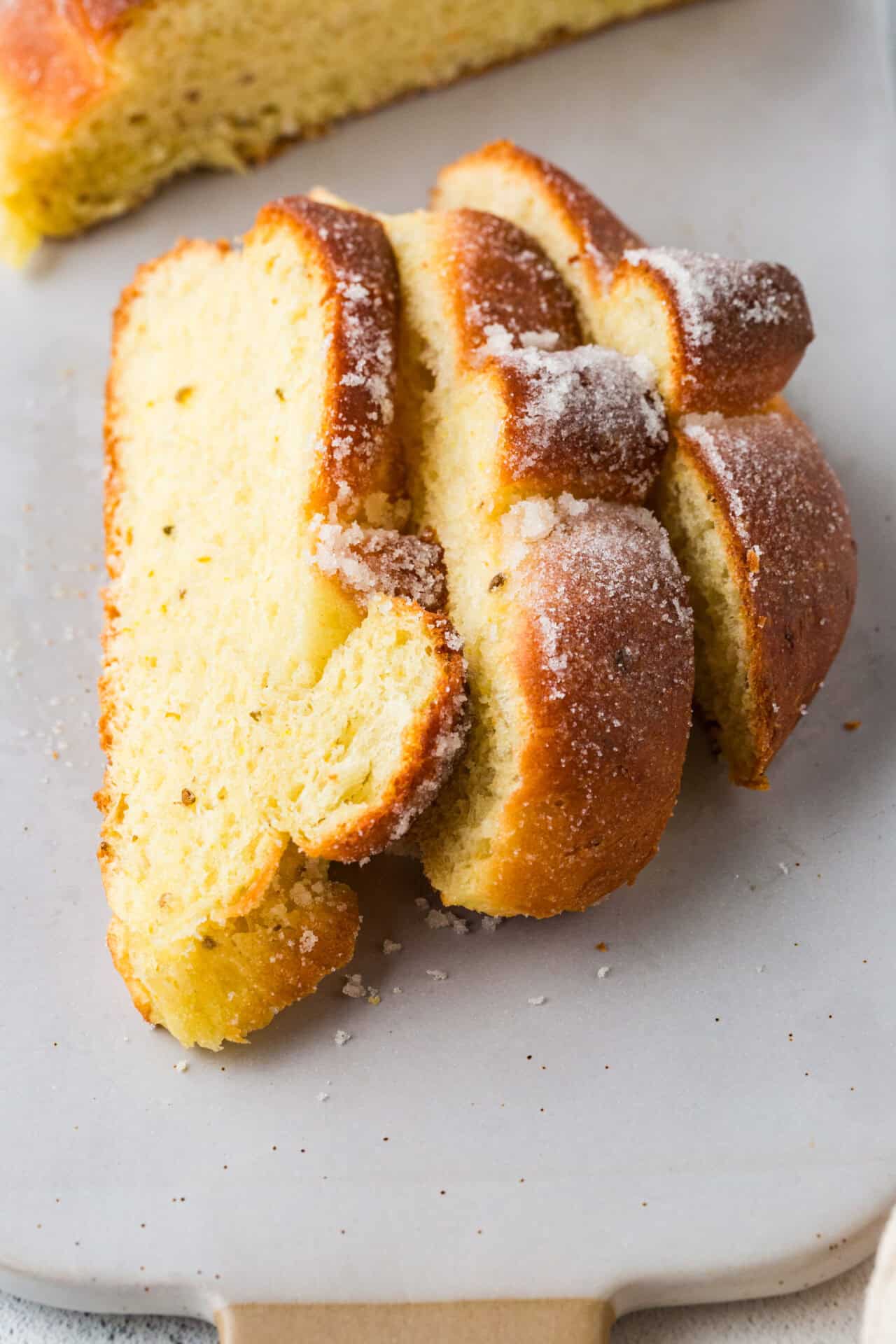
Once you’ve made your first pan de muerto, you might want it more than once a year. If you do, you can serve it with things that pick up on its delicious flavors, like orange. It is incredible when topped with Whipped Butter and Orange Marmalade, and served with this Russian Tea (a wonderful complement with its inclusion of orange juice). But if you want something thick and cool and refreshing to drink with your orange-scented pan de muerto, whip up a batch of Creamsicle Smoothies.

Pan de Muerto

Ingredients
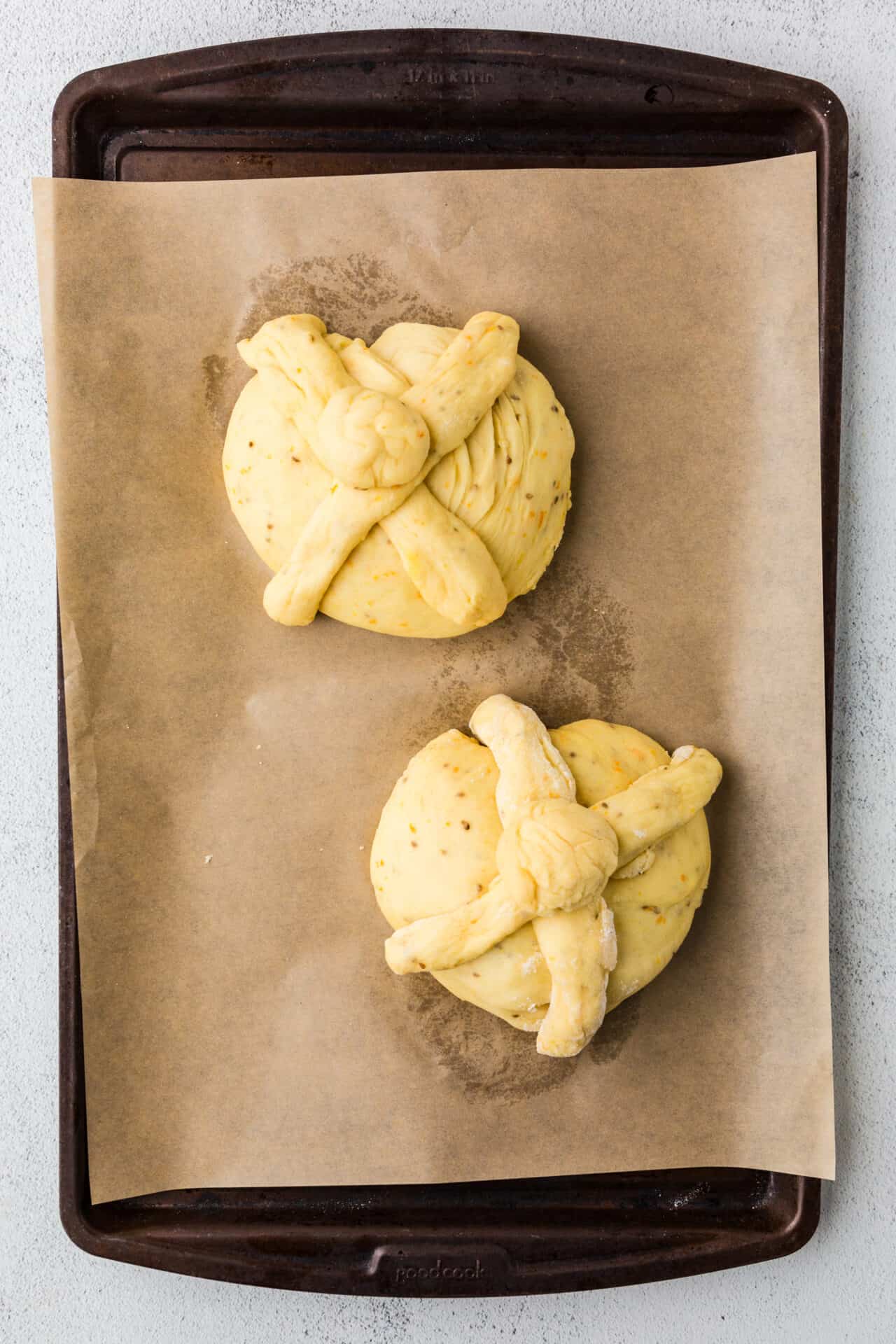
- 1 cup unsalted butter divided
- 1 cup granulated sugar plus more for dusting
- 1/2 cup whole milk
- 1/2 cup water
- 4 1/2 teaspoons active dry yeast
- 5 cups all-purpose flour sifted
- 4 large eggs
- zest of 2 oranges
- 1 tablespoon anise seeds
- 1 teaspoon salt
Instructions
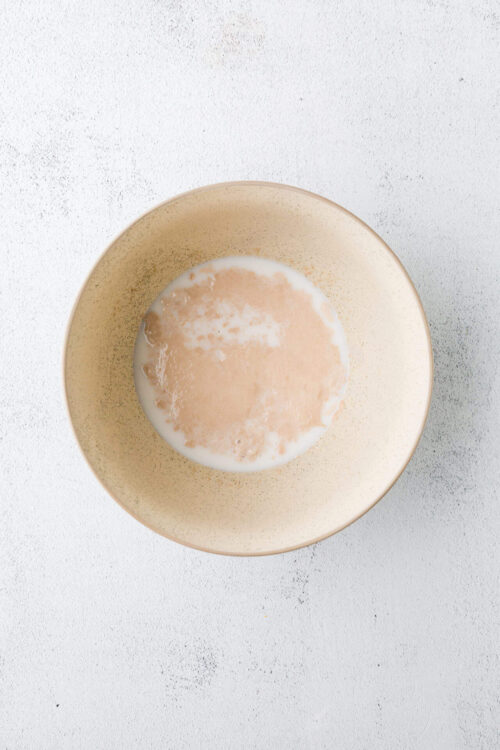
- In a medium bowl, whisk together warm milk, water, and yeast. Let it sit until foamy, 5-10 minutes.
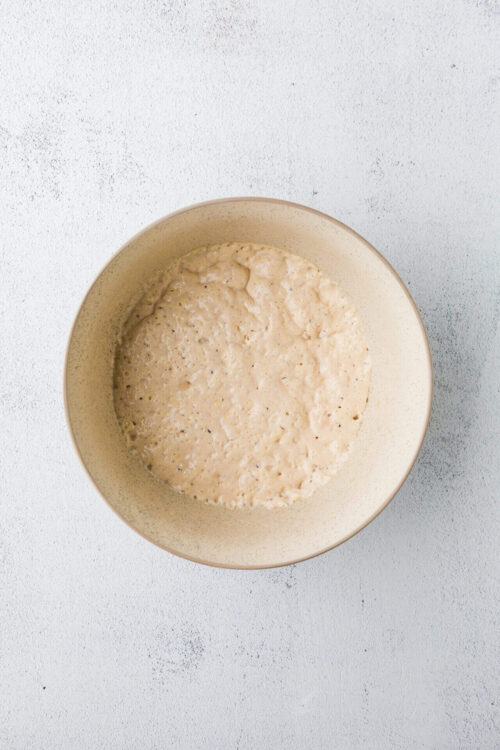
- Mix in 1/2 cup of flour and let it rest until doubled in size, about 25 minutes.
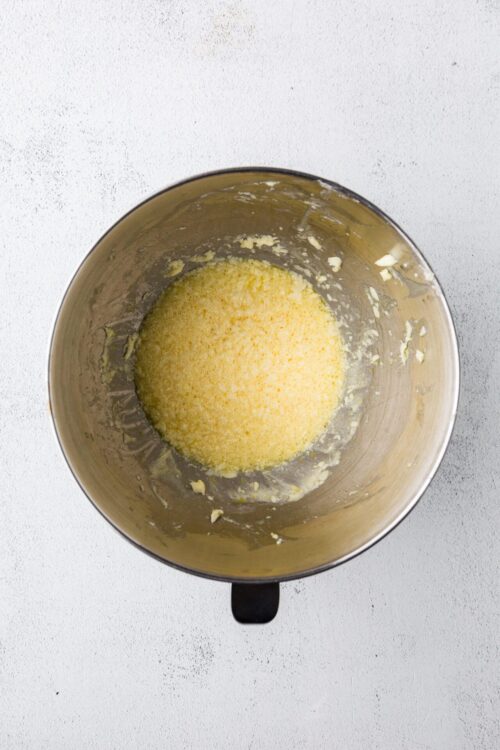
- In a stand mixer, cream 1/2 cup butter and 1/2 cup sugar until fluffy. Beat in eggs one at a time.
- Add the yeast mixture to the stand mixer and mix with a dough hook. Gradually add the remaining flour.
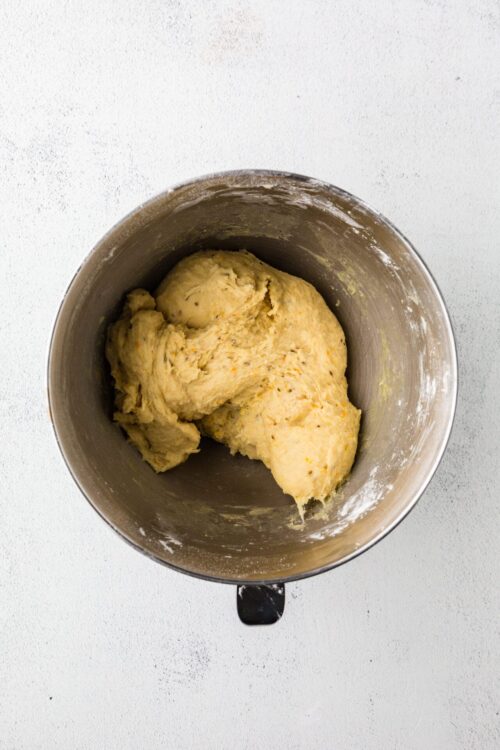
- Mix in orange zest, anise seeds, and salt. Knead until the dough is smooth.
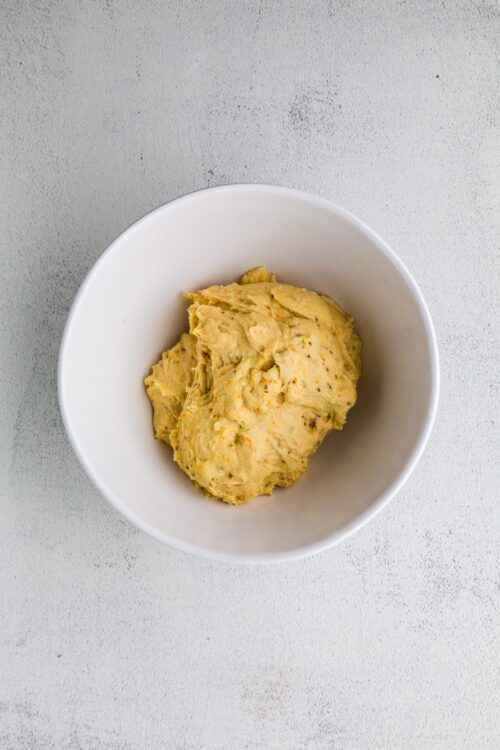
- Place dough in a greased bowl, cover, and let rise until doubled, about 1 1/2 – 2 hours.
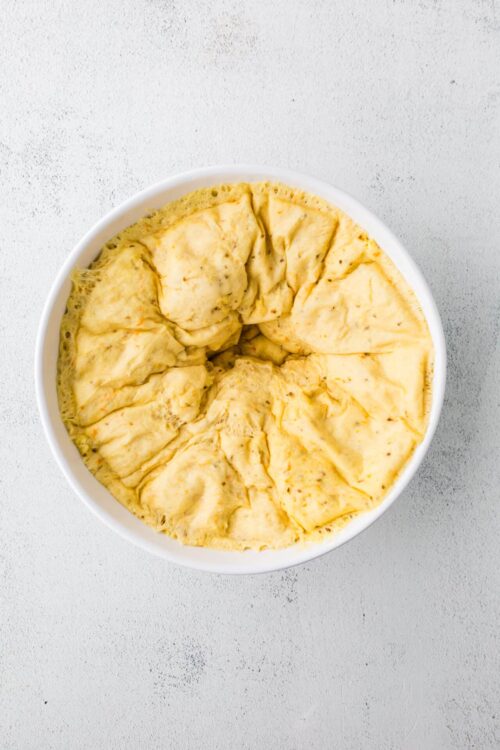
- Punch down the dough, divide into 6 pieces, and form each into a ball with ‘bones’ on top.
- Let the shaped dough rise again for about 45 minutes.
- Preheat oven to 350°F. Bake the bread for 25-30 minutes until golden brown.
- Melt the remaining butter and brush on each pan de muerto before dusting with sugar.


Leave a Comment