

Take an old classic and transform it into an elegant and impressive dessert with this recipe for Matcha Tiramisu, a light and airy treat imbued with subtle and complex flavors.
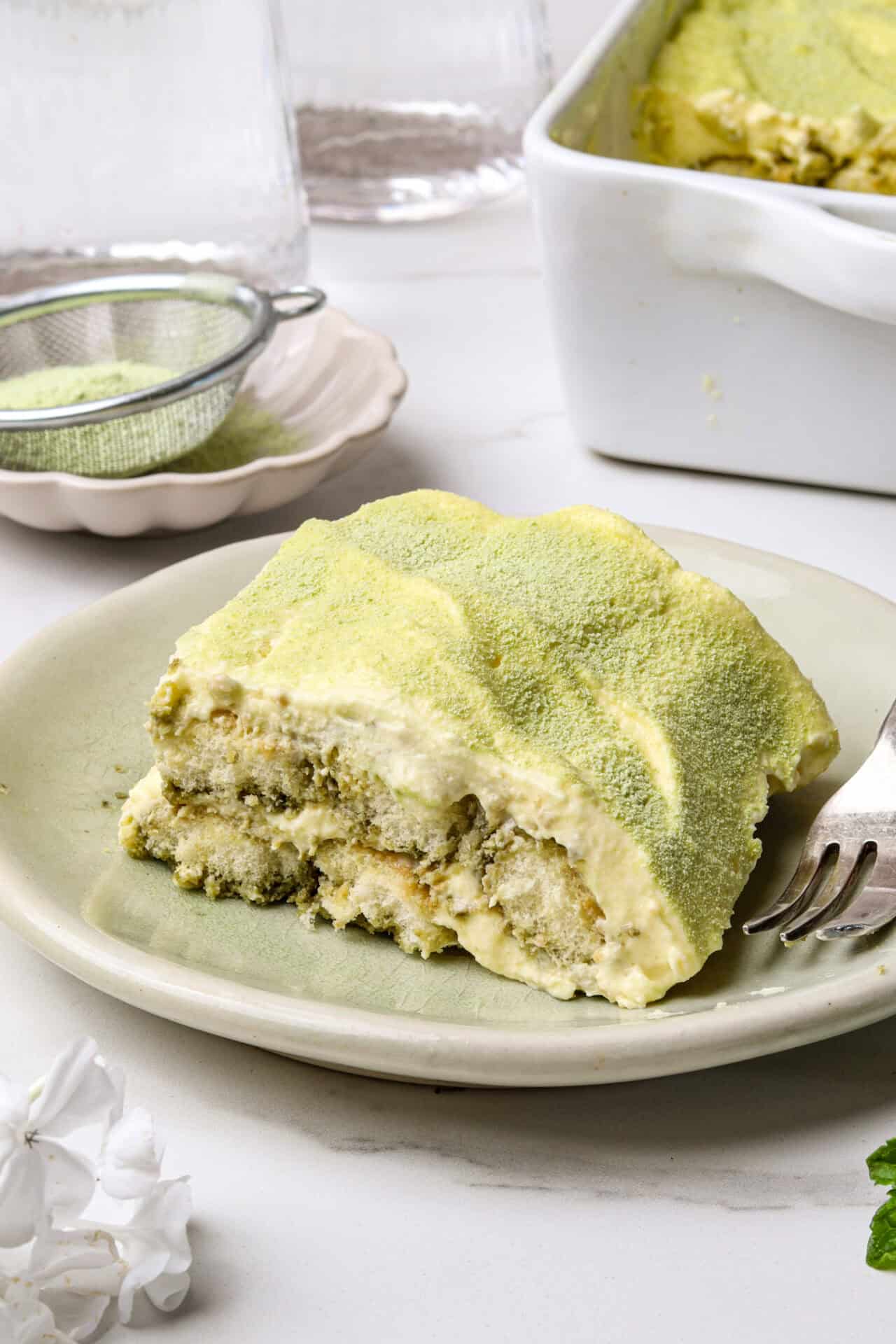
Tiramisu is one of those desserts that seem as though they’ve been around forever. It’s a classic for a reason. The whipped eggs, sugar and mascarpone with a light dusting of cocoa is a perfect combination, one that seems ideal for a fancy dinner or elaborate cocktail party’s concluding hour. But if you’re like me and assumed tiramisu has been a mainstay of dessert menus for centuries, then you might be just as shocked as I was to learn that this dessert is actually not that old at all.
In fact, it was first invented back in the 1970s (although some claim it was created in 1969). Like many popular dishes, its origins are unclear and somewhat up for debate, although some have attributed the Italian restaurateur Ado Campeol as being the first person to list it on their restaurant menu. As for when the recipe first appeared in a cookbook, you have to wait until 1983 for that, meaning there’s a good chance whoever is reading this right now is older than tiramisu itself!
I only mention all this because some people get quite upset at the notion of messing around with a classic recipe. And I actually understand where they’re coming from. There are plenty of dishes and meals that should not be messed with. To be honest, I get irrationally annoyed whenever I see a traditional item on a menu, only to be told by the server, “Oh, we do our own spin on that here!” at which point the server explains the litany of additions and alterations that, to me, don’t so much iterate on the original recipe as ruin it.
But I digress. My main goal here is to offer up a recipe that I think is delicious, but which (I will readily acknowledge) is a little unconventional. Call this “my spin on tiramisu” if you want, but I hope you’ll take my word for it when I say that this version is incredible and deserves its moment in the spotlight. Just remember, tiramisu was once someone’s crazy invention, and while I don’t believe in changing things just for change’s sake, I do believe this version of the recipe is worth celebrating.
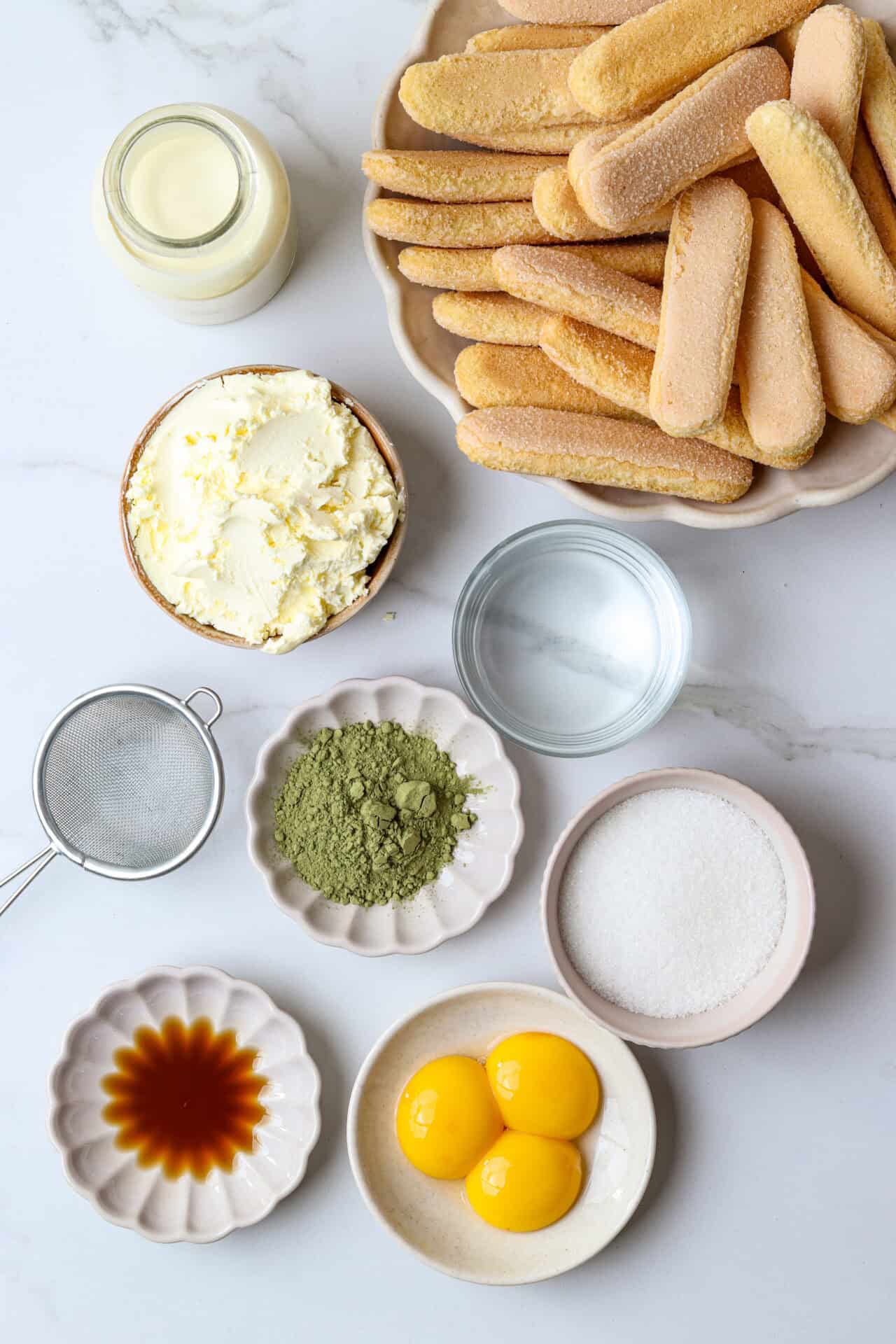
What is matcha anyway?
Good question. In recent years, matcha has gone from being a niche menu item here in the West, to now being one of the most popular beverages in the world. Originally created in China and later popularized in Japan, matcha is a certain type of ground-down green tea leaves, grown in shade and processed with care. Because the tea has been so powdered, it easily mixes with water, creating a rich, slightly bitter, and deeply herbal flavor that offers up a bounty of beneficial elements for one’s health, especially its vibrant combination of amino acids.
But beyond its health benefits, matcha is simply delicious, and there’s a good reason why you’re now seeing matcha-flavored iterations of so many desserts, from yogurt to donuts to cakes and chocolates and more. But of all those recipes, this recipe for matcha tiramisu is my personal favorite.
FAQs & Tips
How to Make Ahead and Store?
Because this is a relatively dairy-rich dessert, you’ll want to store any leftovers in the fridge. Simply place them in an airtight container or wrap in plastic-wrap for best results, and you can store them for up to a few days before they spoil.
Will the Caffeine Make Me Hyper?
Matcha is naturally caffeinated, but because it is relatively light on caffeine, and because this recipe will disperse any caffeine evenly across many slices, you won’t need to worry about this keeping you up at night.
Can I Use Regular Green Tea Leaves Instead of Matcha?
You might be tempted to use regular green tea leaves if you don’t have any matcha lying around, but I would resist the urge. Matcha, while similarly flavored to green tea, is a decidedly different ingredient entirely, and you’ll get much more bitter and less decadent results if you use regular green tea leaves.
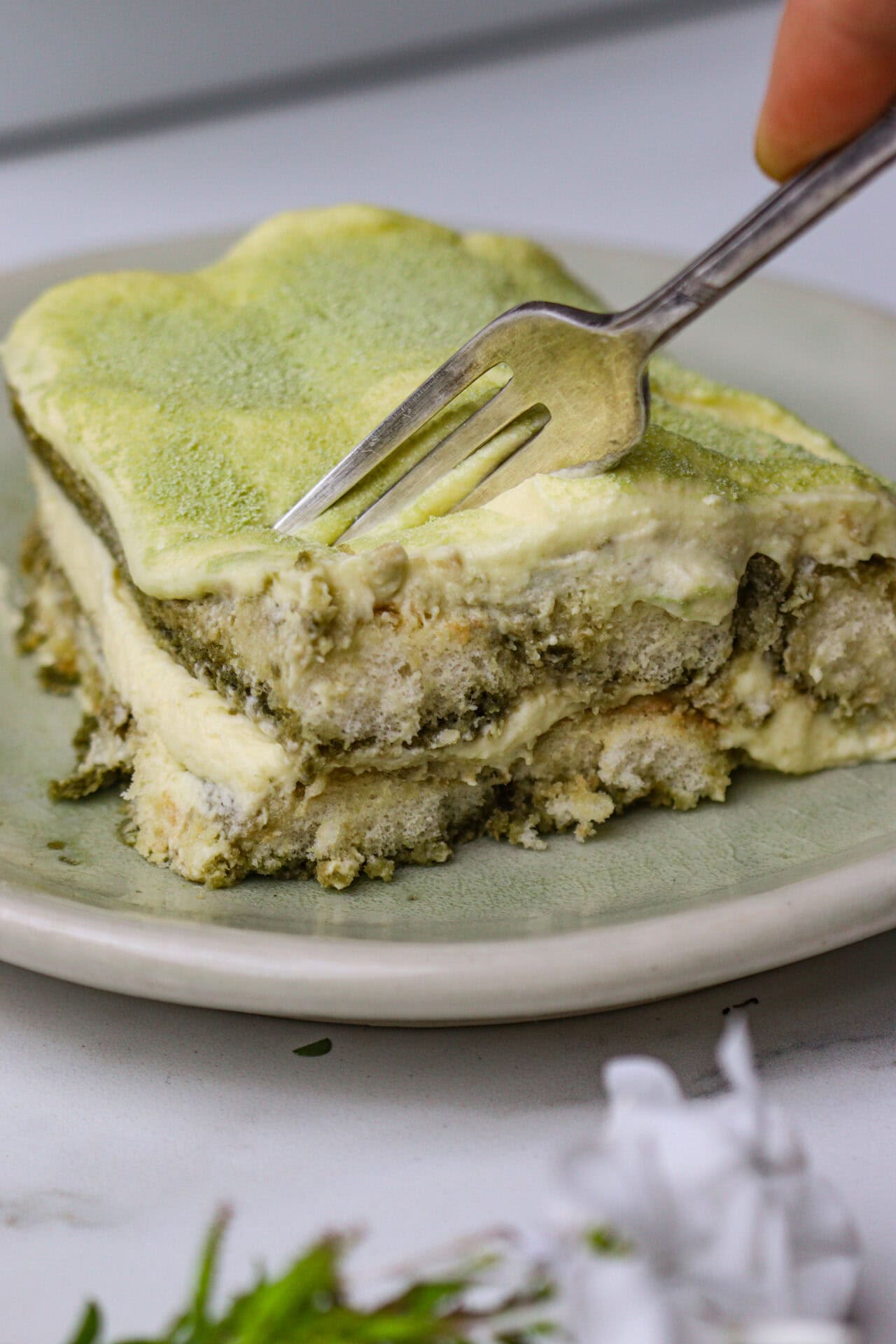
Serving Suggestions
I’m a big fan of eating this dessert on its own, but you can’t go wrong if you pair it with some nice ice cream. I would recommend vanilla or some other neutral ice cream flavor — otherwise the subtleties of the matcha will be overpowered.
Of course, if you’re really just interested in enjoying some tiramisu and don’t care for the matcha flavor, you can always try this recipe for Quick Tiramisu Trifles, which will satisfy your cravings in a pinch. But as someone who loves matcha, I also think you should give this Matcha Chia Pudding recipe a shot, as it is incredibly delicious and easy to make as well.
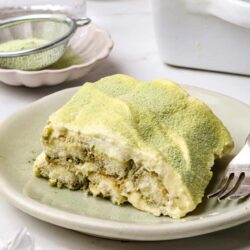
Matcha Tiramisu

Ingredients
- 3 large egg yolks
- 1/2 cup granulated sugar divided
- 1 cup heavy whipping cream chilled
- 8 ounces mascarpone cheese at room temperature
- 1 cup warm water
- 2 tablespoons matcha green tea powder plus extra for dusting
- 24 ladyfingers
- 1 teaspoon pure vanilla extract
Instructions
- In a large bowl, whisk together egg yolks and 1/4 cup sugar until the mixture is pale and slightly thickened.
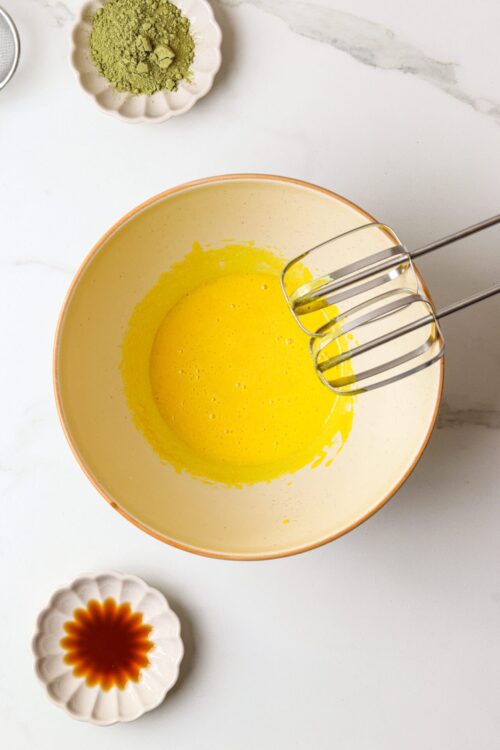
- In a separate bowl, beat the heavy whipping cream with the remaining 1/4 cup sugar and vanilla extract until it forms stiff peaks.
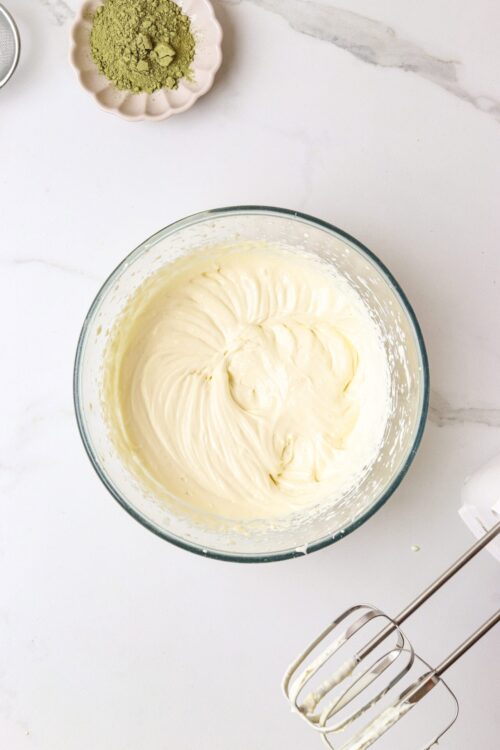
- Gently fold the mascarpone cheese into the whipped cream mixture until well combined, being careful not to deflate the cream. Add the egg yolk mixture into the mascarpone and whipped cream mixture until fully incorporated.
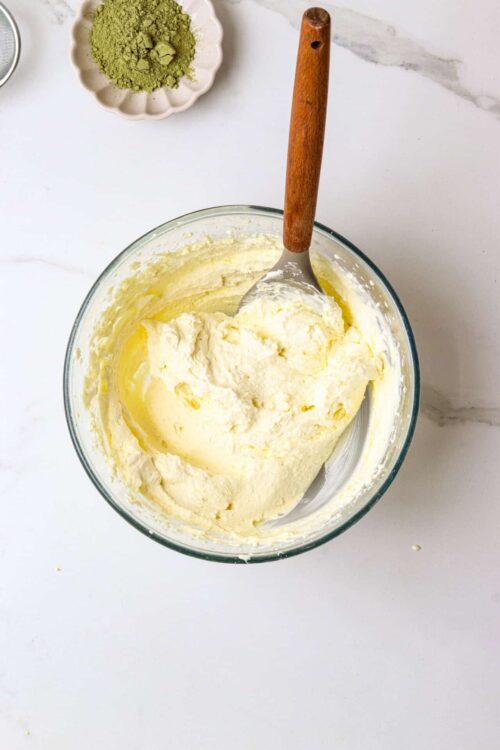
- In a shallow dish, whisk warm water with 2 tablespoons of matcha powder until fully dissolved.
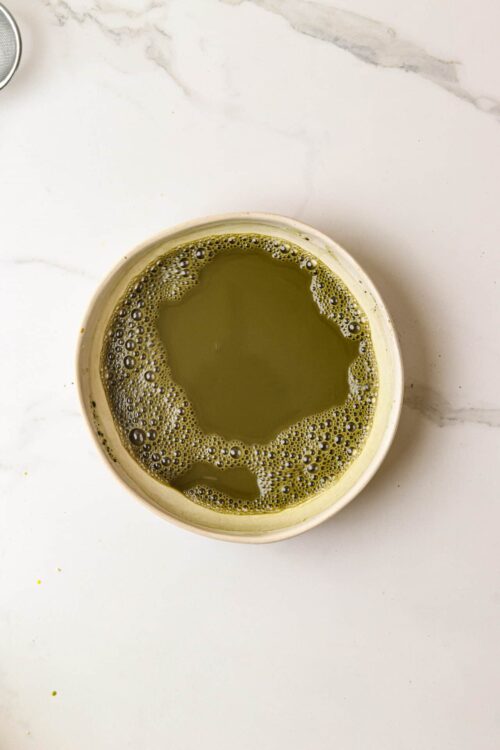
- Quickly dip each ladyfinger into the matcha mixture, making sure not to soak them, and lay them in a single layer on the bottom of an 8×8 inch serving dish.
- Spread half of the mascarpone cream over the layer of ladyfingers.
- Add another layer of matcha-dipped ladyfingers on top of the cream.
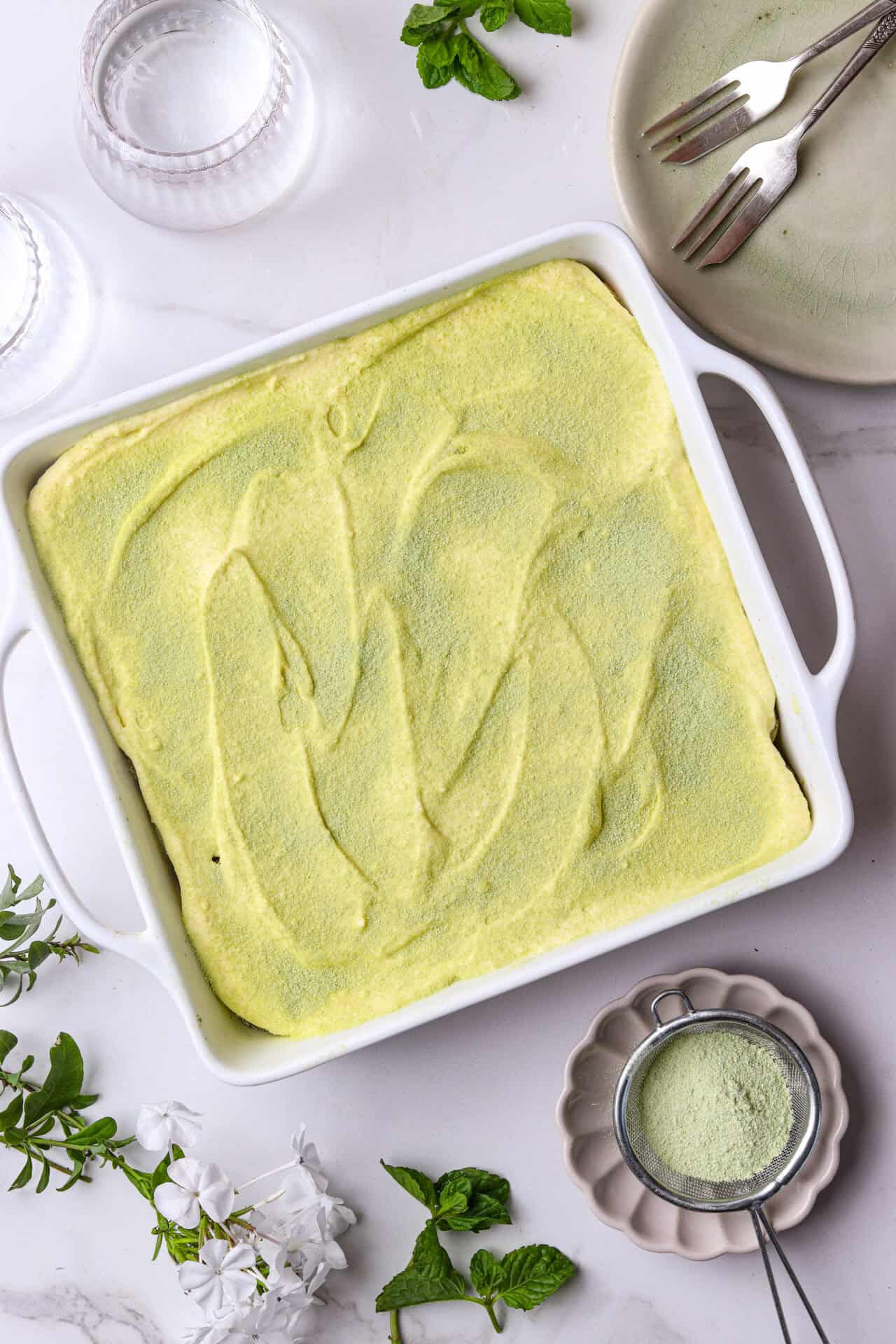
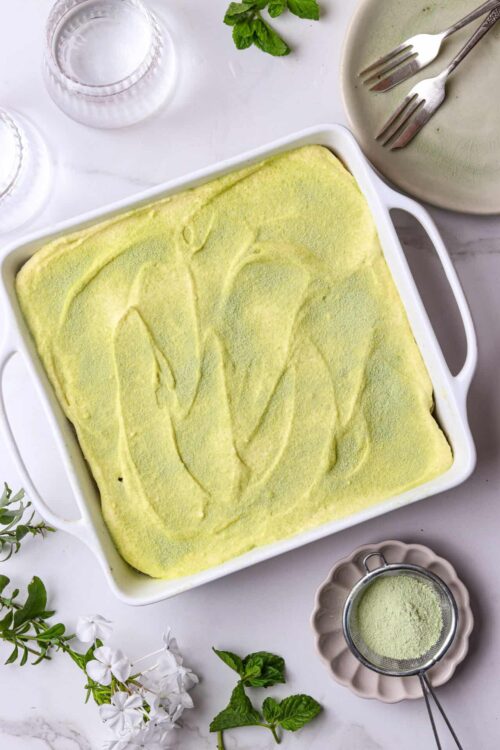
- Top with the remaining mascarpone cream, smoothing out the top with a spatula.
- Sift additional matcha powder over the top for a vibrant finish.
- Cover and refrigerate the tiramisu for at least 6 hours, or overnight, to allow the flavors to meld and the dessert to set.

Leave a Comment