

Finish your savory dishes with the bright, citrusy freshness of Gremolata.
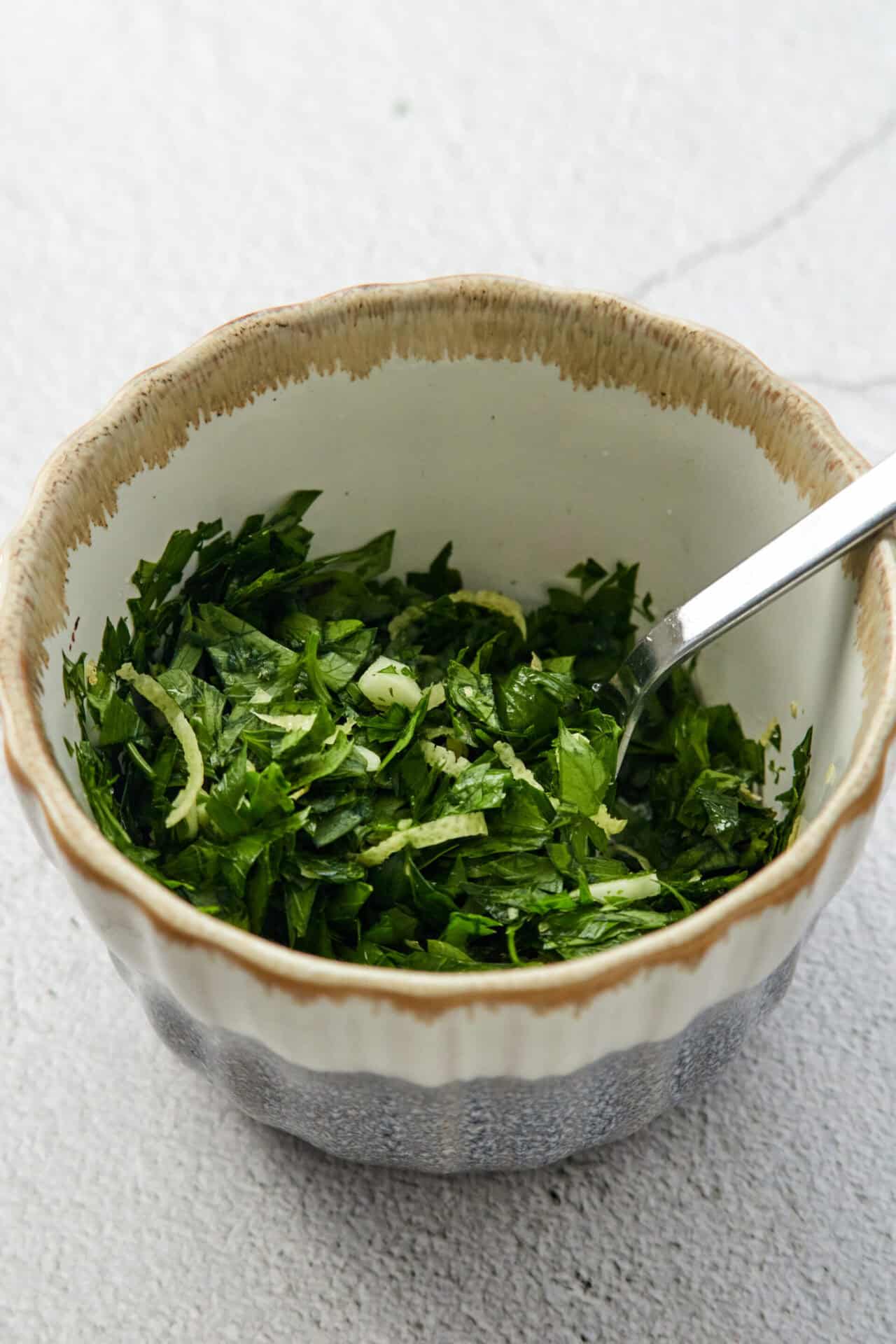
It’s fresh. It’s crunchy. It’s herby. It’s lemony. It’s gremolata! And you will be amazed at the way this Italian condiment transforms any dish you sprinkle it on.
The Argentines have chimichurri, and the French have persillade, but if we’re talking about a parsley-based condiment that celebrates the herb in its most simple and natural form (and we are), there’s nothing that can match gremolata. This 3-ingredient (aside from optional salt) showstopper has a somewhat murky origin story, but most foodie historians agree that it was invented in Milan as a finishing touch to the classic braised veal shank, osso buco, adding a vibrancy to this rich dish. Once it was discovered how gremolata brought a bright, fresh punch of flavor, chefs began to use it on all sorts of soups, stews, meats and vegetables. And the minute you taste it, you’ll be following suit.
When you are only using three ingredients, you know that they must be the freshest and of the highest quality. The major player here is parsley—the flat-leaf variety—because it has a stronger flavor and softer texture than its curly cousin. The leaves should all be green (no yellow or brown edges or tips) and sturdy (not at all wilted). Choose bright yellow lemons that are firm with smooth skin and garlic whose sheathed cloves are hard and tight. Once you have your ingredients, it doesn’t take long at all to make gremolata. However, there is something very important to keep in mind: you want to make sure that your parsley is finely chopped and that your garlic is minced, so it’s worth it to take whatever extra time you need to reach the perfect gremolata consistency these techniques ensure.
Get inspired by gremolata’s traditional use on osso buco and use it to finish the low and slow cooking meats of your choice, like Braised Beef Short Ribs or this Slow Cooked Pork.
About Parsley
While it’s true that parsley is often our go-to garnish for adding color to various dishes, it has a lot of other benefits, too. Low in calories but big on flavor, parsley brings an herby freshness wherever it goes. It’s also packed with nutrients. Parsley is an excellent source of vitamins, including A and C, but particularly vitamin K: half a cup of fresh, chopped parsley contains a whopping 547% of the daily RDI (Recommended Dietary Intake) of vitamin K, which is known to be good for bone health. Parsley also contains many powerful antioxidants: in addition to vitamin C, parsley is a rich source of flavonoids and carotenoids, which studies have shown can contribute to eye and immune health. When you mix parsley with two other nutrient-dense ingredients—garlic and lemon zest—you get a condiment that is not only bursting with flavor but also with an arsenal of health benefits. So, eat your gremolata!
Ingredients
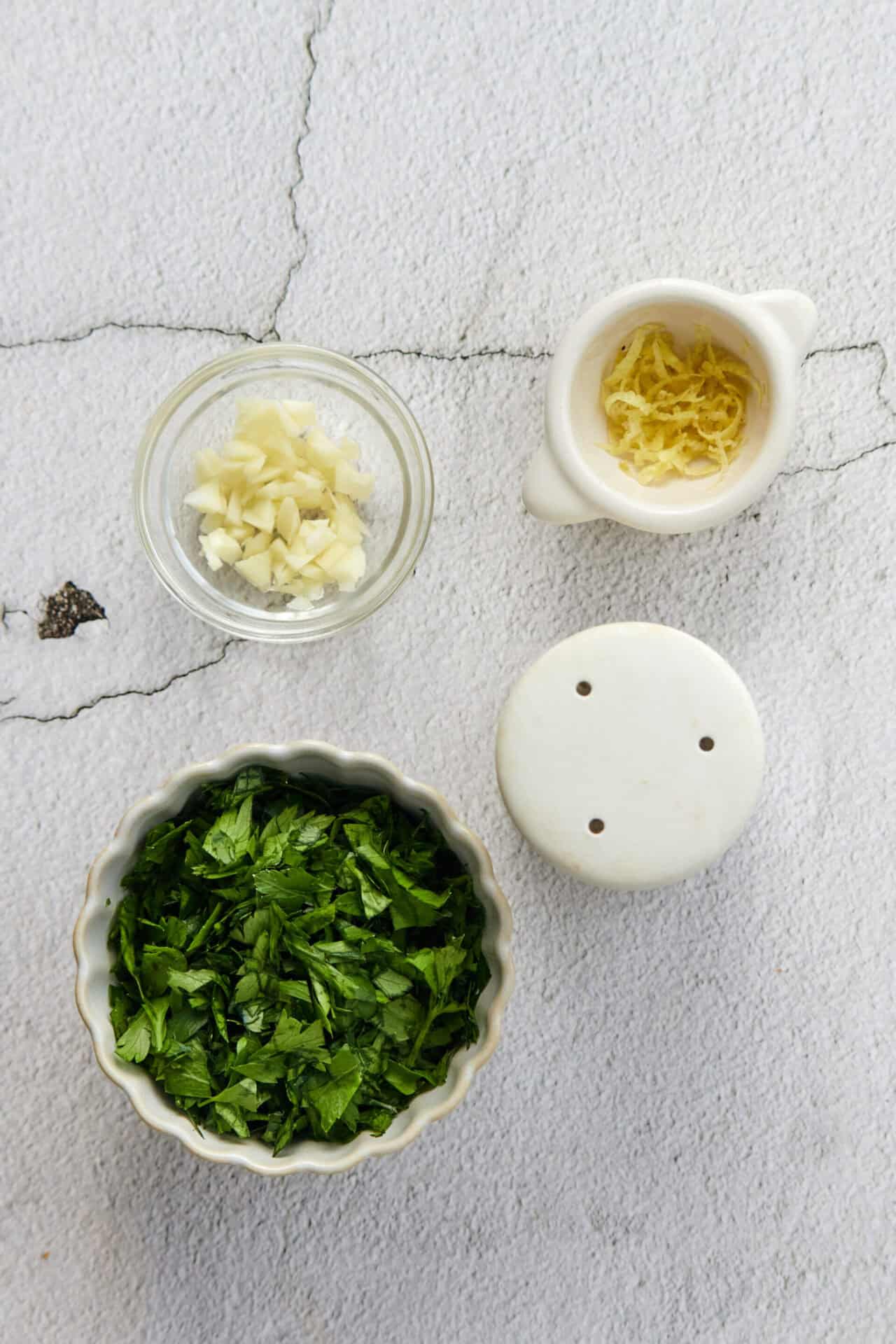
- 1 cup flat-leaf parsley, finely chopped
- 1 tablespoon lemon zest
- 1 clove garlic, minced
- 1/4 teaspoon kosher salt
How to Make Gremolata
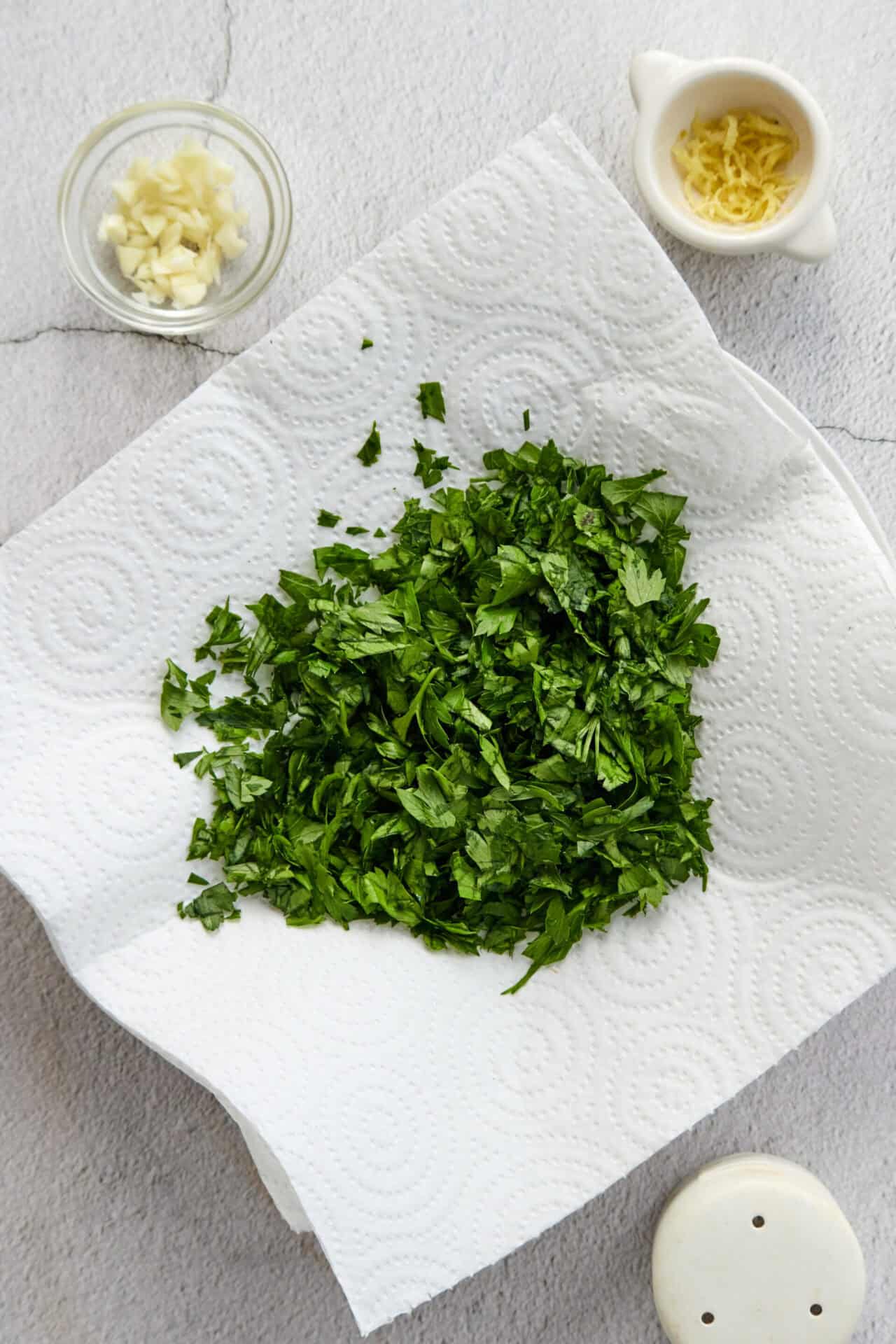
Step 1: Wash and dry the parsley thoroughly before chopping to avoid clumping.
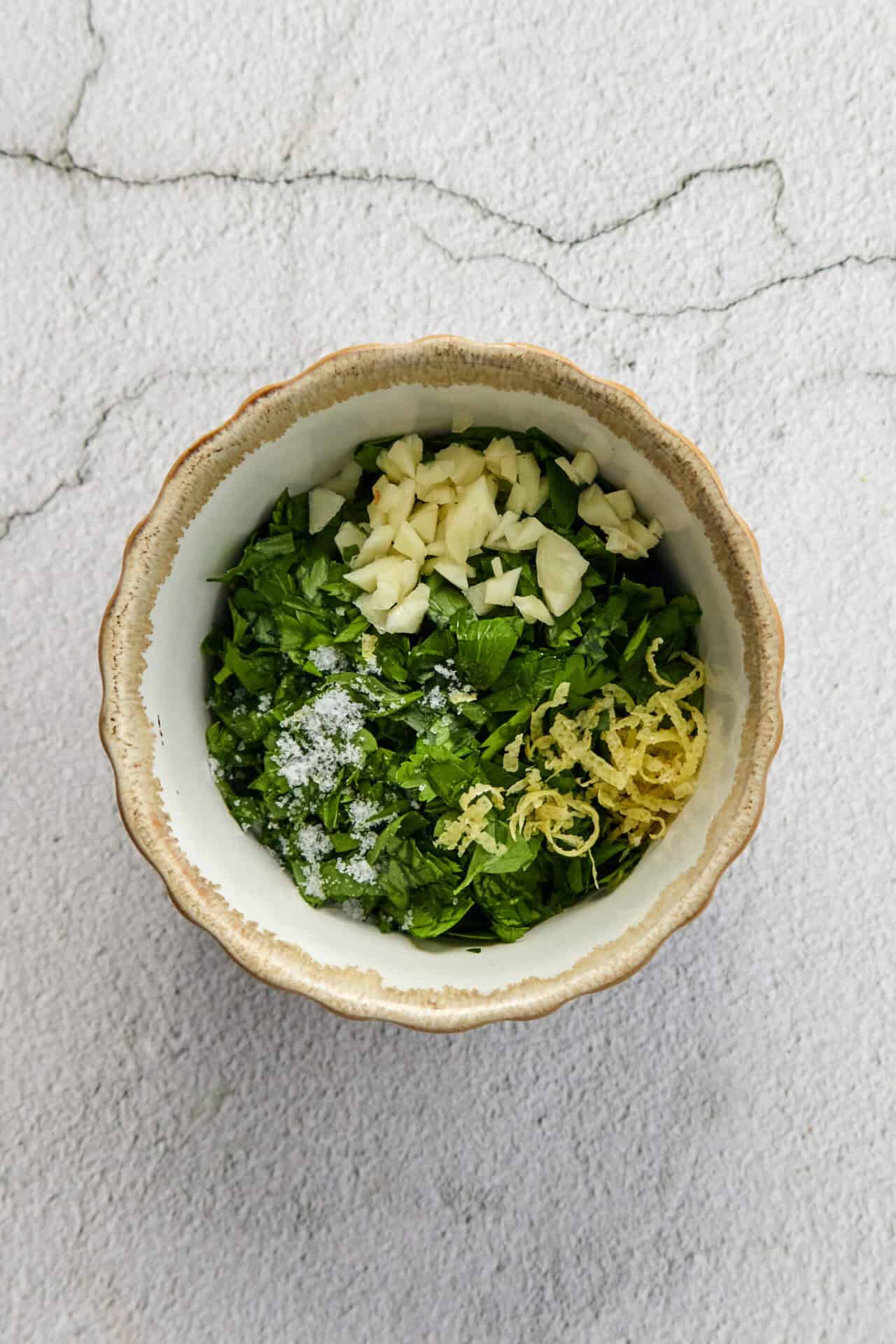
Step 2: Combine the finely chopped parsley, lemon zest, minced garlic, and kosher salt in a small bowl.
Step 3: Mix all ingredients until well combined. Use immediately for the best flavor, or store in an airtight container in the refrigerator for up to 2 days.
FAQs & Tips
How to Make Ahead and Store?
While best served fresh, you can store gremolata in an airtight container in the refrigerator for up to 2 days. For longer storage, portion the gremolata in ice cube trays and keep it in the freezer for up to 2 months (then you can just pop out a portion and thaw whenever you need it).
Can Gremolata Be Turned Into a Sauce?
Quite easily! Just add some good-quality extra virgin olive oil and the juice of a lemon you have zested, and you can drizzle this version of gremolata over all sorts of things.
What's The Difference Between Gremolata and Chimichurri?
While they have some similarities, including being uncooked and using parsley as a main ingredient, the Argentinian chimichurri is made with additional herbs (often oregano), oil and vinegar, and usually some crushed red pepper flakes to give it some heat.
Serving Suggestions
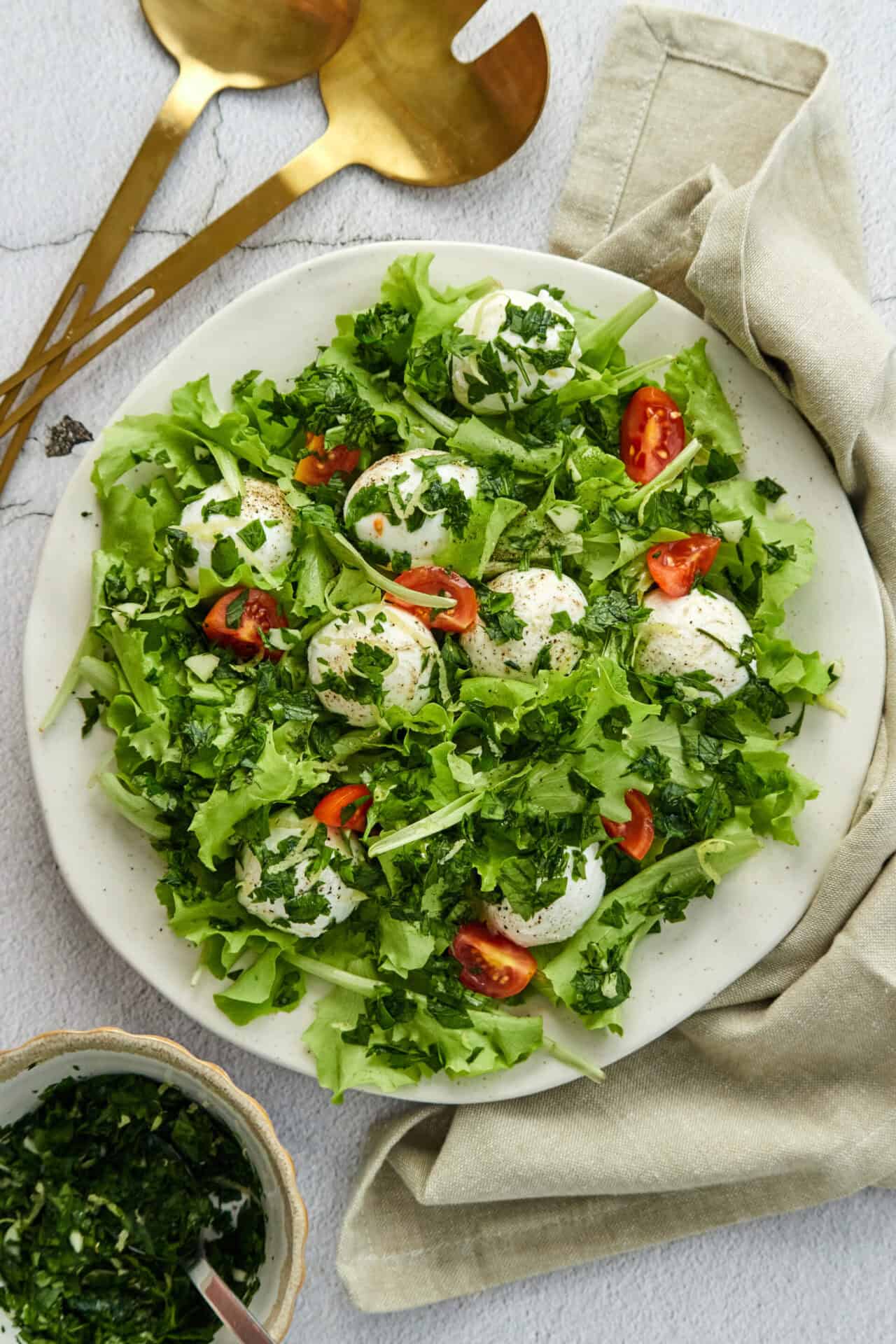
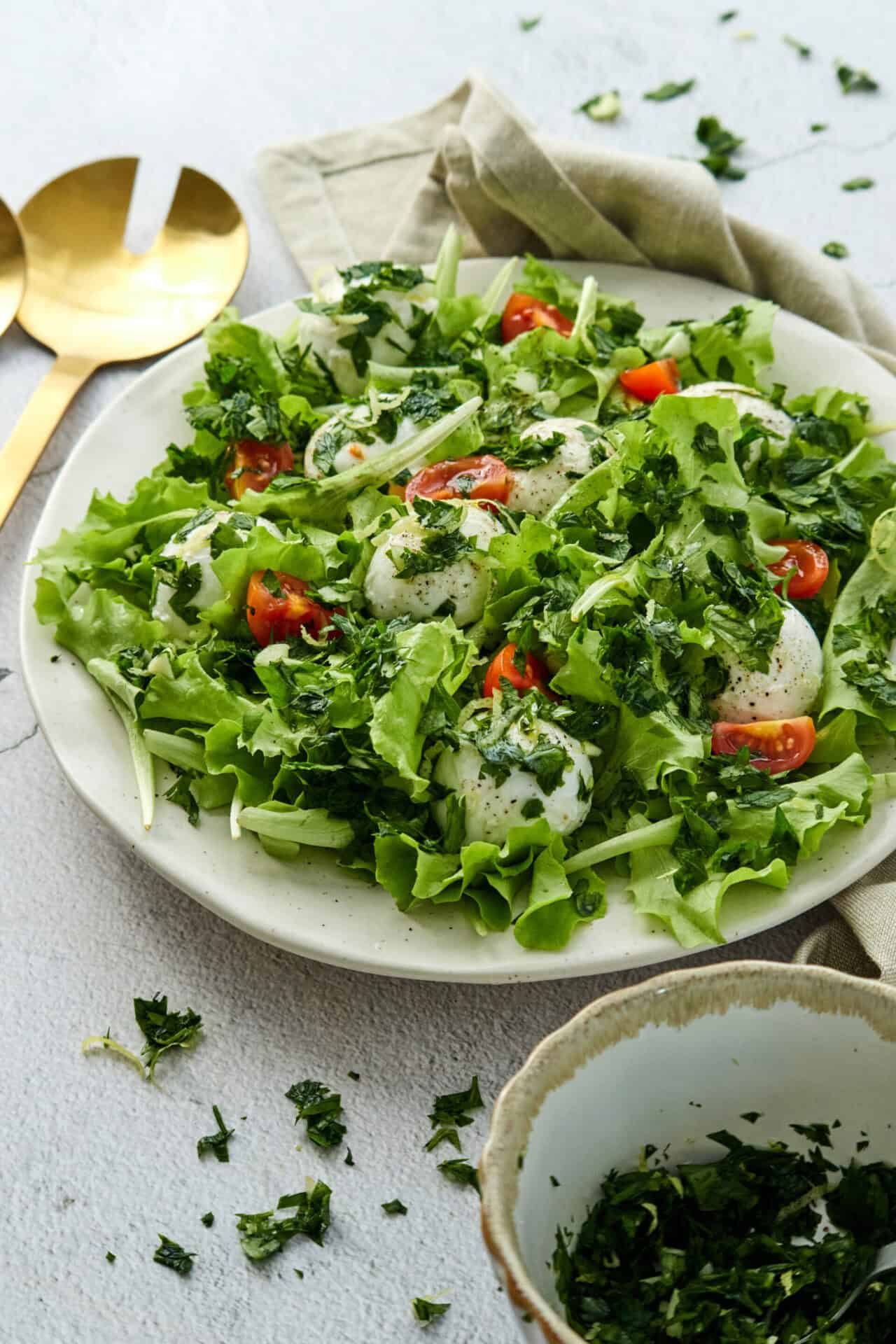
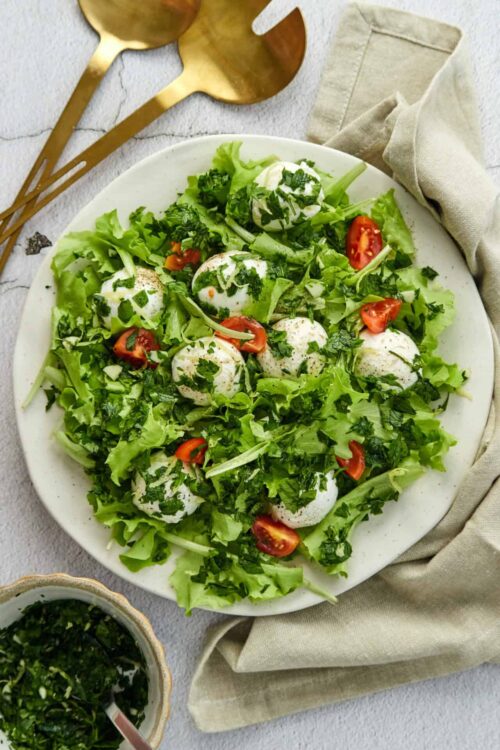
Gremolata is so versatile that it can be the perfect addition to nearly any savory dish during any course of a meal. So, let’s start with starters. Use it to liven up Whipped Ricotta spread on crispy toasts, or see what it does for tomatoes and cheese on these Caprese Skewers. Next course: shower gremolata on top of Carrot and Ginger Soup or Minestrone (and if you’re serving Garlic Rolls with the soup, gremolata is pretty fabulous on top of those, too). Pretty much any entree will be perked up by gremolata, but some of my favorite dishes to sprinkle it on are Baked Lemon Chicken or Baked Salmon Steaks. And we can’t neglect the sides: let gremolata brighten up your Garlic Mashed Potatoes, these Roasted Carrots, or this classic Ratatouille.
Gremolata Recipe

Ingredients
- 1 cup flat-leaf parsley finely chopped
- 1 tablespoon lemon zest
- 1 clove garlic minced
- 1/4 teaspoon kosher salt
Instructions
- Wash and dry the parsley thoroughly before chopping to avoid clumping.
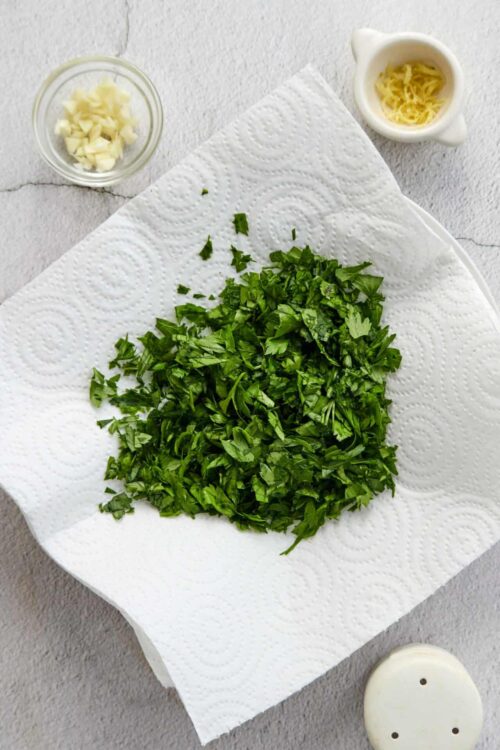
- Combine the finely chopped parsley, lemon zest, minced garlic, and kosher salt in a small bowl.
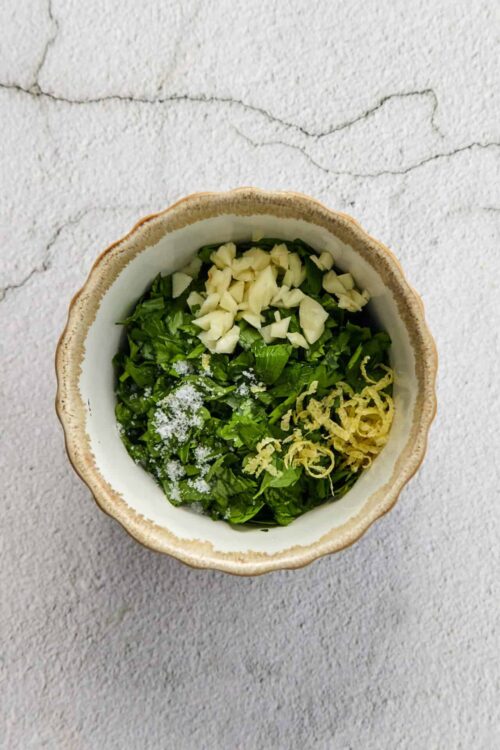
- Mix all ingredients until well combined. Use immediately for the best flavor or store in an airtight container in the refrigerator for up to 2 days.

Leave a Comment