

Gluten-free and flourless doesn’t have to sacrifice indulgence – devour this wonderful cake’s decadent deliciousness!
Health consciousness has changed a lot in recent years. Far less now are dietary fads fretting over fats present in food and more often diets are structured around individual dietary needs. Keto diets try to keep carbohydrates in food below 50g a day, while vegan diets seek to reintroduce vegetables into areas of cuisine that might otherwise be lacking therein. My partner and I have been trying our hand at a gluten-free diet to better our gut health, though it has been much easier said than done.
Sometimes, there’s nothing that can hold a candle to the daintiness of a fluffy, flavorful cake. As my partner and I try to mitigate the gluten in our diets, one of the hardest sacrifices has easily been our desserts. We both love delicious cookies and dainty cupcakes, but as we grow older it’s harder to justify indulging in such delights when we know what our bodies go through to eat them. That meant giving up my partner’s first love: cake. But, then, we tried some substitutes for traditional all-purpose flour.
Typical cakes are mixed with flour to achieve that lofty, weightless cushion of pillowy sweetness enjoyed in some form at just about any gathering you can name. That’s why we originally started with gluten-free flour alternatives, but we found that my spouse’s blood sugar would spike after getting her cake fix at parties, instead. We were almost set to give up our favorite desserts entirely until we learned that flour isn’t needed at all for a cake to taste great (and stay gluten-free)!
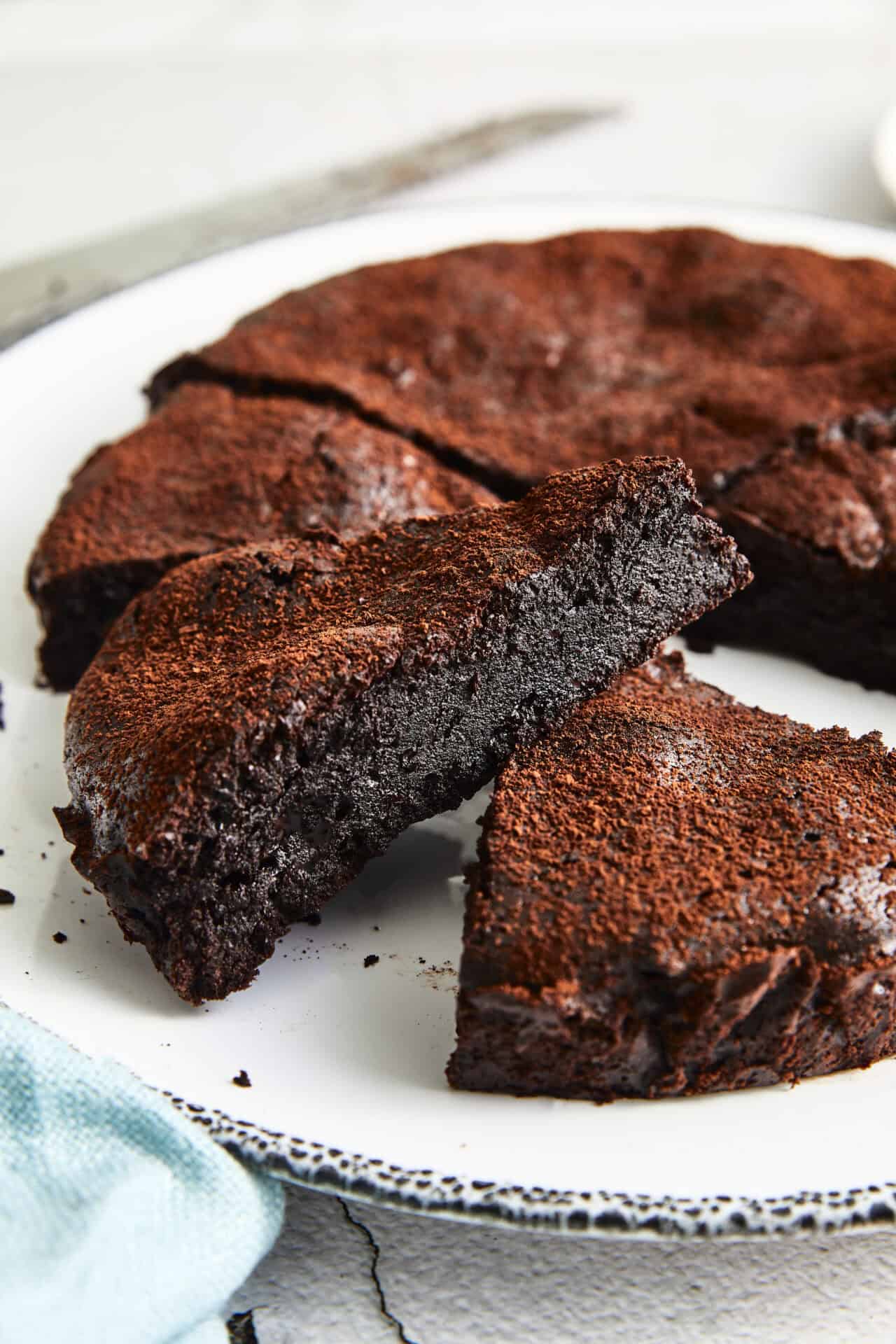
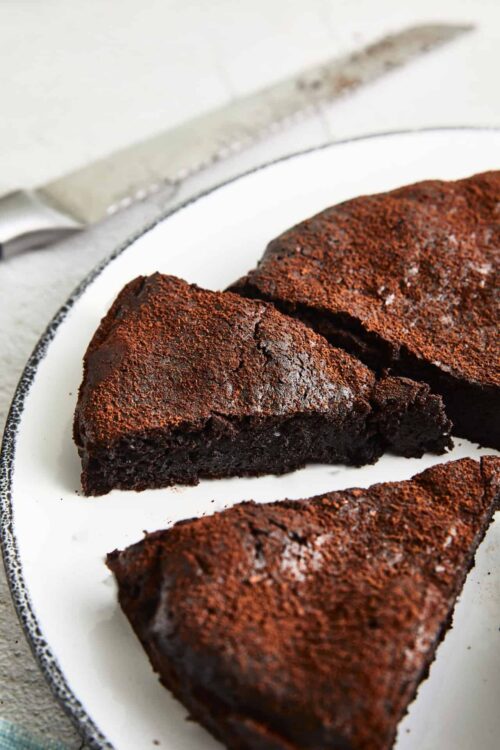
Delicious cake can still be achieved without flour, it just happens to have a slightly different, fudge-like texture that is terrifically rich and absolutely to die for! When we first tried flourless cakes, we were elated with how decadent they tasted and just how well they sated that hankering craving. Upon discovering the vestigial nature of flour in cakes, we simply had to share it with everyone we knew and, now, flourless cakes make an appearance at every party and holiday celebration. Try your own hand at our new household favorite and make a flourless chocolate cake for yourself (and tell people you’re being healthy with a gluten-free dessert!).
Flourless vs. Gluten-Free Flour: Why Abstaining Is Better Than Substitution!
In order to understand the difference between flourless bakes and ones with gluten-free flour, it may be best to wrap our heads around what gluten is, to begin with. Gluten is a protein that is found in many grains but especially those used to make flour (wheat, rye, and barley). Gluten is what helps capture expanding air in bread, creating the essential pockets (called “crumb”) for the chewy, light texture we associate with everything from loaves to cakes.
Knowing what gluten is, we can then avoid wheat, rye, and barley products like beer, rye bread, and many all-purpose flours made from wheat grain. Almond flour is the most common alternative for wheat flour when baking as it typically can be used with a 1:1 exchange ratio. The naturally nutty flavor of almond flour lends nicely to many sweet bakes like cakes and brownies. Another excellent substitution for wheat-based flour is arrowroot flour which has a totally different final texture. The crisp finish on arrowroot flour cookies and tea biscuits is totally unbeatable. If you’re looking for a chewier texture and more depth than your average flour, oat flour is a suitable substitute for moist cake and full-flavored bread (though be wary that many oat flours have the potential to be cross-contaminated with gluten products).
However, there is a broader factor which makes flourless bakes all the better than using any flour substitute: blood sugar! Flour and other grains (even those which are used to make gluten-free flour substitutes) contribute to the carbs found in any bake and repeated tests show that flourless bakes don’t yield the same blood sugar spikes as those made with flour or the alternatives listed above. This may also have to do with the refining of the grains, nuts and seeds necessary to produce a flour-like consistency, but the important thing is that flour (of seemingly any kind) poses the risk of a spike in one’s glycemic index. Since flourless bakes are naturally gluten-free, it’s been our go-to ever since we learned how all flours affect my partner’s blood sugar – talk about two birds, one stone!
For the healthiest option in regards to your bakes, gluten-free and diabetic-friendly flourless cakes are the way to go without a doubt. If you’re already looking for a gluten-free option, why not opt out of flour entirely?
FAQs & Tips
How to Make Ahead and Store
Flourless chocolate cake can last in the fridge for up to 4 days after baking, but it survives surprisingly well in the freezer! Because the cake is so moist (due to the lack of flour in it to soak it all up), drying out is rather uncommon and freezing the cake extends its life for up to 4 months!
Is There Any Way To Make Flourless Vegan Chocolate Cake?
There is! Swapping out the eggs for other binding agents, especially vegan ones, is the best way to take this already flourless cake up a notch! I suggest using ripe bananas, personally, but another option is aquafaba (the water used to cook chickpeas!)
Serving Suggestions
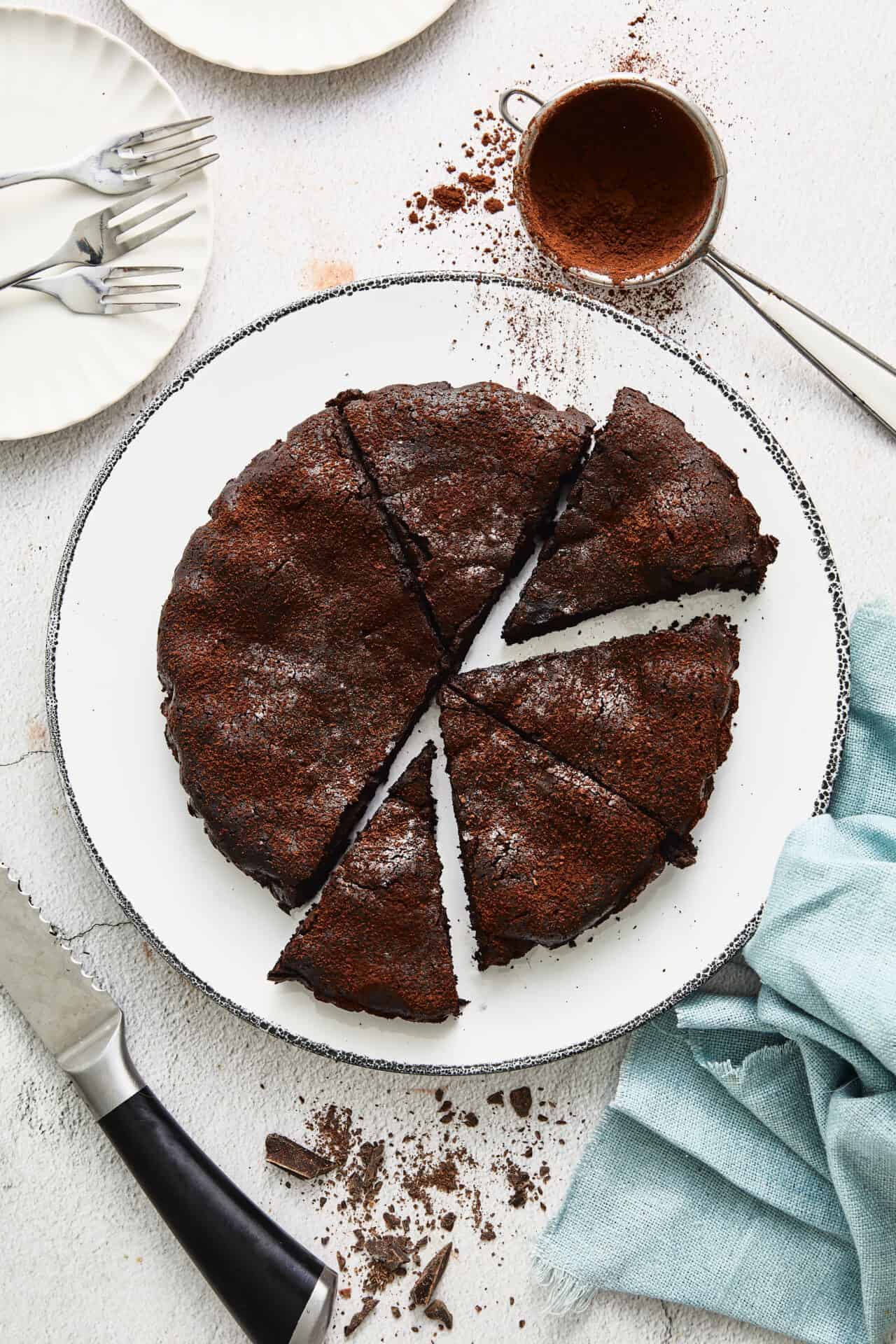
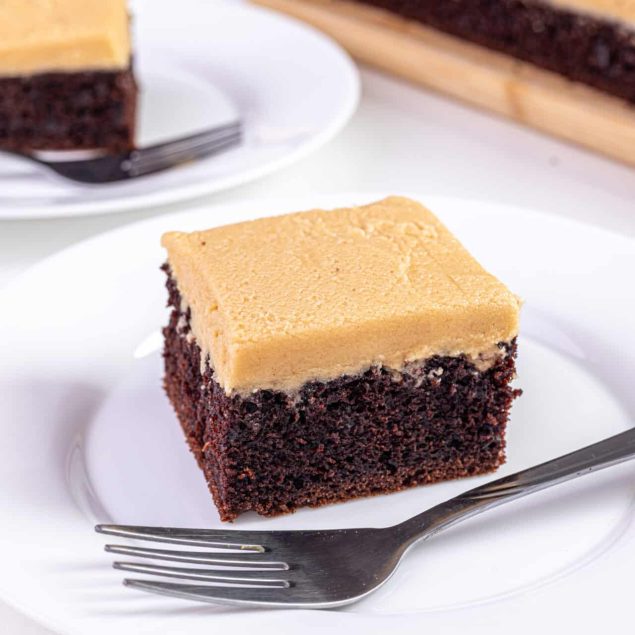
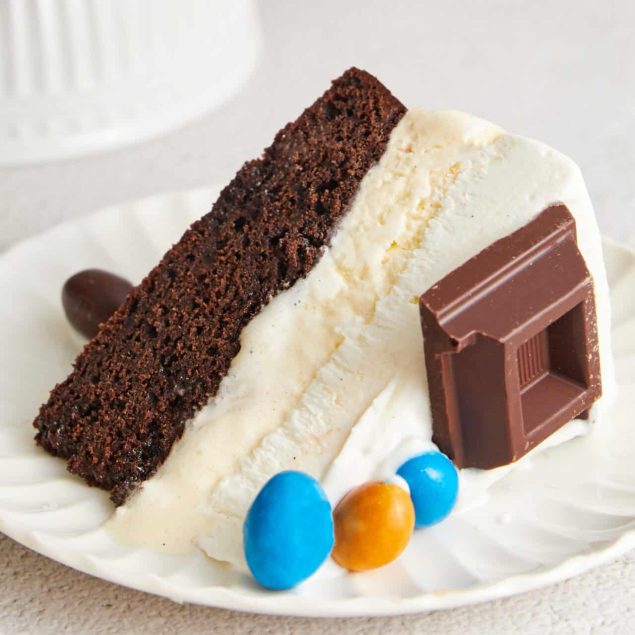
Flourless chocolate cake is delicious on its own, but a decadent dessert deserves an equally indulgent decoration! A delicious Buttercream Frosting to top your cake with couldn’t be bad! Double up on the chocolaty goodness with a Chocolate Buttercream or go light and airy with Whipped Buttercream! Serve your flourless chocolate cake still warm with a scoop of Homemade Vanilla Ice Cream for a phenomenal flavor experience. For another contrasting experience, try a crisp snap of Peanut Brittle to go with your decadently sweet flourless chocolate cake (especially if you’ve topped it with this Peanut Butter Frosting).
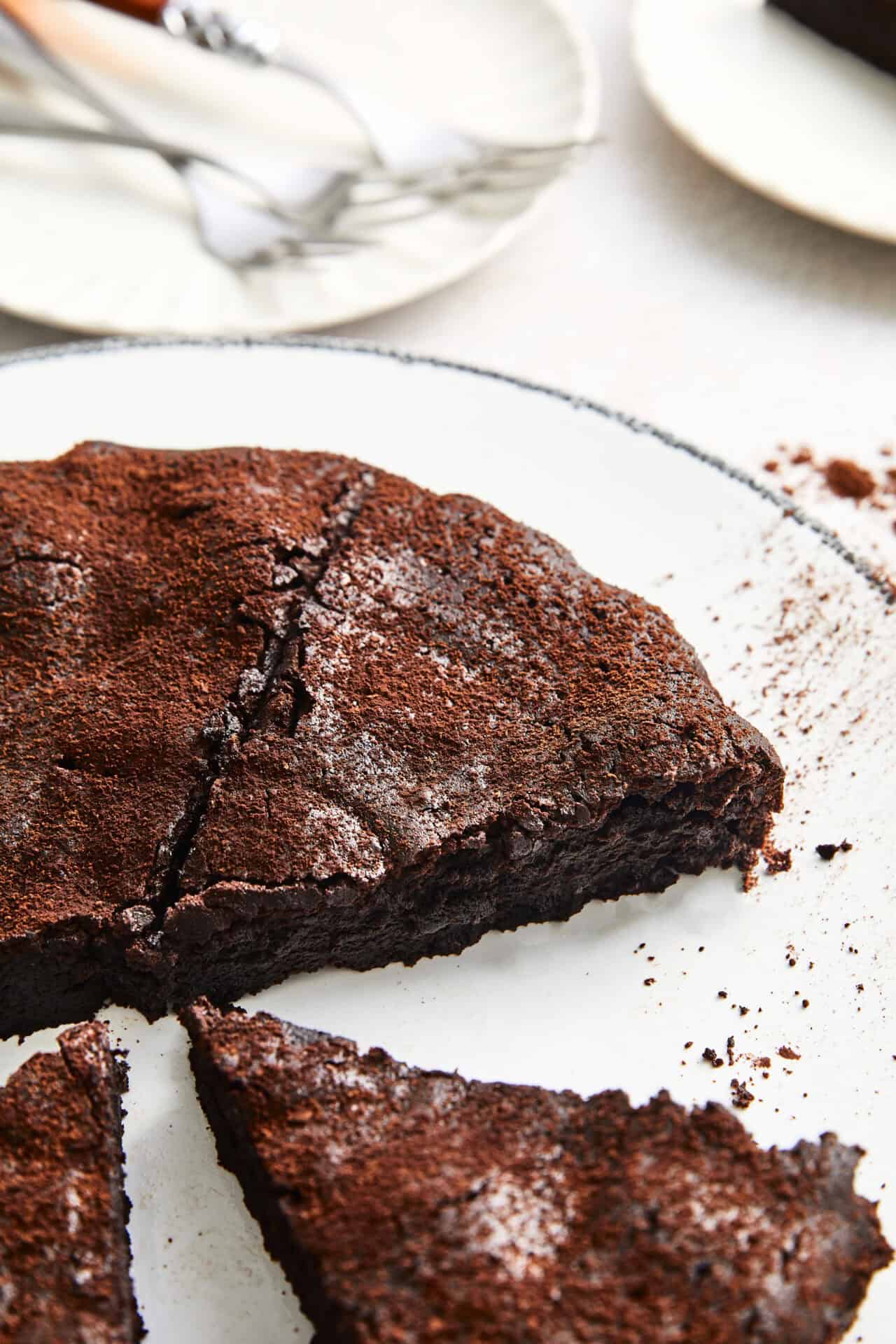
Flourless Chocolate Cake Recipe

Ingredients
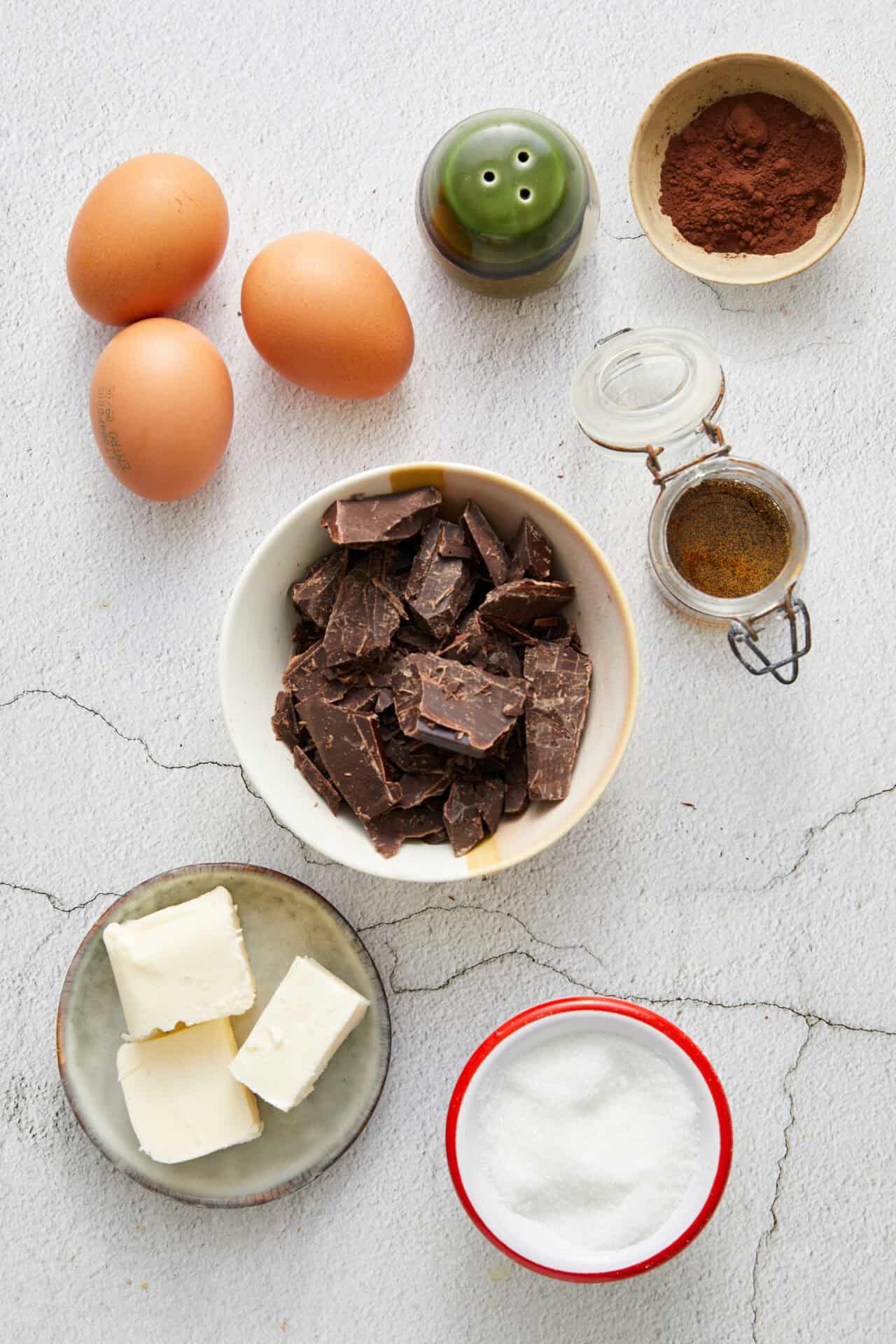
- 6 ounces semisweet chocolate chopped
- 1/2 cup unsalted butter
- 3/4 cup granulated sugar
- 1/4 teaspoon salt
- 1 teaspoon vanilla extract
- 3 large eggs
- 1/2 cup unsweetened cocoa powder
Instructions
- Preheat your oven to 375°F and grease an 8-inch round cake pan. Line the bottom with parchment paper and grease the paper.
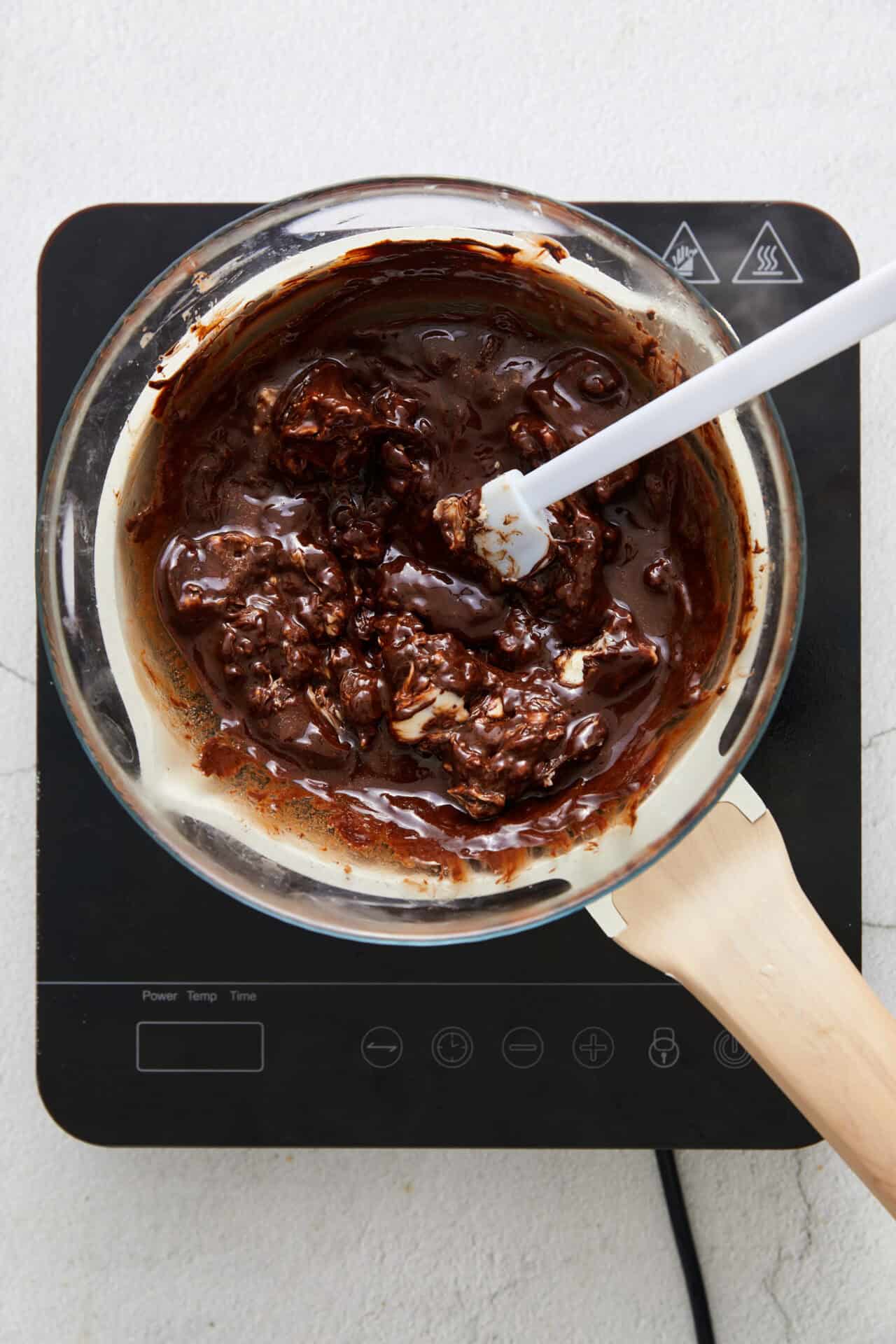
- Melt the chocolate and butter in a heatproof bowl over a pot of simmering water, stirring until smooth. Remove from heat.
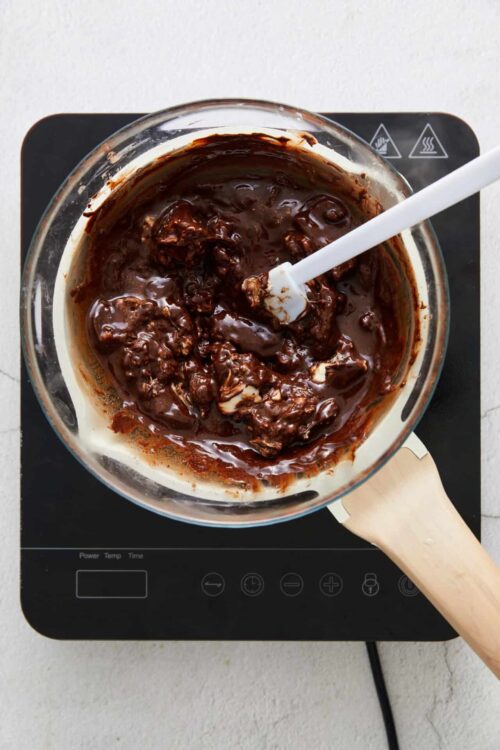
- Stir in the sugar, salt, and vanilla extract into the chocolate mixture.
- Add the eggs one at a time, stirring well after each addition.
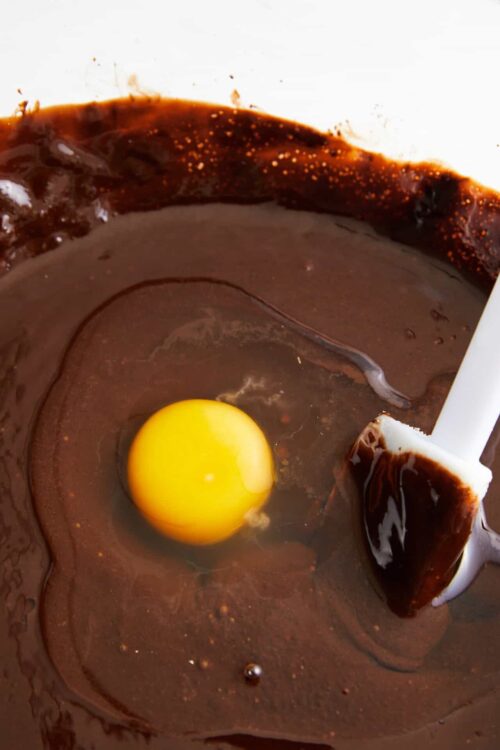
- Sift the cocoa powder over the chocolate mixture and fold until just combined.
- Pour the batter into the prepared pan and smooth the top with a spatula.
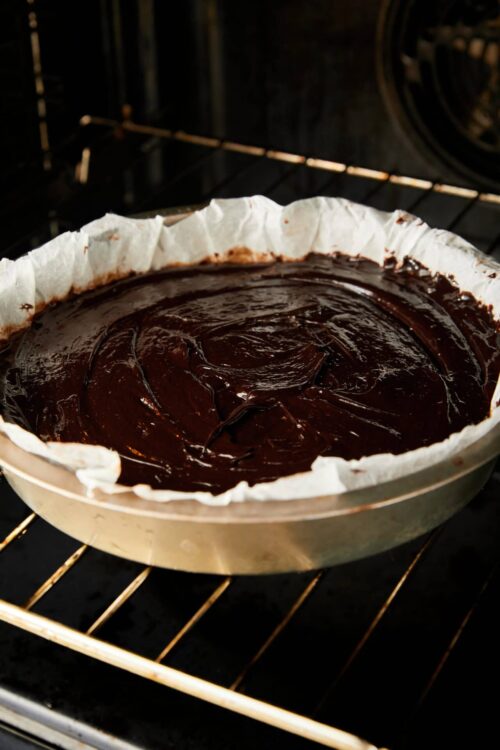
- Bake for 25 minutes, until the cake has a thin crust on the top.
- Cool the cake in the pan on a wire rack before inverting onto a plate. Remove the parchment paper.
- Serve at room temperature or chilled, as preferred.

Leave a Comment