

Sticky and sweet, yet still surprisingly creamy – Dulce de Leche is like caramel that’s easier to cook and twice as indulgent!
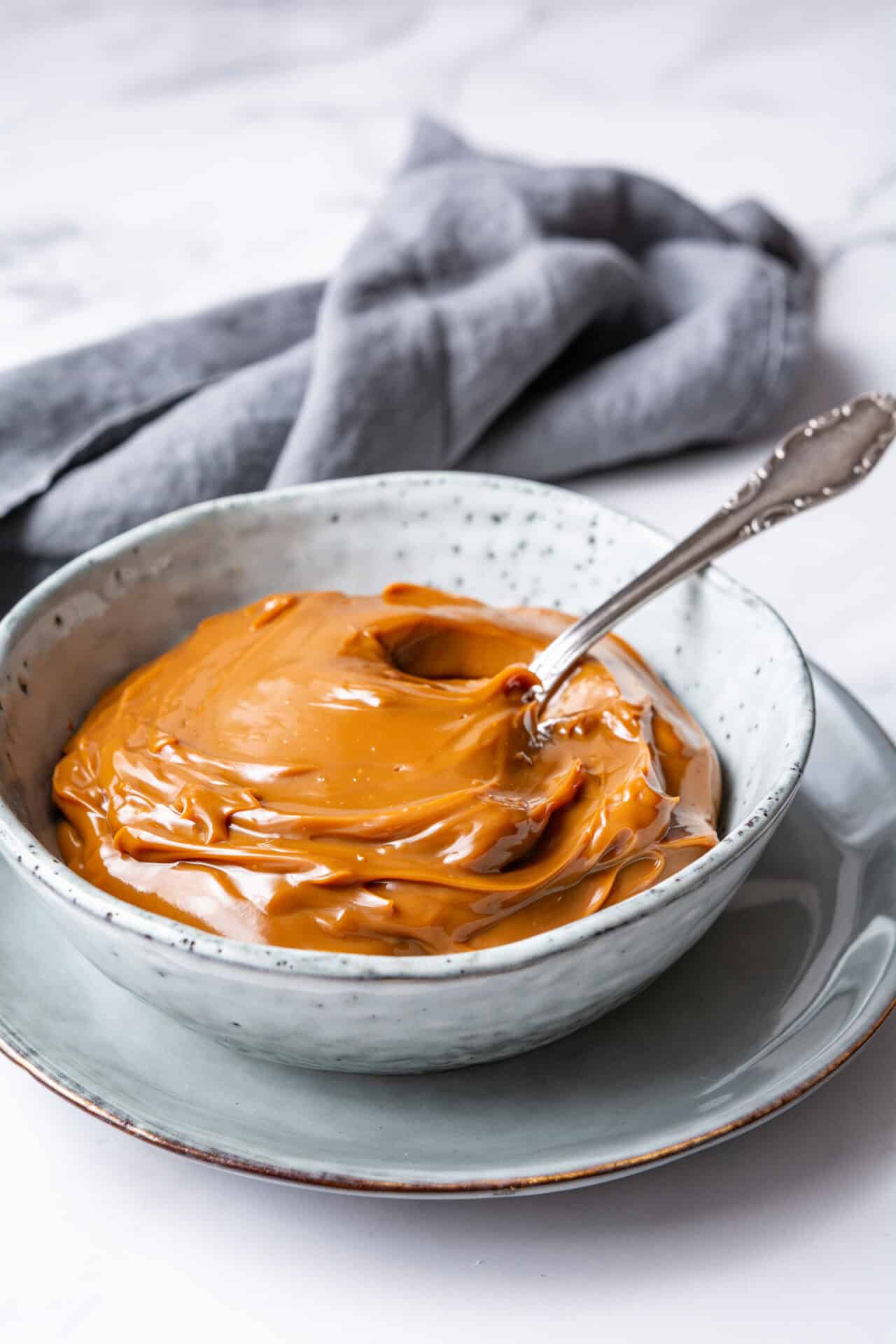
Dozens of cultures have some form of dulce de leche, muddying the origin of its creation. Some accounts state that Napoleon’s cook heated milk and sugar for too long, accidentally creating the smooth, indulgent treat. Other histories tell a story of Indonesian recipes slipping into Philippine trade circles as early as the 16th century, only discovered by the Spanish during their expansion into the South East Asian islands. The most popular theory, however, hails from Argentina where the maid of politician Juan Manuel de Rosas was called away while cooking only to come back and discover a dark caramel-like sauce in her pot of sugar and milk. Of all of the suspected origins, one thing remains somewhat consistent: dulce de leche is a serendipitously sweet treat!
Called everything from caramelized milk to milk jam, dulce de leche literally translates to “sweet [made] of milk” which probably best describes what dulce de leche really is: milk candy. Its comparison to caramel isn’t unfounded as both are created by browning sugar to a toasty color and giving the treat a roasted flavor similar to toffee (yet so, so creamy and smooth). Easily made yet deliciously indulgent, dulce de leche is perfect all on its own, filling various desserts, or topping your favorite treats!
Caramelization vs. Maillard Reaction: What’s the Difference?
There are a couple different means by which food can be browned but the one you’re most familiar with (even if you don’t know it) is non-enzymic browning – cooking! Heat is a great catalyst, capable of inducing changes in the chemical compounds of various ingredients and, thus, changing everything from the chemical compound’s shape to the way it tastes, smells, and behaves! This process is called “browning” because food that undergoes the process gets darker, especially along the surfaces exposed to the heat, but non-enzymic browning (that is, browning that isn’t caused by chemical interventions like oxidation) can be done in two very different ways: caramelization and the Maillard reaction.
The Maillard Reaction reduces sugars and alters amino acids to create melanoidins and phenols that give cooked food its distinct colors, flavors, and scents. The Maillard Reaction is a kind of non-enzymic browning and looks like the toasting of the outside of a bun or the sear on the outside of a steak. Almost everything that gets cooked experiences the Maillard Reaction but, with increased temperature and a lot more sugar, you get caramelization. Caramelization is pyrolytic, meaning that it has little to do with amino acids and much more to do with temperatures and sugars, producing complicated butter-like scents and flavors from the different sugar compounds.
Dulce de leche uses a combination of the Maillard reaction and caramelization. The Maillard reaction interacts with the amino acids while caramelization transforms sugars present in the sweetened condensed milk to create the decadent dulce de leche.
Ingredients
- 1 can (14 ounces) sweetened condensed milk
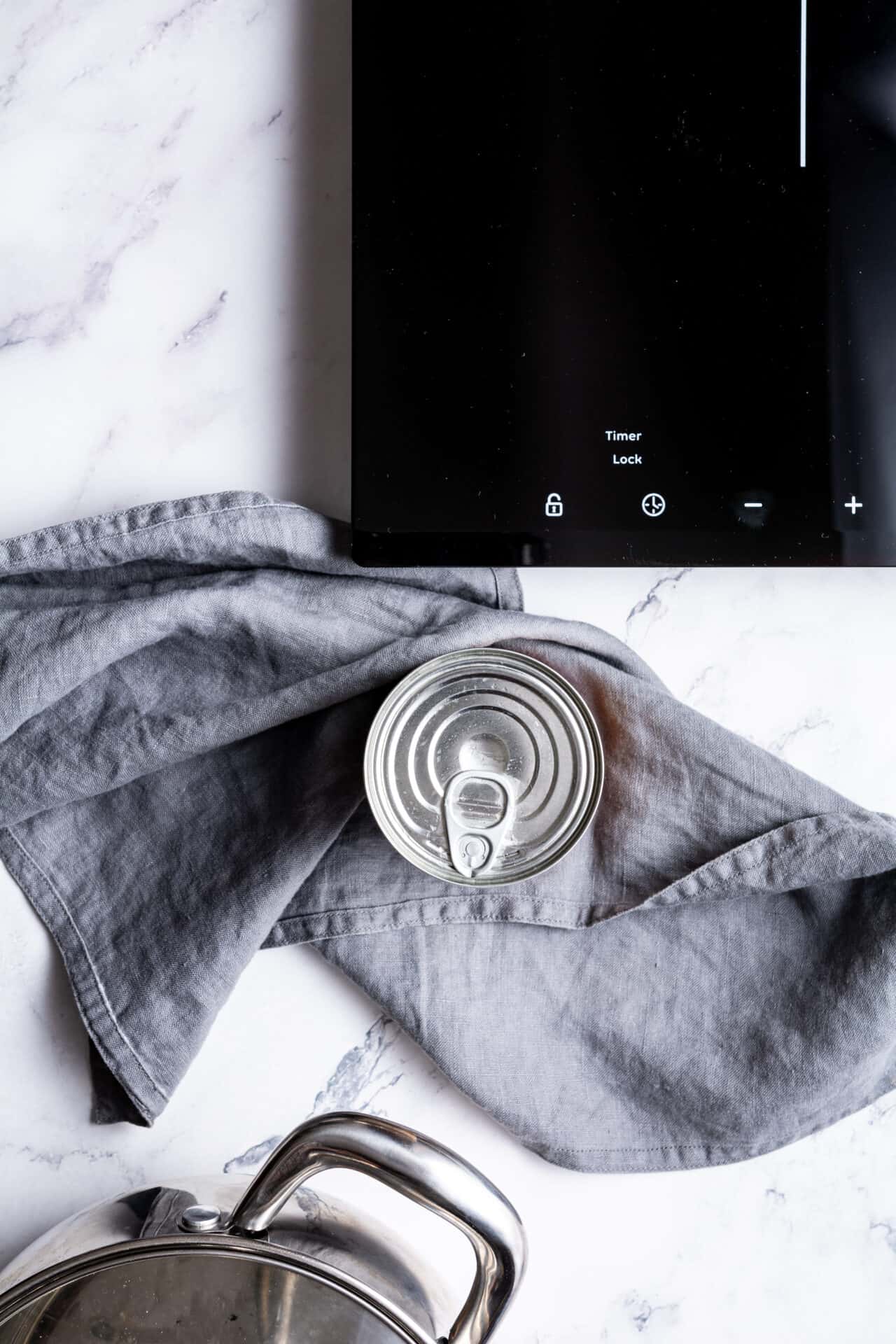
How to Make Dulce de Leche
Step 1: Remove the label from the can of sweetened condensed milk.
Step 2: Place the can in a large pot and fill with water, ensuring the water level is at least 2 inches above the can.
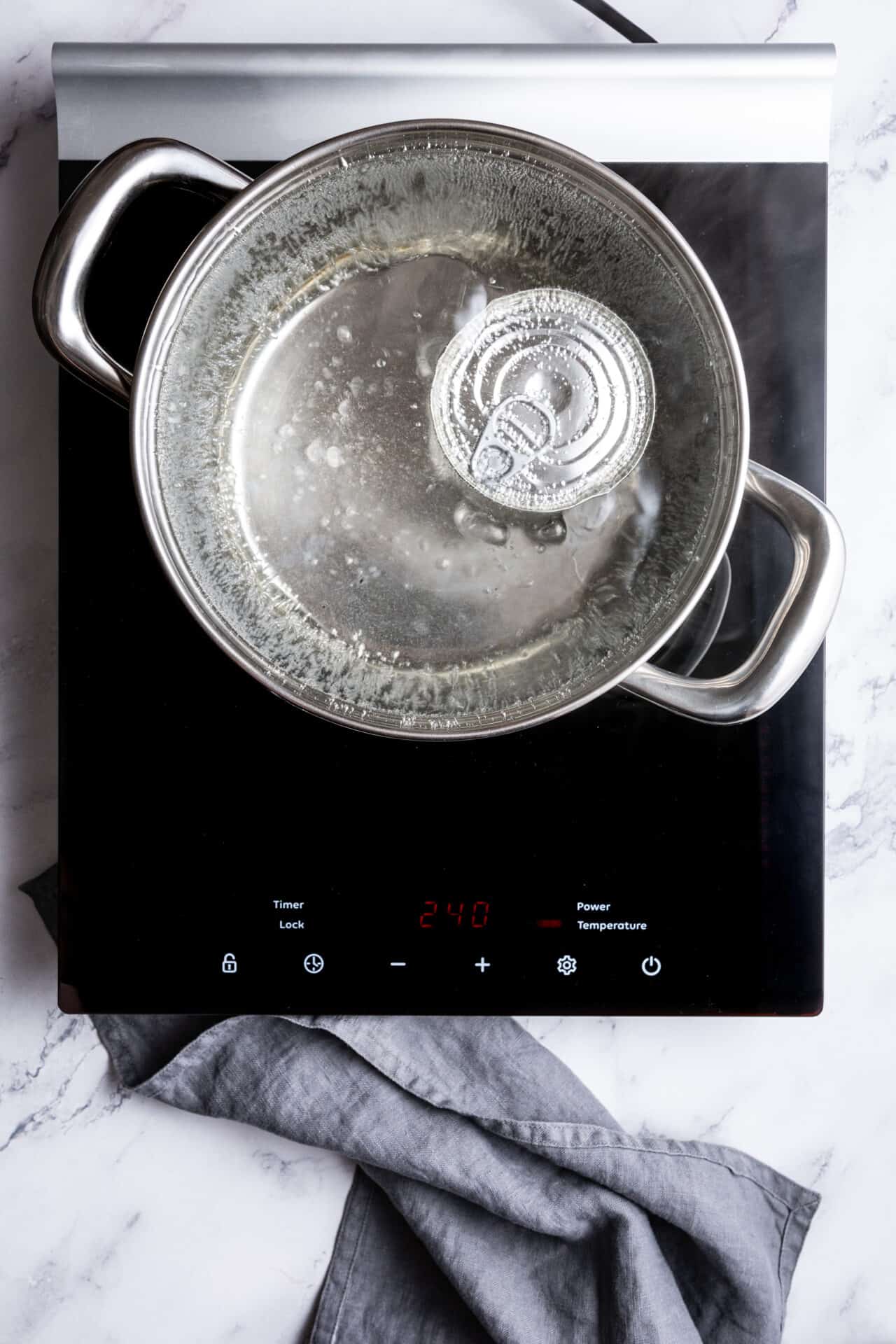
Step 3: Bring the water to a boil, then reduce heat to a low simmer.
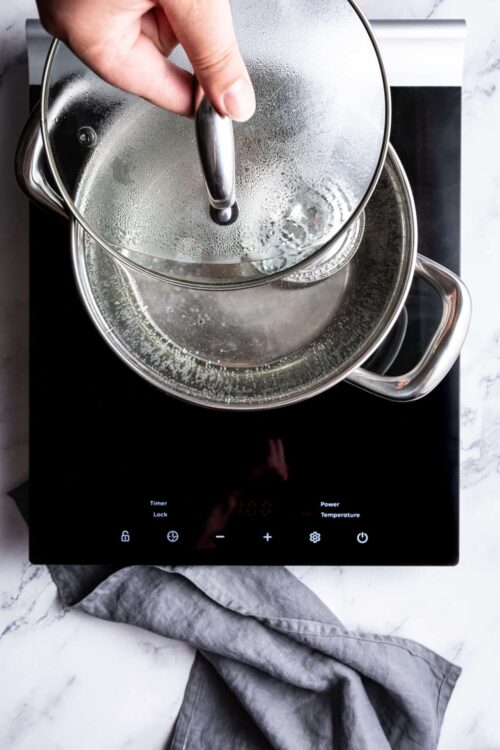
Step 4: Cover the pot with a lid and let the can simmer for 2 hours, checking occasionally to ensure the water level remains above the can.
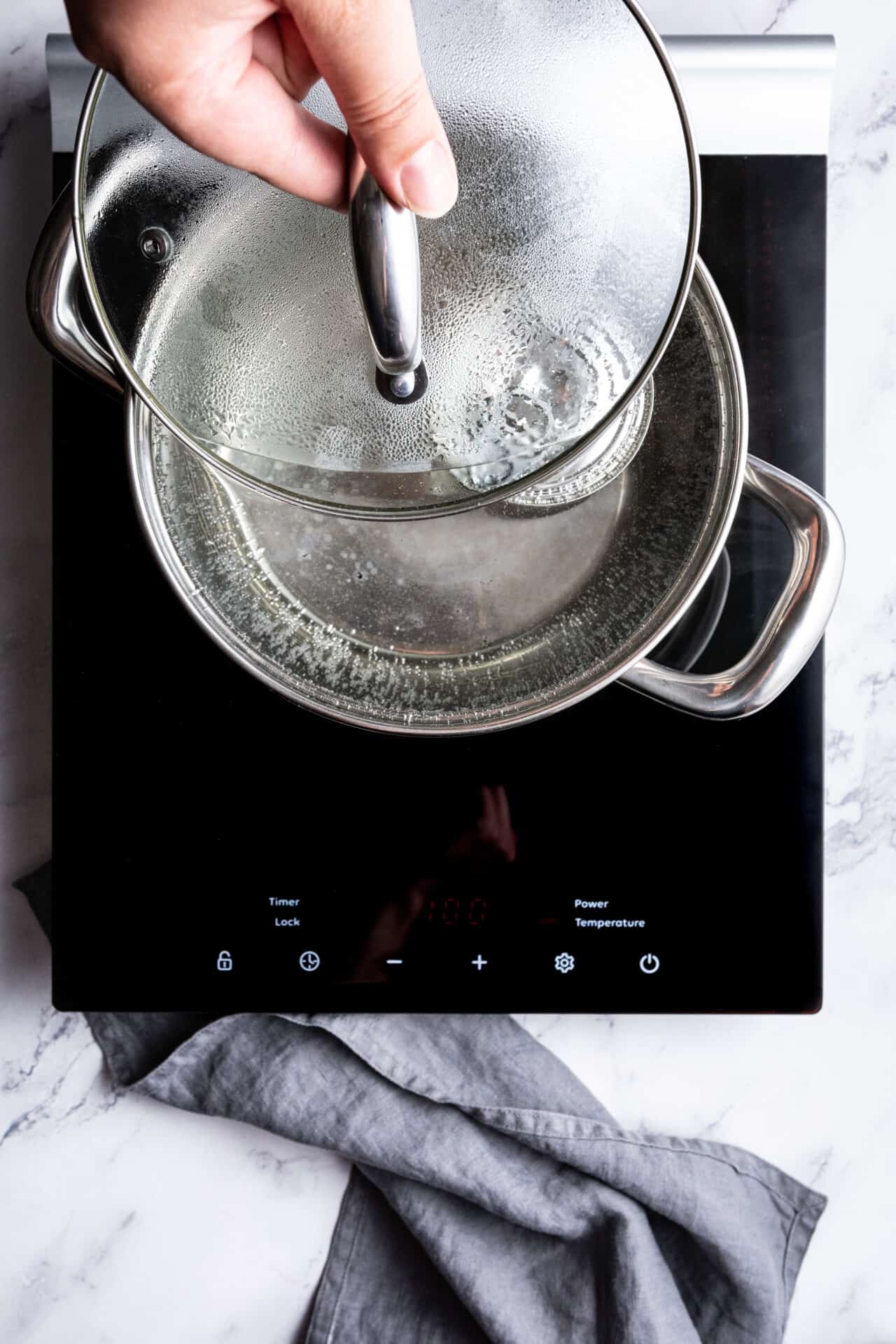
Step 5: Carefully remove the can from the water and let it cool completely before opening to prevent burns from the hot caramel.
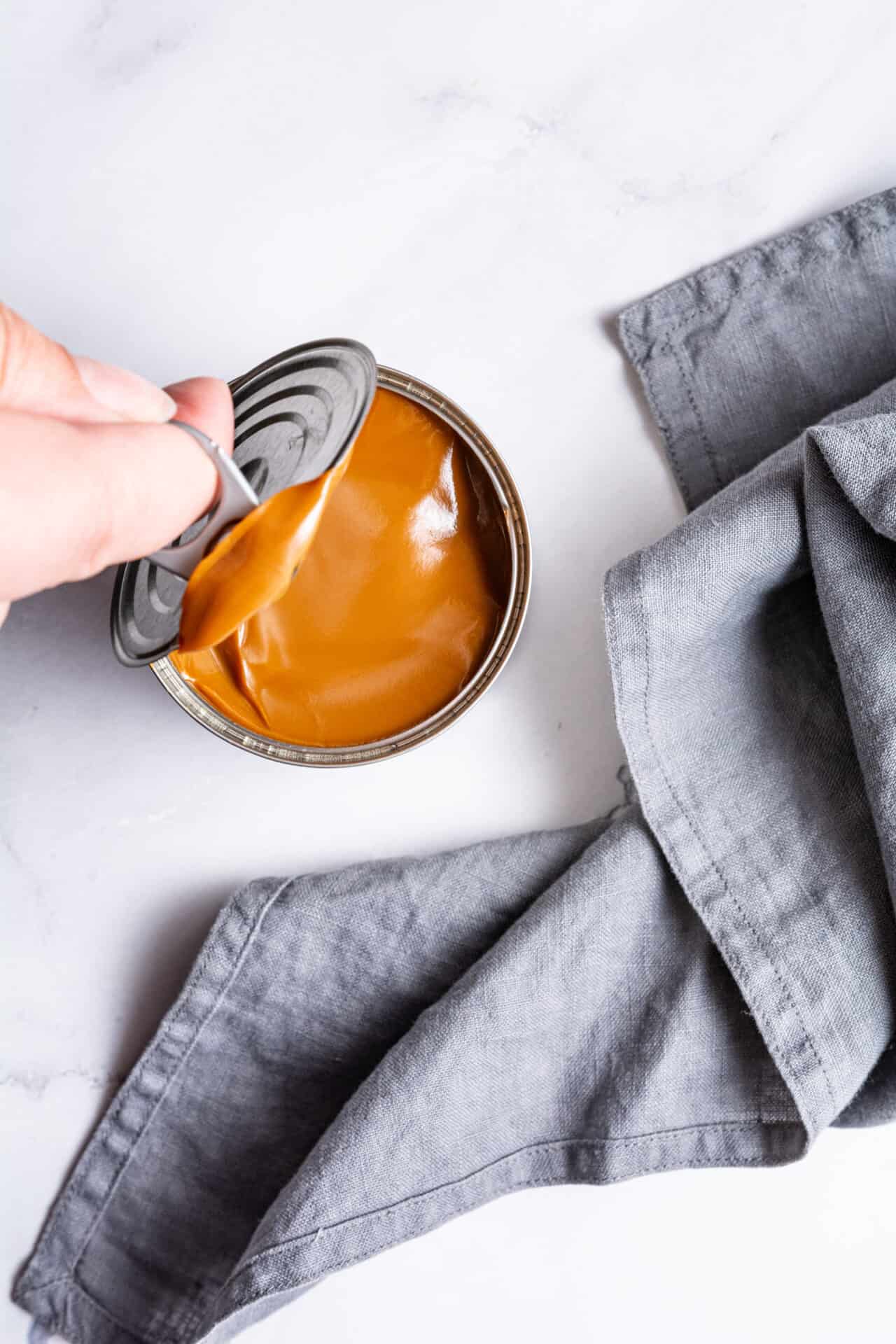
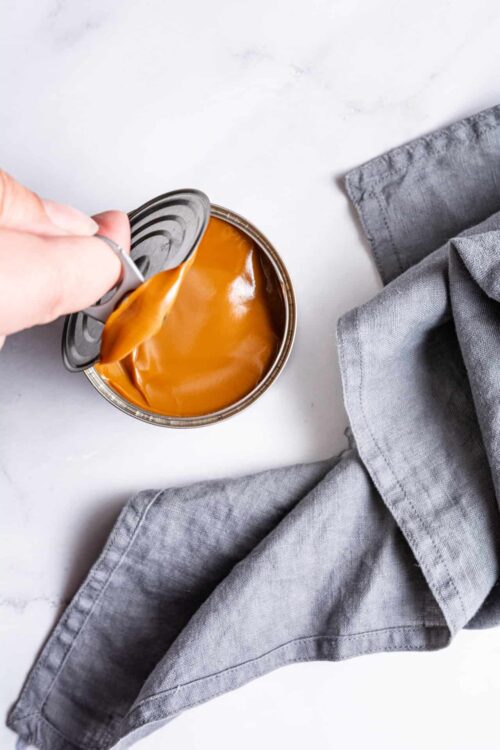
Step 6: Once cool, open the can to reveal the transformed dulce de leche.
FAQs & Tips
How to Make Ahead and Store
Dulce de leche is best when freshly prepared, but it can survive in an airtight container for up to 3 weeks when refrigerated! Place your dulce de leche into a bowl and put it over a pan of boiling water to slowly bring it back up to a smooth and creamy texture if it gets too cold.
Is Dulce de Leche Caramel?
No! I’ve heard this misconception a lot but dulce de leche is, specifically, caramelized sweet milk whereas caramel is caramelized sugar (which can, then have cream or butter added)!
Can I Make Dulce de Leche Out Of Sugar and Milk?
You can make dulce de leche with sugar and milk alone by simmering both for over an hour until thick and golden.
Serving Suggestions
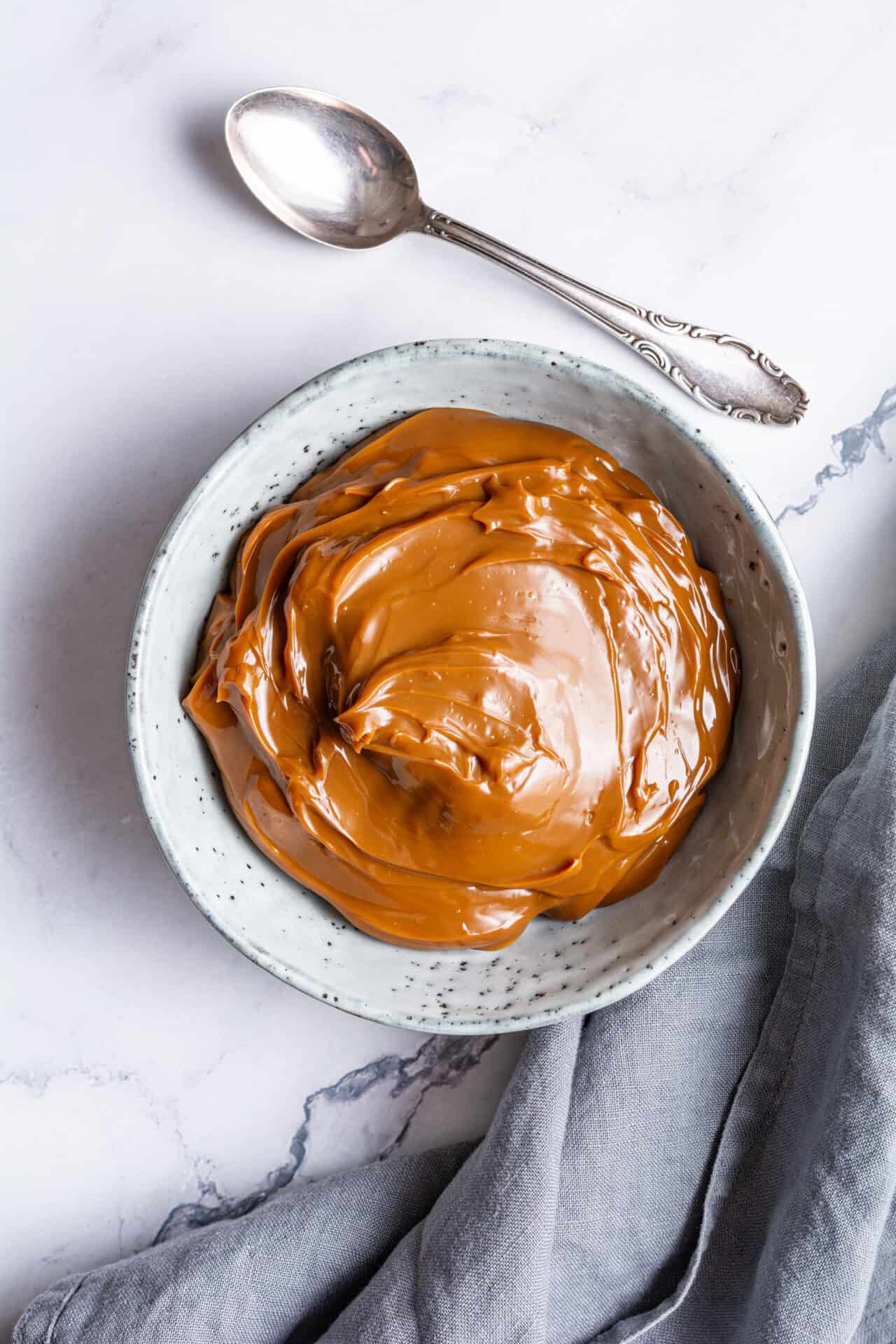
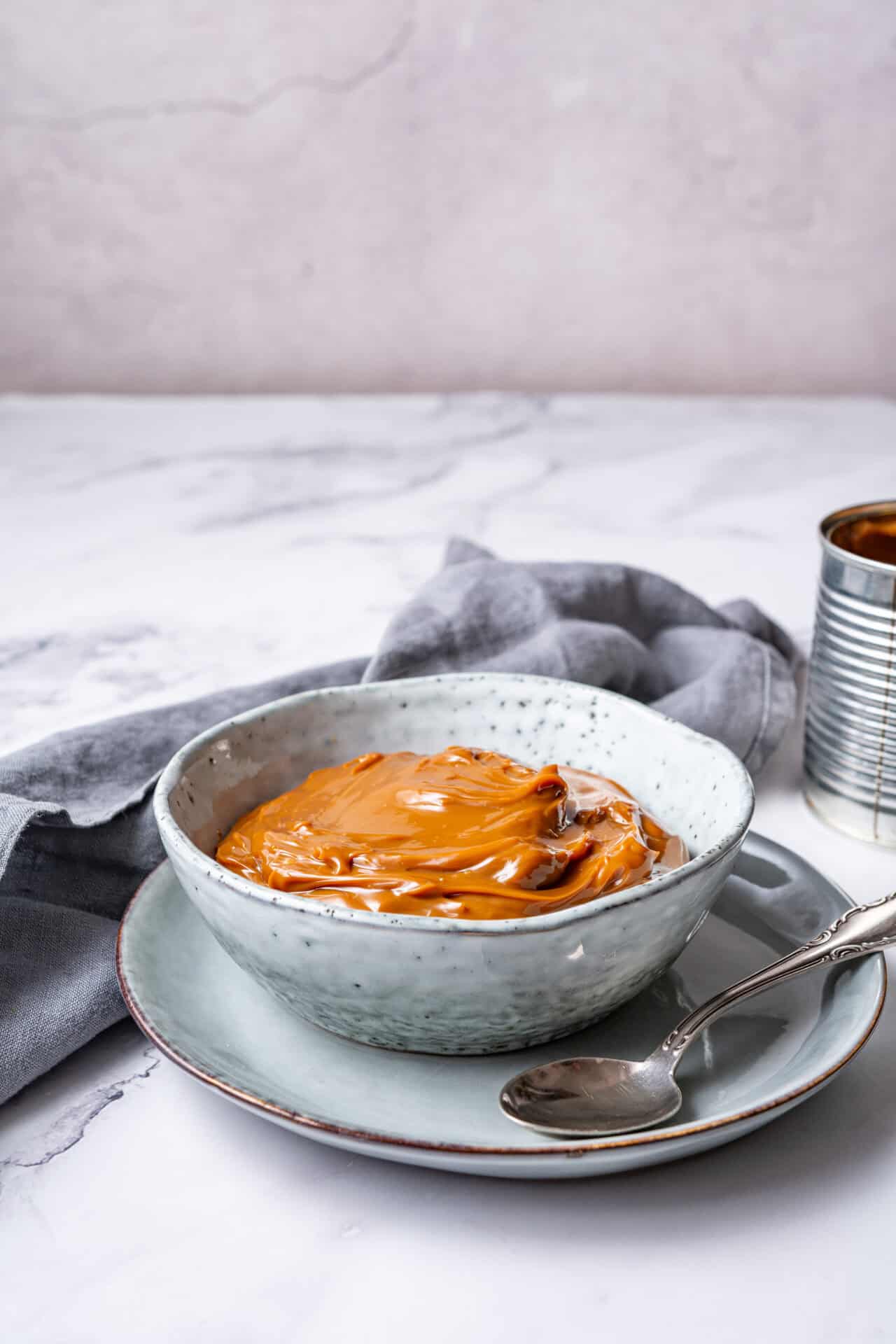
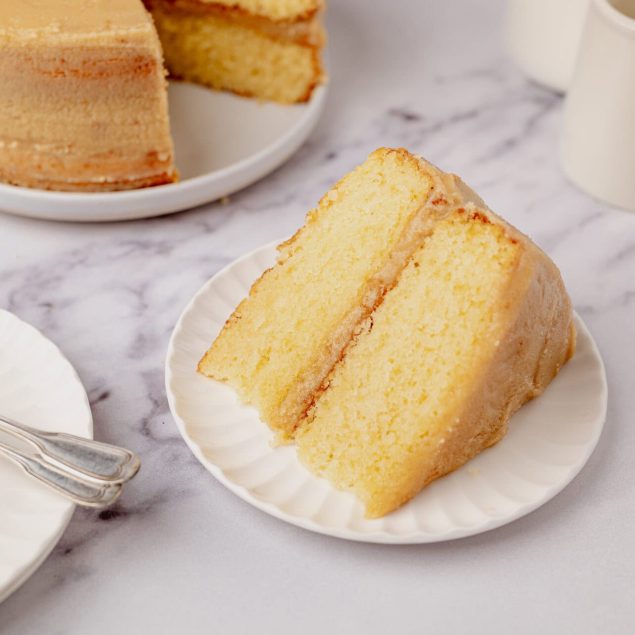
Dulce de leche is a great treat on its own but it serves as an even better filling or topping to some of your favorite desserts! Try it as a filling for Filled Chocolate Cupcakes or as a thin smear between layers of Simple Sponge Cake to really spruce them up. Top your favorite Cheesecake Brownies with some dulce de leche or double down on sweet milk with a dollop of indulgent dulce de leche atop Arroz con Leche. My personal favorite use of dulce de leche is as a decadent dip for sweet, salty, and bitter desserts like Salted Toffee Matzo or a cup of coffee and a crisp Biscotti.
Dulce de Leche

Ingredients
- 1 can sweetened condensed milk (14 ounces)
Instructions
- Remove the label from the can of sweetened condensed milk.
- Place the can in a large pot and fill with water, ensuring the water level is at least 2 inches above the can.
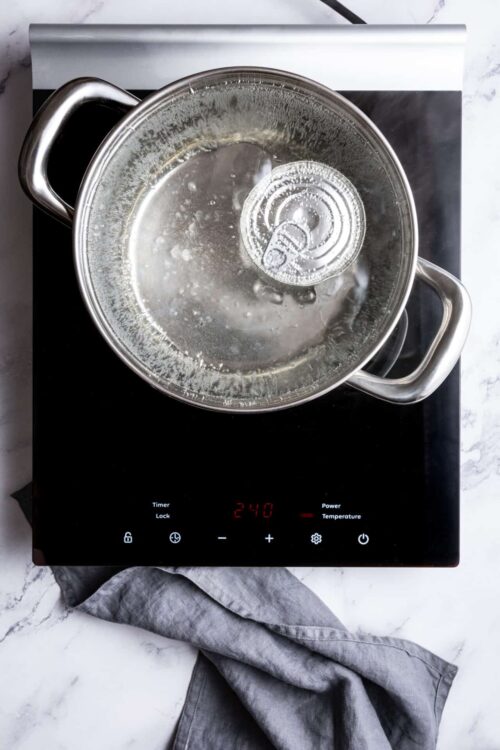
- Bring the water to a boil, then reduce heat to a low simmer.
- Cover the pot with a lid and let the can simmer for 2 hours, checking occasionally to ensure the water level remains above the can.
- Carefully remove the can from the water and let it cool completely before opening to prevent burns from the hot caramel.
- Once cool, open the can to reveal the transformed dulce de leche.


Great! It was creamy and easy, will make again
Awesome! Thanks for letting me know, one of my favorite recipes on the site😊