

Make dinner a celebration of flavor and culture with this easy one-pan meal that brings the history of Louisiana to the table!
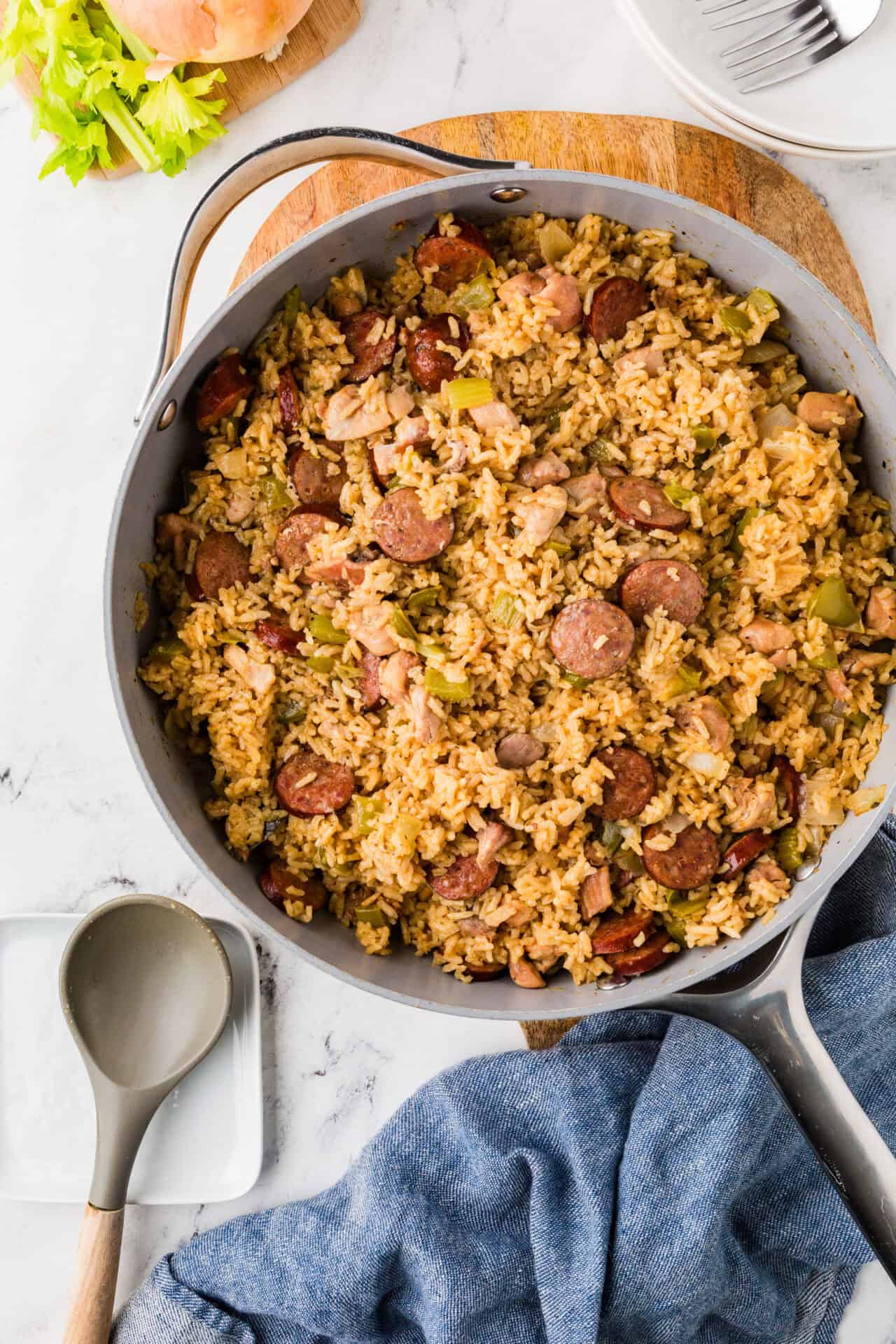
Louisiana is a true American melting pot. Between its history as both a French and a Spanish colony and its advantageous position as a gulf port, this state mixes cultures, ethnicities, and nationalities like a well-balanced spice blend. It boasts a population where French, African, Spanish, Native American, German, Italian, English, and Caribbean influences all coexist and intermingle.
As a self-professed Francophile, I’m particularly fond of Cajun culture and cuisine. The word Cajun is a linguistic evolution of “Acadien,” the French term for the Acadian settlers who were expelled from Canada’s Acadia region—modern-day Nova Scotia, New Brunswick, and parts of Quebec—during the 18th-century deportations known as Le Grand Dérangement. When these French-speaking exiles resettled in Louisiana, local speech shifted the pronunciation, and English speakers eventually spelled it the way it sounded to their non-French-speaking ears.
This Cajun jambalaya recipe is my love letter to those brave settlers. Their original stews were inspired by Spanish, Native American, and African cooking styles, as well as their own French background.
And don’t worry about it being too spicy! The foundation of this dish is the “holy trinity” of Cajun and Creole cooking—onions, green bell pepper, and celery—which give it a deeply savory and earthy flavor profile. You’d have to add hot sauce or sliced jalapeños to amp up the heat. But if the cayenne pepper causes concern, you can halve or omit it.
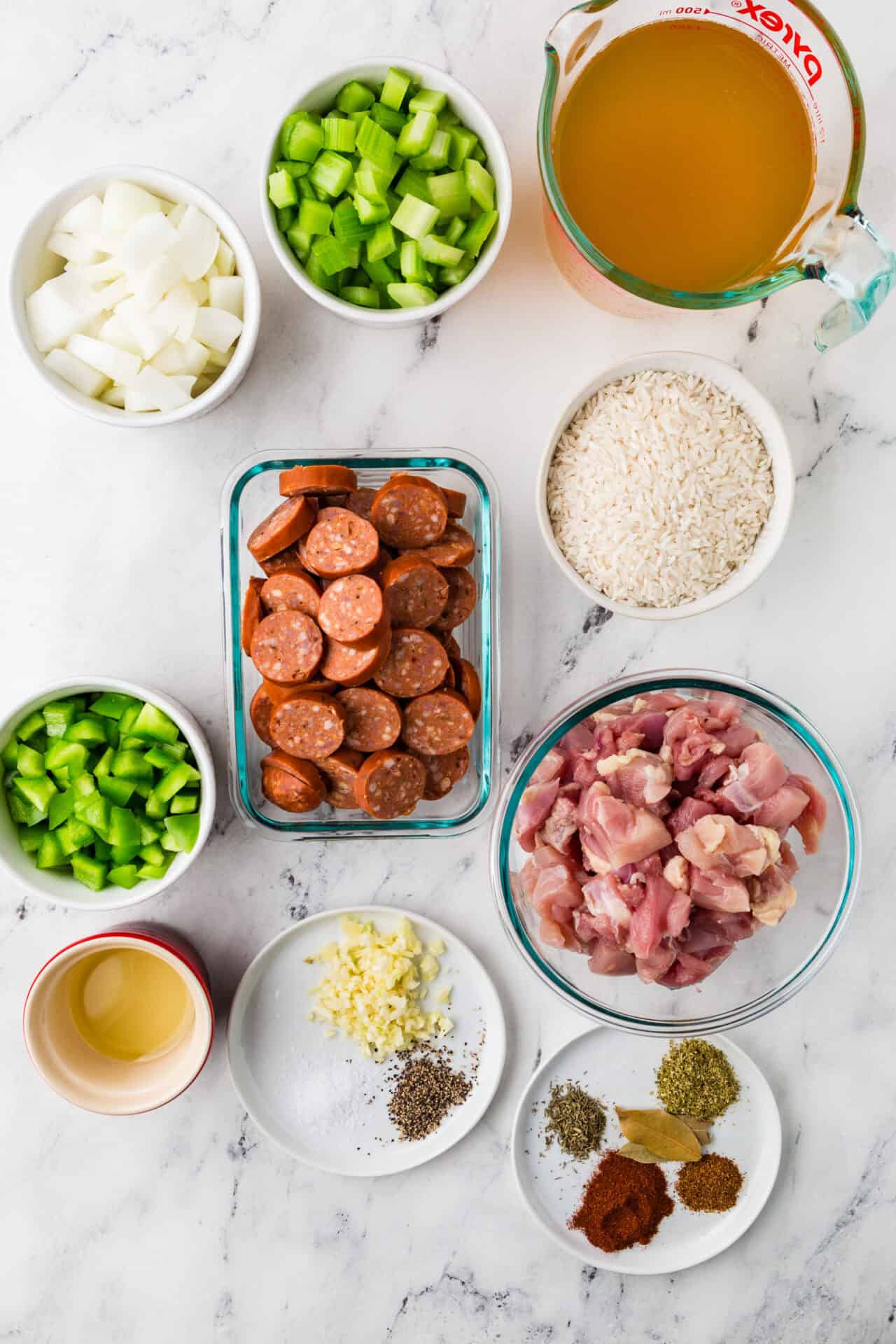
Cajun vs. Creole jambalaya
Jambalaya comes in two major styles—Cajun and Creole—each reflecting the culinary soul of different Louisiana communities. Cajun jambalaya is rooted in the rural areas of southern Louisiana. It never contains tomatoes but features a deeper, smokier color created by browning the meat and vegetables before adding rice. Its flavor is robust and earthy, drawing from traditional land proteins like chicken and sausage, often cooked over an open flame in cast-iron pots. This recipe closely follows these ingredient traditions, adapted to cook on your stovetop.
By contrast, Creole jambalaya is more closely associated with city kitchens of New Orleans. It includes tomatoes for a bright red hue and frequently features seafood-based protein like shrimp alongside chicken and sausage.
Both types shine as flexible, forgiving dishes that welcome customization. Feel free to switch up the protein, add a can of tomatoes, or adjust your “holy trinity” to your personal preferences. I highly recommend sticking with long-grain white rice for the best overall texture. But you could sub in brown rice or cauliflower rice if they align better with your dietary needs.
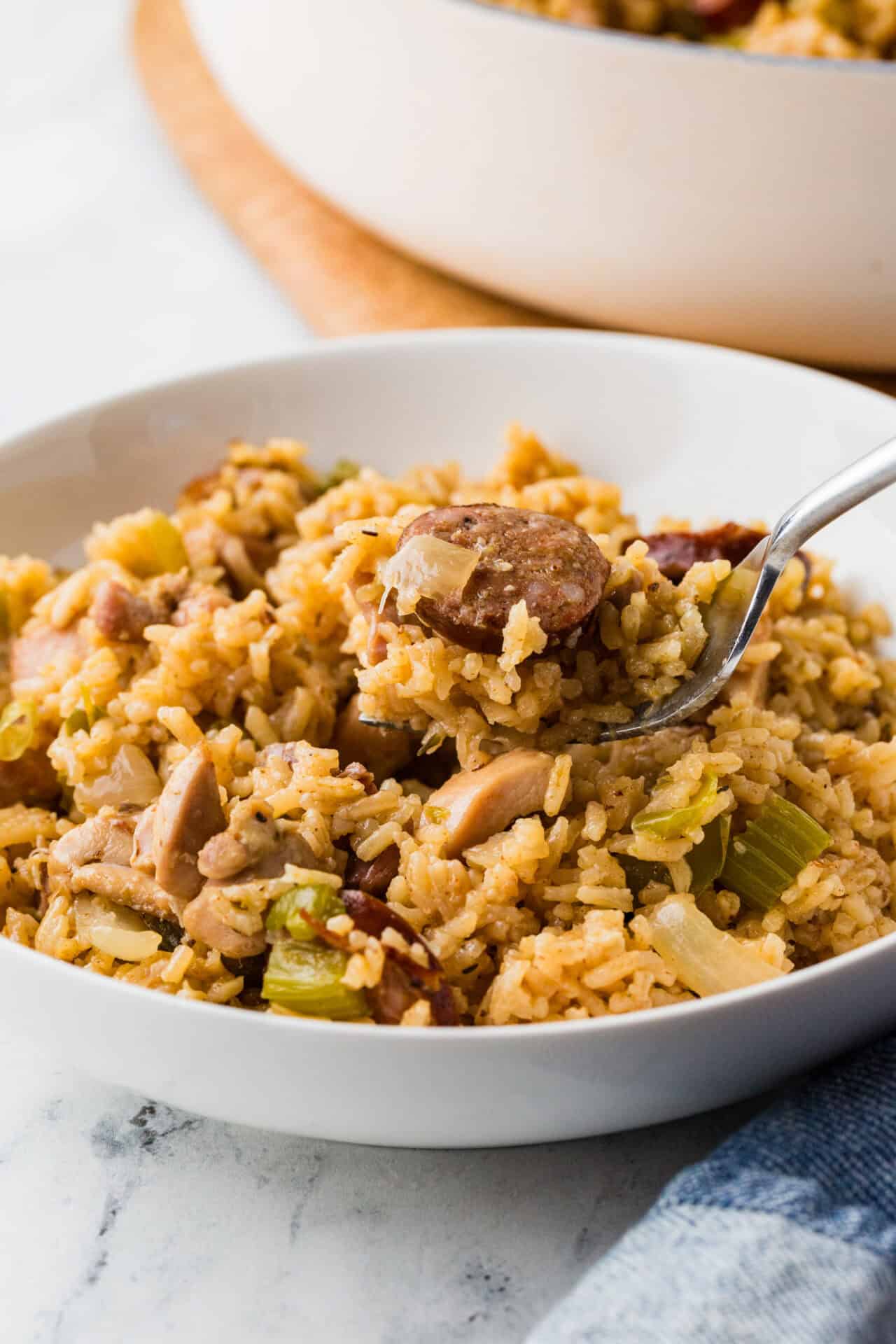
How do I store leftovers?
Let your jambalaya cool before storing, but don’t leave it at room temp for more than 2 hours. Store leftovers in an airtight container in the fridge for up to 4 days. Or freeze them for up to 3 months in freezer-safe containers or bags. Thaw overnight in the fridge. Reheat on the stovetop over medium-low heat, covered, with a splash of water or broth to restore moisture until piping hot throughout. You can also microwave portions in short bursts or pop a larger amount into a 350°F oven, covered with foil, for 20–30 minutes.
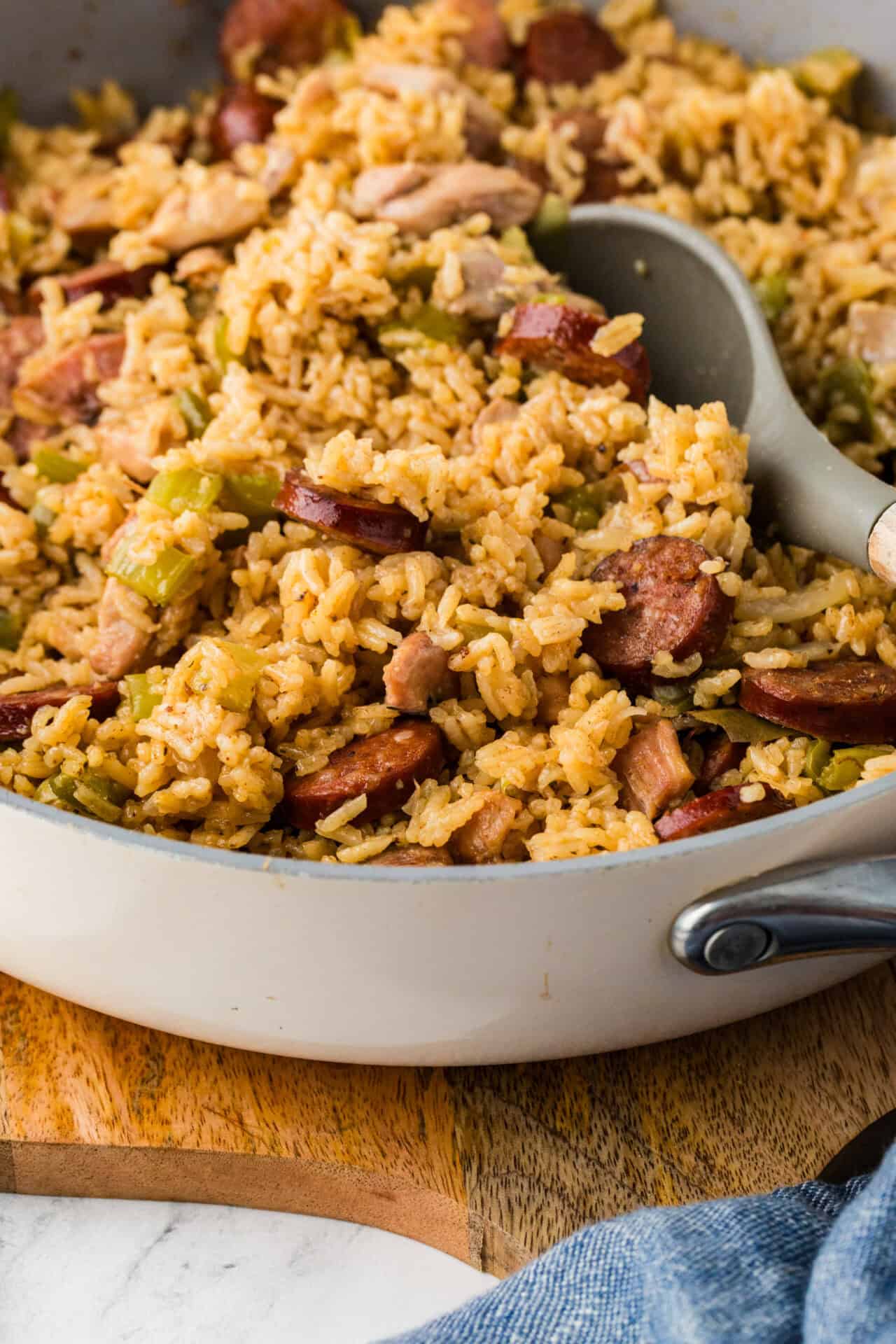
Serving suggestions
Serve Cajun jambalaya alongside other Southern-inspired dishes. Pair it with Cajun Shrimp for a bayou-themed protein bump and Cucumber And Tomato Salad for a fresh counterpoint. Amp up the comfort with a side of Easy Buttermilk Biscuits or this Buttermilk Cornbread Recipe.
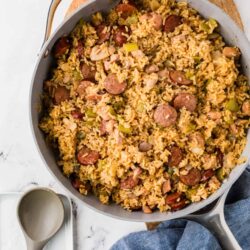
Cajun Jambalaya

Ingredients
- 3 tablespoons vegetable oil divided
- 1 1/4 pounds chicken thighs boneless, skinless, and cut into 1 1/2-inch pieces
- Kosher salt and freshly ground black pepper to taste
- 3/4 pound andouille sausage sliced into 1/4-inch rounds
- 1 medium onion diced, about 1 cup
- 2 ribs celery diced, about 1/2 cup
- 1 green bell pepper diced, about 1 cup
- 4 cloves garlic minced
- 2 cups long-grain white rice rinsed and drained
- 1 bay leaf
- 1 teaspoon paprika
- 1/2 teaspoon cayenne pepper
- 1/2 teaspoon dried oregano
- 1/4 teaspoon dried thyme
- 4 cups low-sodium chicken broth
- Sliced green onions and hot sauce optional, for garnish
Instructions
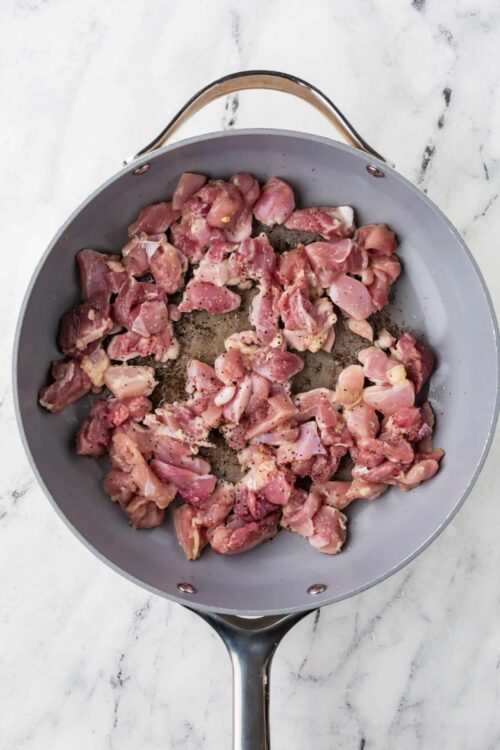
- Heat 2 tablespoons of the oil in a large skillet or Dutch oven over medium-high heat until shimmering. Season the chicken with salt and pepper, then add to the skillet. Cook, turning occasionally, until golden brown on all sides, about 8 minutes (chicken will finish cooking later). Transfer the chicken to a plate.
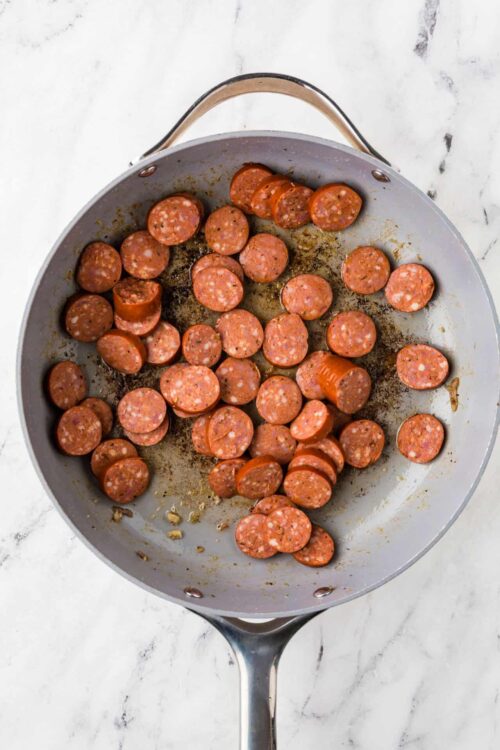
- Add the sliced sausage to the skillet and cook until browned and slightly crisp around the edges, about 2 minutes. Remove to the plate with the chicken.
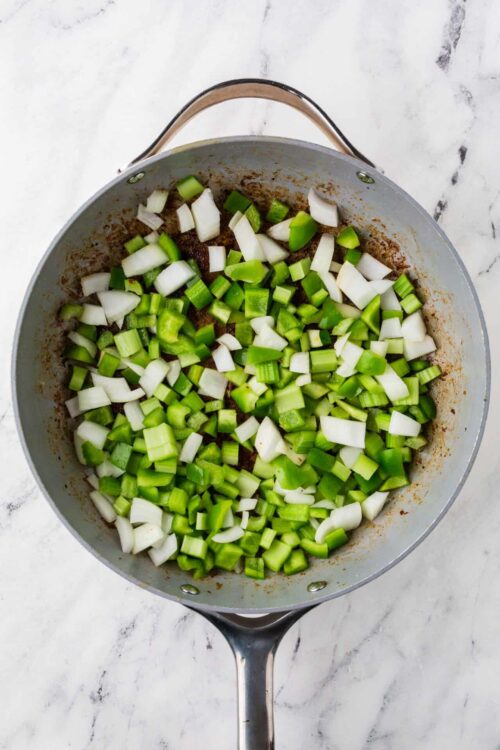
- Add the remaining 1 tablespoon of oil to the skillet. Stir in the onion, celery, bell pepper, and garlic. Season lightly with salt and cook, stirring occasionally, until the vegetables are softened and golden, about 8 minutes.
- Stir in the rice and cook, stirring constantly, for 1 minute to lightly toast.
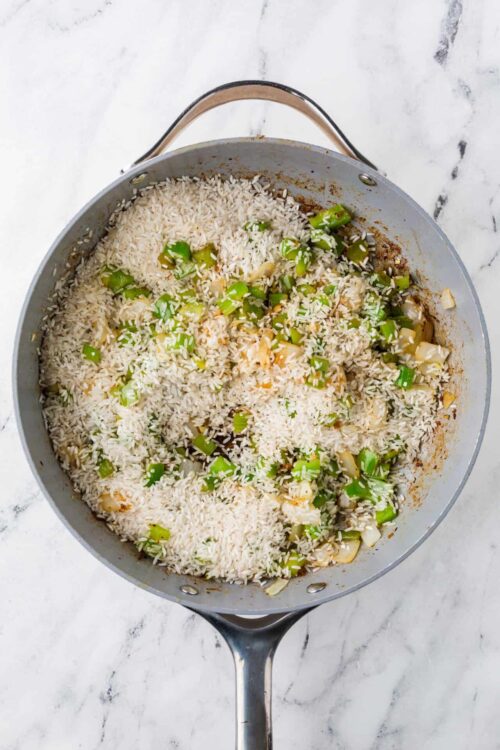
- Add the bay leaf, paprika, cayenne pepper, oregano, and thyme. Stir for another minute to bloom the spices.
- Return the chicken and sausage to the skillet, along with any juices from the plate.
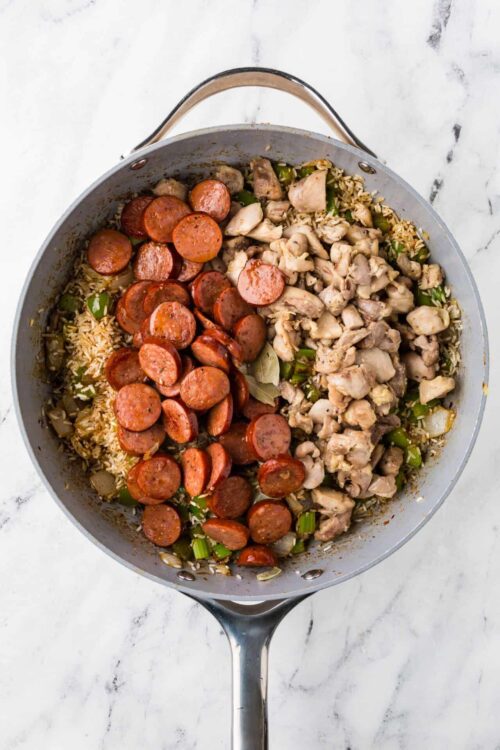
- Pour in the chicken broth, stirring to combine. Bring the mixture to a boil.
- Reduce the heat to low, cover, and simmer until the rice is tender and the liquid is absorbed, about 20 minutes.
- Remove from heat and let the jambalaya rest, covered, for 5 minutes. Discard the bay leaf. Taste and adjust seasoning as needed.
- Garnish with sliced green onions and/or hot sauce, if desired, and serve hot.

Leave a Comment